Cuadernos de campo is a three-year program that focuses on the natural spaces of the Royal Sites managed by Patrimonio Nacional. Resulting from the collaboration between Patrimonio Nacional, ACCIONA and PHotoESPAÑA, the initiative brings together renowned Spanish photographers and environments of exceptional value, with the aim of raising public awareness about the importance of preserving an environment that, in addition to being a source of life, constitutes an essential landscape and cultural legacy.
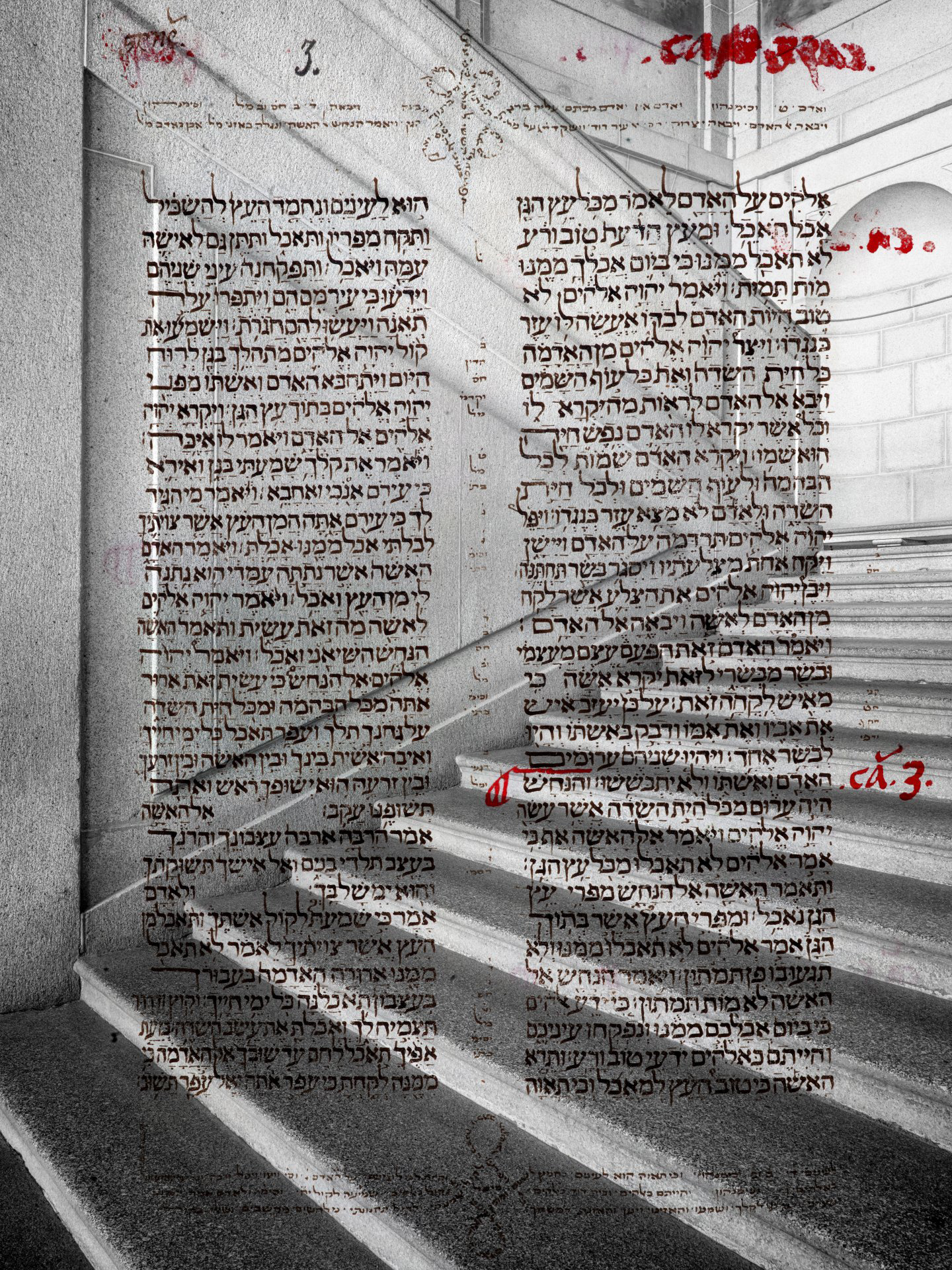
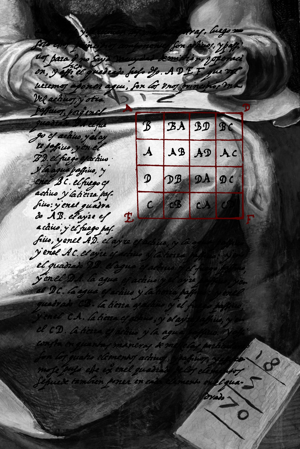
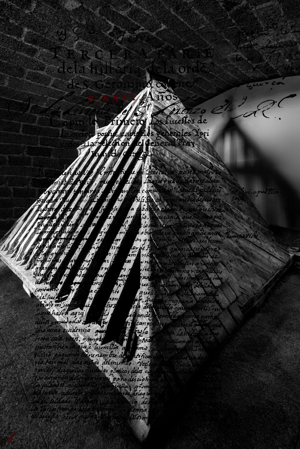
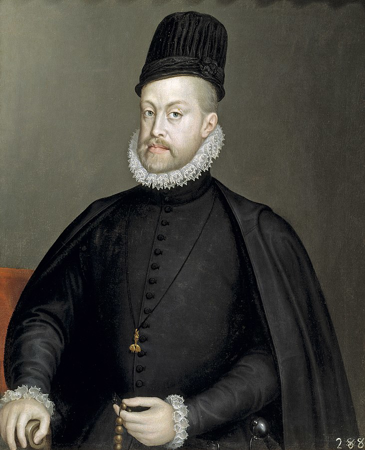
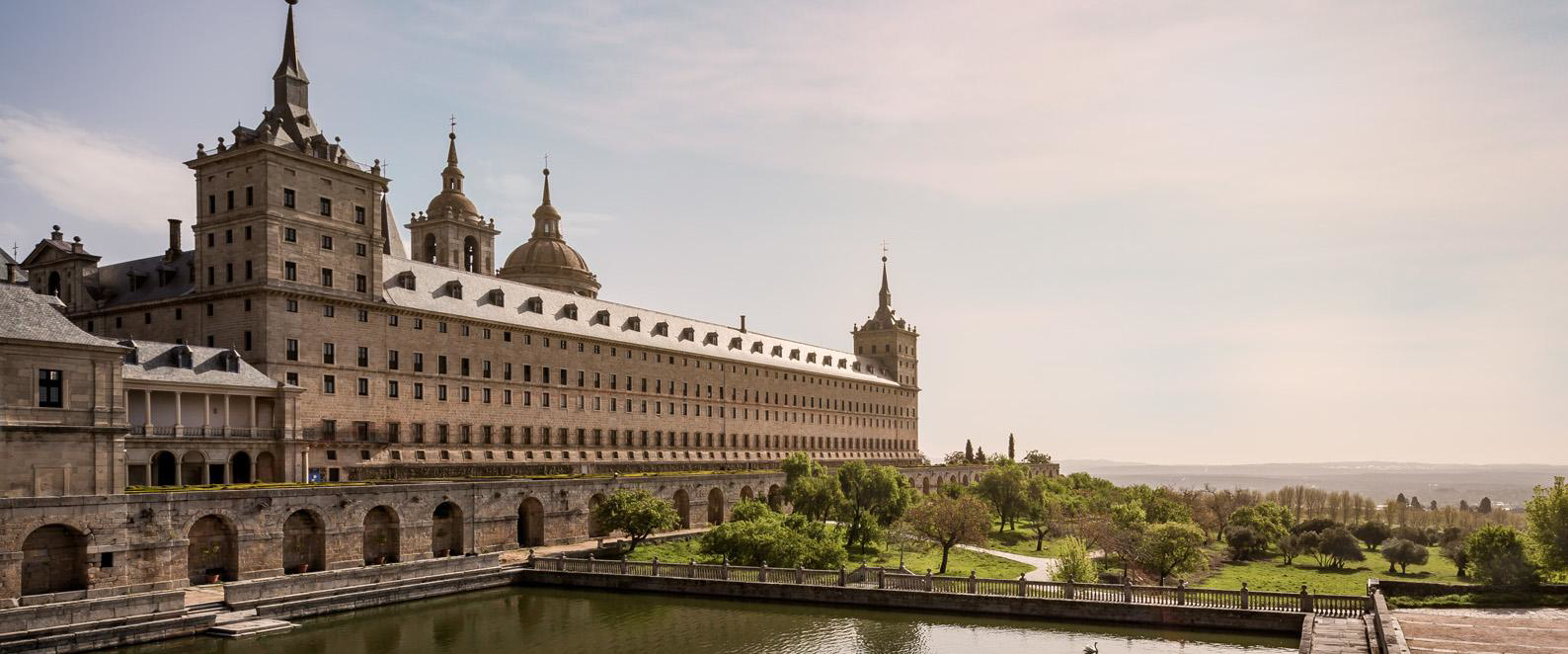
In the third edition of the program, artist Isabel Muñoz (Barcelona, 1951), National Photography Award winner, turns her gaze to the Royal Monastery of San Lorenzo de El Escorial and the surrounding forest of La Herrería. Her project Las piedras del cielo is the result of a sensitive exploration of the territory and a passionate investigation into the figure of Philip II, who conceived the Monastery as an architecture intended to be inscribed within a greater symbolic order, connected to the Temple of Jerusalem and the idea of cosmic harmony. To realize this vision, our Renaissance king gathered the most advanced ideas and knowledge of his time, turning El Escorial into a center of universal knowledge. In addition to bringing together the wisdom of his era in an extraordinary library, various forms of construction, water channeling, and the use of local resources such as granite were developed in the surrounding environment. Philip II, surrounded by eminent architects and philosophers, sought in El Escorial the boundary between human reason and divine revelation.
Through photography, objects, video, and installation, Muñoz constructs an experience that goes beyond the still image, opening itself to a more telluric and sensory perception. Her project addresses stone as a threshold between geological time, the human will for transcendence, and our capacity to imagine, create, and construct meaning from the elemental materials provided by nature.