Loading...

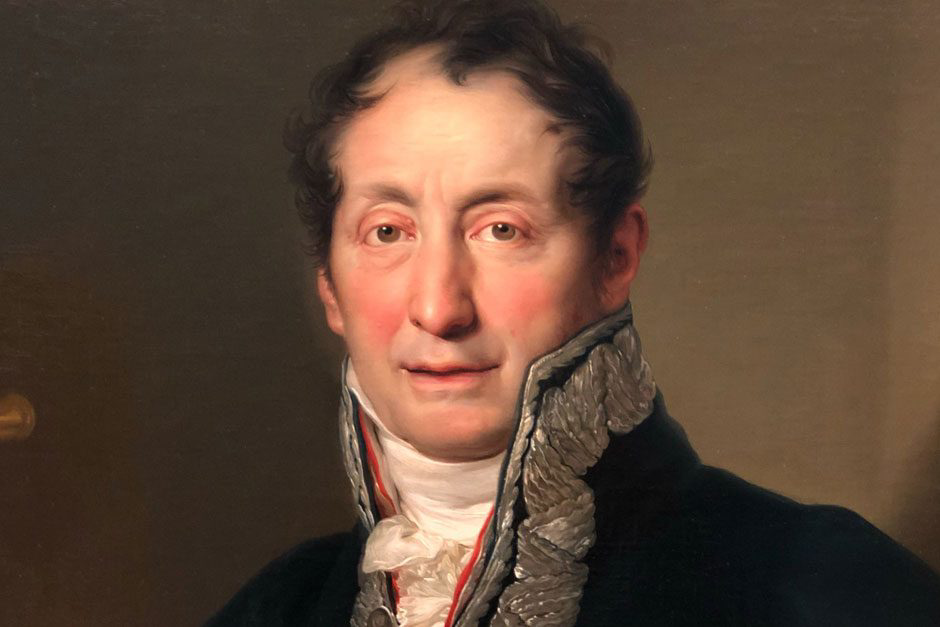
Velázquez, Isidro
(Madrid, 1765 - Madrid, 1840)
González Velázquez Tolosa, Isidro. Madrid, 15.05.1765 – 07.12.1840. Architect and engraver.
Isidro Velázquez —as he would sign his works— hailed from a family of artists who were renowned in Spanish courtly and academic circles from the start of the 18th century until the first half of the 19th century. He was the second son of Antonio González Velázquez, painter to Charles III, and Manuela Tolosa y Aviñón, and the nephew of Luis and Alejandro González Velázquez. While both his uncles were painters, Alejandro was also an architect. While his brothers Cástor and Zacarías also followed their father, who had been the student of Corrado Giaquinto in Rome (1746-1752), Isidro embraced architecture from the very first lessons that he received at the Royal Academy of Fine Arts of San Fernando. Given his great gifts as a draughtsman, his father sought to steer him towards painting from the time he was eight years old, but realising his choice, he encouraged him to continue training under the architect Juan de Villanueva. During the following years, Velázquez remained in the artist’s studio at the Prado Museum, making rapid progress in his career; in 1778 he entered the General Competition of the Academy and while he did not receive any mentions on this occasion, in 1781 he was awarded a one-ounce Gold Medal as the winner of the First Prize of the 2nd Class in Architecture.
Source: Royal Academy of History