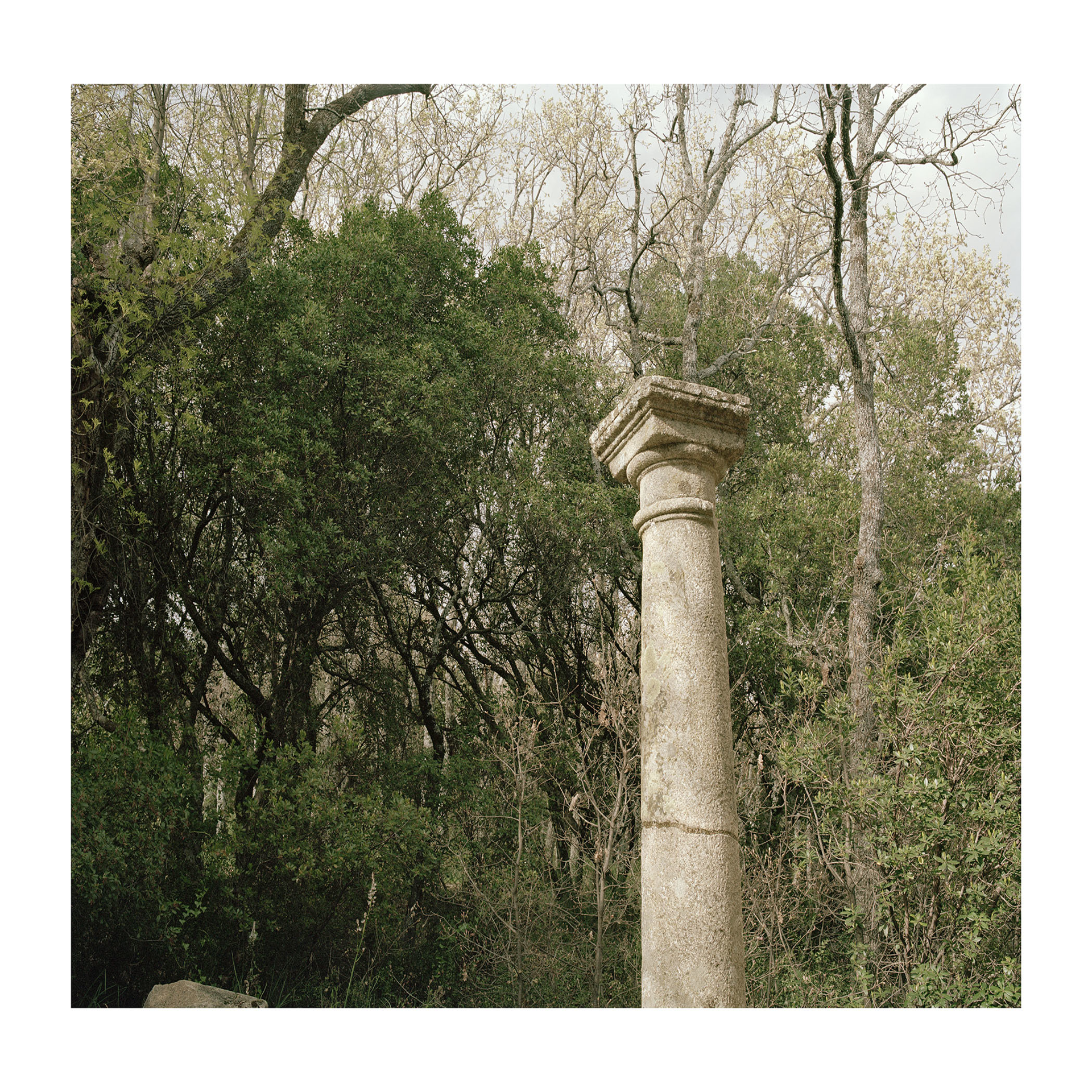
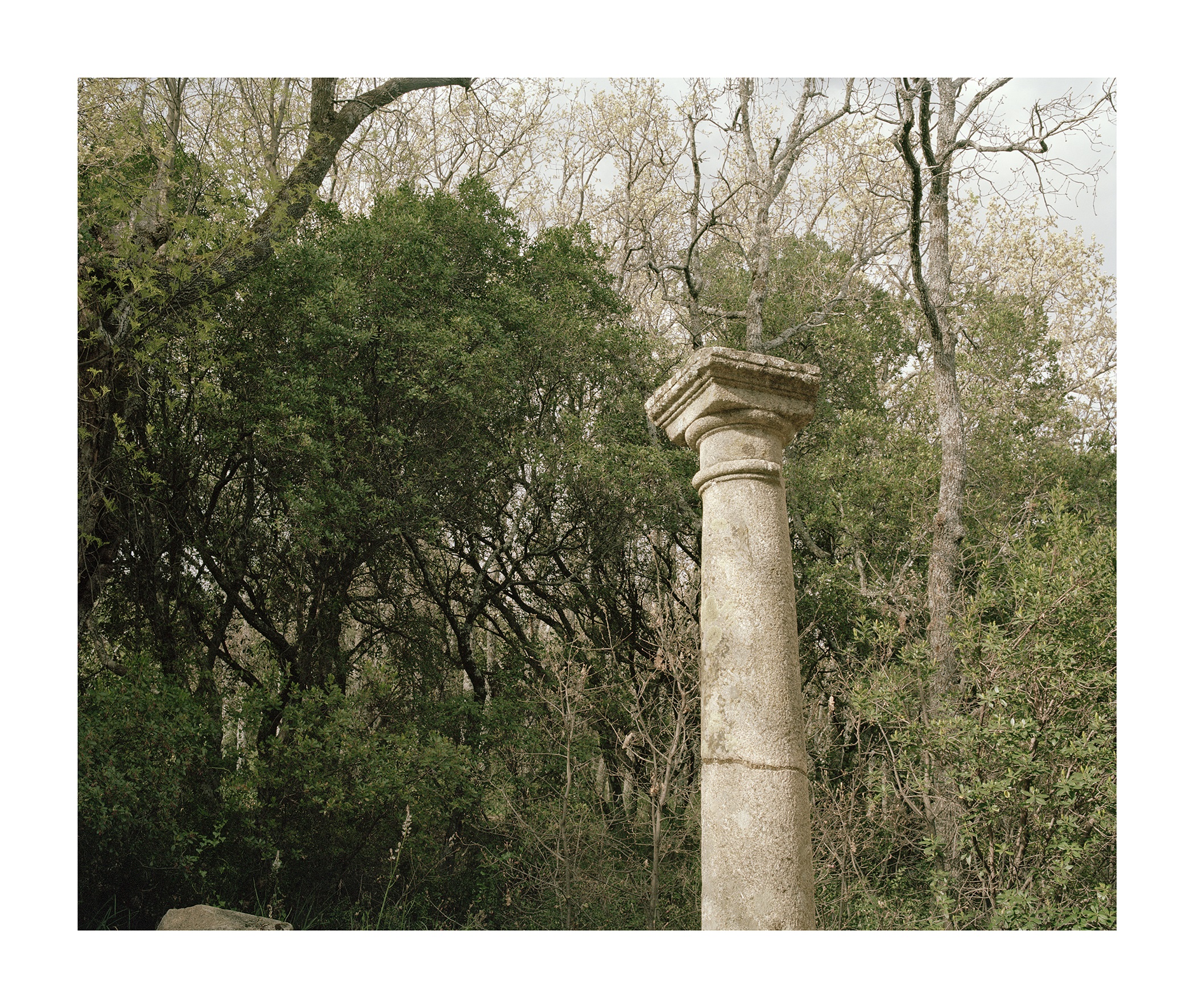
The Field Notebooks project is a three-year programme focusing on the natural spaces in National Heritage’s Royal Sites. The outcome of a partnership between that institution, ACCIONA and PHotoESPAÑA, the programme puts famous photographers from Spain in contact with privileged natural settings in order to raise the public’s awareness of the necessity of environmental protection.
The first edition of Field Notebooks was created by Javier Vallhonrat at La Granja de San Ildefonso, with a focus on its water devices and the most remote spots on the property, those where ‘nature encounters human intelligence’. This new instalment of the project focuses on the sun as an essential source of energy and life. The photographers Bleda y Rosa, 2008 National Photography Award winners, have developed a new series in the Monastery of San Jerónimo de Yuste entitled The Hours of Sunlight.
This beautiful site was the last home of Emperor Charles V (1500 – 1558). After abdicating the throne, the monarch sought a retreat far from the courts of Valladolid and Toledo where he could rest, care for his delicate health and prepare his soul for death. The site chosen was a small monastery in the county of La Vera founded in the early fifteenth century. Its original architecture was given an in-depth overhaul to include the palatial home and gardens that were so important in his early years, with a design that evoked the Flemish landscapes of his childhood, while the Spanish-Muslim ones reminded him of his deceased wife.
Charles V loved fruit trees, especially citrus, so they feature prominently in the edible garden of Yuste. He also ordered peach, plum, cherry, pear, apple, quince, almond, walnut and chestnut trees planted, in addition to edible and medicinal plants.
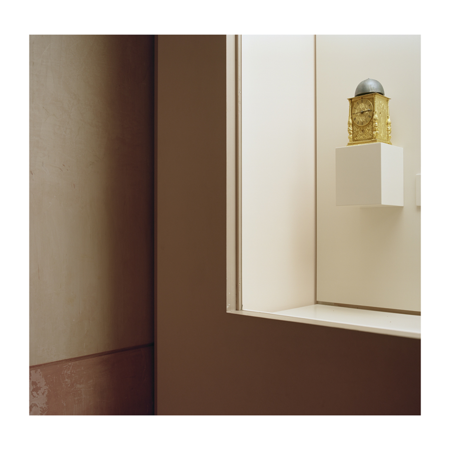
To make his dreams come true, the emperor relied on his court clocksmith from Milan, Juanelo Turriano, who was also an engineer, mathematician, inventor and builder of automata. Turriano was responsible for the hydraulic system that made the gardens more productive, in addition to being the mastermind behind many of the clocks that kept time to the king’s last hours.
Bleda y Rosa have focused on the natural environment in Yuste through the lens of three of Charles V’s interests: astronomy, botany and mechanical devices. They have also established a dichotomy between nature and its organisation, between Renaissance life and vision and between the tangible and what we see through a window.