Use of Cookies

The Royal Collections Gallery uses its own and third-party cookies, mainly for technical purposes, which are necessary to provide our services and provide you with relevant content. More information in our cookies policy. Cookies Policy.

ACCEPT to confirm that you have read the information and accepted their installation. You can change your browser settings.

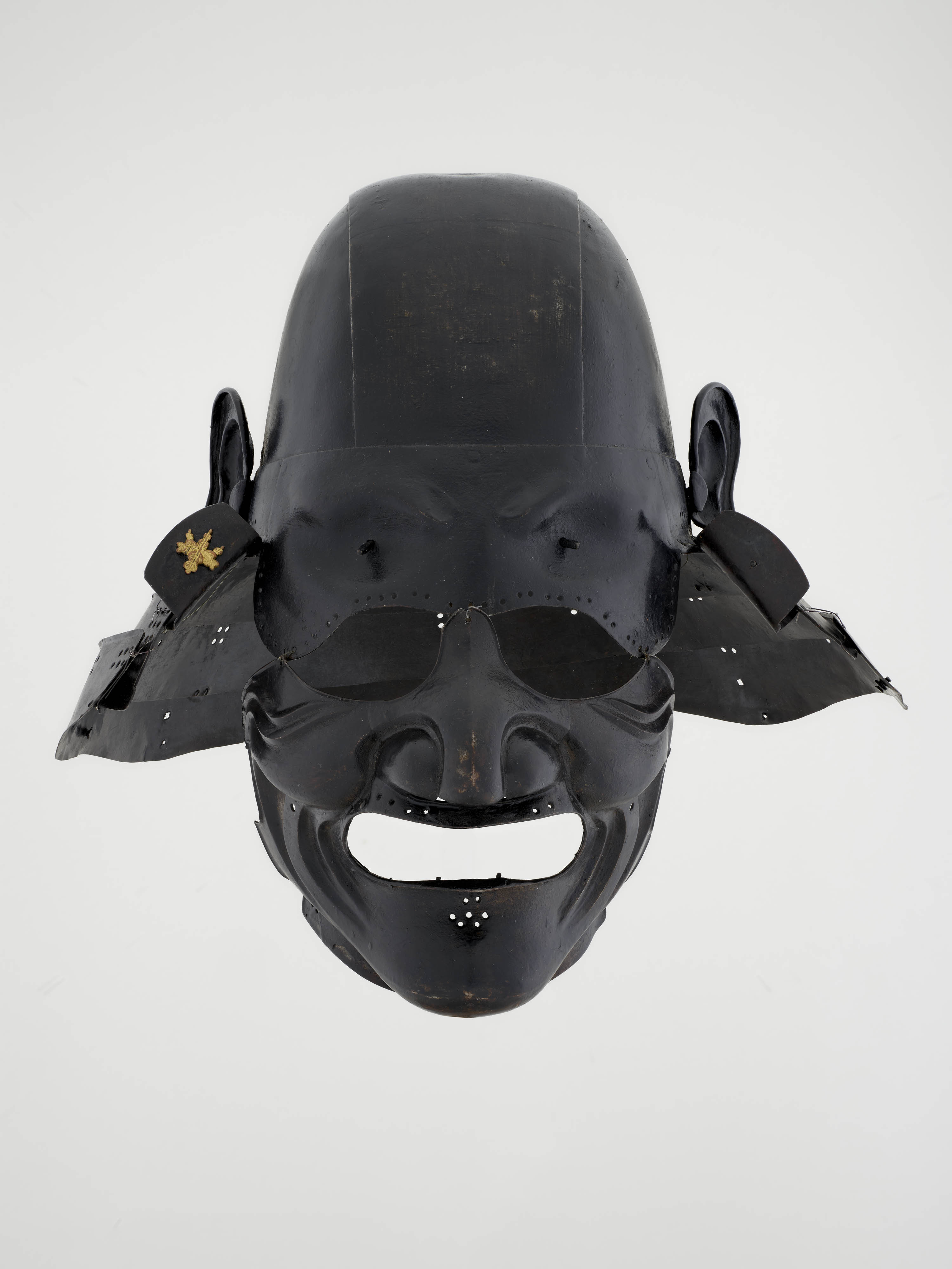
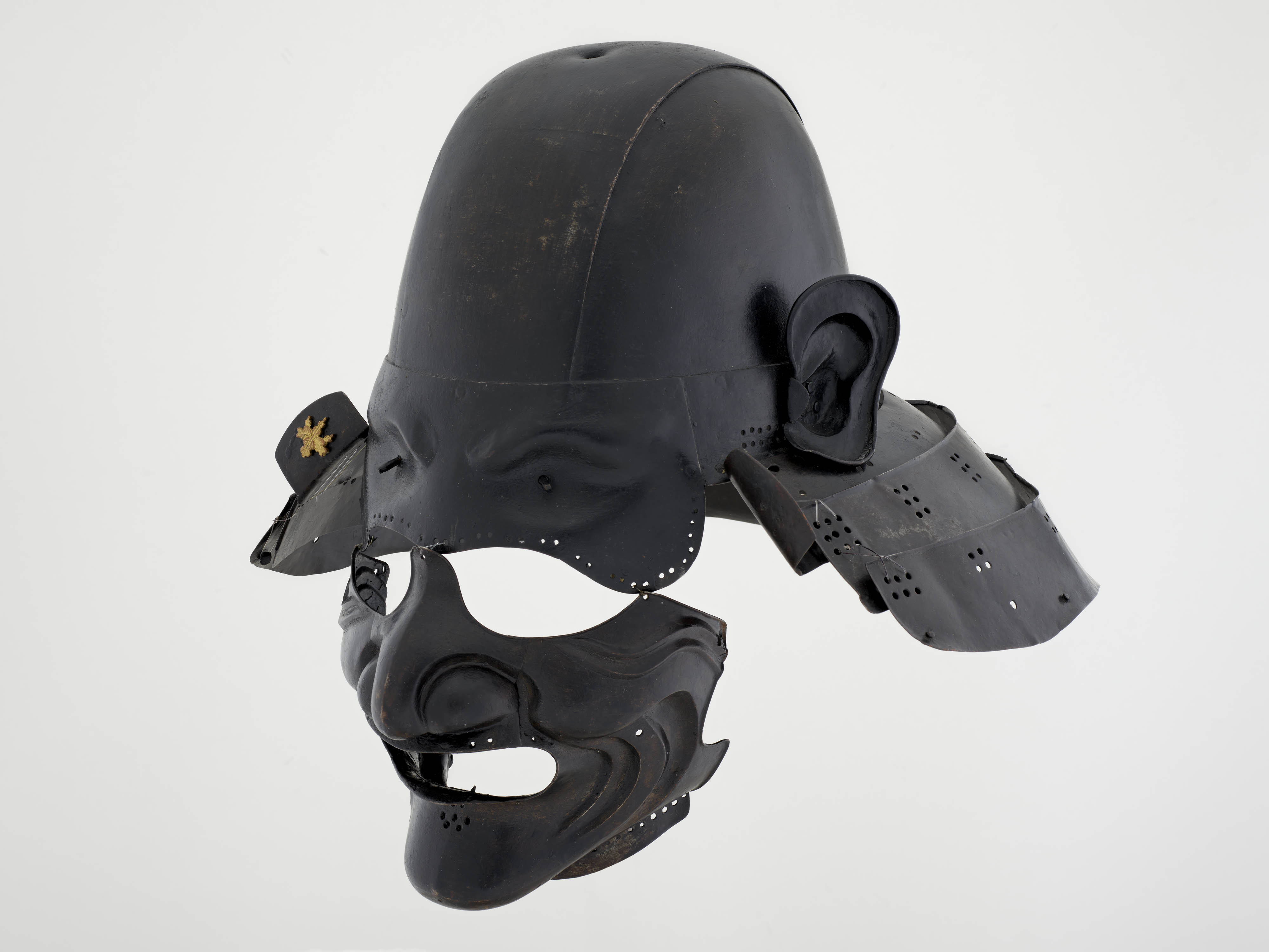
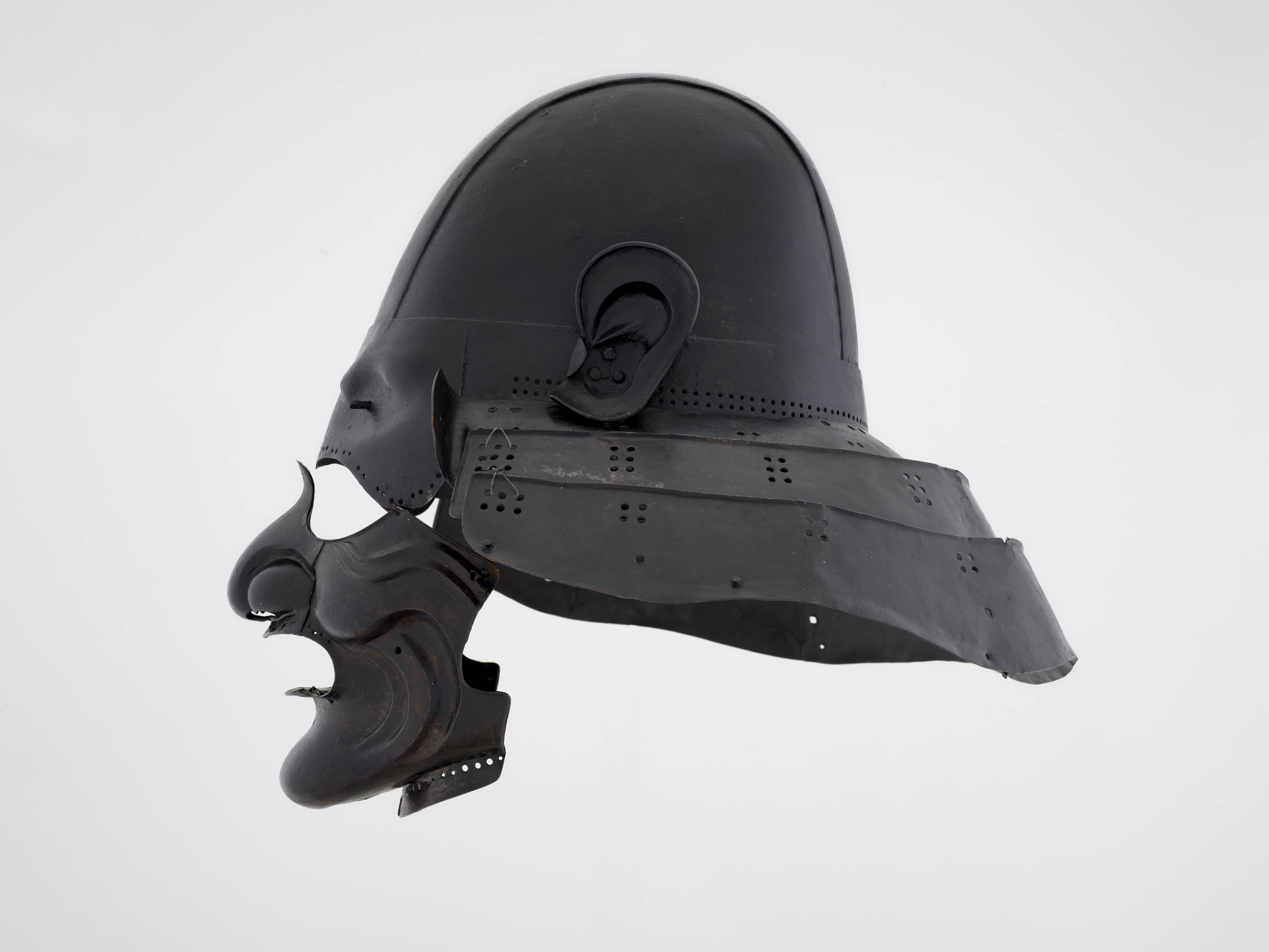
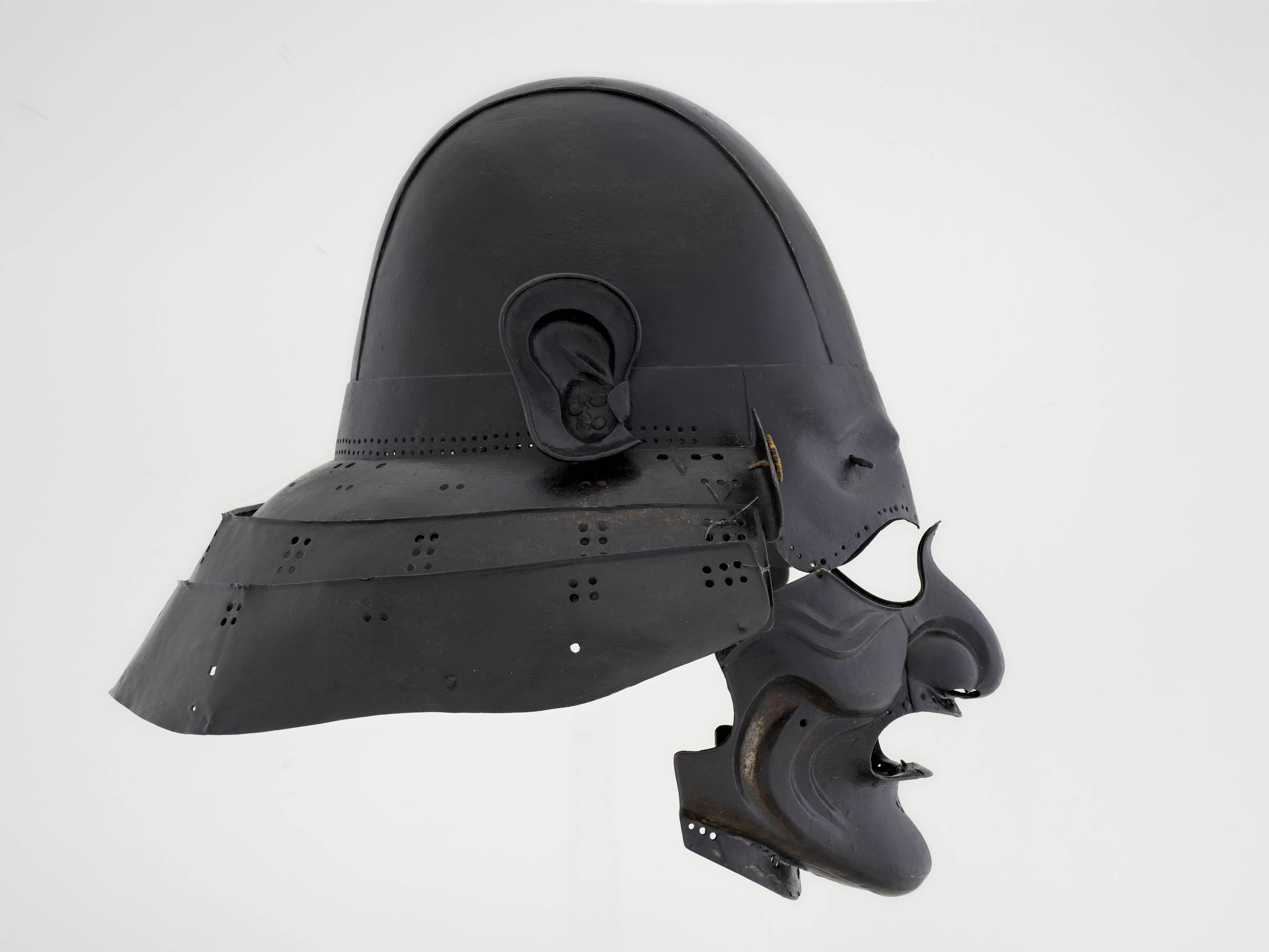
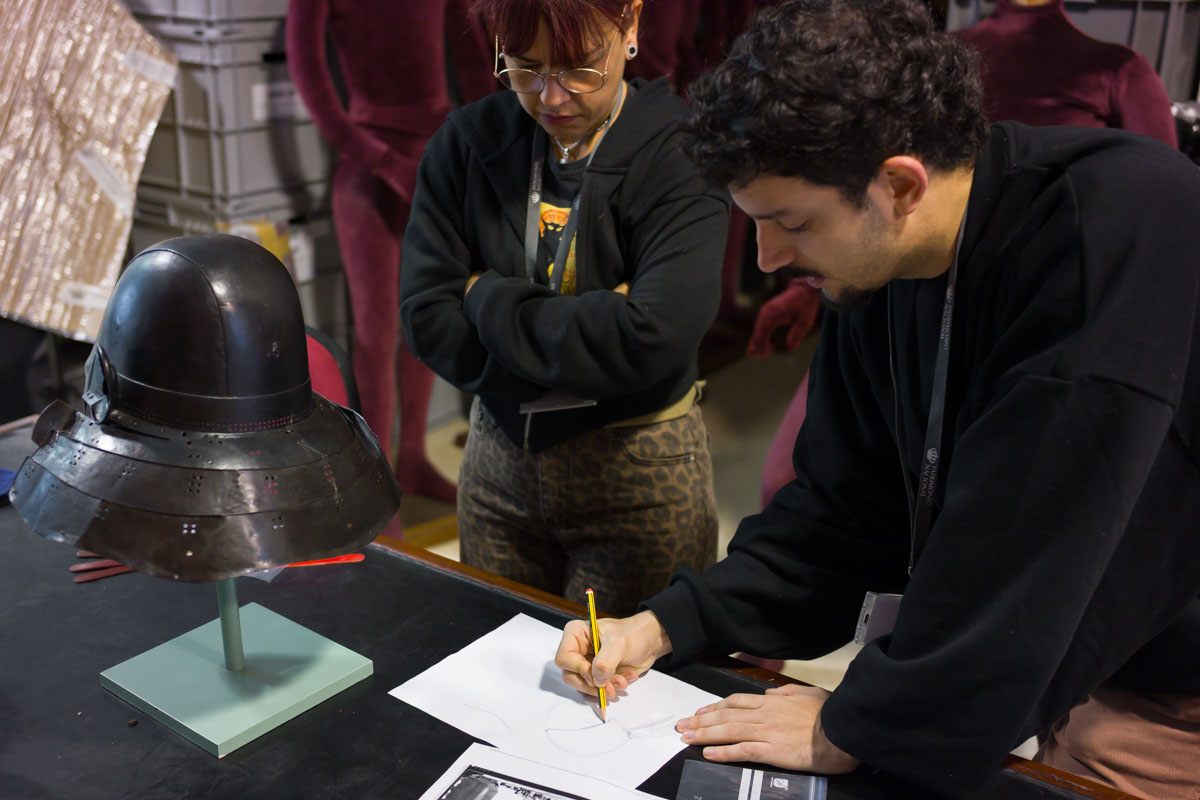
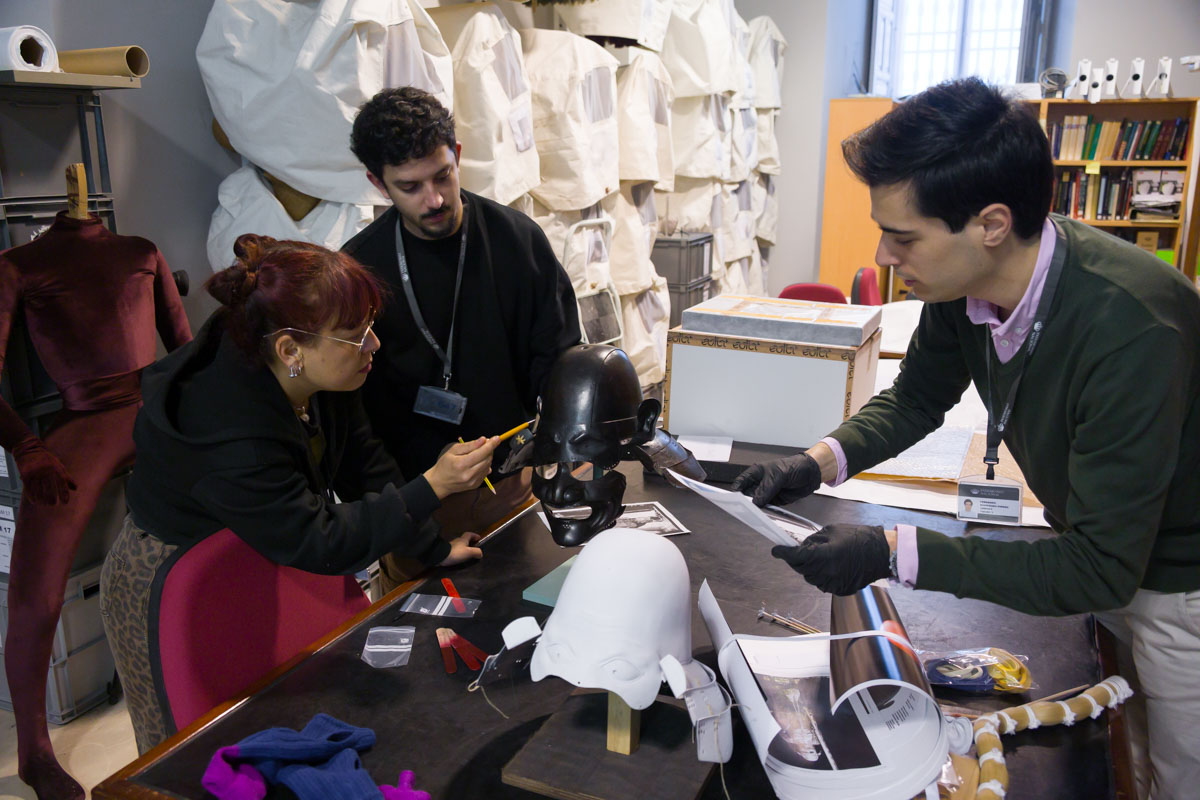
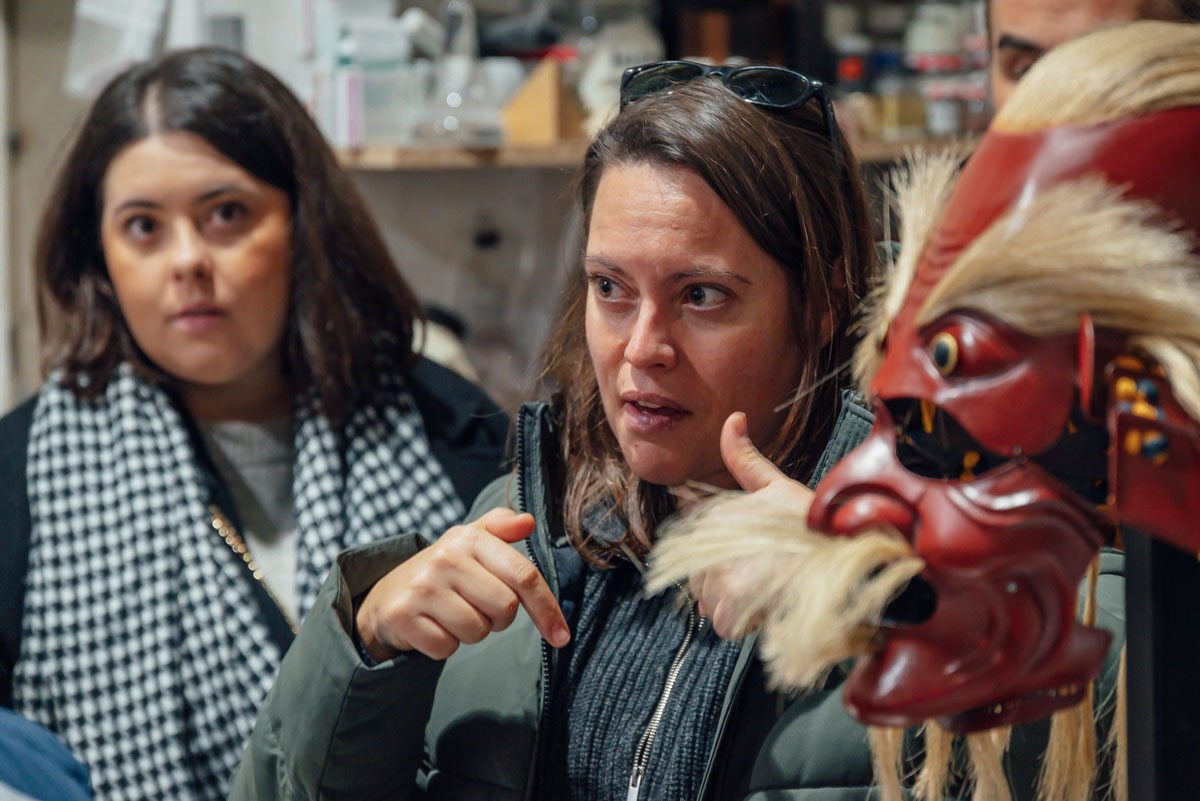
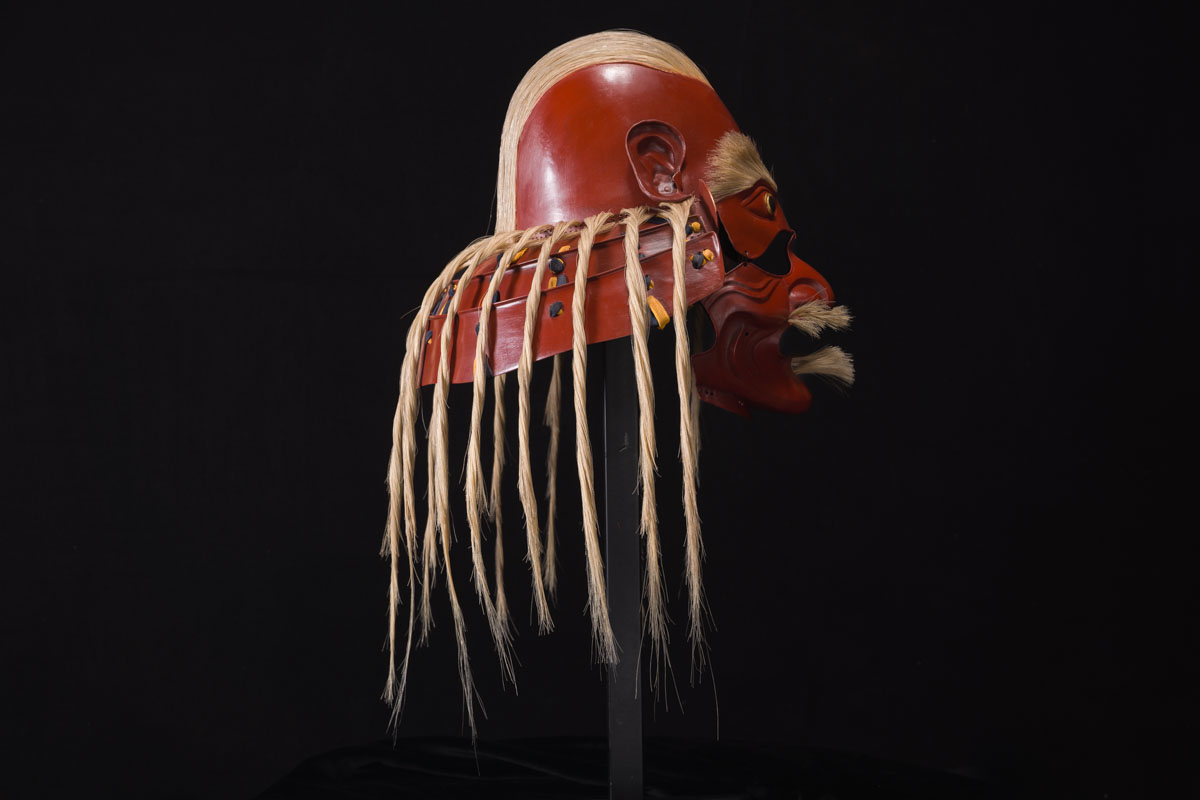
The aim of the collaborative project between Patrimonio Nacional and Ubisoft was to reconstruct a Samurai helmet or kabuto belonging to Philip II to mark the launch in Spain of the videogame Assassin's Creed Shadows set in feudal Japan. The original kabuto from which this initiative stems is part of the Royal Collections in the care of Patrimonio Nacional and is housed in the Royal Armoury in Madrid. This project has been made possible by the joint efforts of the technical teams at Patrimonio Nacional, Ubisoft and Way to Blue and Factum Arte, and advice from the Museo Stibbert in Florence..

  • Opening Hours

    Monday to Saturday from 10 am to 8 pm. Sundays and Bank Holidays from 10 am to 7 pm.

  • Admission

    Plaza de la Armería: visits the Royal Collection Gallery and temporary exhibitions. Cuesta de la Vega: visits for pre-booked groups and temporary exhibitions.
     

A kabuto for Philip II

Kabuto are war helmets, but they were also used as representational objects together with the rest of the armour with which they were associated. They are made of pieces of steel or iron that were articulated or joined with silk cords or rivets, and their outer surface could be richly decorated, mainly with different coloured lacquers. Like contemporary western helmets, kabuto were the most important items of armour, the most highly prized. They could also be precious objects due to their construction and decoration, which reflected the social position and power of a Samurai or Daimyo.
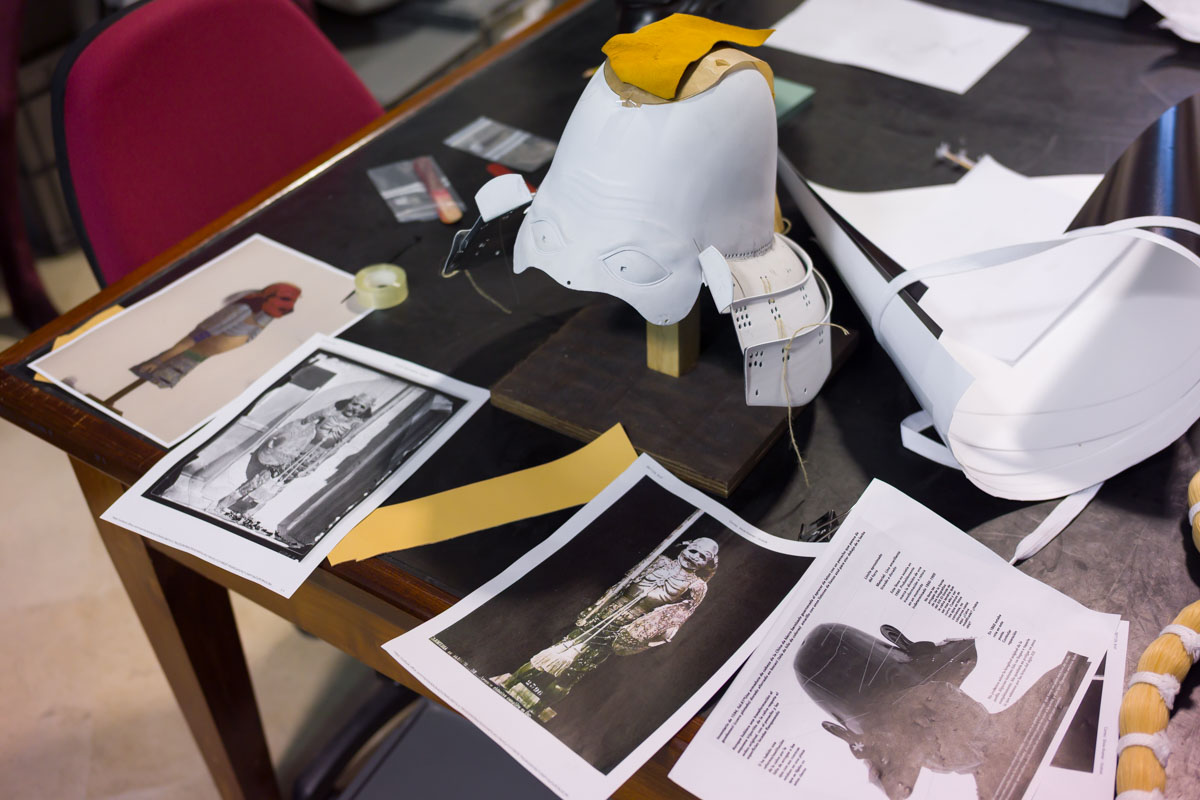
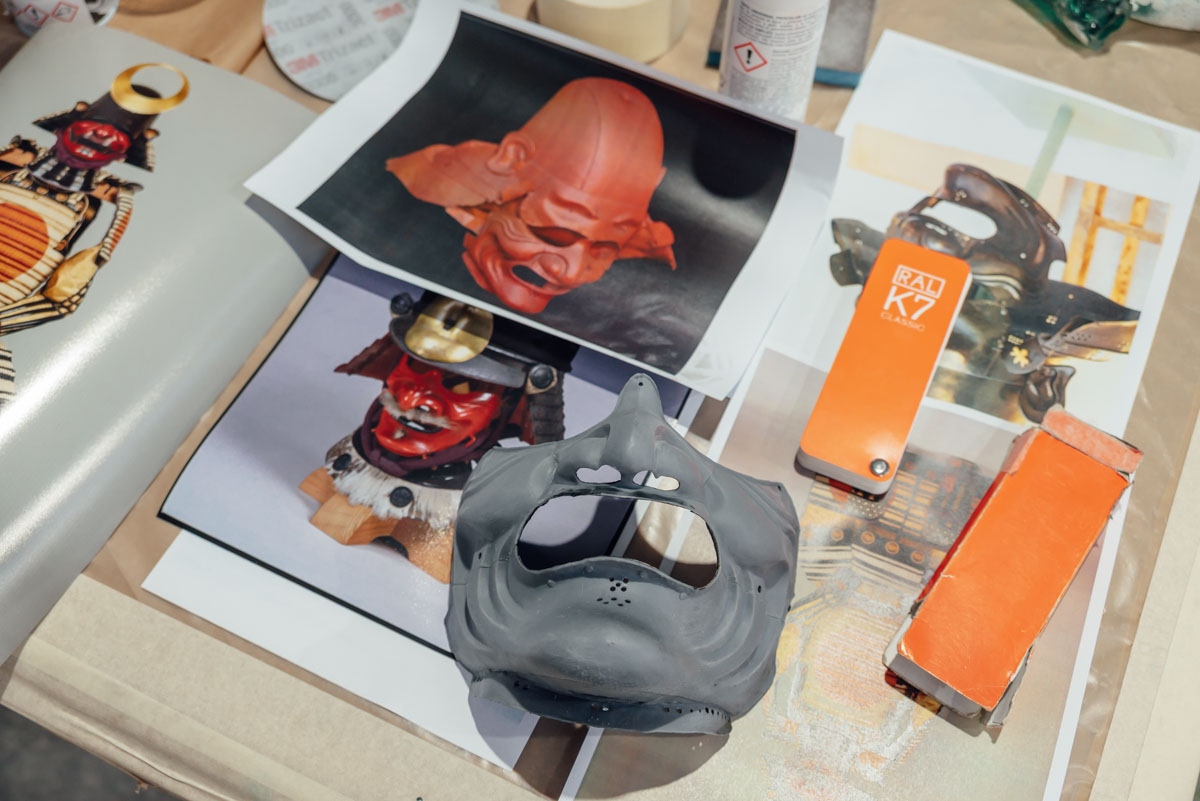
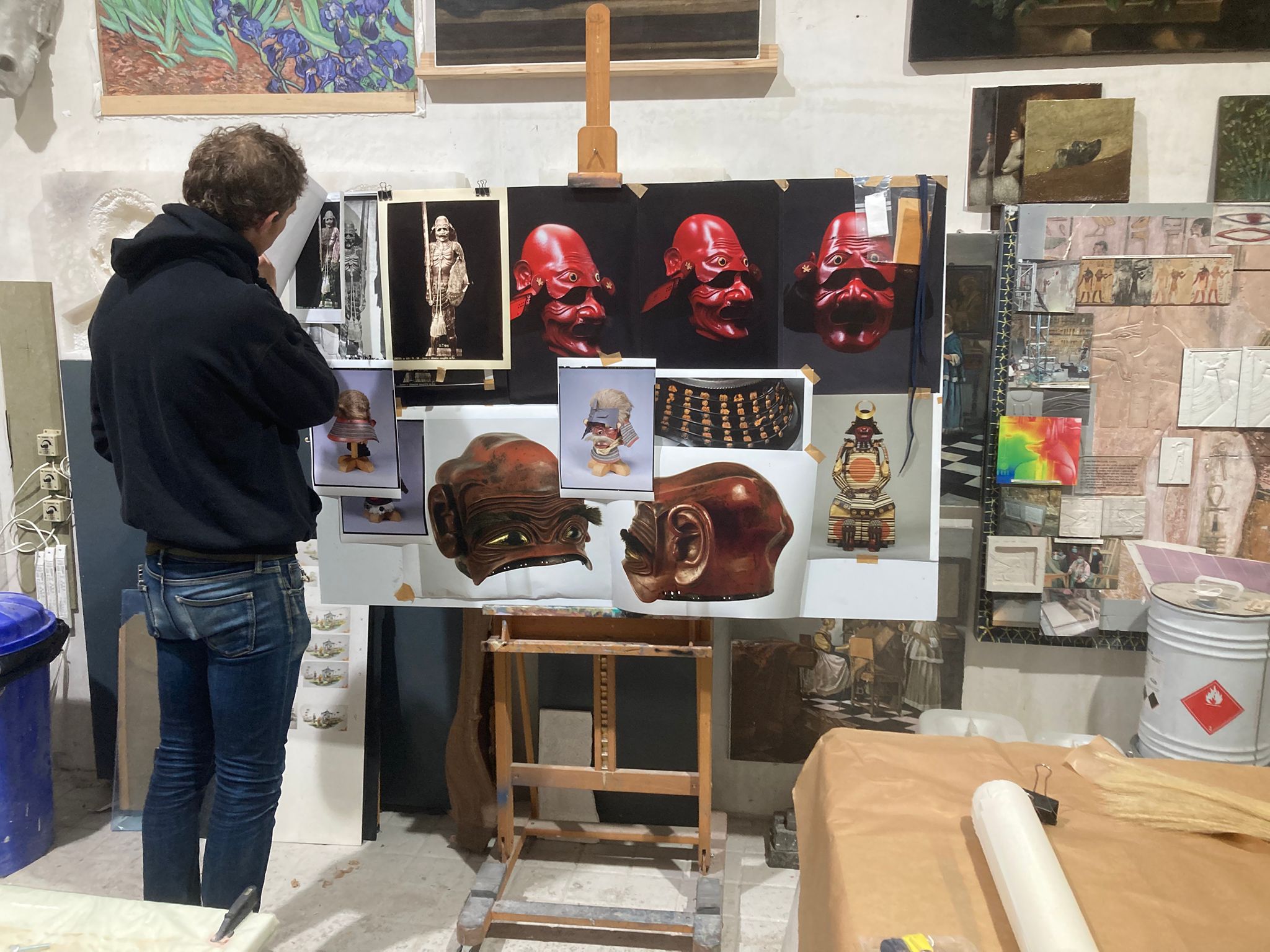
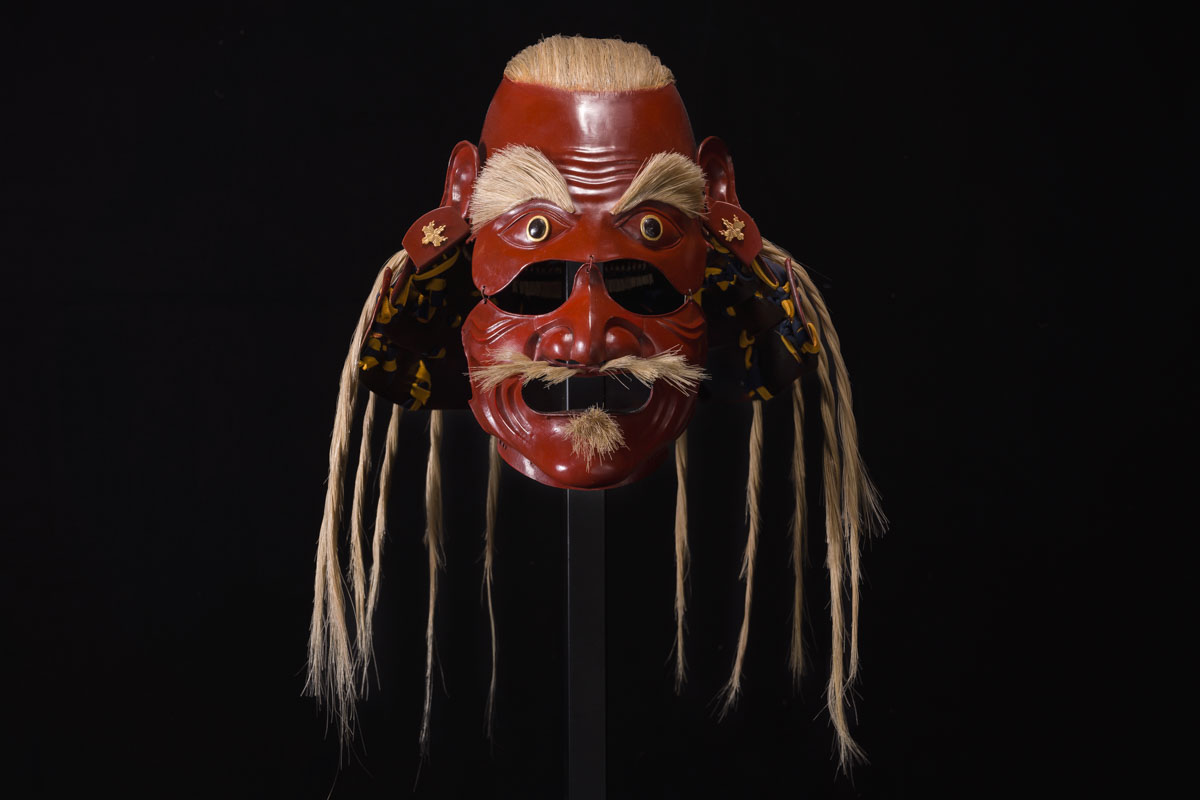
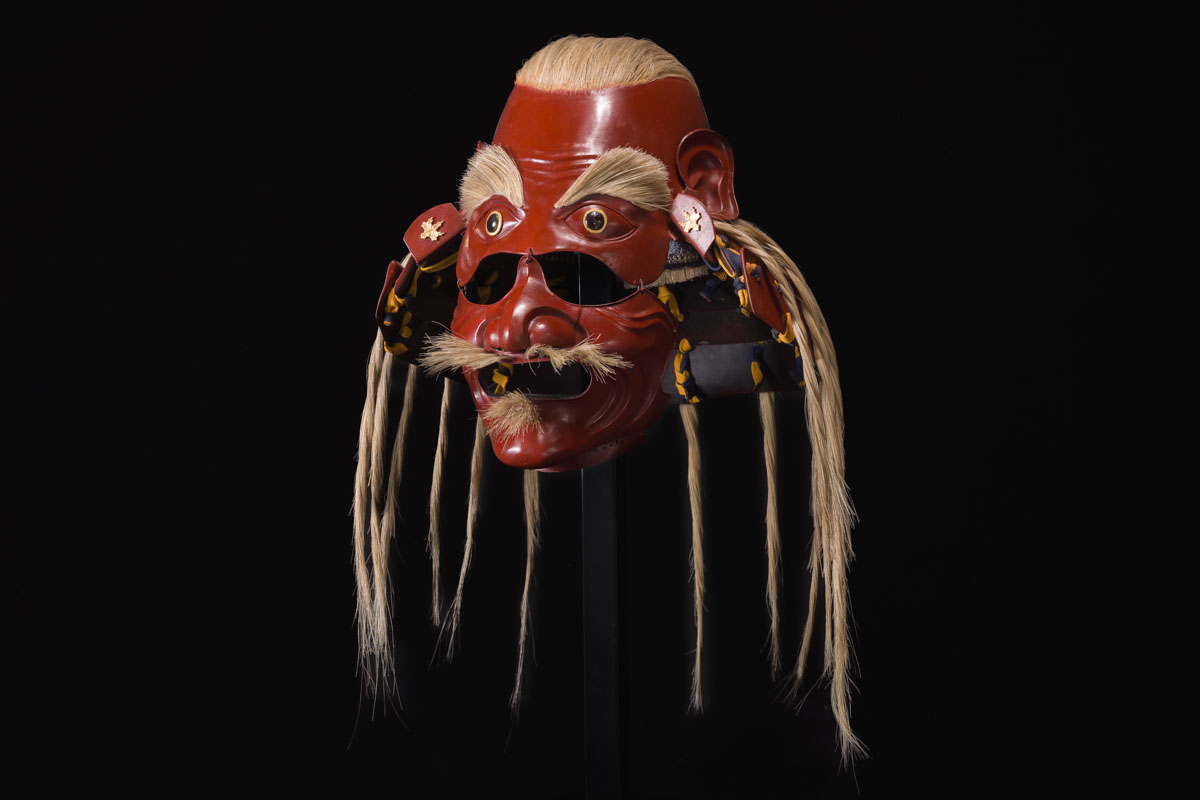
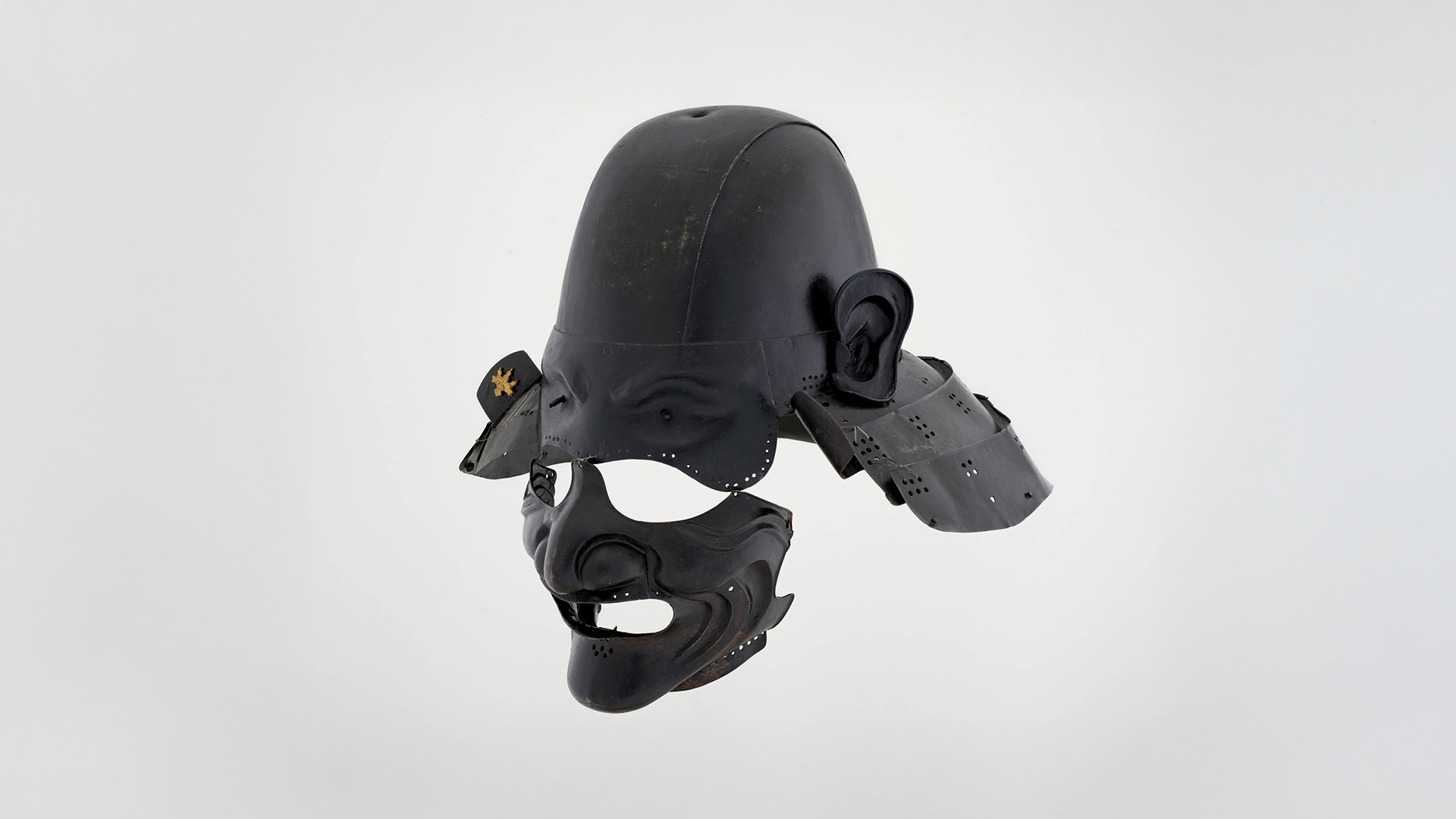
One of the first kabuto to arrive in Europe was this one, which was a gift from the Tenshō embassy to Philip II of Spain in 1584. It no longer preserves its original appearance due to the alterations it underwent after being partially destroyed in a fire that broke out in the Royal Armoury on 10 July 1884, which caused it to lose all its decoration. For this reason, the project set out to create a reproduction that restored its original appearance based on a digital model, historical inventories of the Royal Collection and nineteenth-century drawings and photographs. This work has made it possible to understand and document this piece more fully, as well as explaining the fascination it must have aroused as an exotic object and an expression of a world so radically different to the Europe in which Philip II lived.

3D viewer

The Tenshō embassy

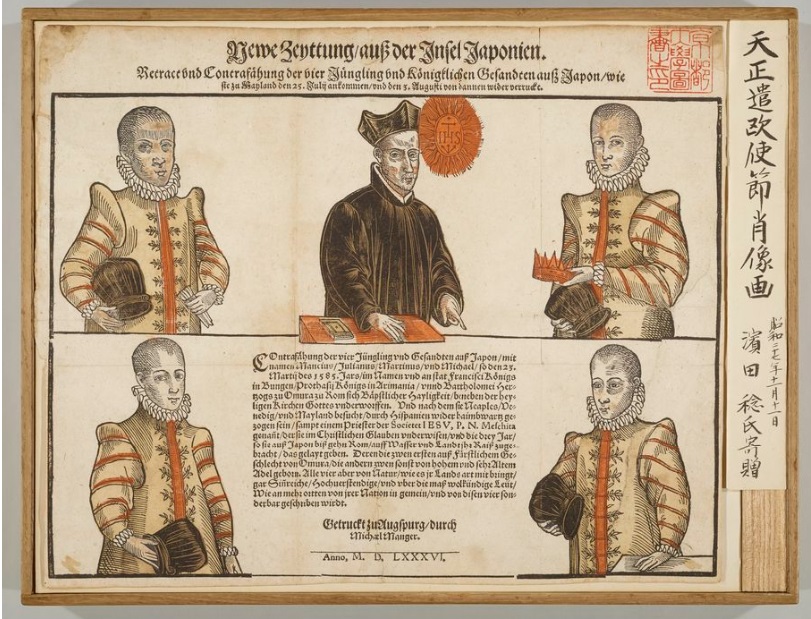
The so-called Tenshō embassy had its origins in the evangelising work performed in Japan by the Society of Jesus which, backed by the Portuguese crown, encouraged a few members of noble families to convert to Christianity. This delegation departed from the port of Nagasaki in 1582 with the aim of meeting the king of Portugal and arrived in Lisbon in 1584 after a two-and-a-half-year journey. It was promoted by Father Valigniano, the Society of Jesus’ Visitor in Japan, and was headed by four Catholic noblemen called Mancio Ito, Miguel Chijiwa, Julián Nakaura and Martín Hara, who were accompanied on their arrival in Spain by the Jesuit Diego de Mesquita.  The purpose of the trip was to establish direct contact with the West, to boost the spread of the 
Faith on their return, and to secure the pope's support for the Society's missionary work.
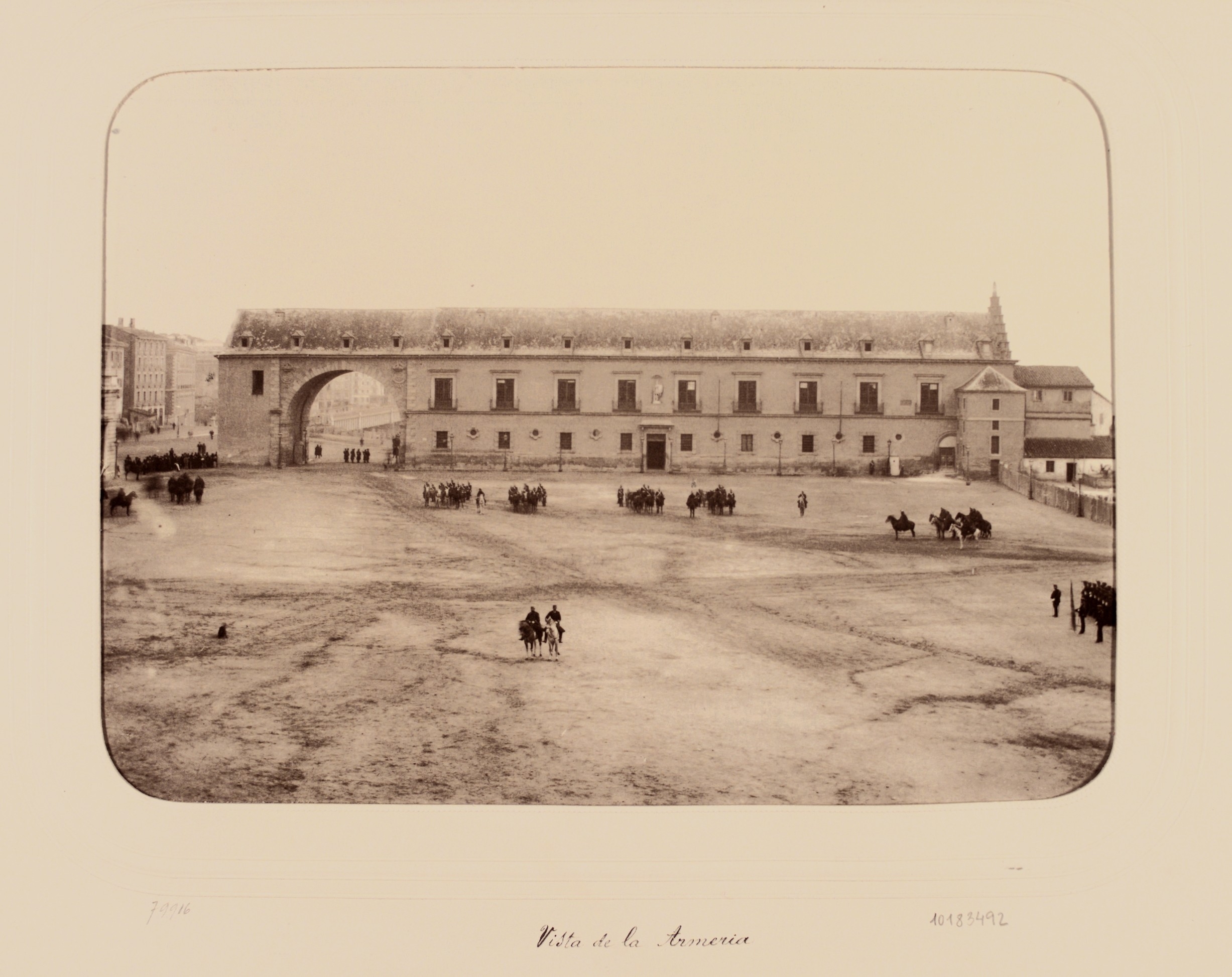
After travelling to Madrid, they were received by Philip II of Spain, who had also been king of Portugal since 1580. On arriving, they presented him with two suits of armour and various arms, which were sent to the guardajoyas (the room where treasures were housed) in the Alcázar palace in Madrid and stored there as exotica. During their stay in Madrid, Philip II instructed the young Japanese men to pay a visit to the Royal Armoury as it was a symbol of dynastic prestige. On returning to Japan, they provided a detailed description of this visit.

The status of the Japanese arms in the Royal Armoury

Ten years after their arrival, the suits of armour were transferred to the Royal Armoury, where they enjoyed prominence, following Emperor Charles V’s personal arms and the military trophies in importance.
Their incorporation into the Royal Armoury was prompted not only by the fact that they were arms, but also by the very nature of the collection as an extension of the so-called Cabinets of Curiosities where exotic and exclusive objects were kept. This gift reinforced the Royal Armoury’s collection as one of the finest examples of the dynasty's international prestige, as it housed the arms of the monarch and his ancestors, a variety of diplomatic and family gifts, military trophies and rare items.
Nevertheless, appreciation for these suits of armour, and in particular for this kabuto, varied over the years. In Philip II's day they were valued not only for their diplomatic nature, but also for their exoticism and exclusivity. Over time, they came to be increasingly misunderstood – to the extent that at the end of the eighteenth century they were described as ‘ridiculous’ and in the mid-nineteenth century as extravagant objects suitable ‘for scaring children’. Today, however, they are considered treasures of Spain’s historical heritage on account of their extraordinary historical and artistic value.

The kabuto in historical records

The incorporation of this kabuto was recorded in the late sixteenth- and early seventeenth-century inventories of the collection. Although these documents are not always accurate – the ambiguity of certain descriptions sometimes makes it impossible to distinguish some suits of armour from others with certainty – they and later testimonies give us an idea of its original appearance and illustrate its splendour.
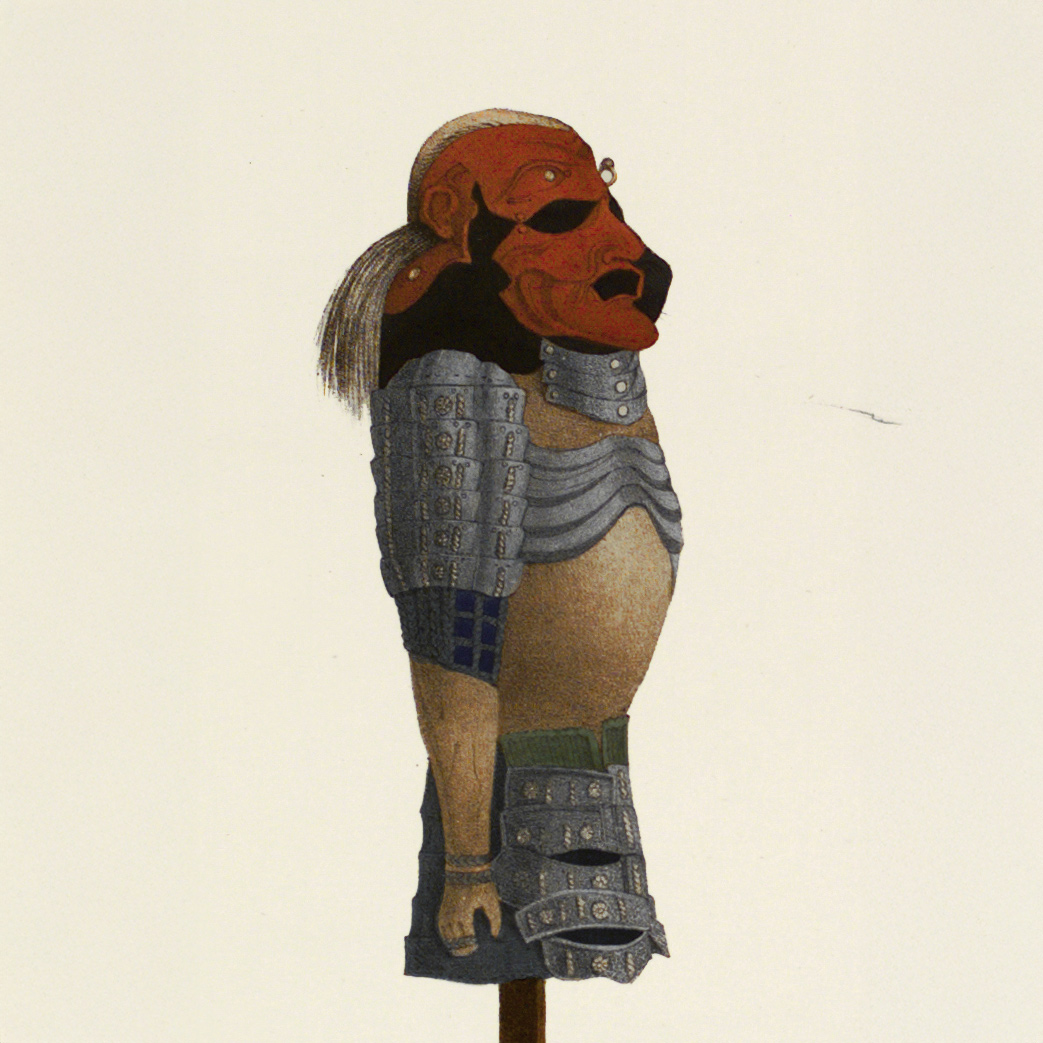
They list two kabuto helmets. One, lacquered in red, survived with few modifications until the nineteenth century, enabling us to analyse the appearance of this kabuto thanks to a drawing and a description in the book on the Royal Armoury that Queen Isabella II commissioned from Achille Jubinal and Gaspard Sensi in 1838.
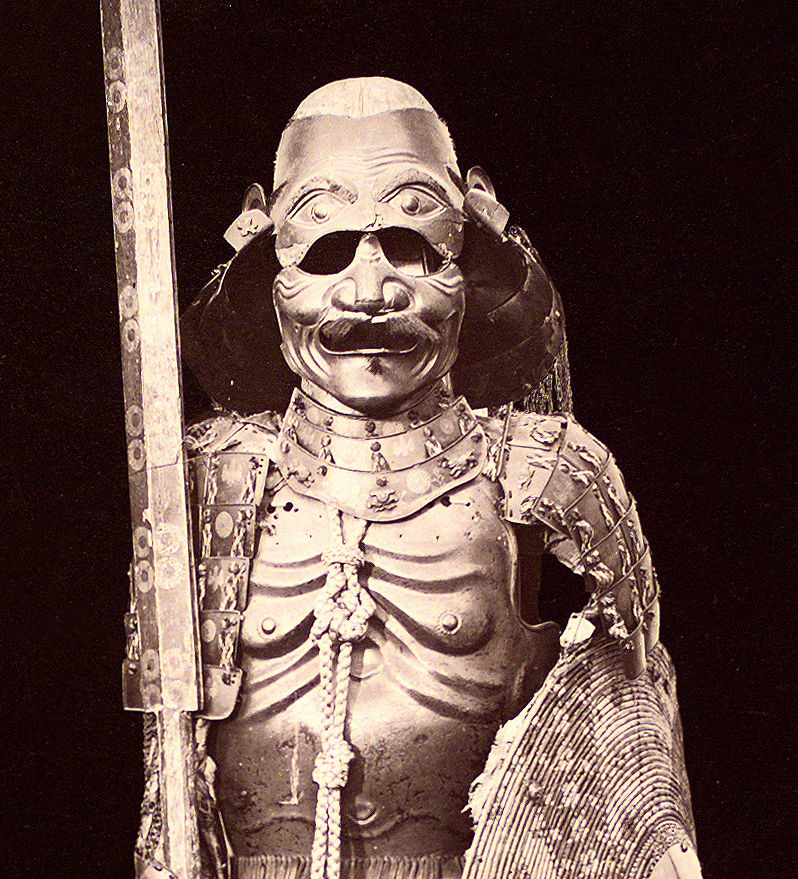
In addition, we also have the last description of it prior to the fire of 1884. Published by Antonio Martínez del Romero in the 1849 catalogue of the Royal Armoury, it matches the photographs Jean Laurent took of its armour around 1860.
These documents were therefore crucial in the reconstruction of the kabuto, even though they are contradictory regarding some details.

El proceso de recreación del kabuto original

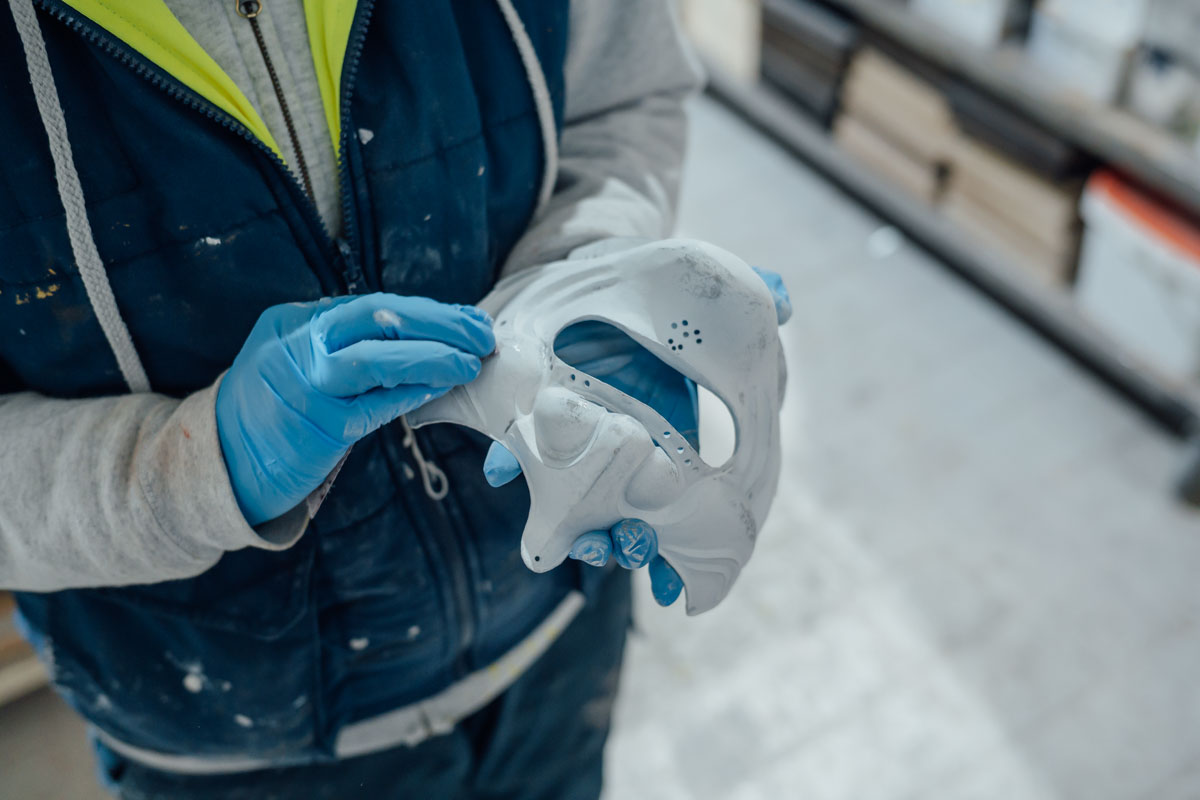
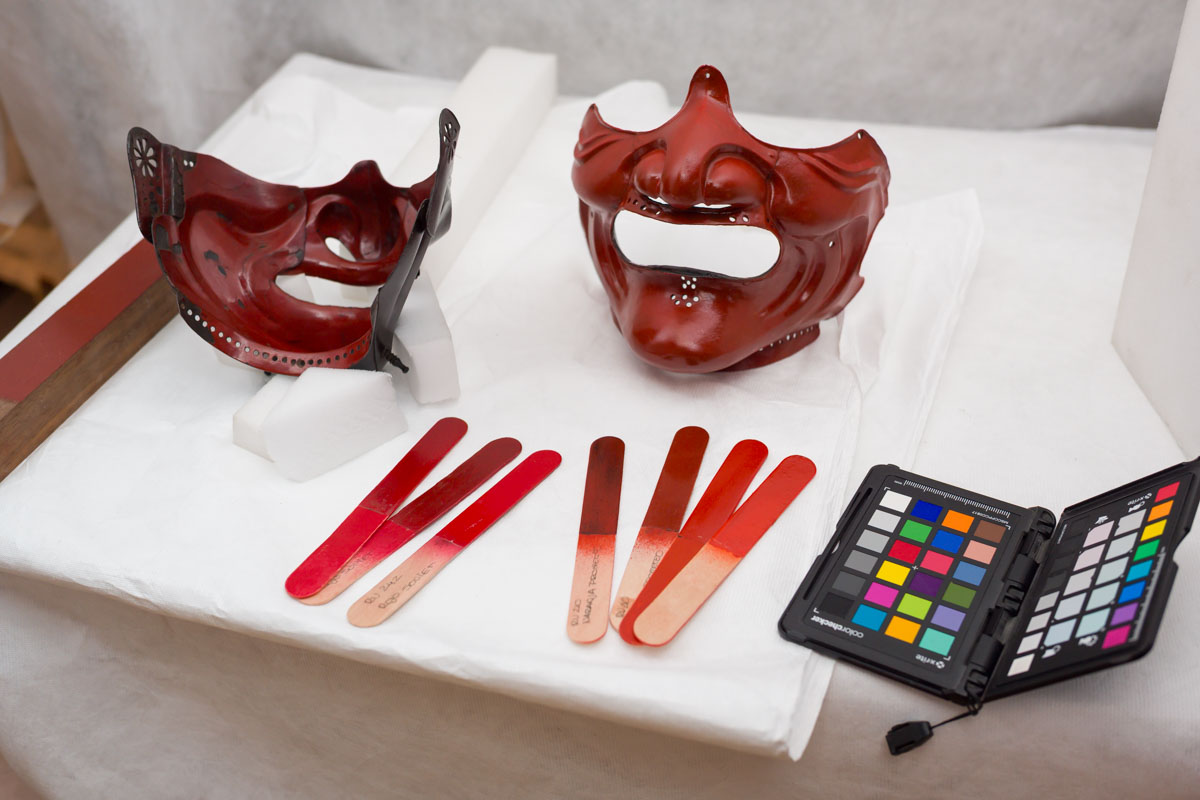
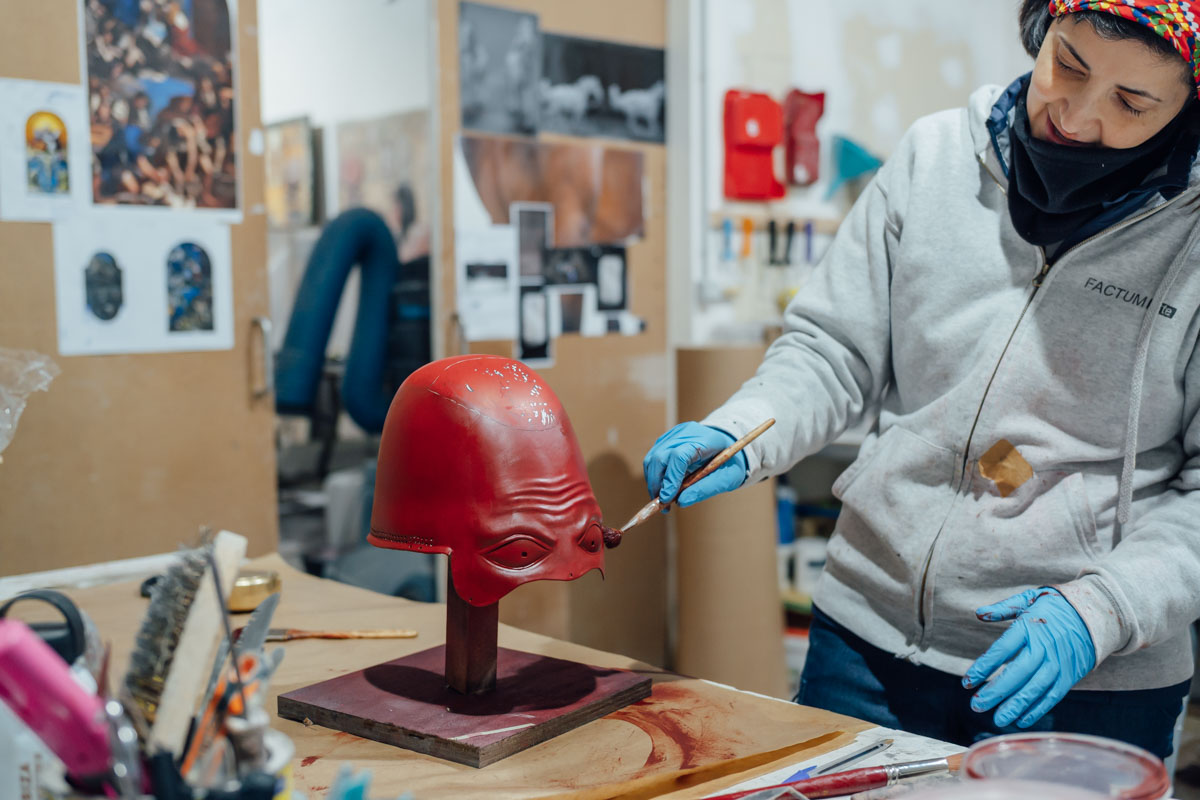
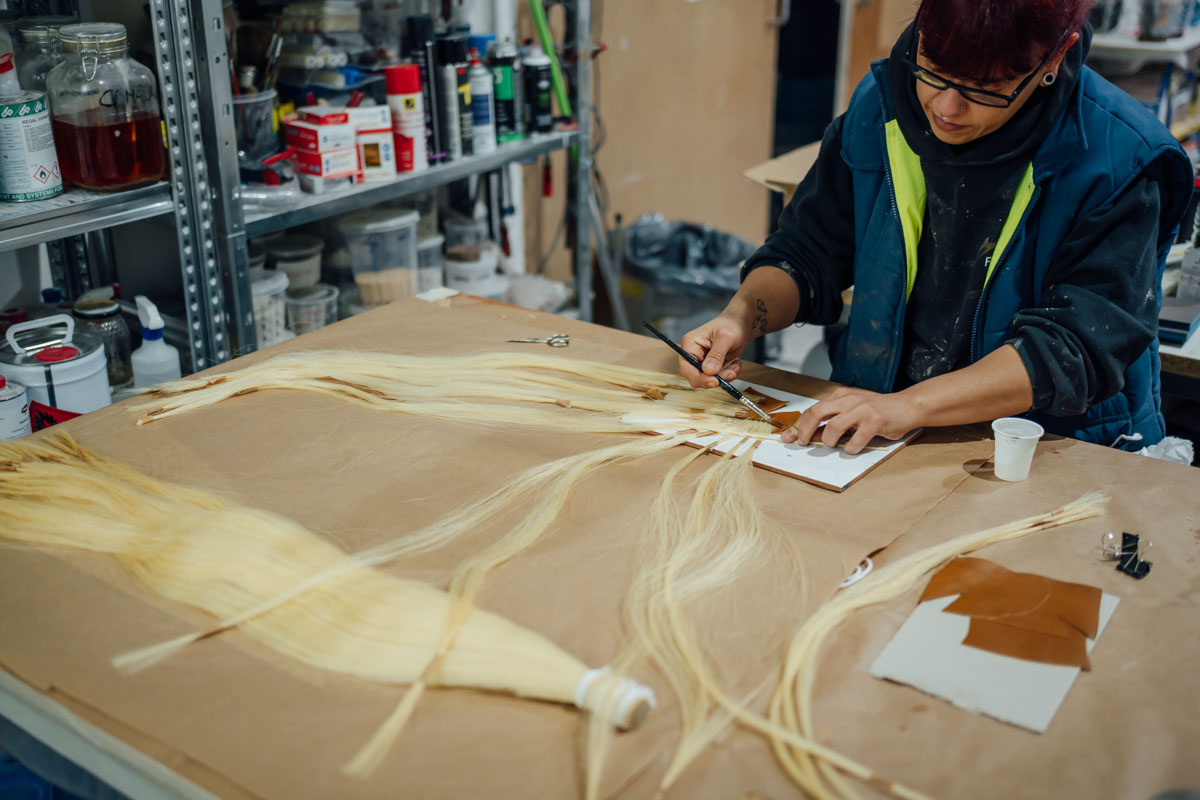
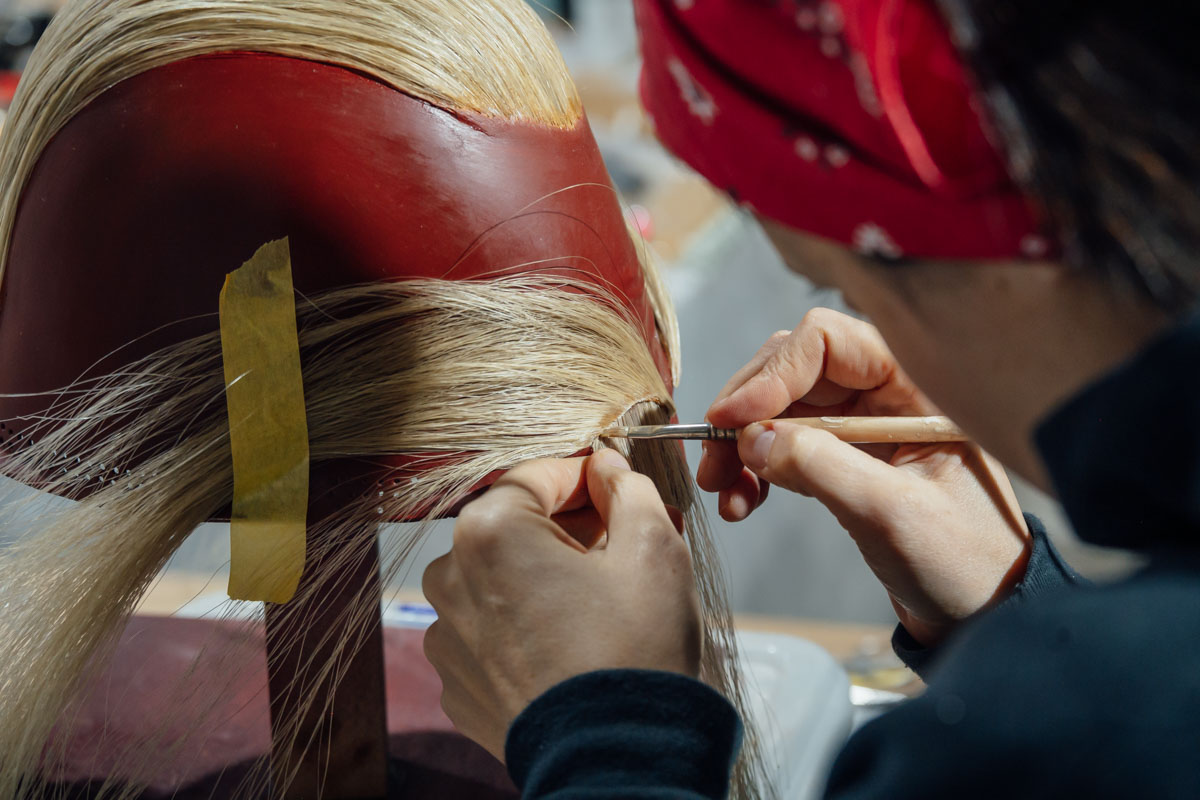
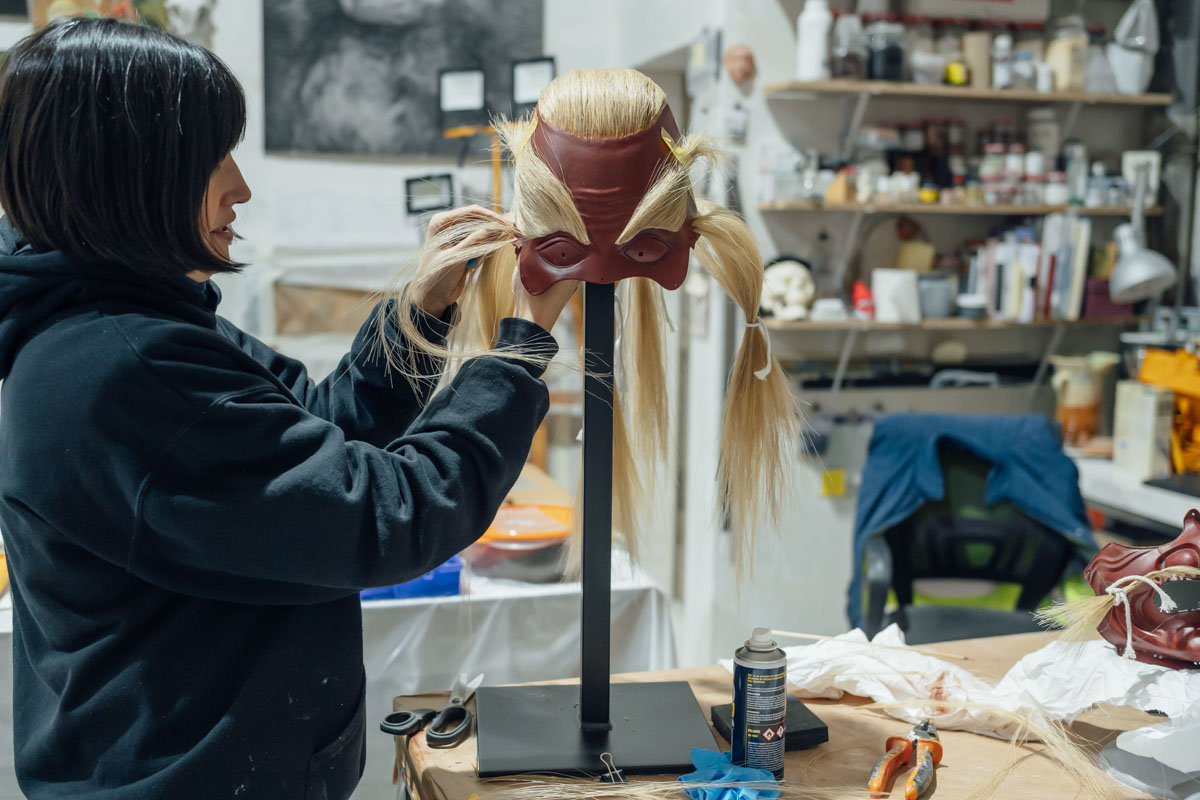
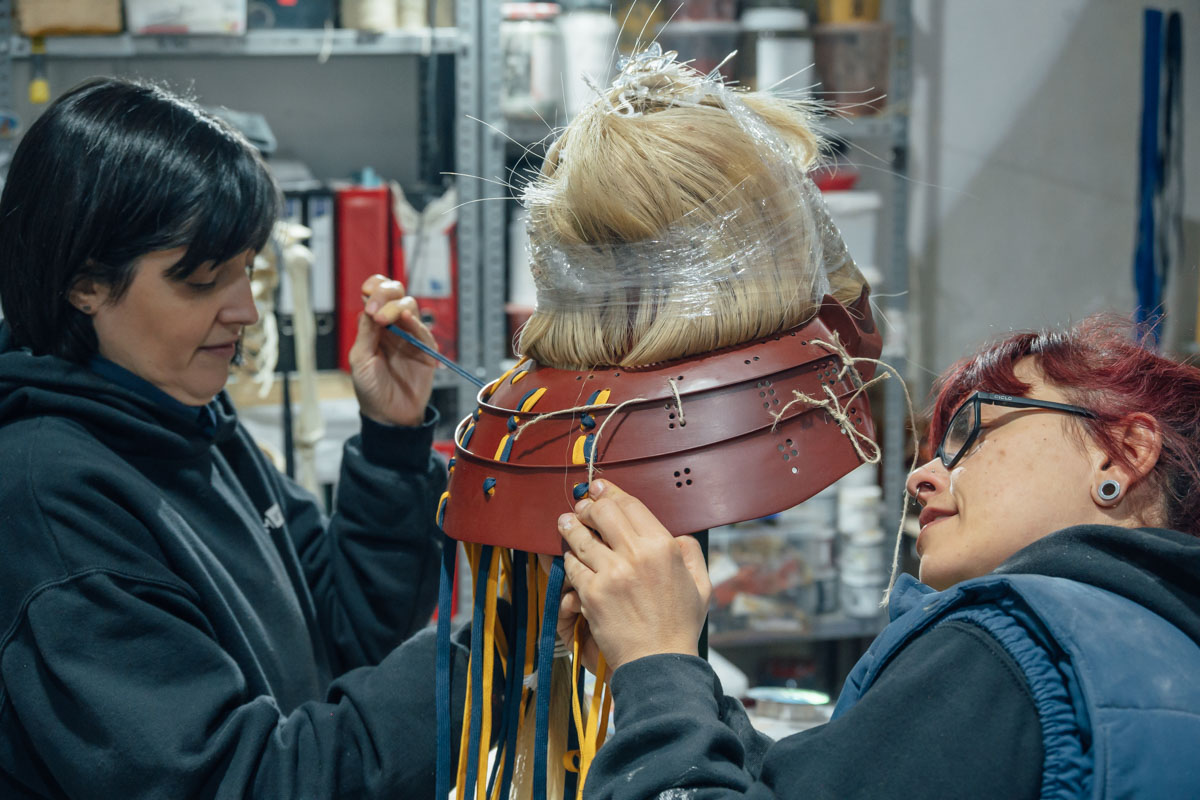
The reproduction of Philip II's kabuto is the result of a complex process based on studying the historical records of the collection and creating a 3D model. This process provided very valuable information about the standard of craftsmanship of sixteenth-century Japanese artisans, as well as key indications on how to reconstruct areas that are no longer visible.

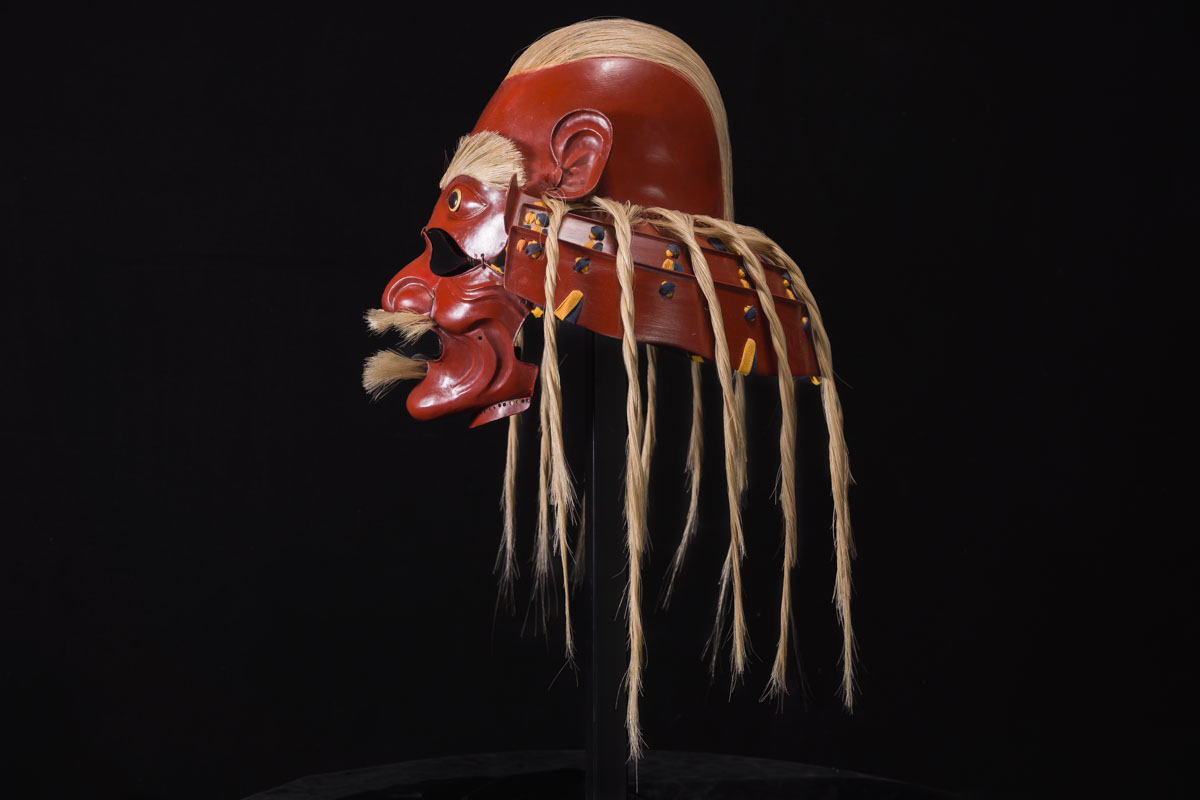
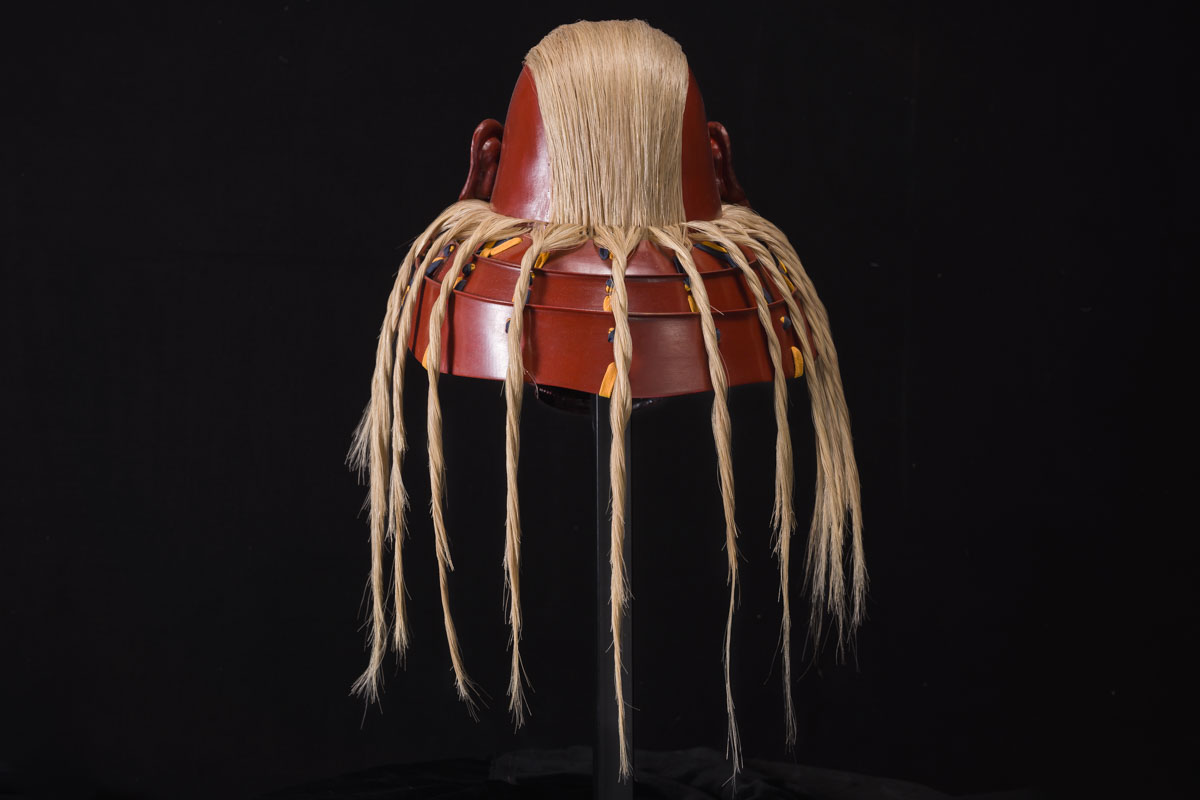
In 1849 the kabuto was described as resembling ‘a shaven head’, with a red lacquered surface, two eyes depicted on the visor and ‘a large bristle tuft’ on the nape of the neck. This description is compatible with the use in some Japanese armour of yak or horse hair, though it differs from the appearance of sealskin referred to by Philip II's armourers who compiled the inventory. All this is consistent with the photographs taken around 1860 by Jean Laurent. However, the 1838 drawing is different in that the crest of the kabuto does not appear to be shaven but has a certain volume. Actually, as was found during the reconstruction process, this would have been an optical illusion caused by the considerable height of the crown of the kabuto, whose tautly pulled hair looks like a crest when viewed from the side, even though in reality it is not.

Given the discrepancies between inventories, it was decided to use horsehair for the crown of the kabuto, undoubtedly the most hypothetical aspect of its reconstruction, although it could have been made of yak hair, pulled taut in the manner of the traditional Japanese hairstyle. This choice was also aesthetically and constructionally coherent with the crest or tuft that surmounted it according to the side view in the 1838 drawing and the presence of animal bristle or hair noted in 1849. This treatment does not seem incompatible with its definition as a shaven head, as suggested by the frontal view in Jean Laurent’s photographs and the remains of possible degraded hairs that can be seen in it.

The 3D model of the original was constructed after taking hundreds of photographs of the object from multiple angles. And its materialisation consisted of a 3D metal print made by selective laser sintering (SLS) of stainless-steel powder. All subsequent work was based on historical sources, employing a completely artisanal process similar to that of its original creators.

Patrimonio Nacional y Ubisoft

To round off this project, the company Ubisoft has included this exclusive piece in the Codex of Assassin's Creed Shadows, making it accessible to players all over the world and helping to preserve and disseminate historical and cultural heritage.
The reconstruction of this kabuto has enabled us to come very close to its original appearance, revealing an object with an extraordinary nature and finish that are difficult to imagine. It is also a good example of how digital technologies are increasingly essential as tools for proposing new reinterpretations of cultural artefacts, as well as for recovering and showcasing a cultural legacy which, in this case, links and is shared by two increasingly interconnected cultures: Eastern and Western.

Multimedia

Authors and Collectors

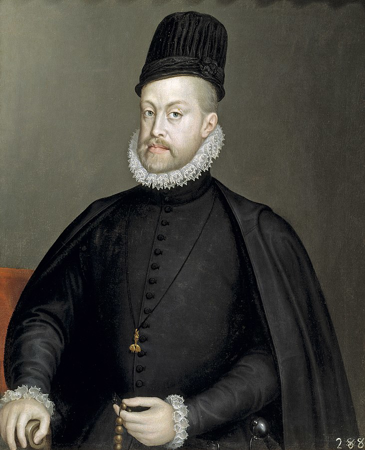
Philip II
Monarch

Philip II

(Valladolid, 1527 - El Escorial (Madrid), 1598)

The eldest son of Charles I of Spain and V, Holy Roman Emperor (1500-1558) and Isabella of Portugal (1503-1539), the future Philip II was educated by his tutor, Juan de Zúñiga, by Cardinal Silíceo, his teacher of elementary education and confessor, and by Juan Ginés de Sepúlveda, who provided his pupil with a humanist education. Prince Philip’s political apprenticeship commenced in 1543, when he first replaced his father, Charles I, as Governor of Spain. In 1548, the heir to the Crown set out on a long tour of northern Italy, Austria, Germany and the Netherlands, thus visiting some of the territories that he would rule over in the future.Married four times, Philip II's wives were María Manuela de Portugal...

Read more

Organised by: Patrimonio Nacional and Ubisoft

Collaborators: Factum Arte Madrid, Way to Blue, Museo Stibbert in Florence

Coordinators: Consuelo Pelegry, Head of Communication Department, Patrimonio Nacional; Pilar Ogando Medeiros, Senior Account Manager, Way to Blue; Álvaro Soler del Campo, Head of the Royal Armoury Department, Patrimonio Nacional ; Eduardo García, Factum Arte.

Acknowledgement: Fernando García, Mónica Sardina, Imran Khan, Laura Lagos, Laura Lucas, Way to Blue; Silvia Álvarez, Almudena Casado and Alfonso Jurado, Factum Arte; Riccardo Franci, curator of the Stibbert Museum Armoury in Florence; Fernando Rodríguez-Piñero Jiménez y Alicia Pérez Bayón, Royal Armoury in Madrid.