Loading...

Casa de los Borbones
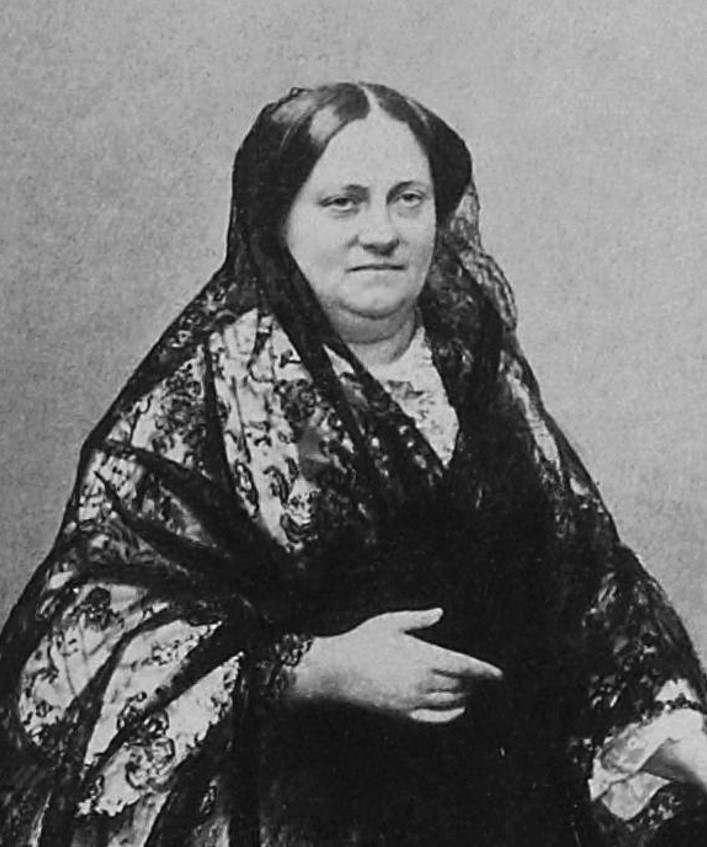
Maria Christina of the Two Sicilies
Palermo, 27 de April de 1806 - Sainte-Adresse (Francia), 22 de August de 1878
View in TimelineBiography
The second of twelve children born to Francis I, King of the Two Sicilies (1777-1830), and the Infanta Maria Isabella of Spain (1789-1848), Maria Christina married Ferdinand VII (1784-1833) on 12th December 1829 in the Church of Our Lady of Atocha in Madrid. The news of the royal wedding was welcomed by Spanish liberals in exile, who hoped that the new Queen would ameliorate the King’s government policies. By contrast, she received a cooler reception from the ultra-Royalists who supported the absolutist regime in Spain and were grouped around the Infante Carlos María Isidro (1788-1855), then heir to the Crown. The King and Queen had two daughters: the Infanta María Isabel Luisa (1830-1904), the future Isabella II, and Infanta María Luisa Fernanda (1832-1897), Duchess of Montpensier by marriage to Antoine of Orléans (1824-1890). The arrival of a second Infanta led Ferdinand VII to repeal the semi-Salic law that prevented women from ascending to the Spanish throne, thereby facilitating the swearing-in of his eldest daughter Isabella, as Princess of Asturias on 30th June 1833, before the Spanish Parliament.
Following the King's death on 29th September of the same year, his widow was appointed Regent during Isabella II's minority. Maria Christina’s regency was marked by instability and political changes. The refusal of Carlos María Isidro and his supporters, the former ultra-Royalists now known as the Carlists, to acknowledge Isabella II as the legitimate Queen triggered a civil war that lasted for more than seven years. At the same time, together with politicians such as Francisco Martínez de la Rosa and Juan Álvarez Mendizábal, the Regent sought to establish a liberal regime and the first constitutional government in Spain. The Regent's political disagreements with General Espartero and the members of the progressive party, together with the revolutionary uprisings that began to spread throughout the country, led Maria Christina to renounce the Regency on 12th October 1840.
Having settled in France with her second husband, the former bodyguard Fernando Muñoz, whom she married in secret on 28th December 1833 and with whom she had eight children, Maria Christina of the Two Sicilies was able to return to Spain after Isabella II came of age. However, the Queen Mother's connections to the moderate party forced her to leave the country after the Revolution of 1854, when the progressives regained power. She then settled permanently in France, where she died in Sainte-Adresse (Seine-Maritime) on 22nd August 1878.
Maria Christina is buried next to her first husband, Ferdinand VII, in the Pantheon of Kings and Queens in the Monastery of El Escorial.
Source: Royal Academy of History (https://www.rah.es)