Loading...

Casa de los Borbones
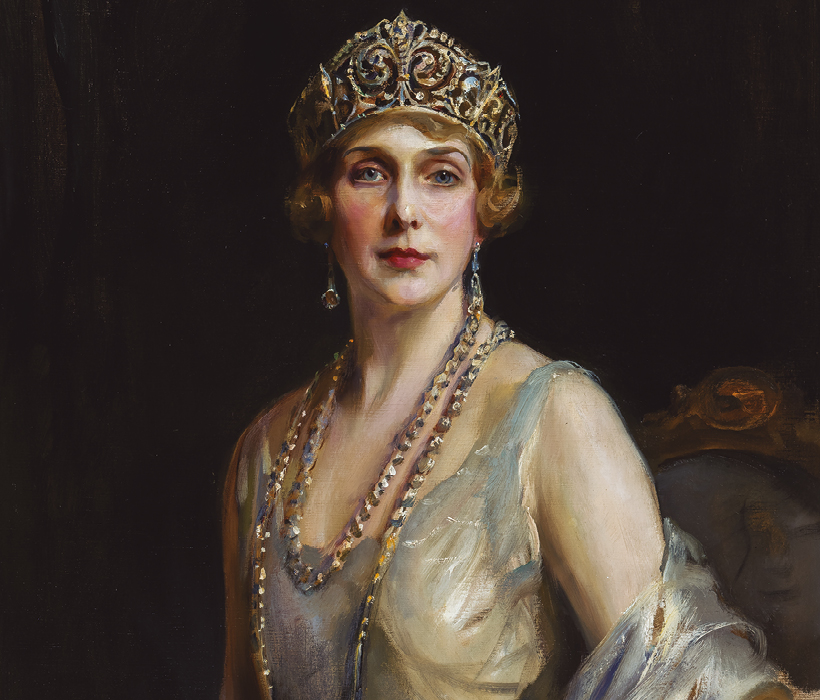
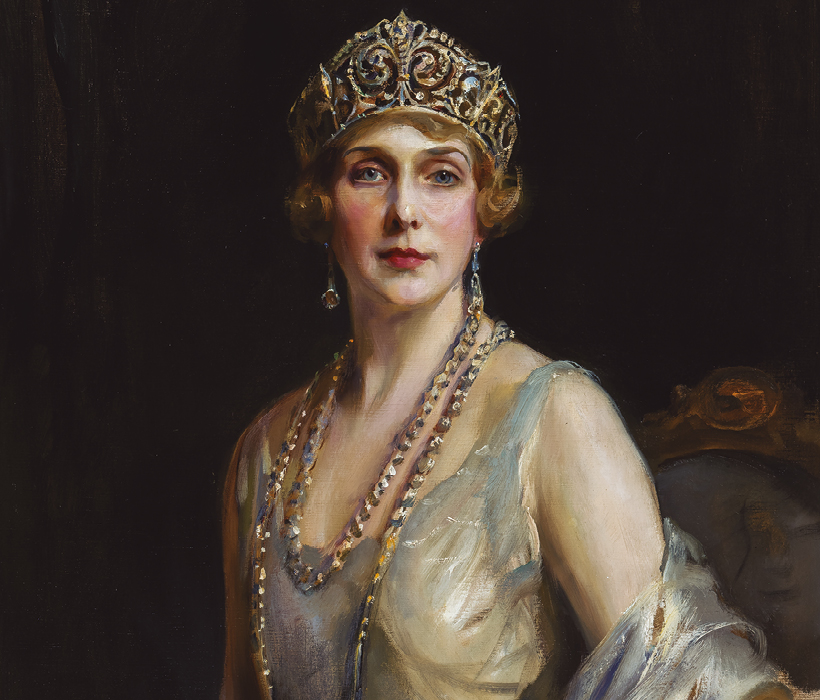
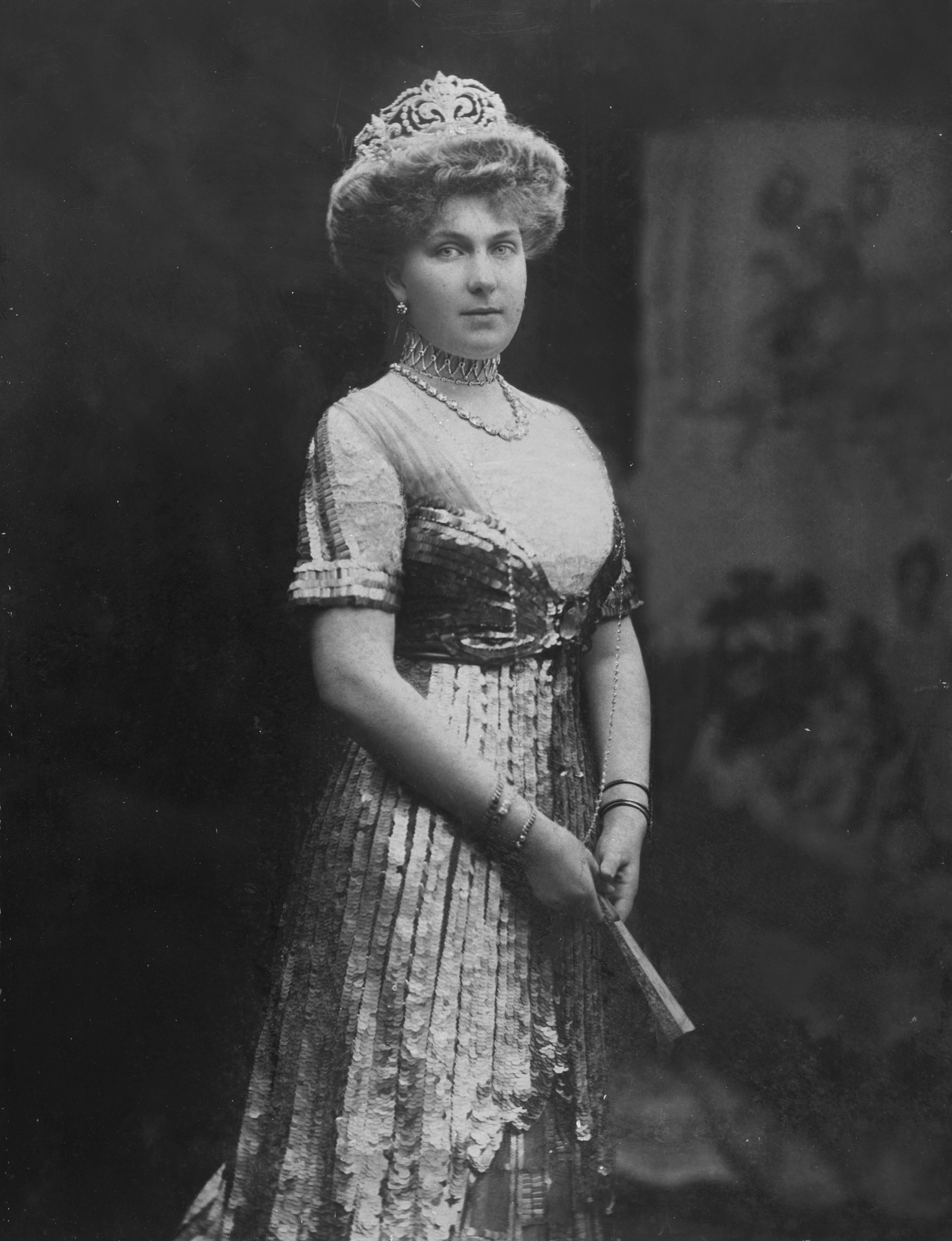
Victoria Eugenie of Battenberg
Castillo de Balmoral (Reino Unido), 24 de October de 1887 - Lausana (Suiza), 15 de April de 1969
View in TimelineBiography
The second of four children born to Prince Henry of Battenberg (1858-1896) and Princess Beatrice of the United Kingdom (1857-1944), Victoria Eugenie of Battenberg was the youngest granddaughter of Queen Victoria I of England (1819-1901). She was educated at the British court during the last years of her grandmother’s reign. Called Ena by her family, after the last of her baptismal names, she met Alfonso XIII (1886-1941) during his state visit to England in June 1905. Months later, her engagement to the King was officially announced in January 1906. Shortly before the wedding, Victoria Eugenie of Battenberg renounced her Anglican faith and converted to Catholicism. The royal wedding was celebrated at the Church of San Jerónimo in Madrid on 31st May 1906. That same day, the King and Queen were attacked while on their way back to the Palace in an open carriage. Although both were unharmed, the bomb hurled from a balcony in the Calle Mayor by the anarchist Mateo Morral killed twenty-five people and wounded a hundred others. Alfonso XIII and Victoria Eugenie had six children: Prince Alfonso (1907-1938) and the Infante Jaime (1908-1975), who renounced their succession rights in 1933; the Infanta Beatriz (1909-2002), Princess of Civitella-Cesi by marriage to Alessandro Torlonia, 5th Prince of Civitella-Cesi (1935-1986); the Infanta Maria Cristina (1911-1996), Countess Marone-Cinzano by marriage to Enrico Marone-Cinzano, 1st Count Marone; the Infante Juan (1913-1993), Count of Barcelona and his father’s successor as head of the Spanish Royal House, and the Infante Gonzalo (1914-1934). Both Gonzalo and his elder brother, Prince Alfonso were born with haemophilia, a disease passed down through the Queen's family. The Infante Jaime suffered from hearing loss as a result of a badly operated mastoiditis during his childhood.
After she settled at in the Royal Palace of Madrid, Victoria Eugenie of Battenberg relaxed the customs and protocol prevailing at the Spanish court during the Regency of Maria Christina of Austria. Staying away from politics, the Queen devoted much of her public activity in Spain to charitable and welfare work, such as the reorganisation of the Spanish Red Cross and the Anti-Tuberculosis League, and the creation of a School for Nurses and the League against Cancer. After the proclamation of the Republic on 14th April 1931, Victoria Eugenie of Battenberg lived in London, Rome and Lausanne (Switzerland), where she settled after the outbreak of World War II. She briefly returned to Madrid in 1968 for the baptism of her godson Felipe, the current King of Spain.
The Queen died on 15th April 1969 in Lausanne. Her remains are buried in the Pantheon of Kings and Queens in the Monastery of El Escorial.
Source: Royal Academy of History (https://www.rah.es)