Loading...

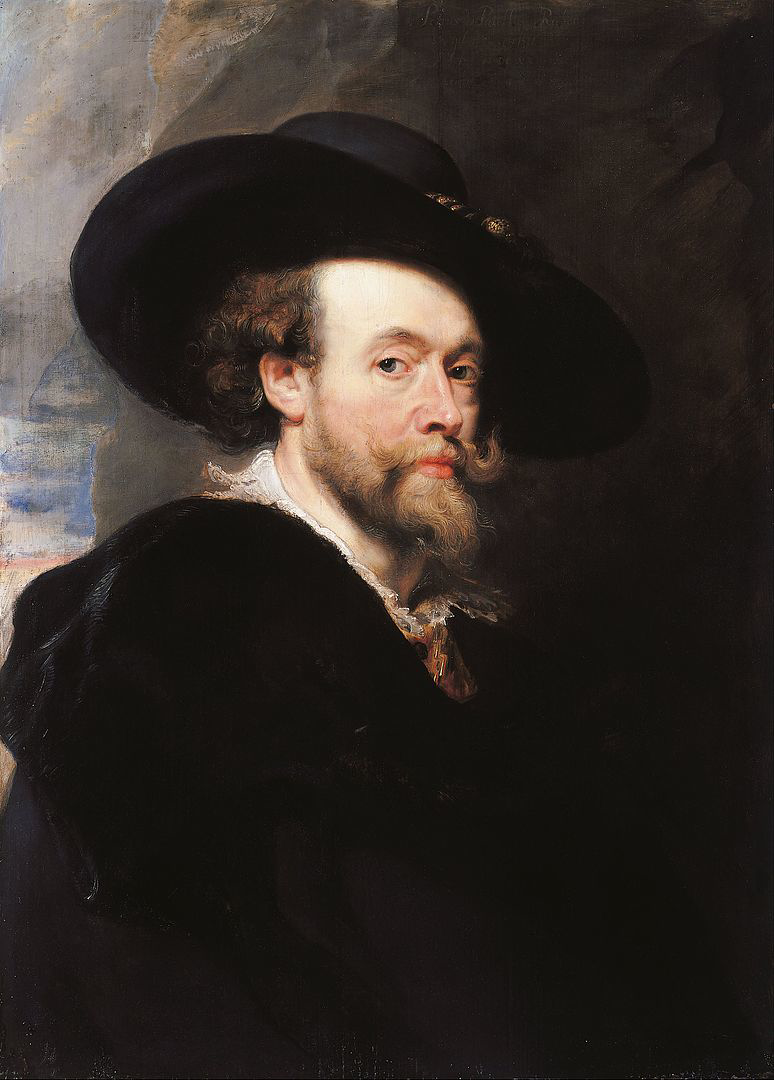
Rubens, Peter Paul
(Siegen (Germany), 1577 - Antwerp (Netherlands), 1640)
Peter Paul Rubens (Siegen, Holy Roman Empire, present-day Germany, 28th June 1577 - Antwerp, Duchy of Brabant, Habsburg Netherlands, present-day Belgium, 30th May 1640), also known as Peter Paul Rubens, Pieter Paul, Pieter Pauwel or Petrus Paulus, was a Flemish Baroque painter. His exuberant style emphasised dynamism, colour and sensuality. His main influences were Ancient Greek and Roman art and the Italian Renaissance painters, especially Leonardo da Vinci; Michelangelo, whose depiction of anatomy he admired; and above all Titian, whom he considered his master and of whom he stated that "with him, painting has found its essence".
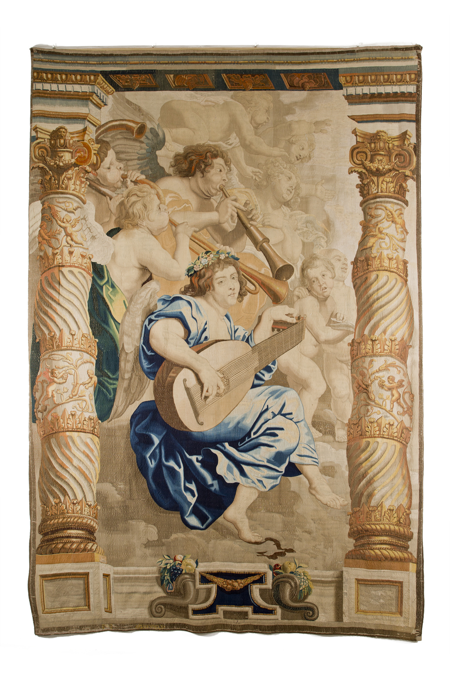
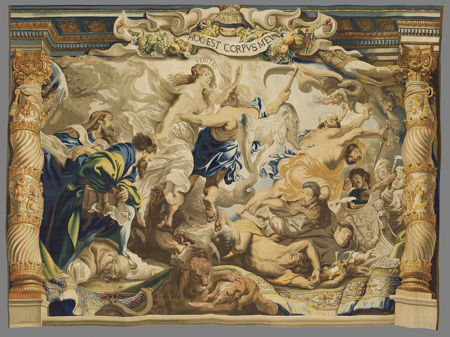
He painted a wide variety of subjects: religious and historical scenes, classical mythology, hunting scenes, landscapes, portraits, as well as drawings, illustrations for books and designs for tapestries (The Decius Mus Cycle, The History of Constantine, The Triumph of the Eucharist and The Life of Achilles). Around 1,500 of his paintings have made it to the present day. This considerable output was made possible by the size of his workshop, both in terms of assistants and dimensions, where they appear to have worked in a sequence. His pupils or assistants include: Jacob Jordaens, Gaspar de Crayer, Theodoor van Thulden, Erasmus Quellinus the Younger, Cornelis de Vos and Anthony van Dyck, their task being to complete several commissions for the Spanish Court in Madrid. Almost nine thousand drawings by his hand are known to date.
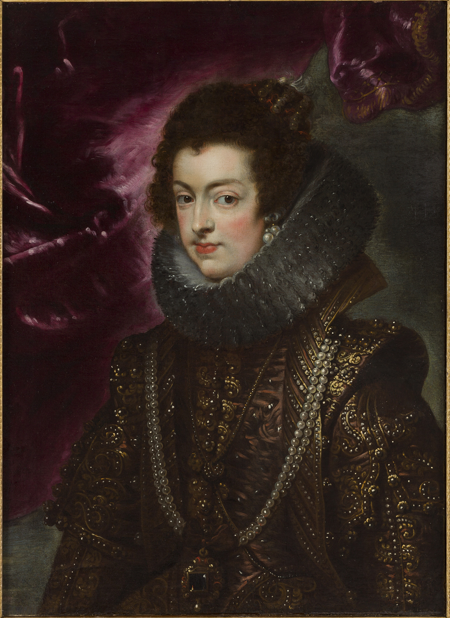
He was the favourite painter of Philip IV of Spain, who was also his main client, having commissioned dozens of works from him to decorate his palaces. He was also the largest buyer of the artist’s estate auctioned off after the latter’s death. Consequently, the biggest collection of Ruben’s works is housed today at the Prado Museum, consisting of some ninety paintings (the precise number varies according to sources as the authorship of some of the works is disputed). Most of these works are a part of the Royal Collection. Other museums with outstanding examples of his art include the Royal Museum of Fine Arts in Antwerp (Koninklijk Museum voor Schone Kunsten Antwerpen), the National Gallery in London, the Alte Pinakothek in Munich and the Museum of Art History in Vienna.
He had a thorough humanist education and was always deeply interested in Classical Antiquity. “I am convinced that to achieve the greatest perfection in painting, it is necessary to understand the ancients”, he declared. He was fluent in several languages, including Latin, and became a diplomat at various European courts. He was knighted by both Philip IV of Spain and Charles I of England. The painter Eugène Delacroix, also a great admirer of his, called him the "Homer of painting", a soubriquet that has endured to this day.
Source: Wikipedia
View on Wikipedia
View in timeline