
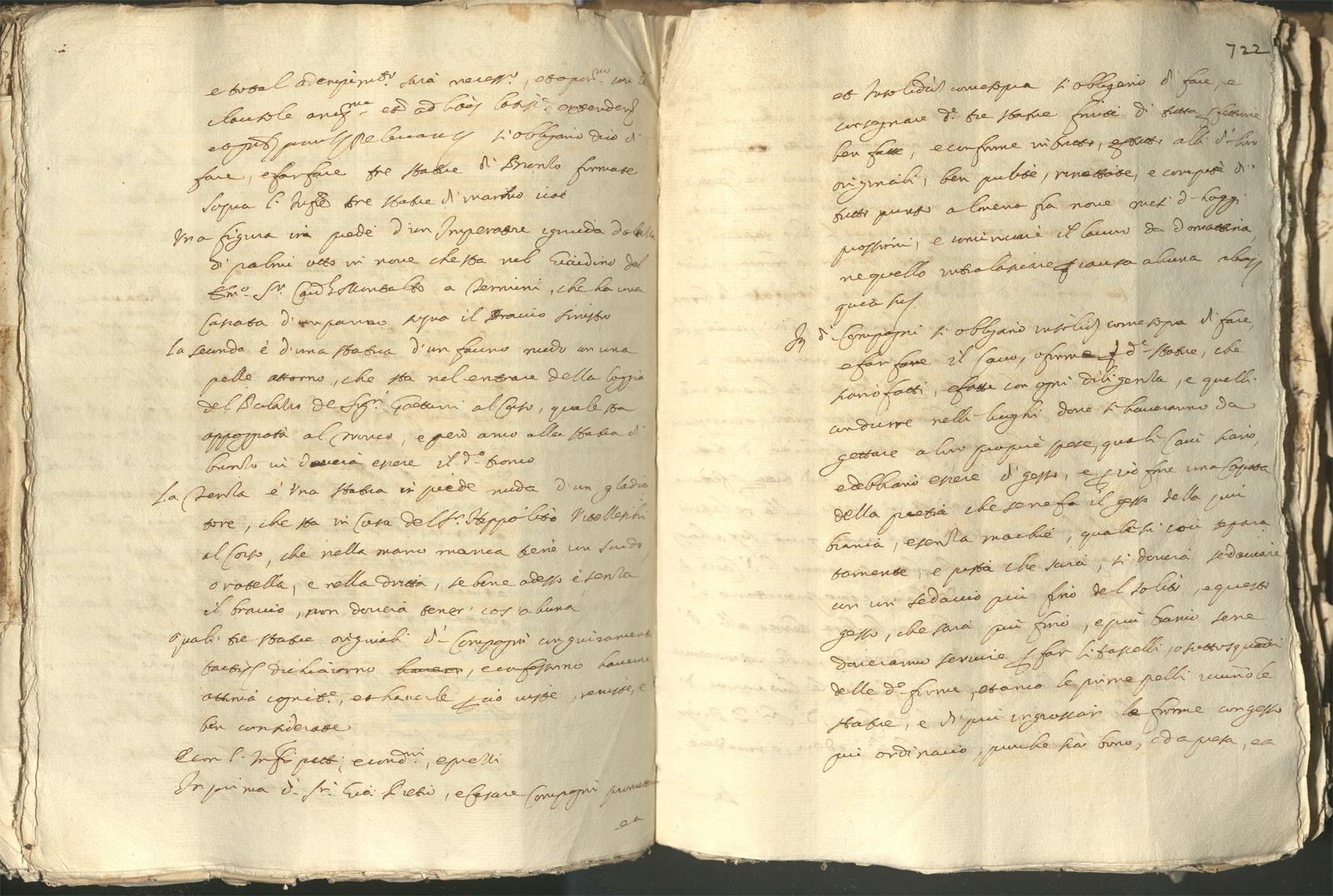
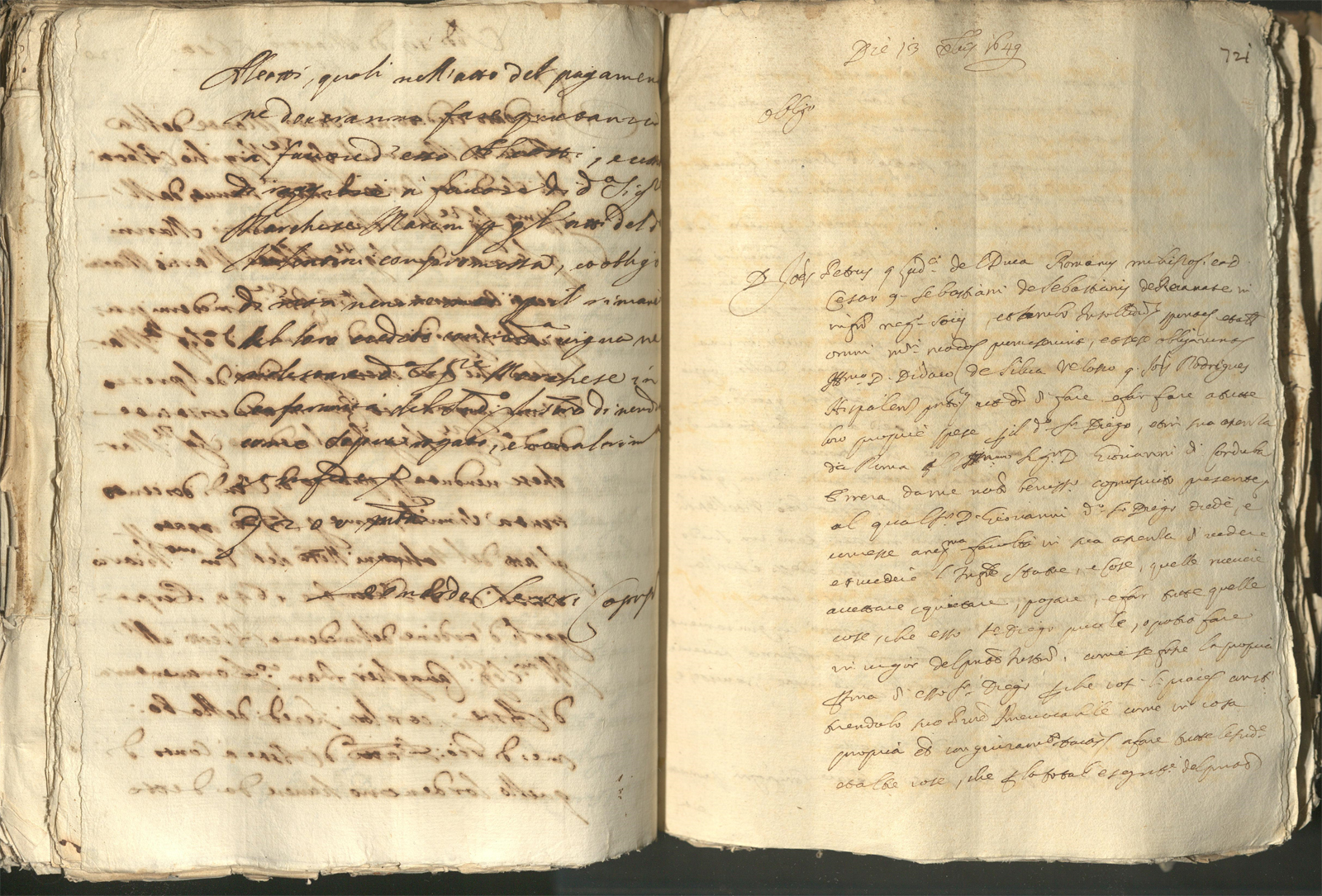
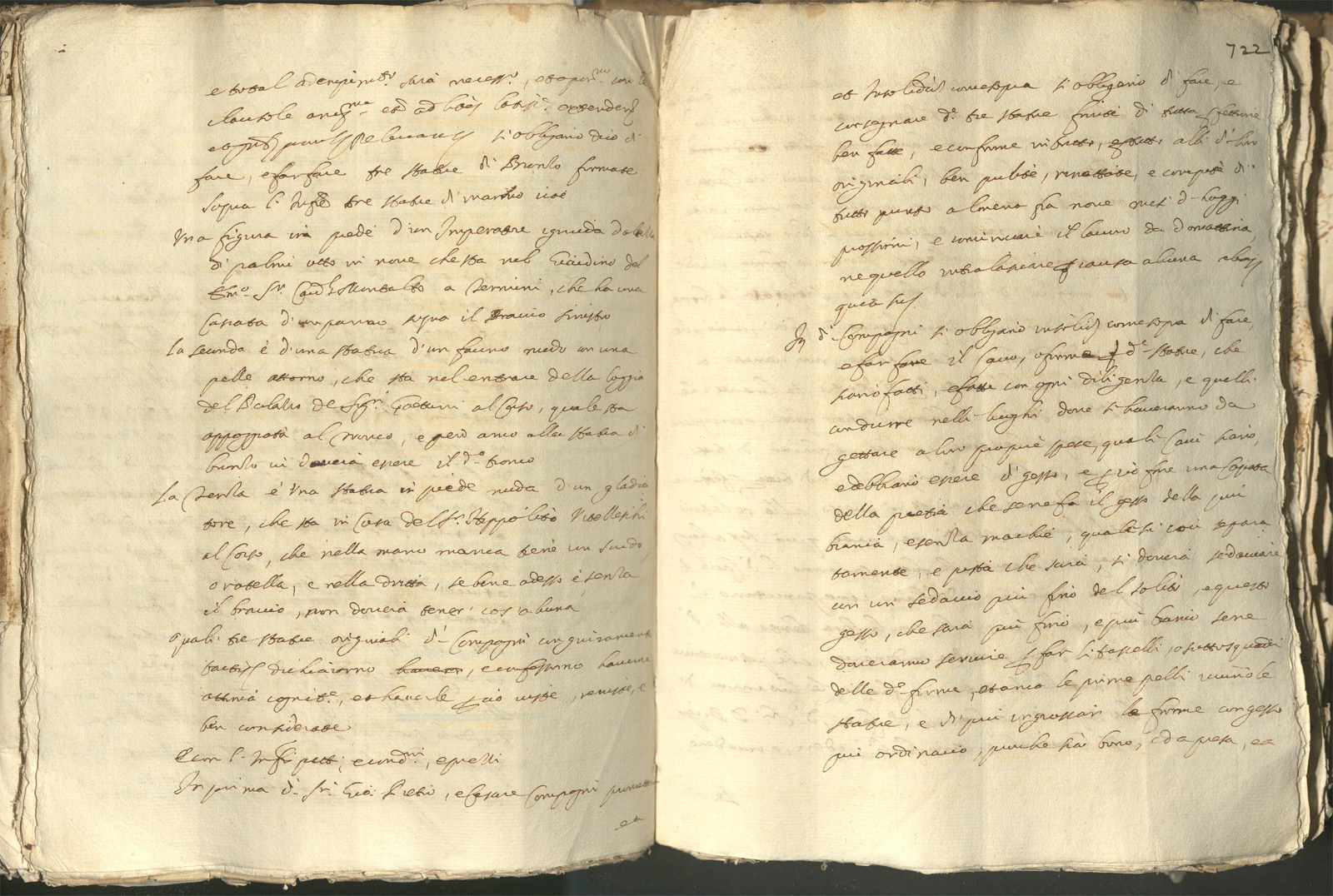
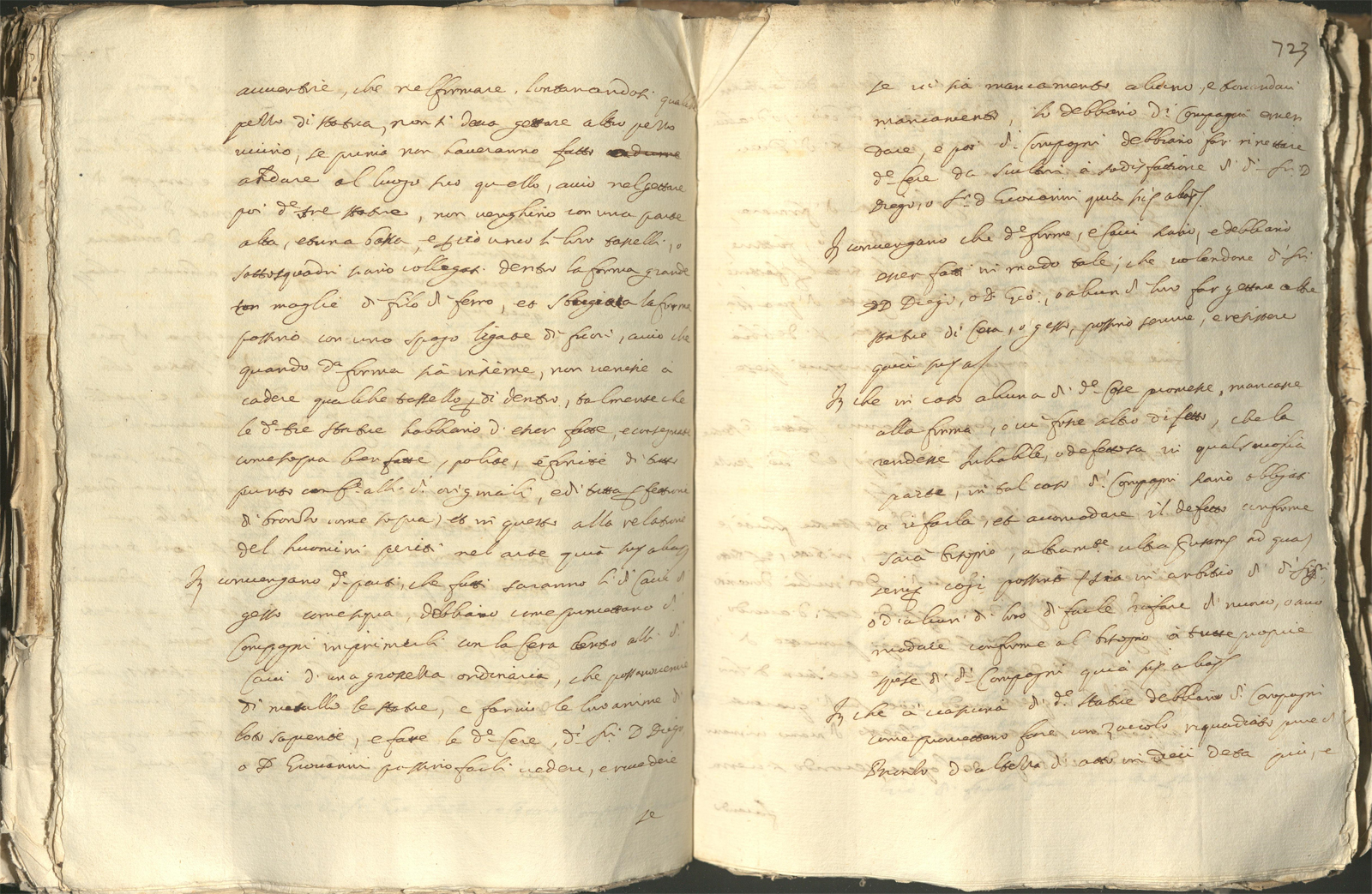
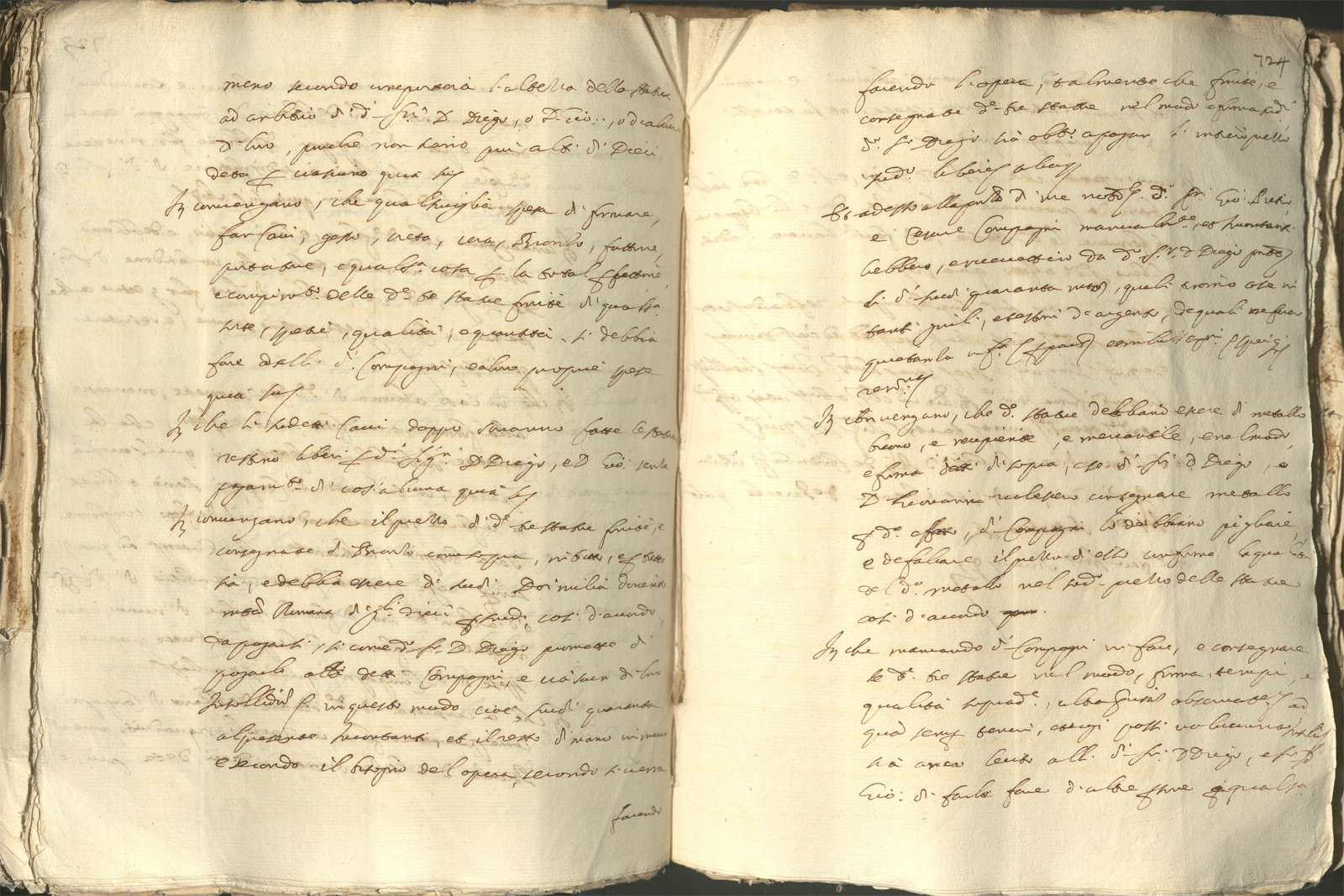
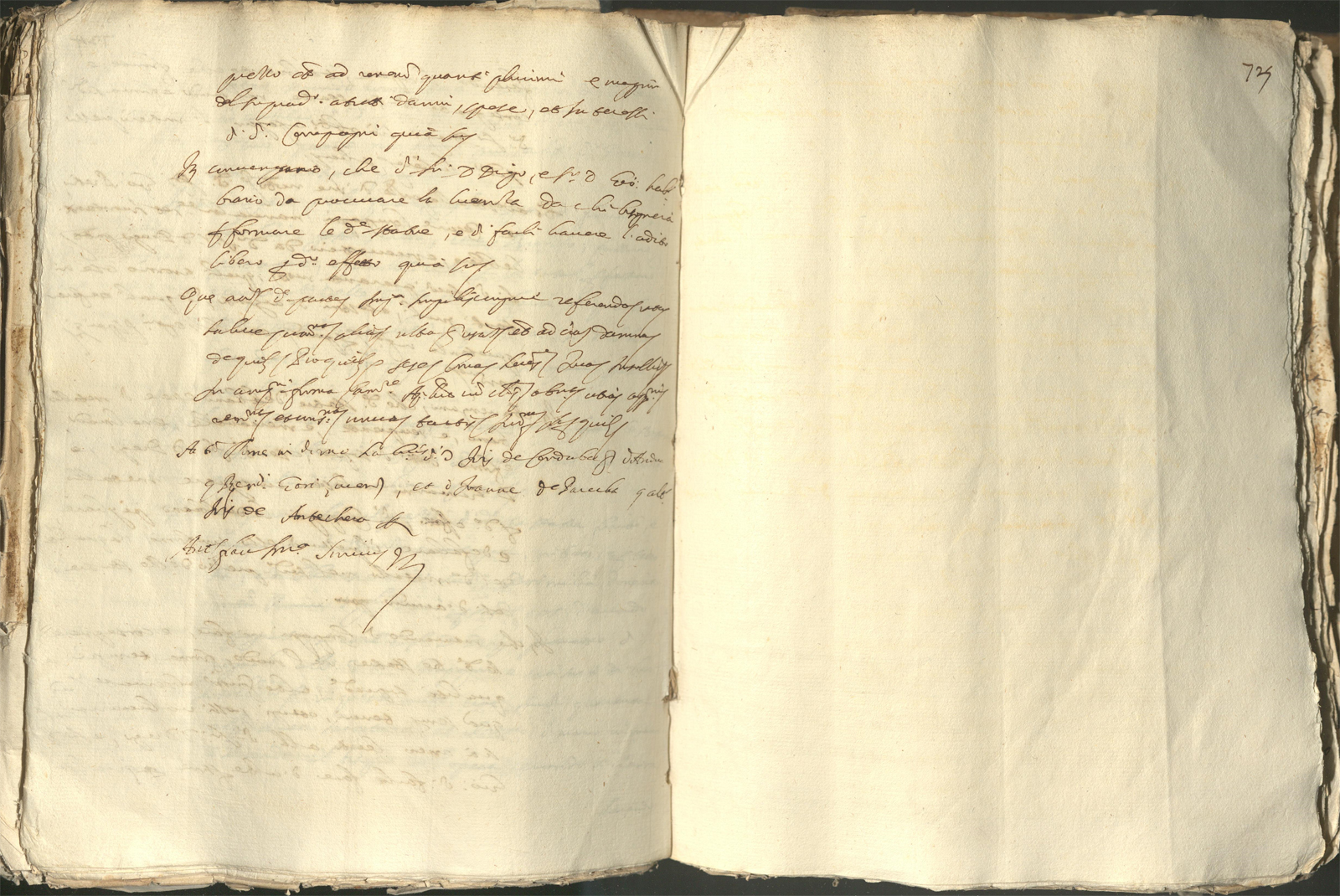
, a descendant of Pope Sixtus V (1521\\u20131590), was housed in the family\\u2019s Peretti-Montalto (or Casino Felice) and Termini (or alle Terme) villas. These residences were located in the Monti district, on the slopes of the Esquiline and Viminal hills, an area occupied by the gardens of Maecenas and the baths of Diocletian in ancient times. The sculpture of which Vel\\u00E1zquez was to have a cast made had stood in the front part of the gardens of the Casino Felice since 1594 and was thought to be a portrait of the emperor Augustus. \\u0026nbsp;\\u003Cbr\\u003EIn the late 1600s it began to be referred to as \\u003Cem\\u003EGermanicus\\u003C/em\\u003E, but also as \\u003Cem\\u003EBrutus \\u003C/em\\u003Eor \\u003Cem\\u003EOrator\\u003C/em\\u003E. It is now identified as Cleomenes\\u2019s model of \\u003Cem\\u003EMarcellus\\u003C/em\\u003E. The original sculpture, acquired by Louis XIV in 1685, is in the\\u0026nbsp;\\u003Ca href=\\u0022https://collections.louvre.fr/en/ark:/53355/cl010275364\\u0022 target=\\u0022_blank\\u0022\\u003EMus\\u00E9e du Louvre\\u003C/a\\u003E.\\u003C/p\\u003E\u0022","location":"Royal Palace in Madrid. Throne Room","year":"1650","pos":"0"}))
, had purchased the palazzo on the Via del Corso from the Rucellai in 1629 and exhibited their impressive collection of antiquities on the main floor. The Faun was accompanied by two other figures with the same iconography, also in the style of Praxiteles. According to references from the period, all three were considered to be among the finest pieces in the collection.\\u0026nbsp;\\u003Cbr\\u003EIn the eighteenth century the palazzo and the collection passed to Francesco Maria Ruspoli. Several of the sculptures, including that of the Caetani Satyr, were acquired in 1810 for the future Ludwig I of Bavaria through the painter and sculptor Johann Martin von Wagner to be housed in the Glyptothek in Munich.\\u003Cbr\\u003EThe young satyr is shown resting with his right arm leaning on a trunk, the other arm on his left hip, and crossed legs. A feline skin is fastened with a knot on his right shoulder and draped across his torso to the opposite side, where the animal\\u2019s tail hangs down his leg as far as the ankle. On the trunk are a set of panpipes and a \\u003Cem\\u003Epedum \\u003C/em\\u003Eor \\u003Cem\\u003Elagobolon\\u003C/em\\u003E, a stick with which fauns struck hares.\\u003C/p\\u003E\u0022","location":"Royal Palace of Madrid. Throne Room","year":"1651","pos":"1"}))
 was the papal chamberlain and was in charge of the Vatican library. His father had acquired the palazzo on the Via del Corso, where he kept a collection of more than three hundred sculptures that was described by several travellers over the course of the seventeenth century. Charles I of England had attempted to purchase it. The \\u003Cem\\u003EDiscophoros \\u003C/em\\u003Eor \\u003Cem\\u003EAthlete\\u0026nbsp;\\u003C/em\\u003E\\u003Cem\\u003Ewith\\u003C/em\\u003E\\u003Cem\\u003E a Discus\\u003C/em\\u003E was thought to be a gladiator and was displayed in the first-floor gallery of the residence without its right arm and head. Del Duca and Sebastiani added both parts when the cast was made.\\u0026nbsp;\\u003Cbr\\u003EThe original, a copy of Naukydes\\u2019s statue, is currently in the Liebieghaus museum in Frankfurt.\\u0026nbsp;\\u003C/p\\u003E\u0022","location":"Royal Palace of Madrid","year":"1651","pos":"2"}))
; Ercole Ferrata (model)","desc":"\u0022\\u003Cp style=\\u0022text-align: justify\\u0022\\u003ETwo copies of the group with the goddess Cybele were cast, and the same is true of the Jupiter and Juno andirons, the first to be completed. When Algardi modelled Cybele in terracotta shortly befare his death, he placed a chariot drawn by lions on the base instead of the deified figures used on the bases of Jupiter and Juno. Both identical Cybele sculpture groups are currently in the custody of Patrimonio Nacional. The composition is skilfully rendered, and the lions\\u0027 surface is carefully chiselled, with fine grooves and voluminous manes. The goddess is an ornately dressed, highly dynamic figure in motion that invites leisurely contemplation.\\u003C/p\\u003E\u0022","location":"Royal Collections Gallery","year":"1655-1656","pos":"3"}))
; Ercole Ferrata (model)","desc":"\u0022\\u003Cp style=\\u0022text-align: justify\\u0022\\u003EBetween 1649 and 1651, Vel\\u00E1zquez ordered several sculptures to redecorate the Madrid Alc\\u00E1zar while in Rome. One of the most difficult tasks was the commission of four pairs of andirons or fireplace ornaments, whose themes were the four elements -water, earth, fire and air-personified by Neptune, Cybele, Jupiter and Juno. Algardi began to work on these andirons in about 1653, creating preliminary sketches and a few terracotta models, but he died the following year and his disciples had to finish the job. These pieces were intended for the Alc\\u00E1zar\\u0027s Hall of Mirrors, the most representative room in what was then the primary royal residence. However, they did not end up there, as seven of them were installed on the Fountain of Neptune in the lsland Garden at Aranjuez.\\u003C/p\\u003E\u0022","location":"Royal Collections Gallery","year":"1655-1656","pos":"4"}))
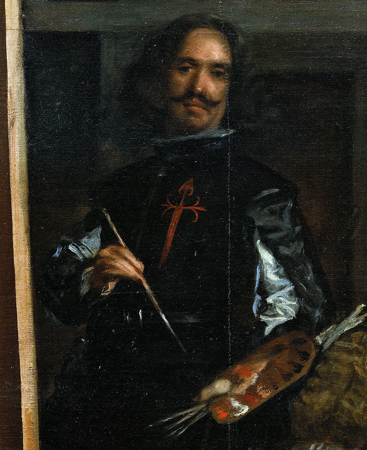
The Author
Read more
Velázquez, Diego
(Sevilla, 1599 - Madrid, 1660)
Rodríguez de Silva y Velázquez, Diego. Velázquez. Sevilla, 6.VI.1599 baut. – Madrid, 6.VIII.1660. Pintor.Nacido en Sevilla, de familia paterna de origen portugués (Rodríguez de Silva) y materna sevillana (Velázquez), fue bautizado el 6 de junio de 1599. Su padre era notario eclesiástico del Cabildo de Sevilla, circunstancia que le propició, desde su infancia, una temprana familiaridad con los libros y con personas de cultura.En 1609, apenas cumplidos los diez años, pasó algunos meses en el obrador de Francisco de Herrera el Viejo.El mal carácter del maestro le alejó pronto de su taller y el 17 de septiembre de 1611 formalizó contrato de aprendizaje con Francisco Pacheco, comprometiéndose a permanecer...