Use of Cookies

The Royal Collections Gallery uses its own and third-party cookies, mainly for technical purposes, which are necessary to provide our services and provide you with relevant content. More information in our cookies policy. Cookies Policy.

ACCEPT to confirm that you have read the information and accepted their installation. You can change your browser settings.

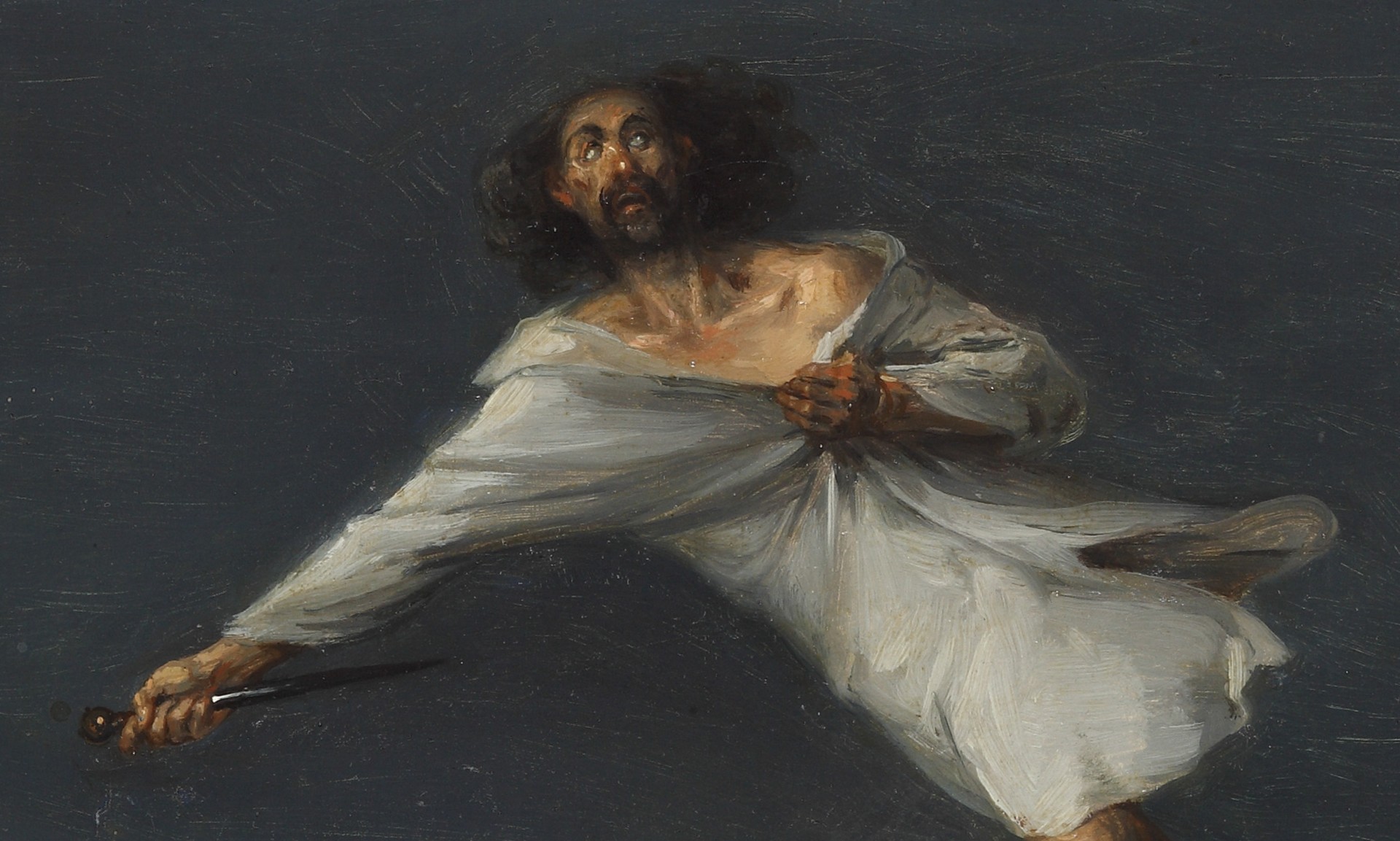
The National Museum of Romanticism joins the “Guest Work” program with a selection of works related to the Romantic movement, which help broaden and enrich our perspective on the pieces from this period featured in the Gallery’s permanent exhibition. Through this dialogue between collections, the exhibition evokes some of the ideas, sensibilities, and ways of understanding art that defined Romanticism in Spain.

Romanticism

Romanticism was a cultural movement that developed in Europe during the first half of the nineteenth century. It championed individual freedom and subjectivity, heightened feelings, and a new conception of nature. It reached Spain relatively late, following the death of Ferdinand VII in 1833, when intellectuals who had been in exile returned, bringing these new ideas with them. This coincided chronologically with the reign of Isabella II (1833–68).
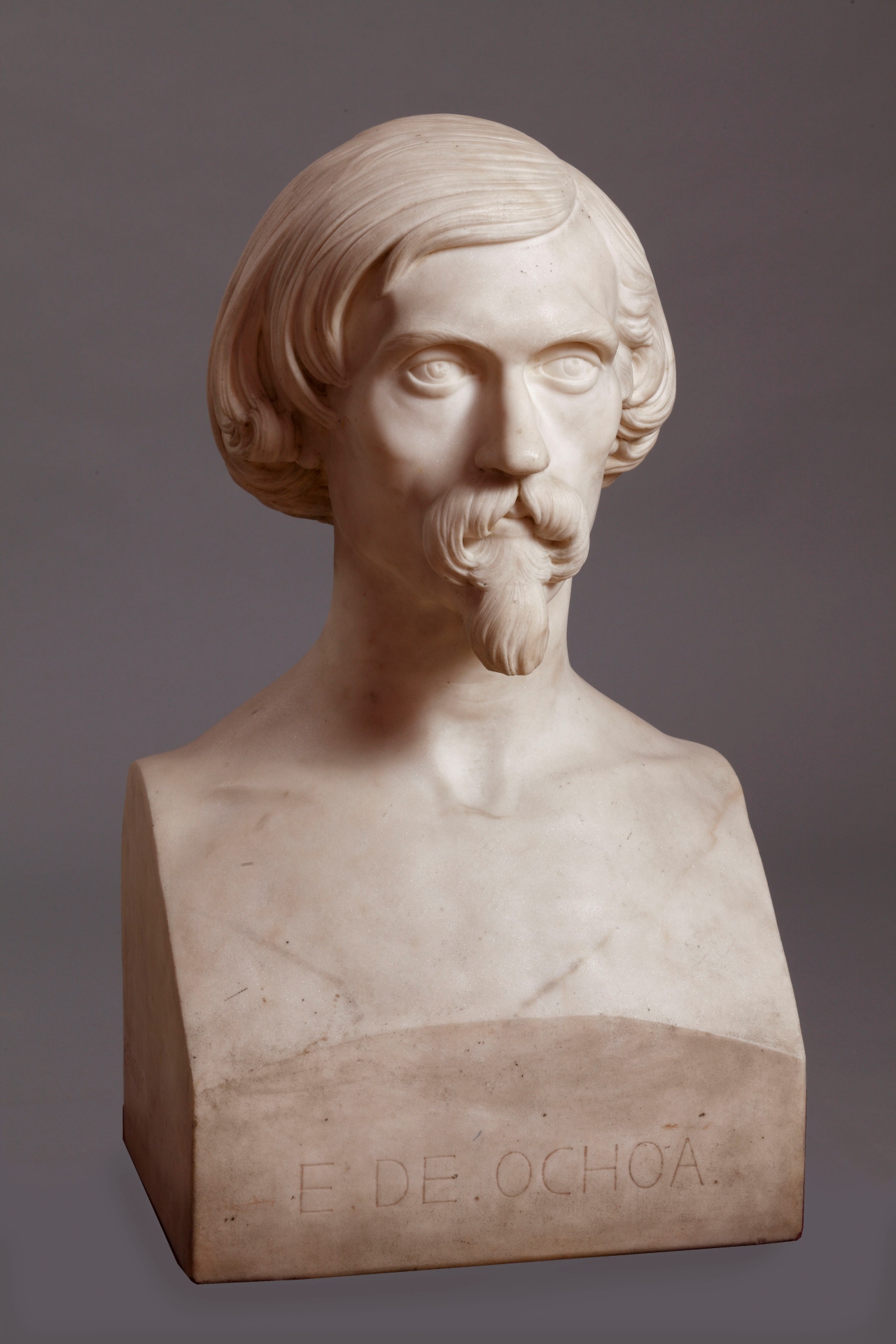
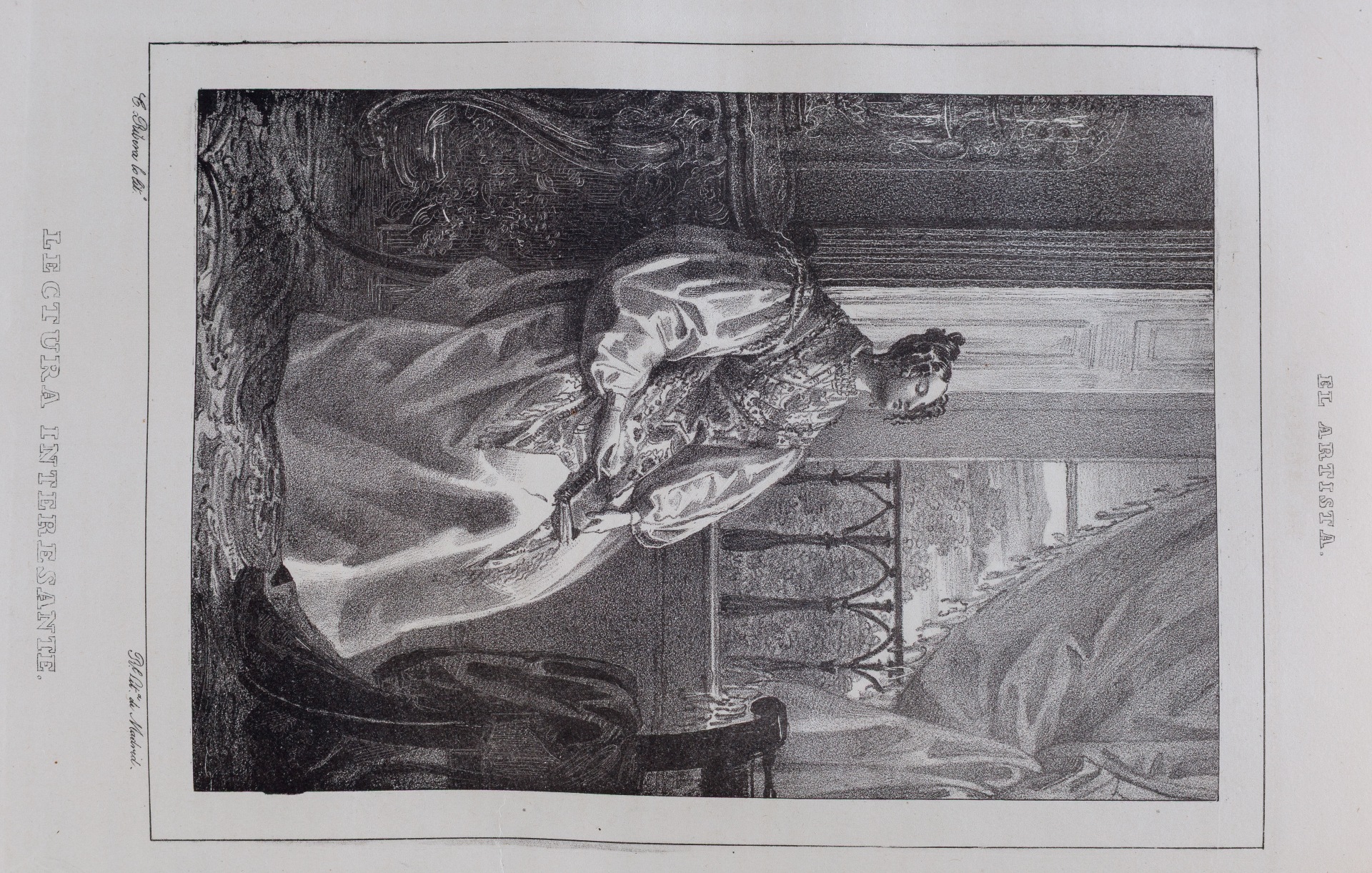
Romanticism had a significant impact on literature, through which it was primarily introduced. Don Álvaro o la fuerza del sino [Don Álvaro or the Force of Destiny], written by the Duke of Rivas (1791–1865) and premiered in 1835, is considered the first fully Romantic play. The texts published in the magazine El Artista, together with their carefully crafted lithographic illustrations, also served as a vehicle for spreading Romantic ideals. This short-lived publication was founded by the writer Eugenio de Ochoa (1815–1872) and the painter Federico de Madrazo (1815–1894), who had lived in Paris, where they came into contact with the new artistic movements and the magazine L’Artiste, which inspired them to create their own. It featured biographical sketches of illustrious Spaniards, descriptions of monuments, the discourses on the fine arts and tales of dark and mysterious settings with accompanying illustrations by renowned artists such as Carlos Luis de Ribera (1815–1891), Pharamond Blanchard (1805–1873) and Federico de Madrazo himself.
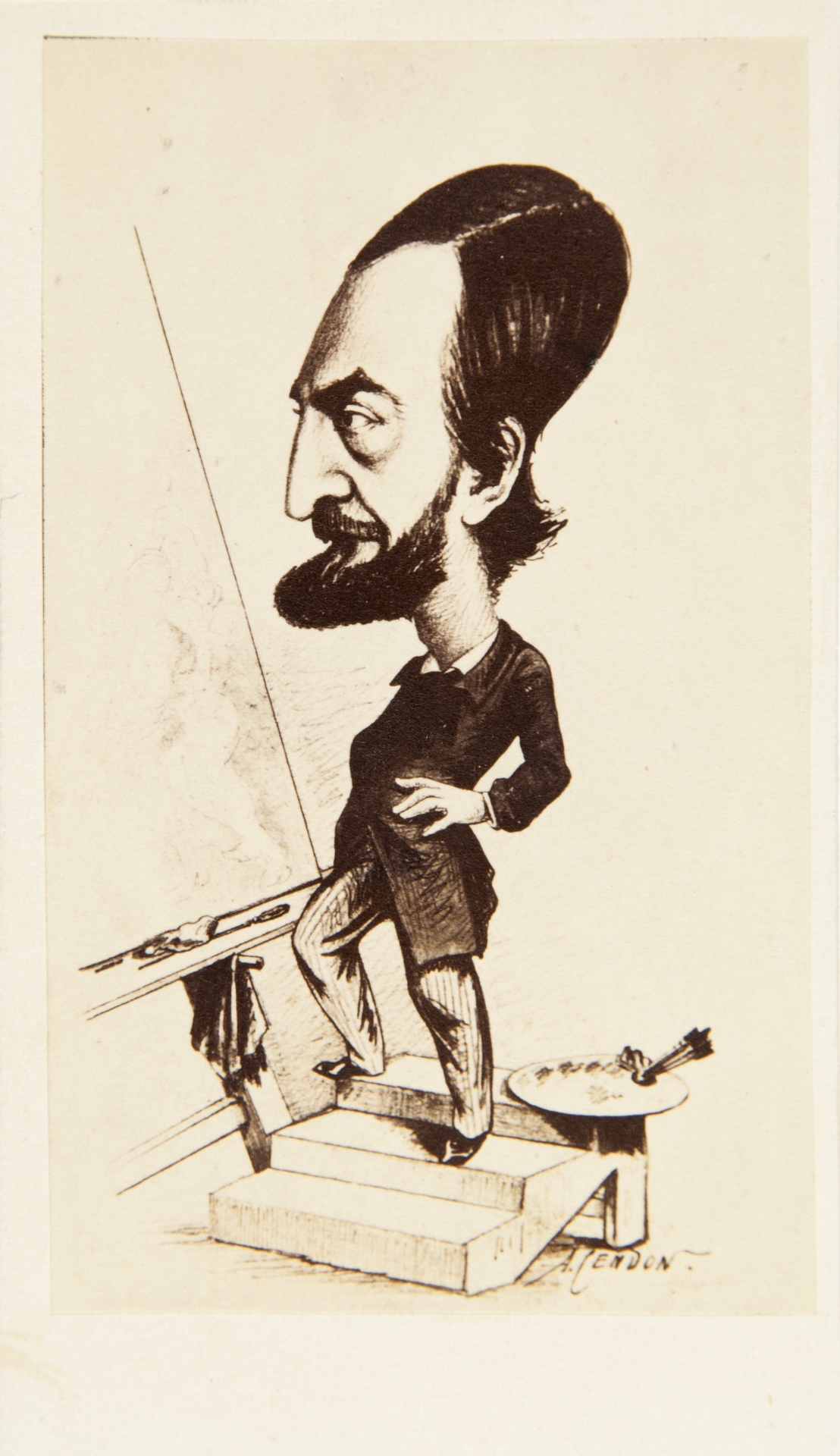
Far from being confined to literature and painting, Romanticism influenced all the arts – music, theatre and dance – and permeated all aspects of social life, both public and private. Similarly, Romantic ideals were reflected in fashion and physical appearance. Pale youths with dreamy gazes and tragic destinies came to considered desirable.

A new artist

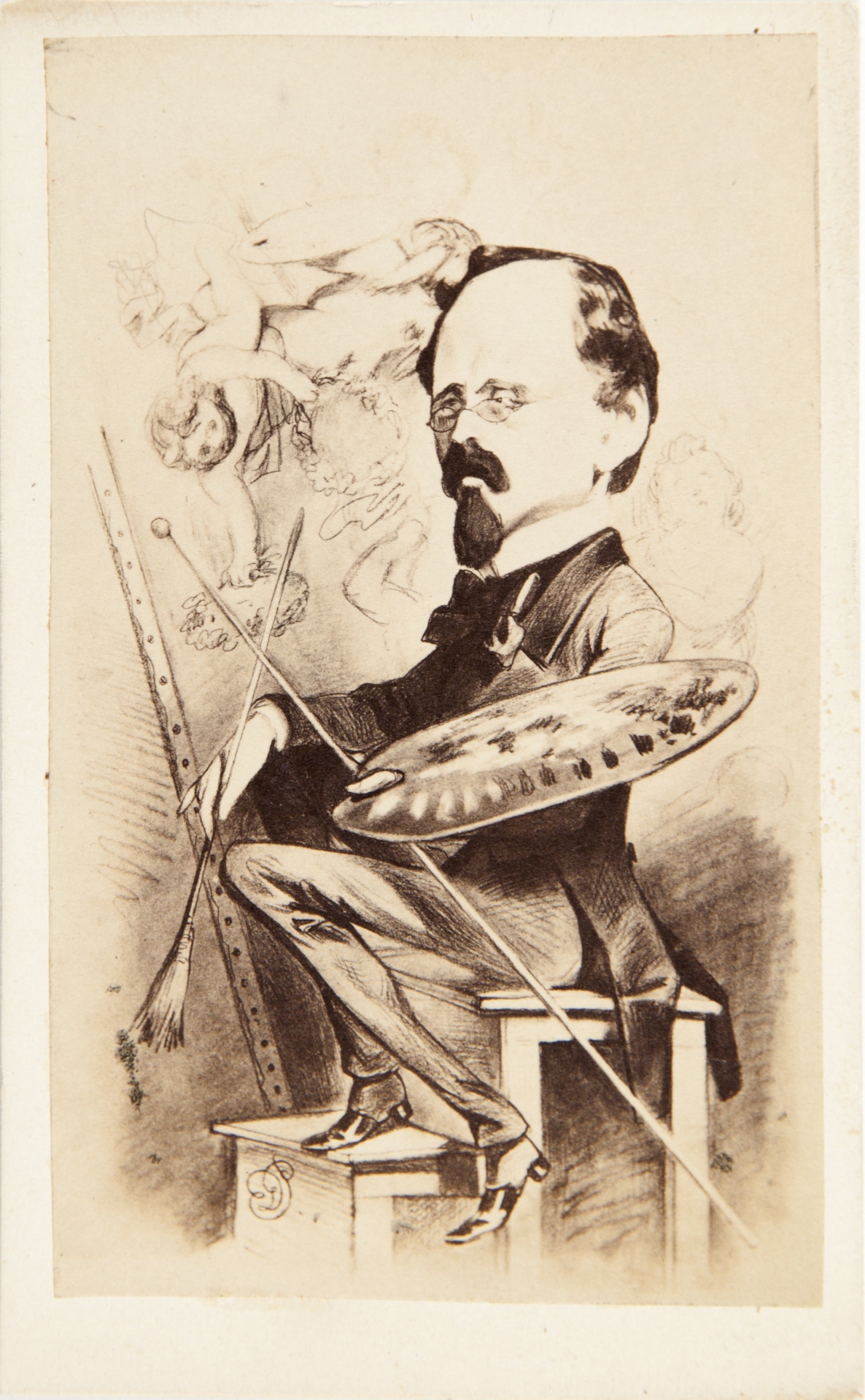
During the Romantic period, a new conception of the artist emerged. Based on values such as individualism, originality and creativity, it gave rise to the notion of the ‘genius’.
This period also saw a shift in the social status and perception of artists, who became independent creators serving a new clientele: the wealthy bourgeoisie, who were eager to assert their way of life and values. As a result of this new sensibility, portraiture, which had always occupied a lower position in the academic hierarchy of genres, came to play an indisputable leading role. At the same time, artists engaged in self-portraiture to enhance their own prestige – an act not lacking in vanity that enabled them to delve into the deepest recesses of their own psychology.
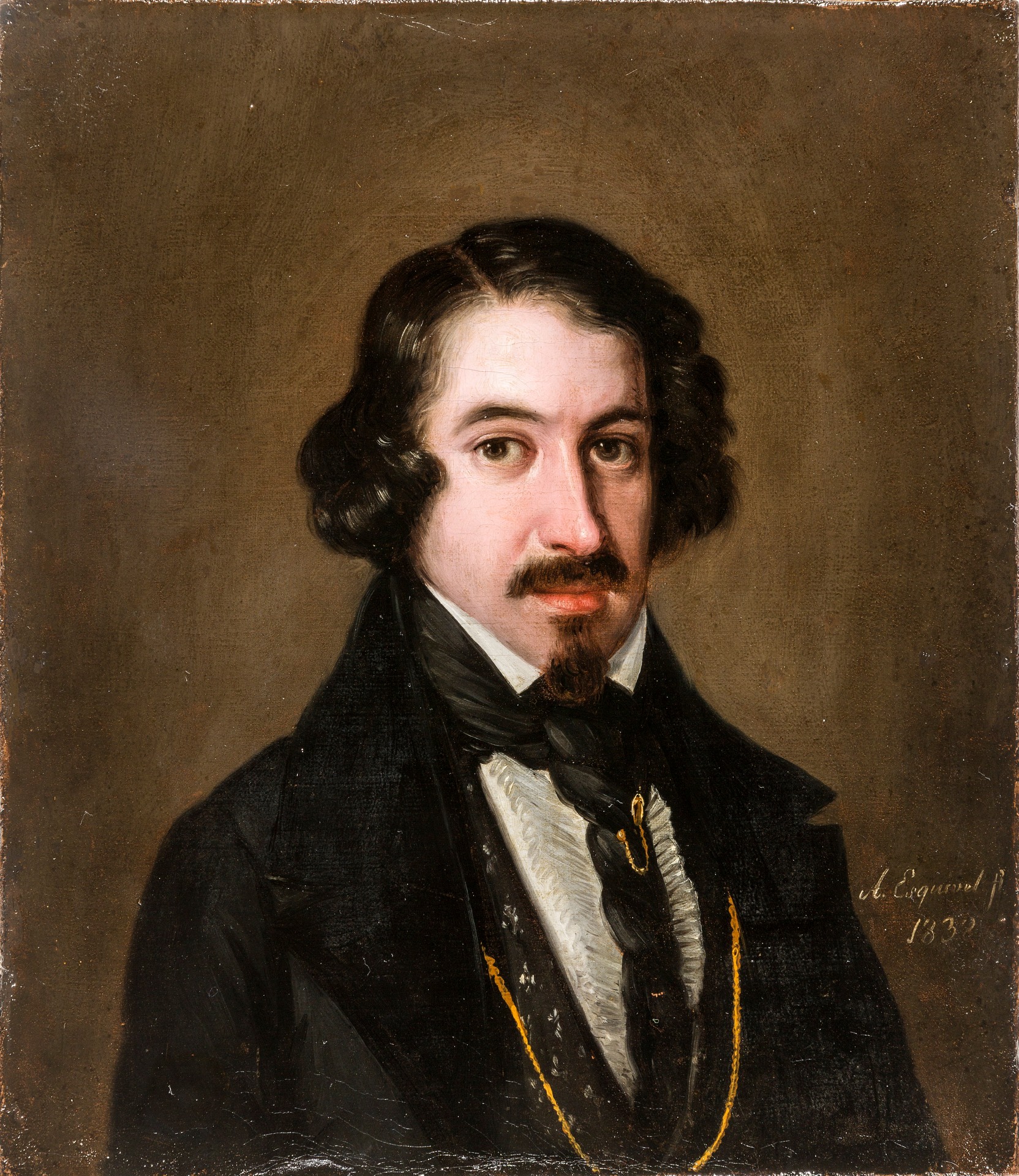
In this cultural milieu, gatherings and friendships between artists of various genres were commonplace, in keeping with the Romantic ideal of artistic brotherhood and the breaking down of barriers between literature, thinking and the visual arts. A testament to this friendship between painters and poets is the portrait that Antonio María Esquivel (1806–1857) painted of José de Espronceda (1808–1842), a writer who embodied the Romantic ideal of freedom, as expressed in his famous Canción del pirata [The Pirate’s Song]. The two men shared a similar liberal ideology and moved in the same cultural and academic circles in Madrid. The painting conveys the affection and admiration they held for one another.
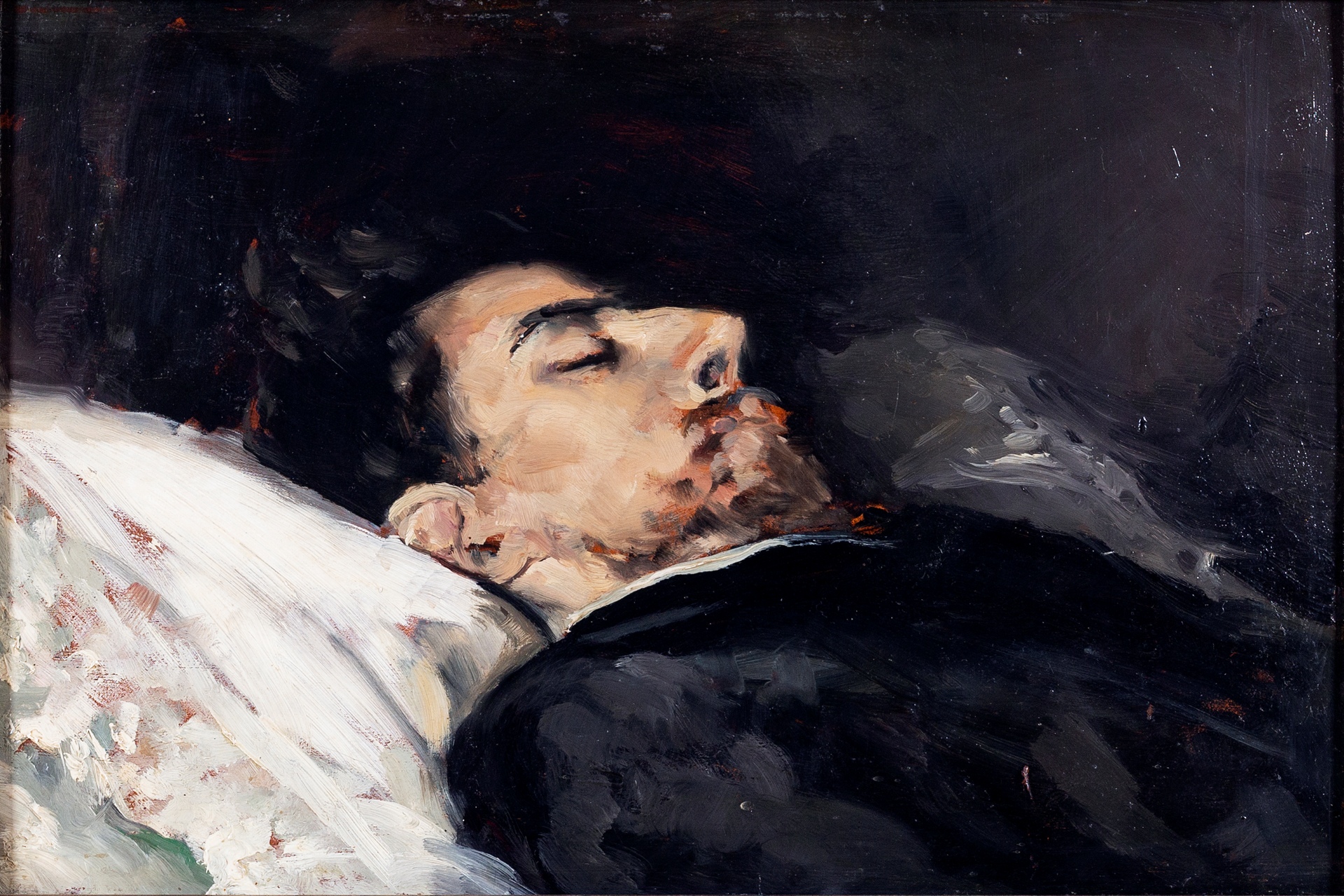
There was also an interest in recording the deaths of artists – many of whom died prematurely – in the form of tribute paintings. Gustavo Adolfo Bécquer (1836–1870), for instance, was portrayed on his deathbed by Vicente Palmaroli (1834–1896). Palmaroli depicts the genius without affectation, almost as if he were asleep, in an extraordinary sketch from life that reflects the friendship and affection that bound the painter to the celebrated poet.   

Fetish objects

The consideration of artists as creative geniuses led to the cult of the individual, with people treasuring mementoes and examples of their talent. This gave rise to what were known as ‘álbumes de señoritas’ – literally ‘ladies’ albums’, although they were in fact used by both men and women. Owners might send them to musicians, painters or writers, asking for a small sample of their work. Alternatively, they might request contributions during soirées held at their homes and attended by intellectuals and representatives of all disciplines. The album that belonged to Tomasa Andrés (1837–1883), the wife of the playwright Manuel Bretón de los Herreros (1796–1873), appears to fall into the first category, as none of the literary contributions show any signs of improvisation.
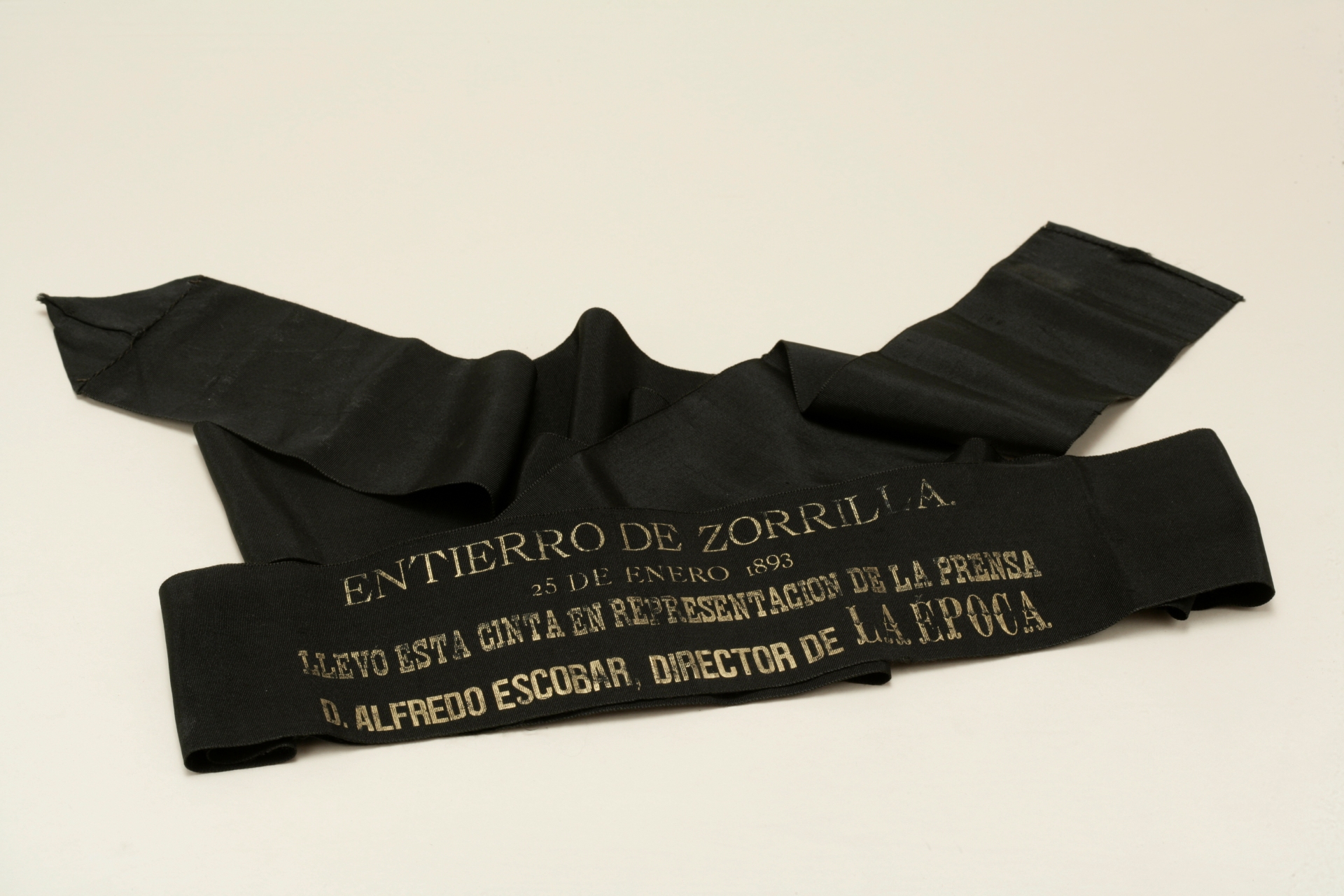
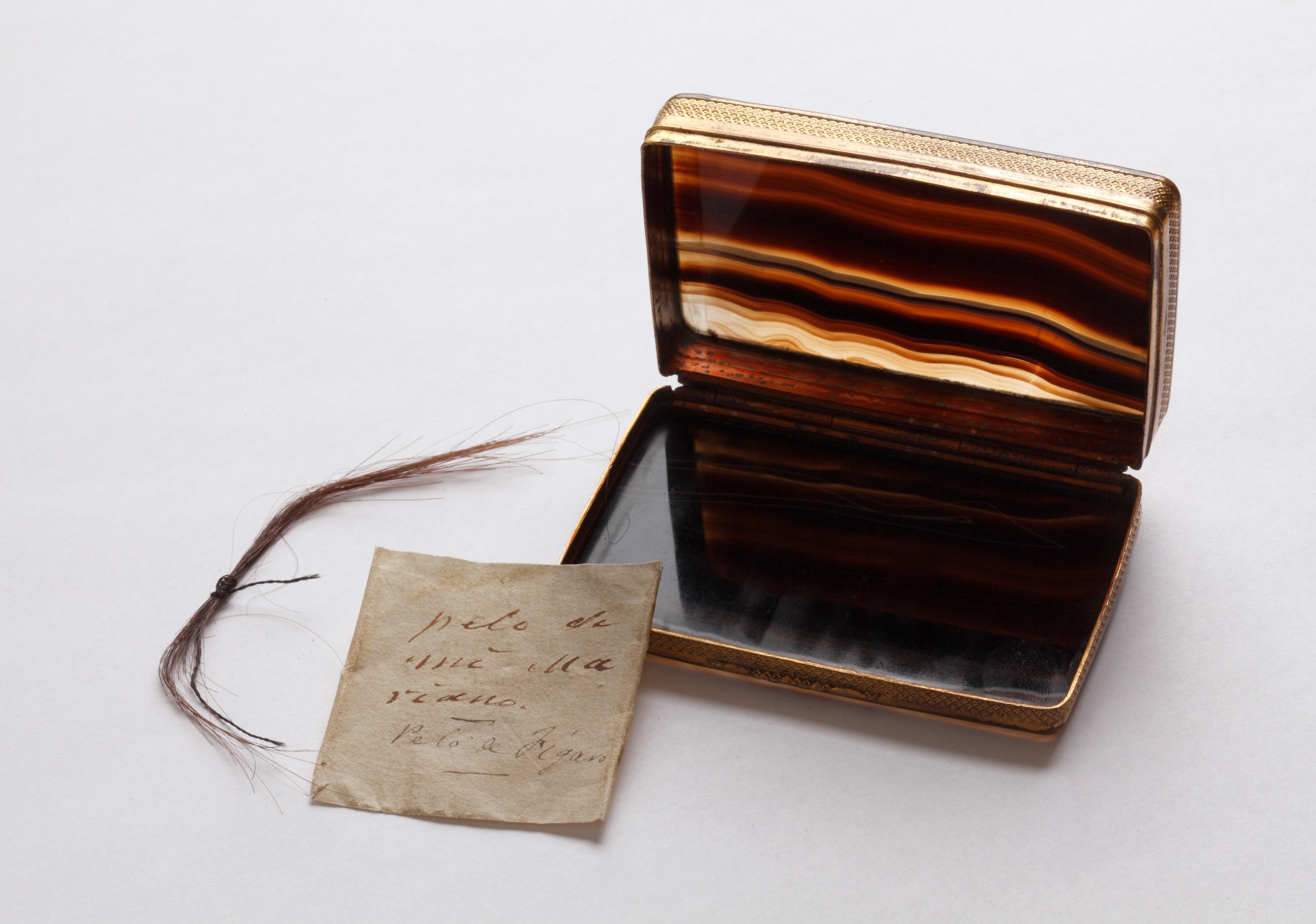
Objects were also treasured as mementoes of artists. An example is the funeral ribbon worn by the editor of the newspaper La Época as the press representative at the burial of the writer José Zorrilla (1817–1893). The funeral of the author of Don Juan Tenorio, a masterpiece of Spanish Romantic theatre, drew more than 50,000 mourners in a procession of over three hundred carriages, making it a significant social occasion. However, one of the most distinctive ways in which Romanticism preserved memories of loved ones was through personal keepsakes, specifically a lock of their hair. They were stored in special pieces of jewellery called lockets or in luxurious caskets, as with the lock of hair belonging to Mariano José de Larra (1809–1837). Larra’s lock of hair is accompanied by a note certifying its provenance, which highlights the intention to honour both the loved one (as it belonged to his widow) and the artist.

Women creators

During the first half of the nineteenth century, women were not permitted to attend the Academy’s official classes, which were a crucial part of artistic training. Some – the more fortunate ones, who generally came from privileged backgrounds – were taught in family studios or in the studios of celebrated painters who did admit female pupils. Nevertheless, it was generally accepted that this type of tuition was intended solely to cultivate the virtues of young women rather than to prepare them for a professional career. The same was true of female musicians, writers and poets.
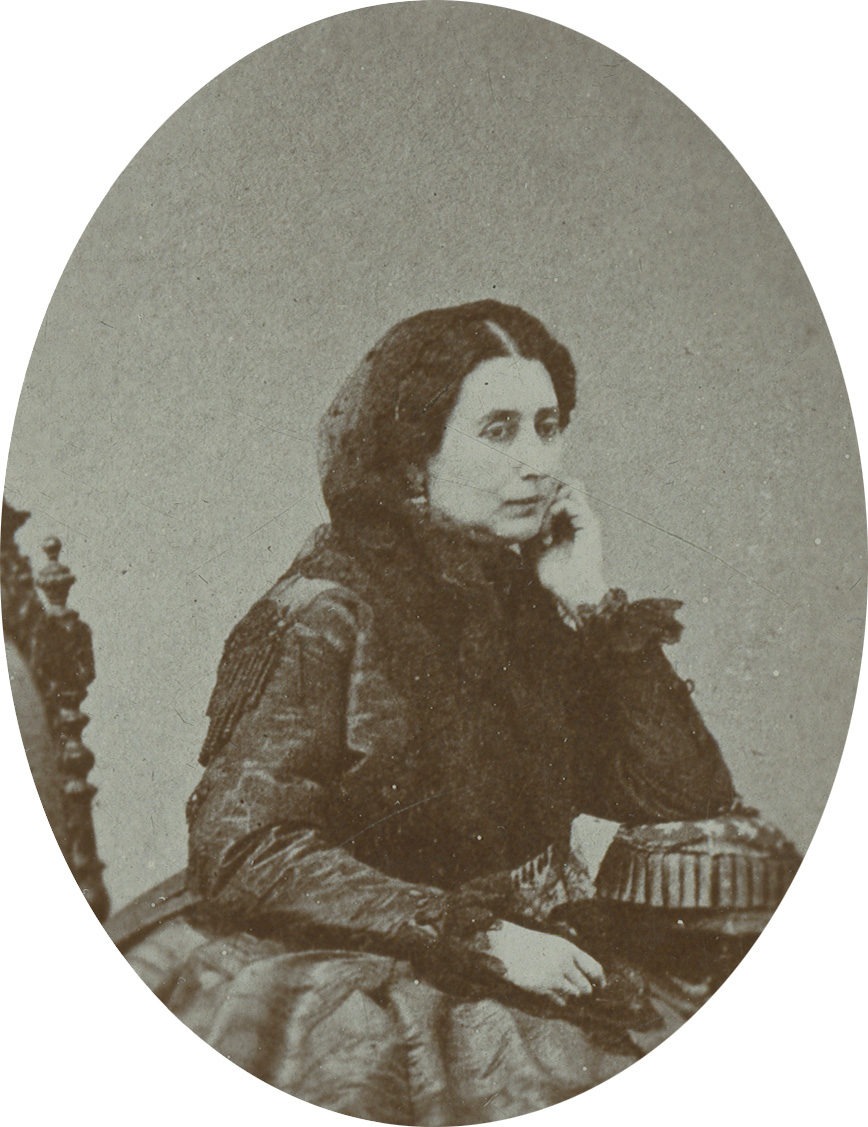
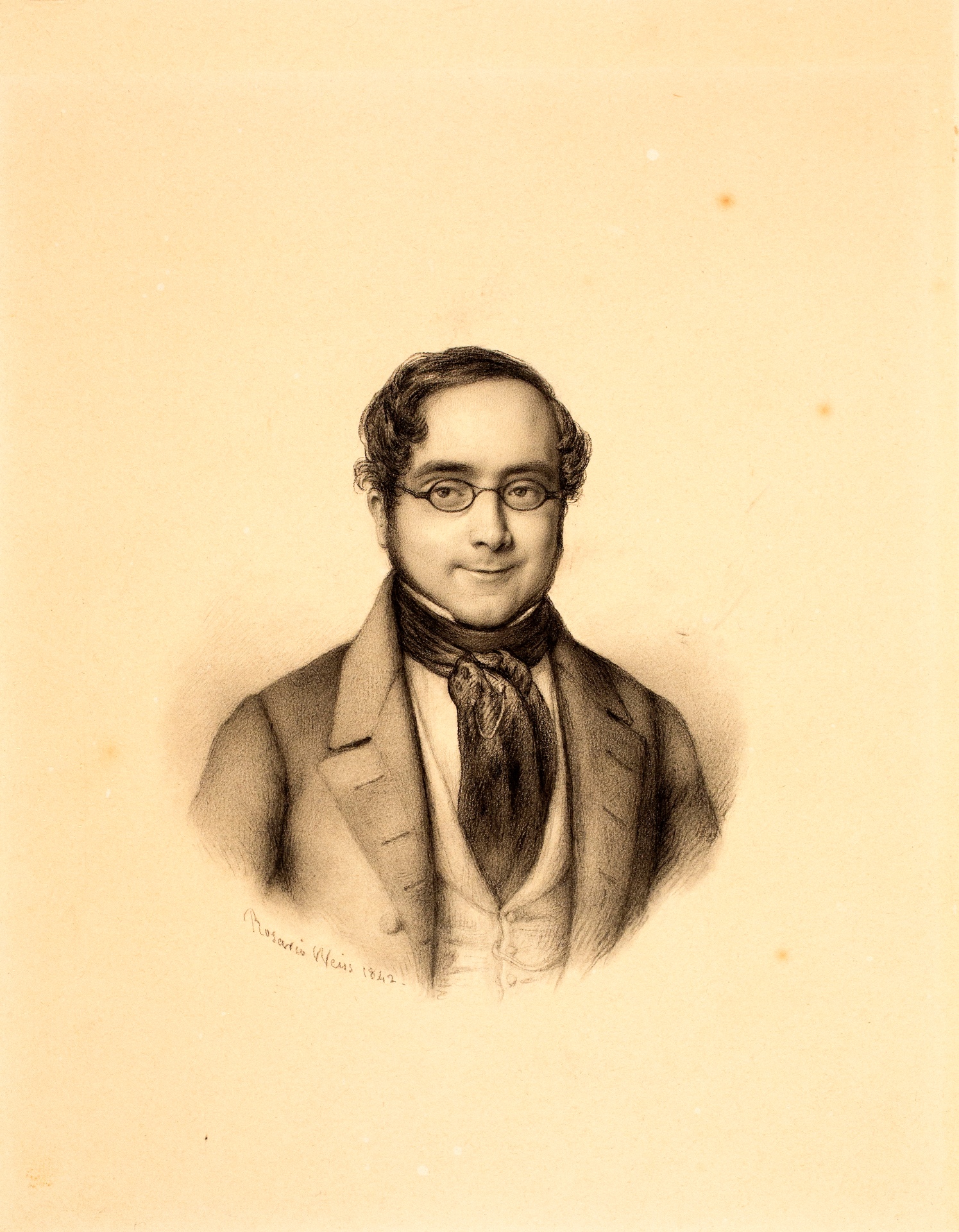
Rosario Weiss (1814–1843) was one of the most renowned artists of her time. She was appointed as an honorary member of the San Fernando Royal Academy of Fine Arts on the merits of her painting and also served as drawing tutor to the young Isabella II and her sister Luisa Fernanda. One of her most highly praised drawings – a discipline in which she excelled thanks to her realistic, delicate and precise linework – was her portrait of Ramón Mesonero Romanos (1803–1882), a famous journalist and chronicler of Madrid. Both the artist and her subject were members of the Liceo Artístico y Literario, an artistic and literary society in which women played an active role. Among them was Carolina Coronado (1820–1911), one of the great poets of her generation. The sensitivity expressed in her poems was also reflected in her firm commitment to social issues such as women’s access to education and the abolition of slavery. 
These female artists not only made a name for themselves in professional circles but also paved the way for women to be recognised as individuals with an education equal to men’s and the same rights.

Criticism of Romanticism

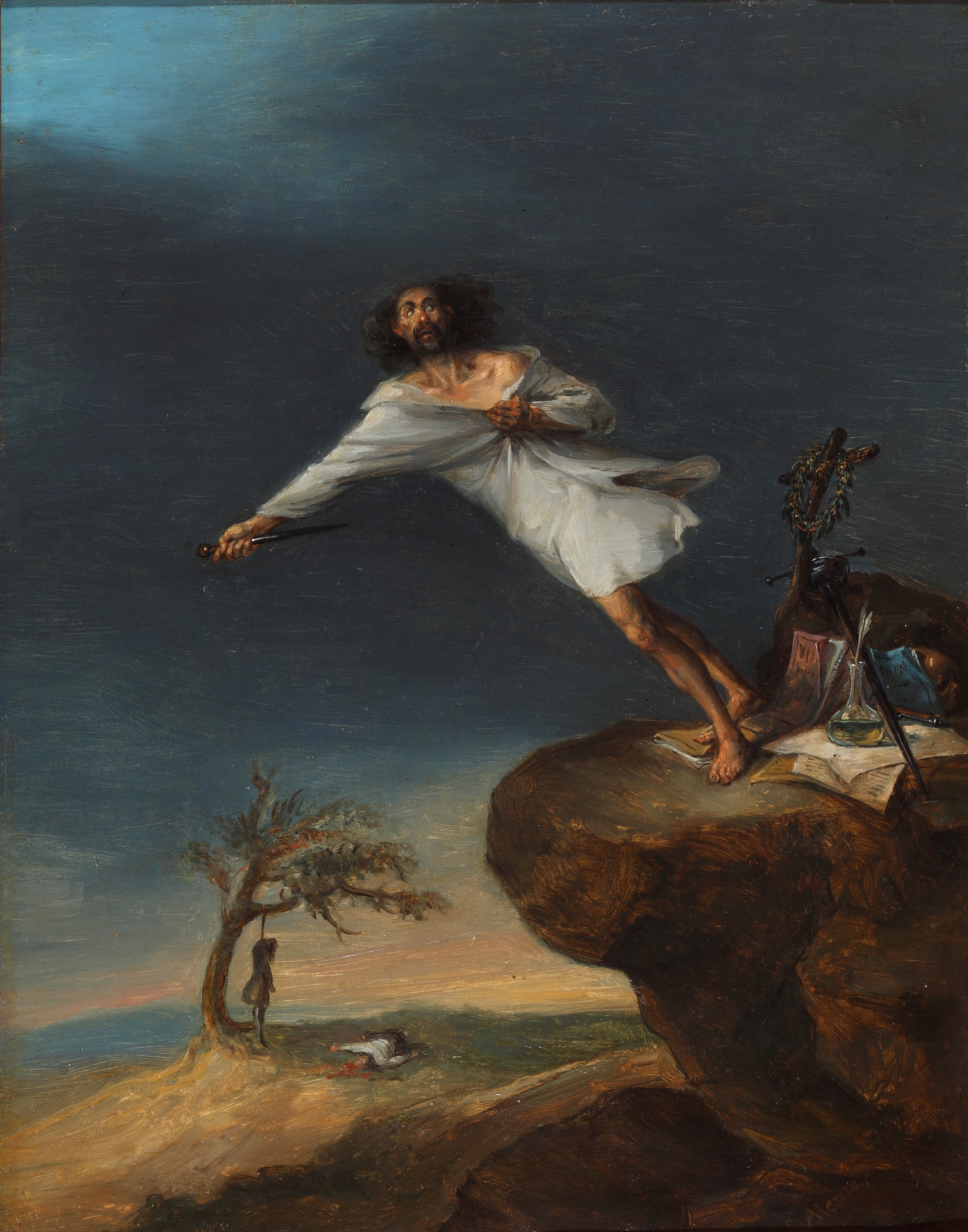
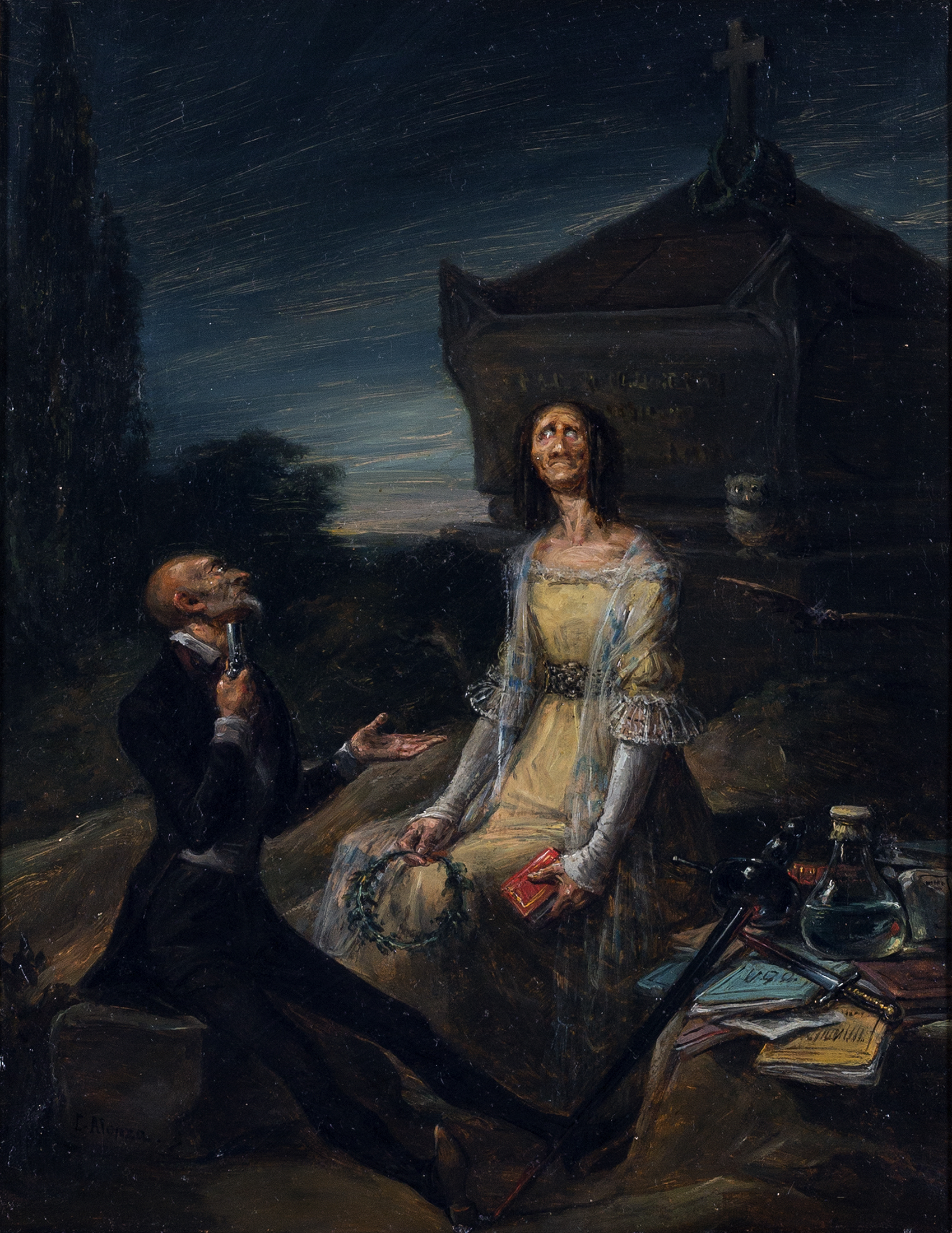
The Romantics were eventually typecast and condemned above all for their fashionable and dapper appearance and their lofty passions. Moreover, these passions led some followers of the movement to commit reprehensible excesses. The tragic fate of the protagonist of The Sorrows of Young Werther, a novel by Goethe (1749–1832), was blamed for a phenomenon that was unfortunately occurring, imitation suicides. The Romantics were thus criticised in literature and the press, particularly from 1836 onwards when their ideas became better known thanks to the premiere of Don Álvaro o la fuerza del sino and the publication of the magazine El Artista. One of the most notable satires came from Ramón Mesonero Romanos (1803–1882), who used a supposed nephew of his to exemplify the most exaggerated Romantic characteristics in terms of both physical appearance and passionate, idealistic nature in his piece ‘El Romanticismo y los Románticos’ [Romanticism and the Romantics]. Art also joined in the criticism; a paradigmatic example is the pair of canvases in the Museo del Romanticismo, collectively known as Satires of the Romantic Suicide. In these works, the artist Leonardo Alenza (1807–1845), a Romantic painter whose works were markedly satirical, mocks the abovementioned ‘fashion’ for committing suicide and the lofty sentiments of the movement’s followers, who aspired to achieve fame and glory. In his day, these works were referred to as The Romantics!, the exclamation mark indicating a somewhat paternalistic and condescending tone. According to the Marquis of Cerralbo, who owned the works until 1921, when he gifted them to the Museo Romántico: ‘I believe there is no greater exaggeration of Romanticism than these two paintings’.

Authors and Collectors

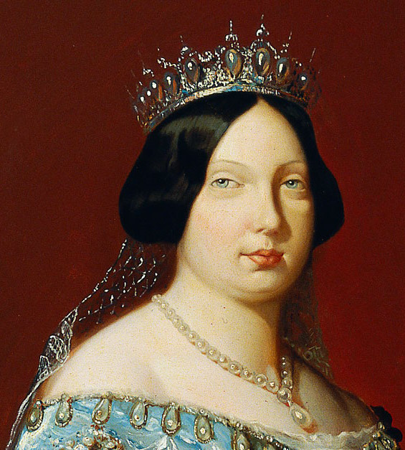
Isabella II
Monarch

Isabella II

(Madrid, 1830 - París (Francia), 1904)

The first-born daughter of Ferdinand VII (1784-1833) and his fourth wife, Maria Christina of the Two Sicilies (1806-1878), the future Isabella II was sworn in as Princess of Asturias before the Spanish Cortes in the Church of San Jerónimo El Real in Madrid, on 20th June 1833. Barely three months later, she became Queen of Spain after the death of Ferdinand VII on 29th September that same year. During her minority, her mother Queen Maria Christina, and later General Baldomero Espartero, acted as regents. Isabella II's childhood was marked not only by the outbreak of the first Carlist War (1833-1840), which called into question her legitimacy as Queen against the supporters of her uncle, the Infante Carlos María Isidro (1788-1855), but also by internal conflicts within Spanish Liberalism, specifically between the moderate and progressive parties. This situation affected the education of the child Queen, who was somewhat neglected despite having the illustrious Manuel José Quintana and Agustín Argüelles as tutors.

Isabella II attained her majority on 15th October 1843, after a military uprising deposed General Baldomero Espartero, who served as Regent of Spain from May 1841 onwards, after Maria Christina. In 1846, the moderate cabinet presided over by Francisco Istúriz arranged the Queen’s marriage to her cousin, the Infante Francisco de Asís de Borbón (1822-1902), after France and England had respectively vetoed the two German and French Princes who had sought the Queen’s hand, and after the failure of the movement to unite Isabella II with her cousin, Carlos Luis María Fernando de Borbón y Braganza (1818-1861), son of the Carlist Pretender. 

Finally, the Queen’s wedding was held at the Royal Palace of Madrid on 10th October 1846. Isabella II and Francisco de Asís de Borbón, named King consort after their marriage, had ten children: Prince Luis (born and died in 1849); Prince Fernando (born and died in 1850); the Infanta Isabel (1851-1931), Countess of Girgenti by her marriage to Gaetan of the Two Sicilies, Count of Girgenti (1846-1871); the Infanta María Cristina (born and died in 1854); the future Alfonso XII (1857-1885); the Infanta Maria de la Concepción (1859-1861); the Infanta Pilar (1861-1879); the Infanta María de la Paz (1862-1946), Princess of Bavaria married to Prince Ludwig Ferdinand of Bavaria (1859-1949); the Infanta Eulalia (1864-1958), Duchess of Galliera by her marriage to the 4th Duke of Galliera (in Italy), Antonio de Orleans y Borbon (1866-1930); and finally the Infante Francisco de Asís Leopoldo (born and died in 1866).

The reign of Isabella II was marked by political instability. The duration of the governments of the period was conditioned by frequent military uprisings, such as the July Revolution of 1854, as well as by the Queen's inability to set herself up as a neutral arbiter in the disputes between the moderate and progressive parties. Nevertheless, during the so-called "Isabelline Era”, the consolidation of the constitutional regime in Spain continued with the promulgation of the Constitutions of 1837 and 1845, while at the same time a whole series of measures were implemented that promoted the introduction of a liberal political, social and economic model: for example, the creation of the Guardía Civil or Civil Guard in 1844, the tax and administrative reforms of 1845, the construction of the Palacio de las Cortes or House of Parliament (1843-1850), the draft Civil Code of 1851, the General Railway Act and the General Disentailment Act of 1855, and the Education Acts of 1847, 1855 and 1857, amongst other legislative provisions. The reign of Isabella II also marked a period of modernisation and economic progress for Spain. The expansion of the railways and the telegraph, the start of the growth of Madrid and Barcelona, the first electric lighting tests, the spread of photography, the creation of the public water supply company Canal Isabel II in 1851, the founding of the Bank of Spain in 1856, and the boost to the country's industries and mines, were some of the achievements of this period. This progress also extended to the world of culture with the inauguration of the Royal Theatre in Madrid in 1850, the expansion of the Prado Museum collections in 1865, and the founding of educational centres of different levels, as well as the current headquarters of the National Library of Spain, of which the Queen laid the foundation stone on 21st April 1866. 

The last stage of Isabella II's reign was marked by the development of the "prestigious" foreign policy encouraged by General Leopoldo O'Donnell, which culminated in the first Moroccan War (1859-1860), among other conflicts; by the economic crisis and growing social unrest; and by opposition to Isabella's rule from progressives, republicans and democrats, who conspired against the Queen in the so-called "Ostend Pact" (signed on 16th August 1866), which was joined by certain sectors of the Liberal Union and moderate parties after the successive deaths of their respective leaders, Generals Leopoldo O'Donnell and Ramón Narváez. Dethroned after the Revolution of September 1868, Isabella II went into exile in Paris, where she lived at the so-called Palace of Castile. Two years later, on 25th June 1870, the Queen renounced her dynastic rights in favour of her son, Prince Alfonso, the future Alfonso XII. She never resided permanently again in Spain, and died in the French capital on 9th April 1904. The remains of Isabella II are buried in the Pantheon of Kings and Queens in the Monastery of El Escorial. 

Source: Royal Academy of History (https://www.rah.es)

Read more

Organized by: Patrimonio Nacional

With the collaboration of: Museo Nacional del Romanticismo

Coordina: Irene Álvarez Jiménez

Museographic Design: Carmen Arjona y Miriam Rubio

Museographic Installation: Montajes Horche S. L