Loading...

Casa de los Borbones
Francisco de Asís de Borbón
Aranjuez (Madrid), 13 de May de 1822 - Castillo d´Epinay-sur-Meuse, Seine-Saint-Denis (Francia), 17 de April de 1905
View in TimelineBiography
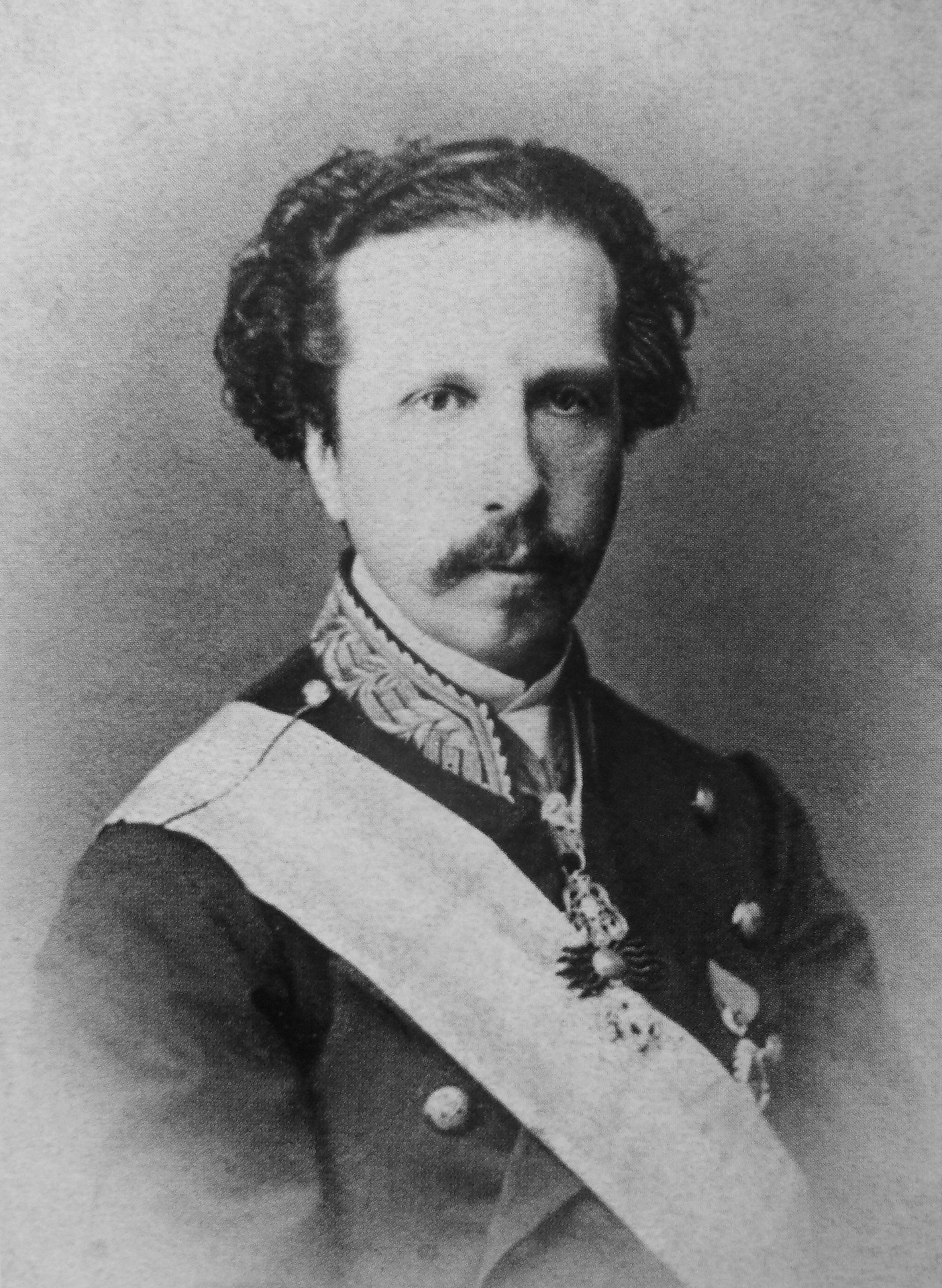
The third of eleven children born to the Infante Francisco de Paula (1794-1865) and Luisa Carlotta of the Two Sicilies (1804-1844), Francisco de Asís de Borbón was the grandson of Charles IV (1748-1819) on his father’s side. An Infante of Spain, Duke of Cadiz and Knight of the Orders of Charles III and the Golden Fleece, he married his first cousin Isabella II (1830-1904) on 10th October 1846 in a ceremony held at the Royal Palace of Madrid. Francisco de Asís de Borbón's pretensions to the hand of his cousin the Queen was boosted by his support among the French and British governments, as well as by his Spanish origin. From the moment of their marriage, Francisco de Asís de Borbón held the title of King consort and the right to be addressed as His Majesty.
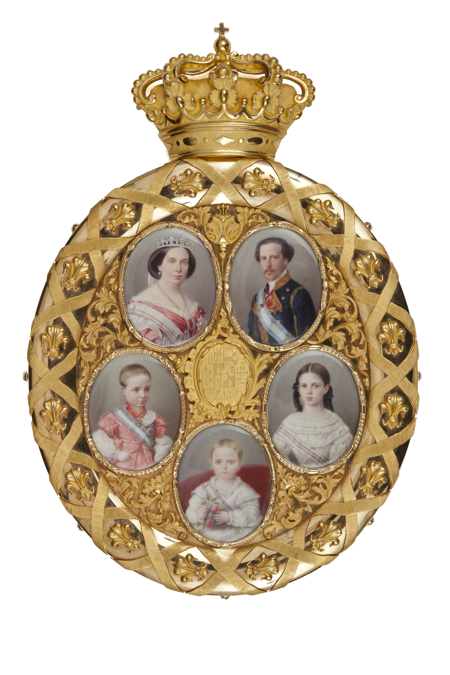
The first months of the marriage were characterised by harmony between the spouses. However, disclosures regarding the King and Queen’s private lives and the clash between the moderate and progressive parties regarding political interests, sowed discord between the royal couple. Interested in participating in the affairs of state, Francisco de Asís was greatly influenced by the Piarist priest, Father Fulgentius and by Sister Patrocinio, also known as the Nun of the Wounds. The King and Queen had ten children: Prince Luis (born and died in 1849); Prince Fernando (born and died in 1850); the Infanta Isabel (1851-1931), Countess of Girgenti by her marriage to Gaetan of the Two Sicilies, Count of Girgenti (1846-1871); the Infanta María Cristina (born and died in 1854); the future Alfonso XII (1857-1885); the Infanta Maria de la Concepción (1859-1861); the Infanta Pilar (1861-1879); the Infanta María de la Paz (1862-1946), Princess of Bavaria married to Prince Ludwig Ferdinand of Bavaria (1859-1949); the Infanta Eulalia (1864-1958), Duchess of Galliera by her marriage to the 4th Duke of Galliera (in Italy), Antonio de Orleans y Borbon (1866-1930); and finally the Infante Francisco de Asís Leopoldo (born and died in 1866).
After her dethronement as a result of the 1868 Revolution, Isabella II settled in a palace in Paris, which she christened the Palace of Castile, while Francisco de Asís de Borbón retired to the Château d'Epinay-sur-Meuse (Seine-Saint-Denis) in the company of his personal secretary. After Isabella II renounced her rights of succession in 1870, the King maintained a frequent correspondence with his son, Alfonso XII, offering him both paternal advice and political recommendations.
The former King consort died at his French retreat in Epinay on 17th April 1902, a month before his grandson Alfonso XIII was proclaimed of age. His remains are buried in the Pantheon of Kings and Queens in the Monastery of El Escorial.
Source: Royal Academy of History (https://www.rah.es)