Use of Cookies

The Royal Collections Gallery uses its own and third-party cookies, mainly for technical purposes, which are necessary to provide our services and provide you with relevant content. More information in our cookies policy. Cookies Policy.

ACCEPT to confirm that you have read the information and accepted their installation. You can change your browser settings.

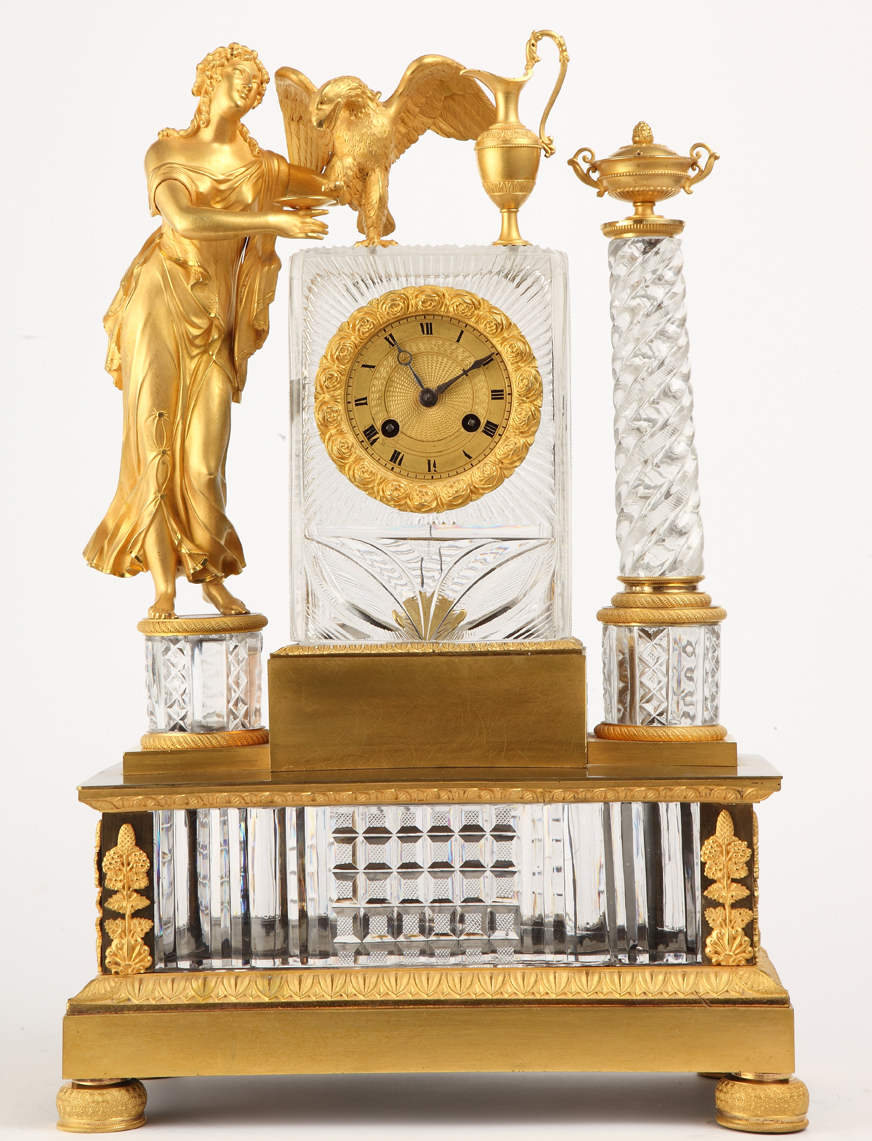
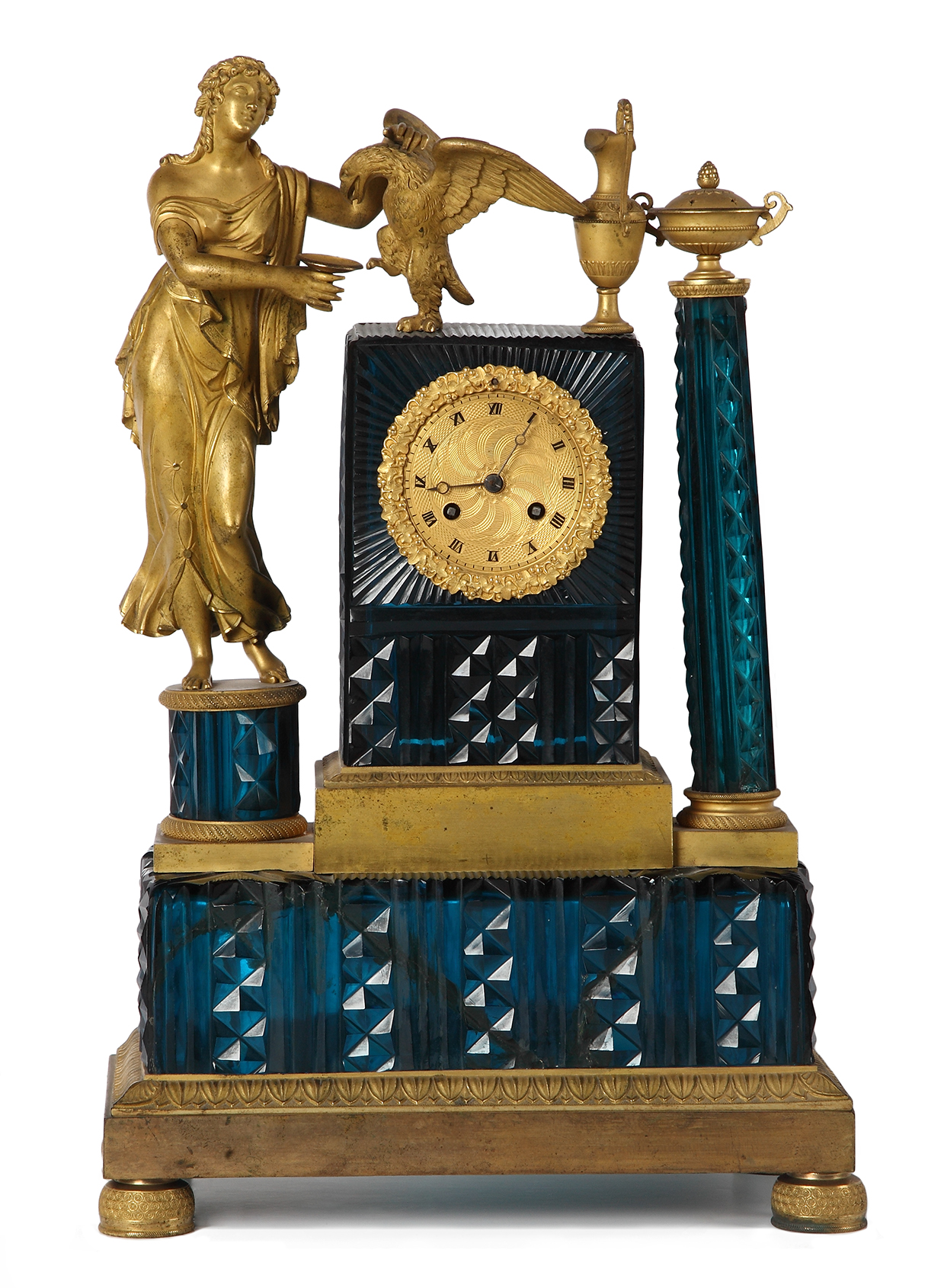
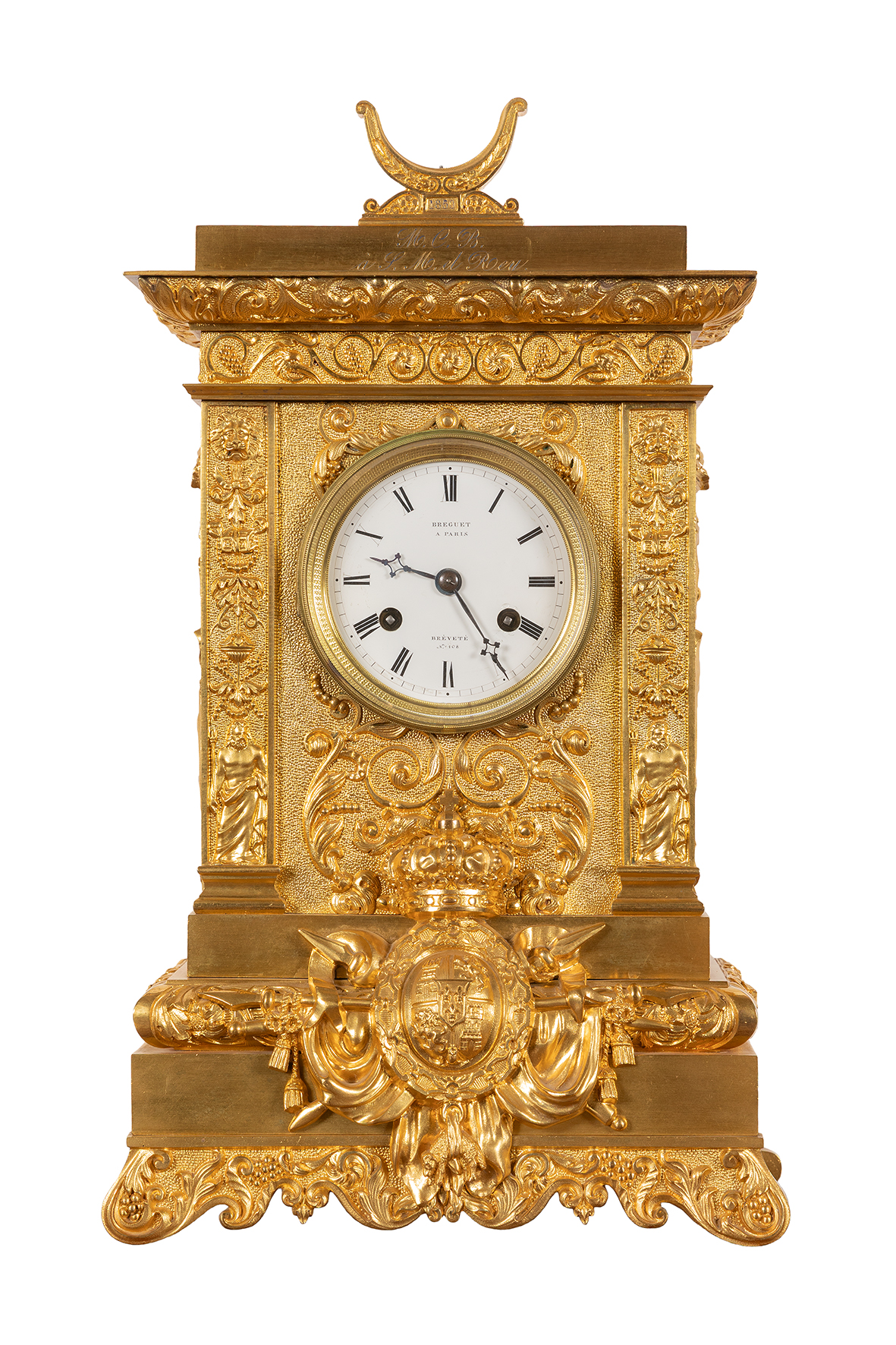
The Royal Collections hold a distinguished group of clocks acquired by Spanish monarchs to adorn the royal salons and to regulate daily life at court. Ferdinand VII and Isabella II enriched the royal collection with remarkable timepieces reflecting technical advances and the aesthetic diversity that emerged during their reigns.

This exhibition aims to highlight the aesthetic evolution, the range of models produced, and the technical innovations that enabled ever more precise timekeeping. This small selection presents some of the most innovative and unusual clocks, offering visitors insight into the tastes of both monarchs and how they selected the finest timepieces crafted by the most renowned clockmakers. 

  • Opening Hours

    Monday to Saturday from 10 am to 8 pm. Sundays and Bank Holidays from 10 am to 7 pm.

  • Admission

    Plaza de la Armería: visits the Royal Collection Gallery and temporary exhibitions. 

The Enrichment of a Royal Heritage

The Spanish monarchs who reigned in the 18th century—Philip V, Ferdinand VI, Charles III, and Charles IV—assembled a distinguished and valuable collection of clocks, acquiring them from the leading clockmakers of the era, including Ferdinand Berthoud, John Ellicott, Pierre Jacquet-Droz, and Lépine.
The Peninsular War (1808–1814) and the Napoleonic invasion led to the loss and neglect of many of these objects recorded in the royal inventories. As a result, once Ferdinand VII was restored to the Spanish throne, he began acquiring clocks to redecorate the royal palaces and residences. These were complemented by pieces inherited from his father, King Charles IV, and other family members, such as his uncle, the Infante Antonio Pascual.  
The monarch relied on Spanish and foreign merchants, as well as embassy diplomats, who served as intermediaries between the king and the clockmakers. One of the king’s regular suppliers—who provided the greatest number of items—was Rafael Francisco Garreta. Spanish by birth but long established in Paris, Garreta soon settled in Madrid, opening a combined shop-workshop on Carrera de San Jerónimo. From 1817 until his death in February 1831, he sold furniture, lamps, clocks, jewellery, and other luxury objects, many of which remain preserved in the Royal Collections. He also represented several foreign merchants at the Madrid court, who entrusted him with the sale of their products.   
Other merchants with shops in Madrid, such as Beltrán Lagaillarda and Mauroner y Falcó Hermanos, imported clocks from Paris at the king’s commission. All these acquisitions are documented in the records held in the General Archive of the Royal Palace, notably in the Last Will and Testament of Ferdinand VII, drawn up in 1834, one year after the king’s death. 

Dissemination of Clock Models

Clocks have long been regarded as a symbol of power. Owning one of these delicate timepieces, housed in cases of marble, bronze (either gilded or patinated), fine woods, porcelain, or glass, was a privilege reserved for the elite. Wealthy collectors who wished to acquire such a clock were required to pay a considerable sum. In addition to the cost of the movement, those who desired a bespoke case had to remunerate the designer who devised the design, the modeller who realised it in clay to assess its final effect, and the craftsman entrusted with executing the case—whether bronzier, cabinetmaker or silversmith—together with the enameller who painted the dial, the gilder, and other artisans involved in its production.
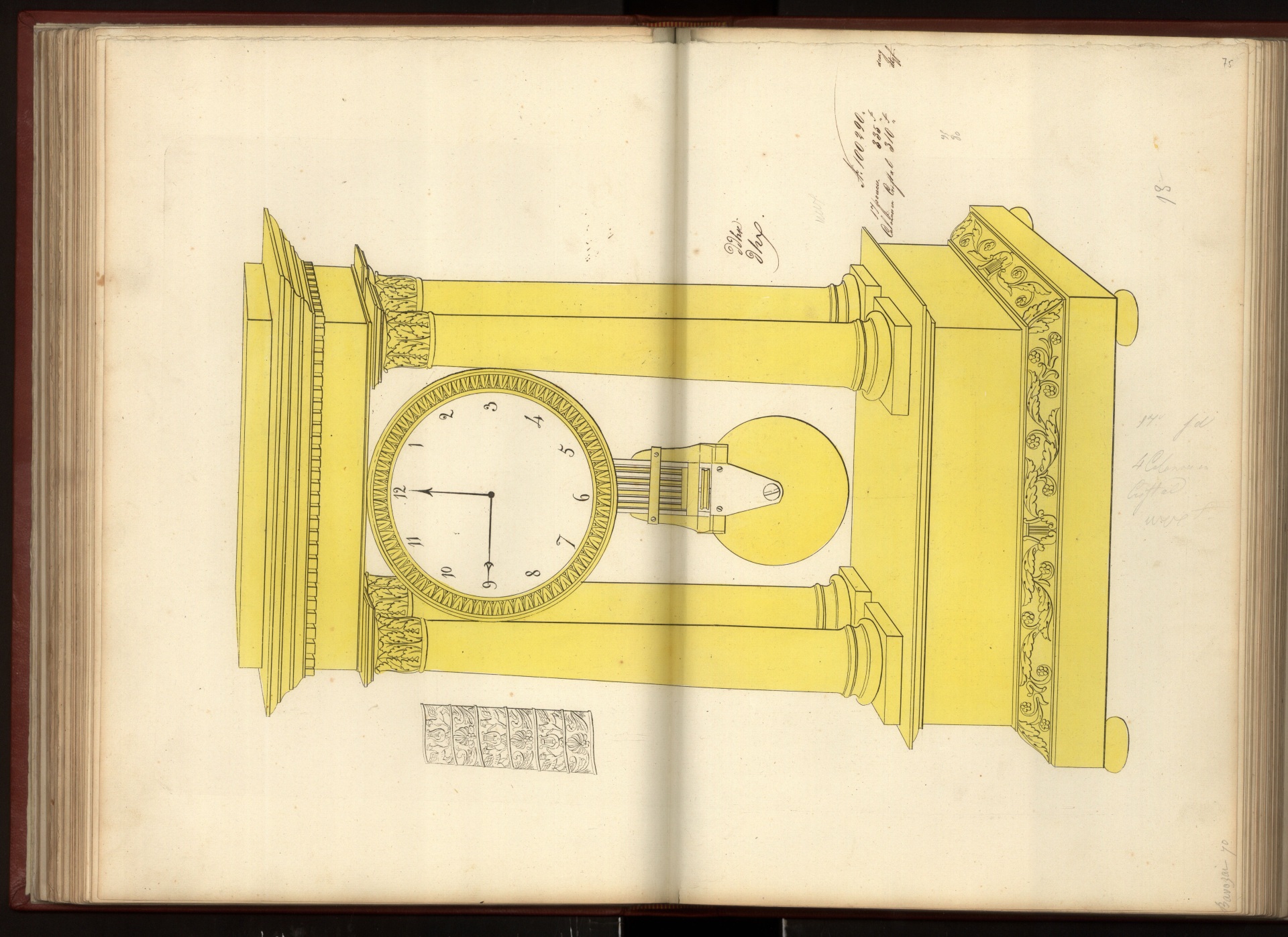
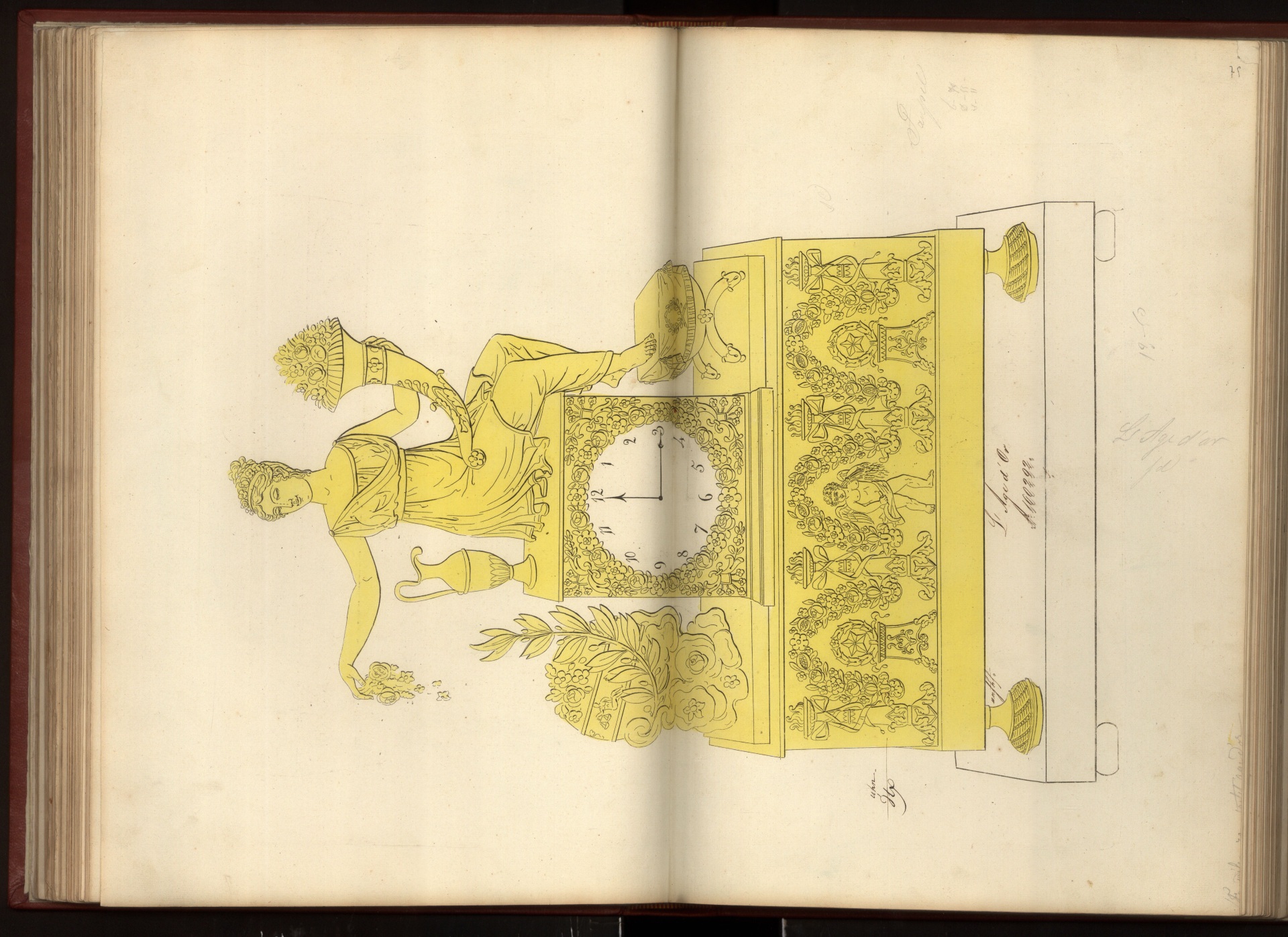
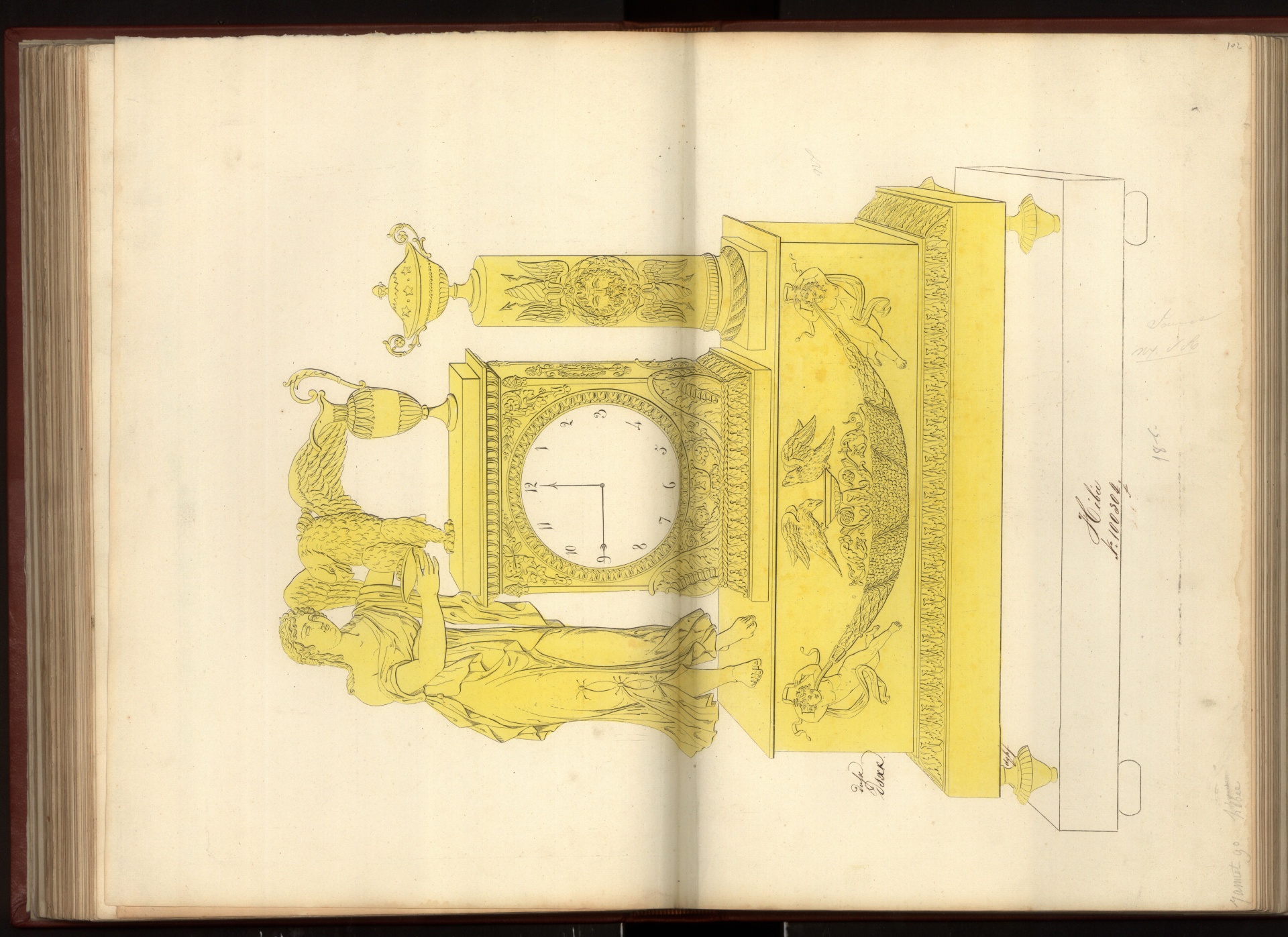
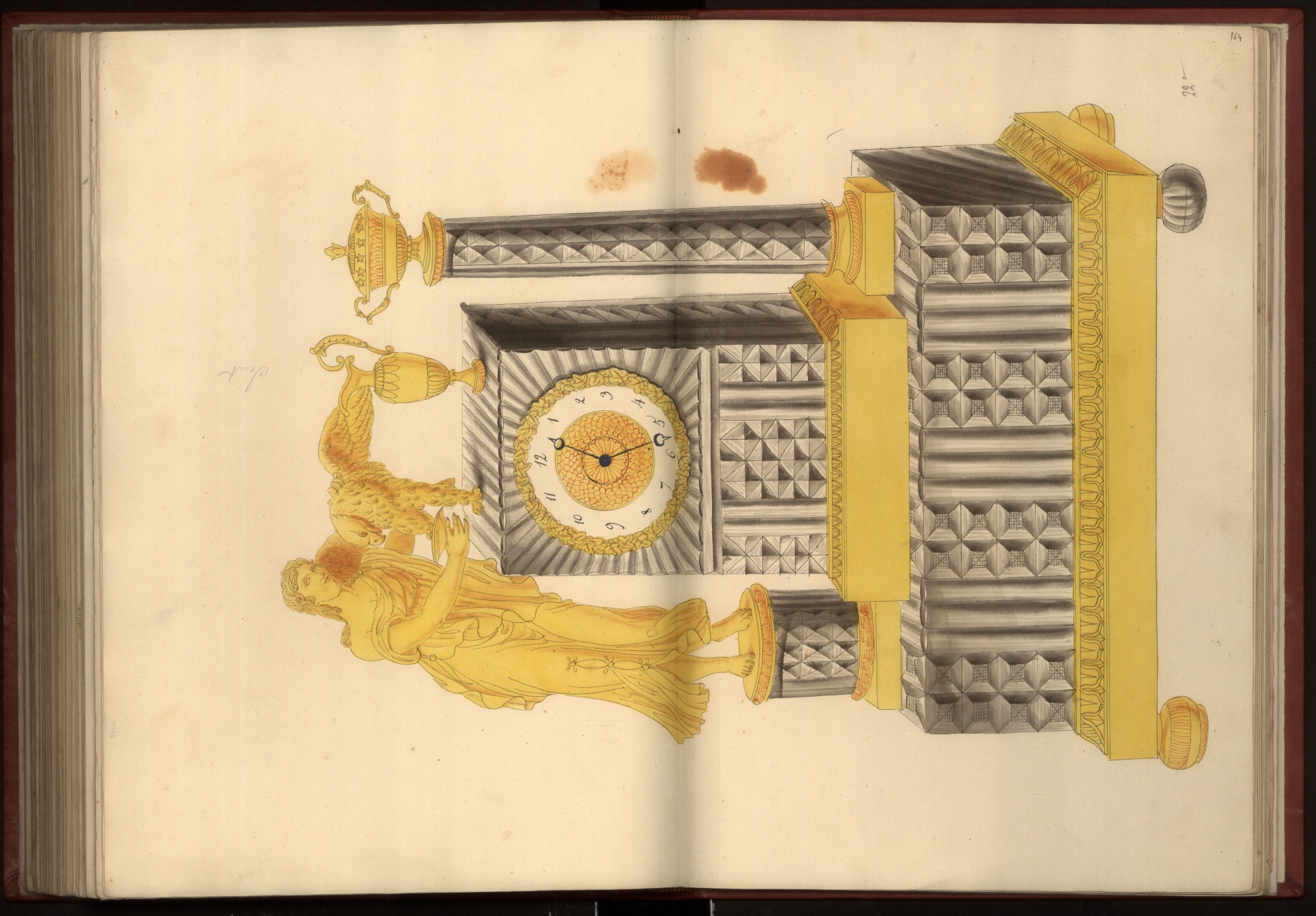
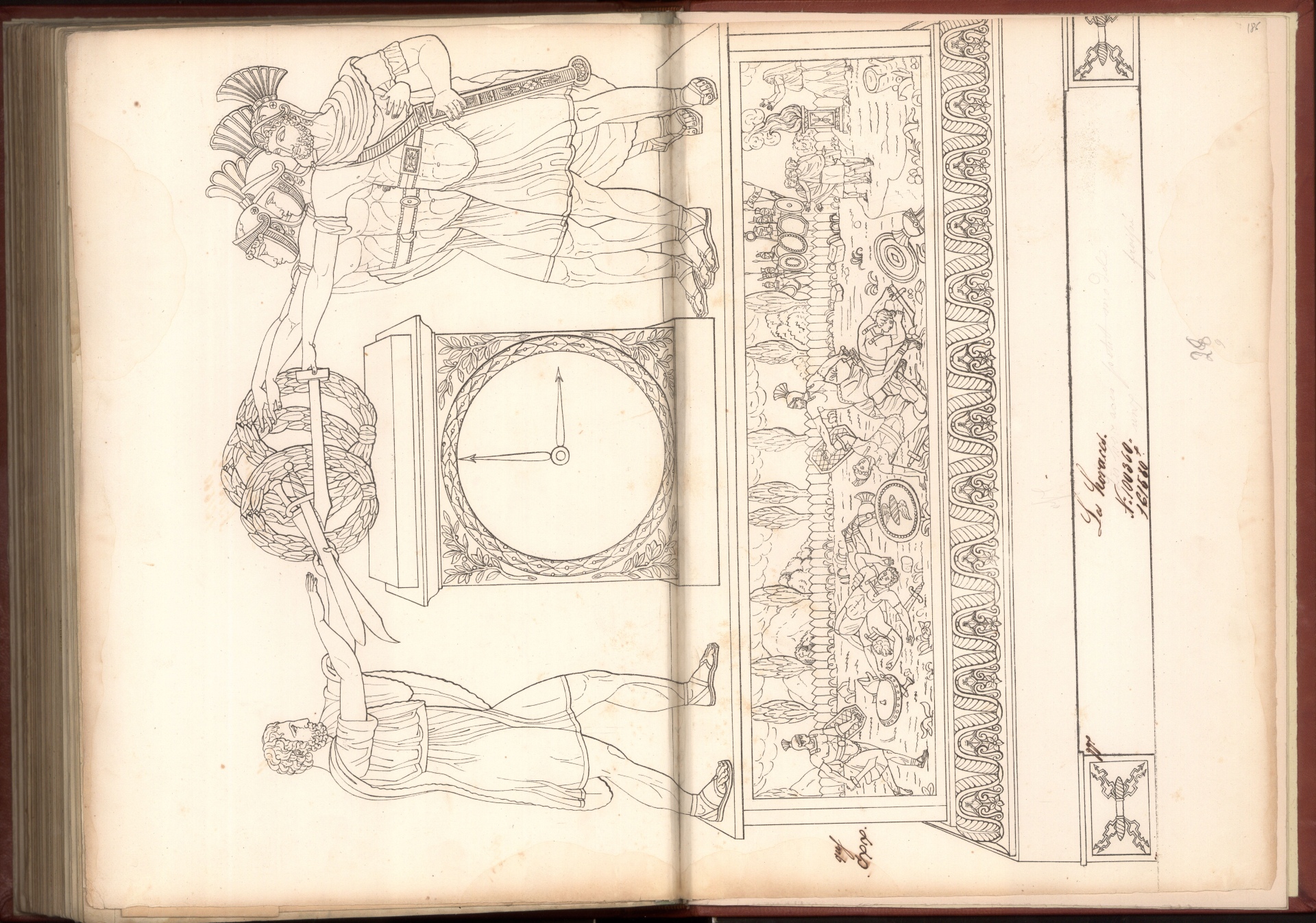
The economic rise of the affluent bourgeoisie, combined with the demand for more affordable pieces, fostered the development of mass production. A model was no longer exclusive to a single owner; it could be reproduced, sometimes in different materials. Printed illustrations of clock cases were spread through workshops and shops, which over time evolved into albums and catalogues. 
Another important avenue for the dissemination of clock models was at the World’s Fairs, which served as showcases where craftsmen and manufacturers presented technical innovations and aesthetic developments. These exhibitions attracted an audience keen to discover emerging home décor trends and the latest technological and artistic innovations of modern society.   

Artistic Styles

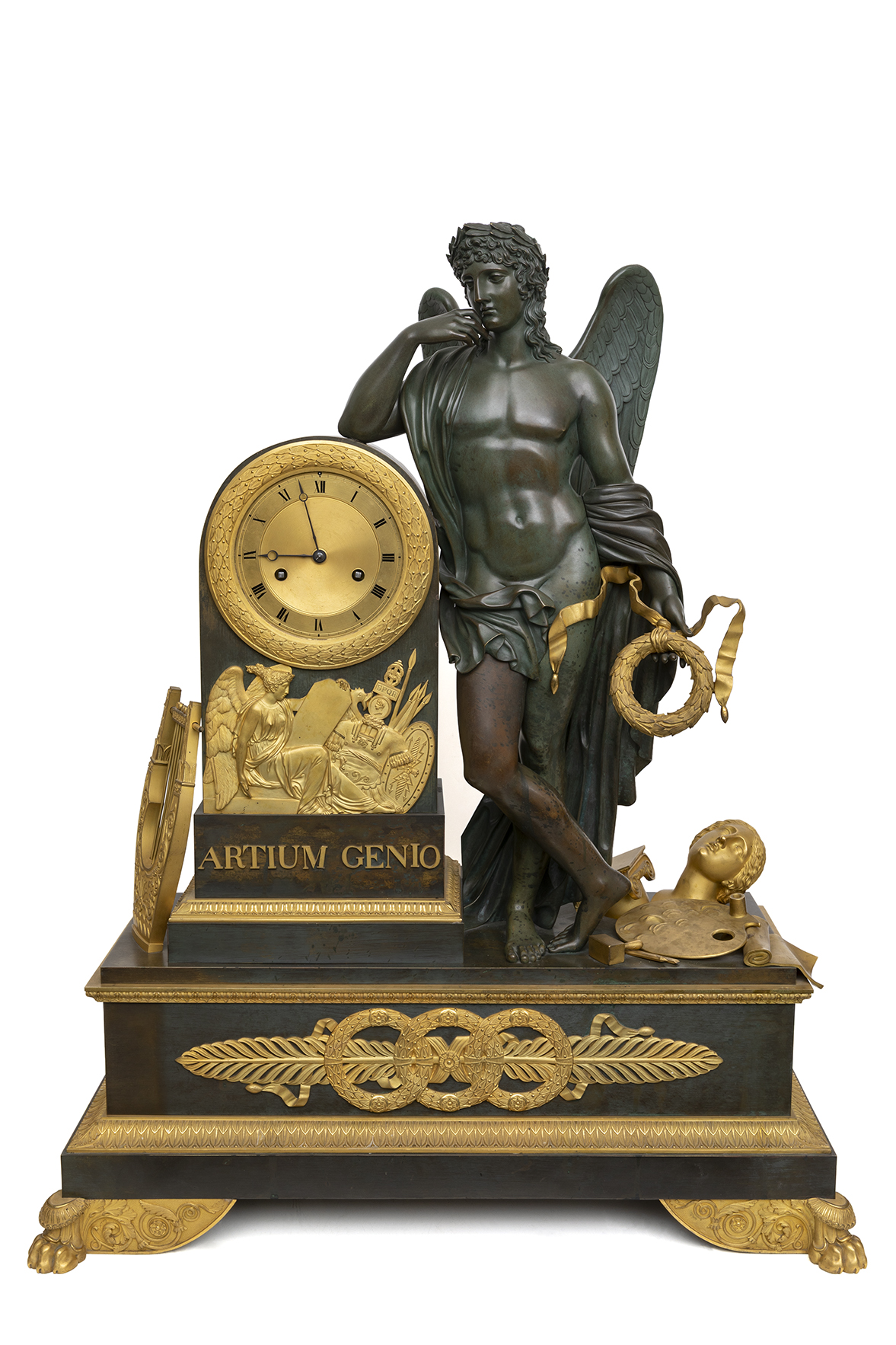
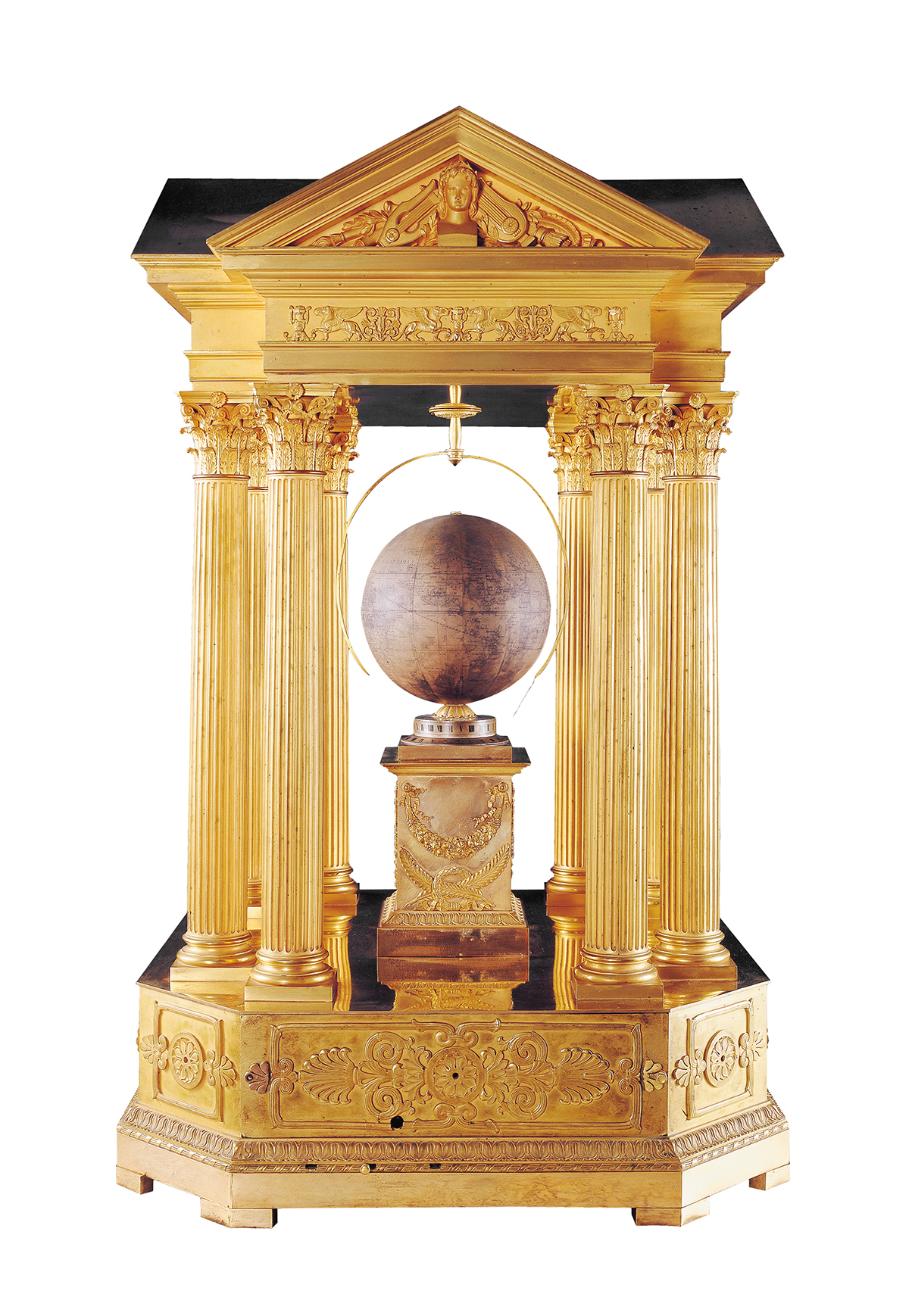
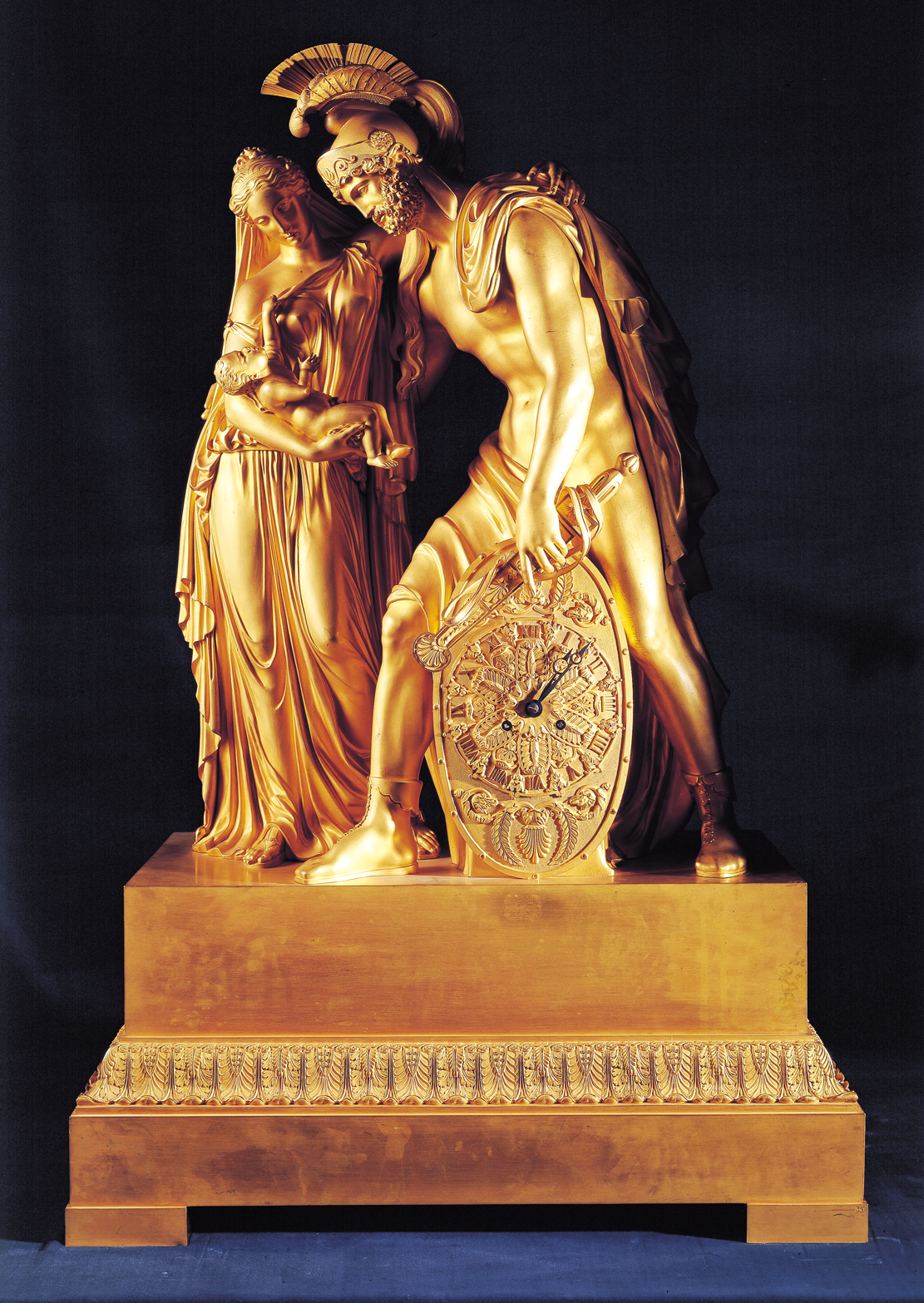
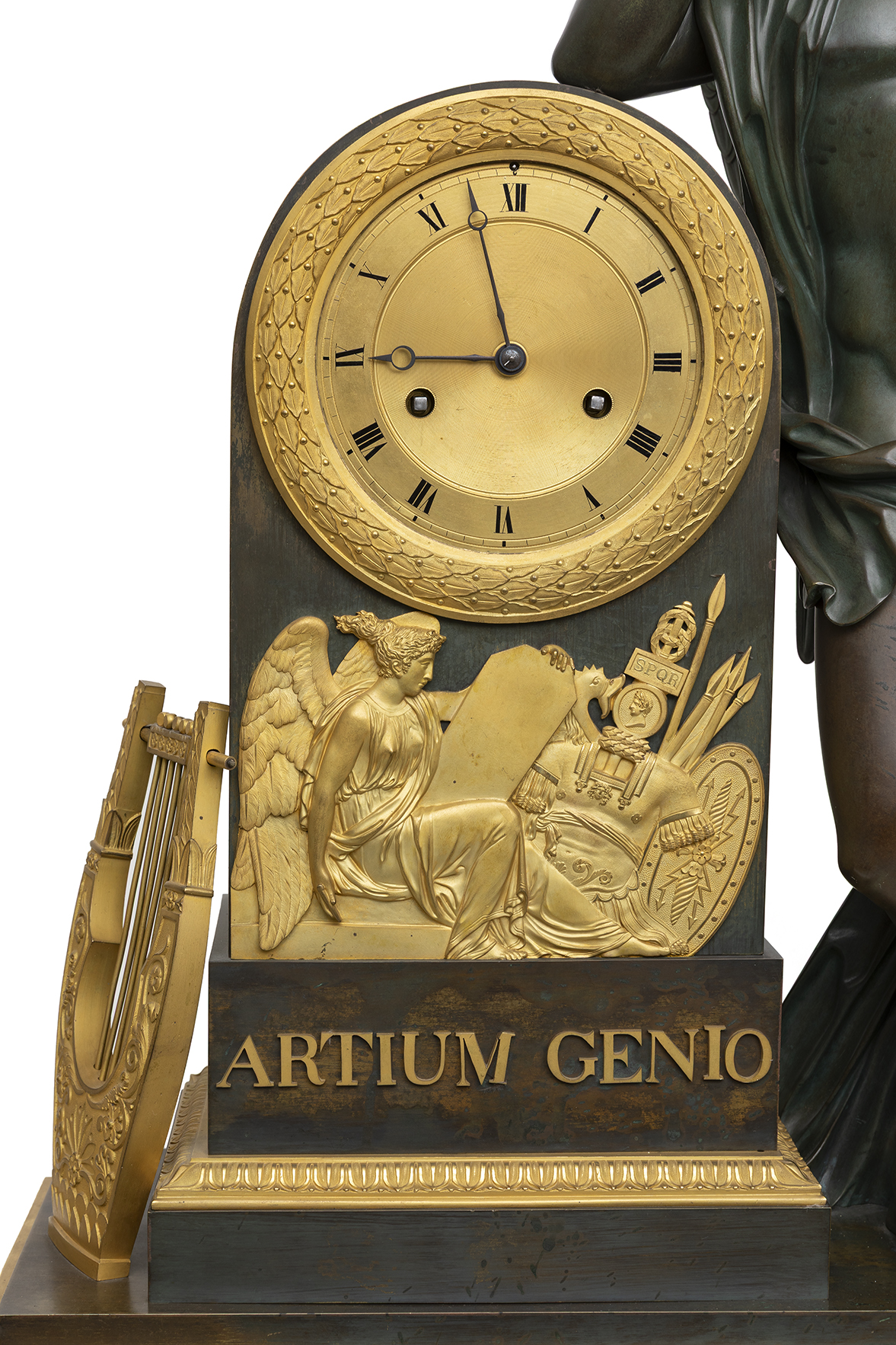
The 19th century was a dynamic period in which a succession of aesthetic styles emerged at a rapid pace, some more successful than others. In its early years, the Neoclassical movement, inspired by Ancient Greece and Rome, continued. Archaeological discoveries influenced the themes depicted on clock cases, which were generally made in gilded and patinated bronze. Gods, muses, philosophers, heroes, and allegories were prominently depicted. 
This was followed by a Romantic aesthetic, which spread throughout Europe. Clock cases returned to Baroque forms, with popular motifs including lyres, arcades, scenes of everyday life, Oriental exoticism, and Gothic buildings. Polychromed porcelain and cut glass, both transparent and coloured, were incorporated into the cases, while wood and marble were once again employed. 
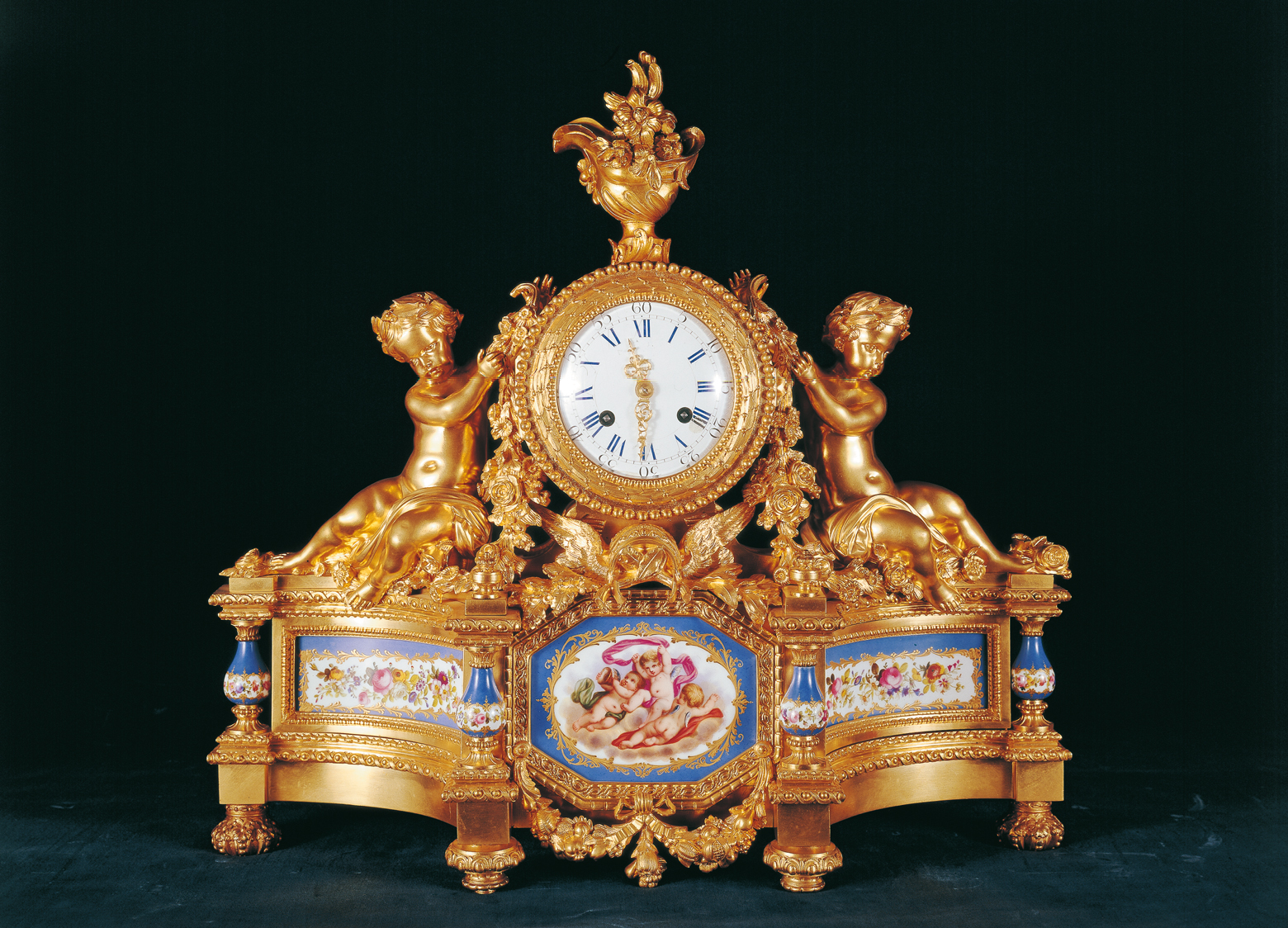
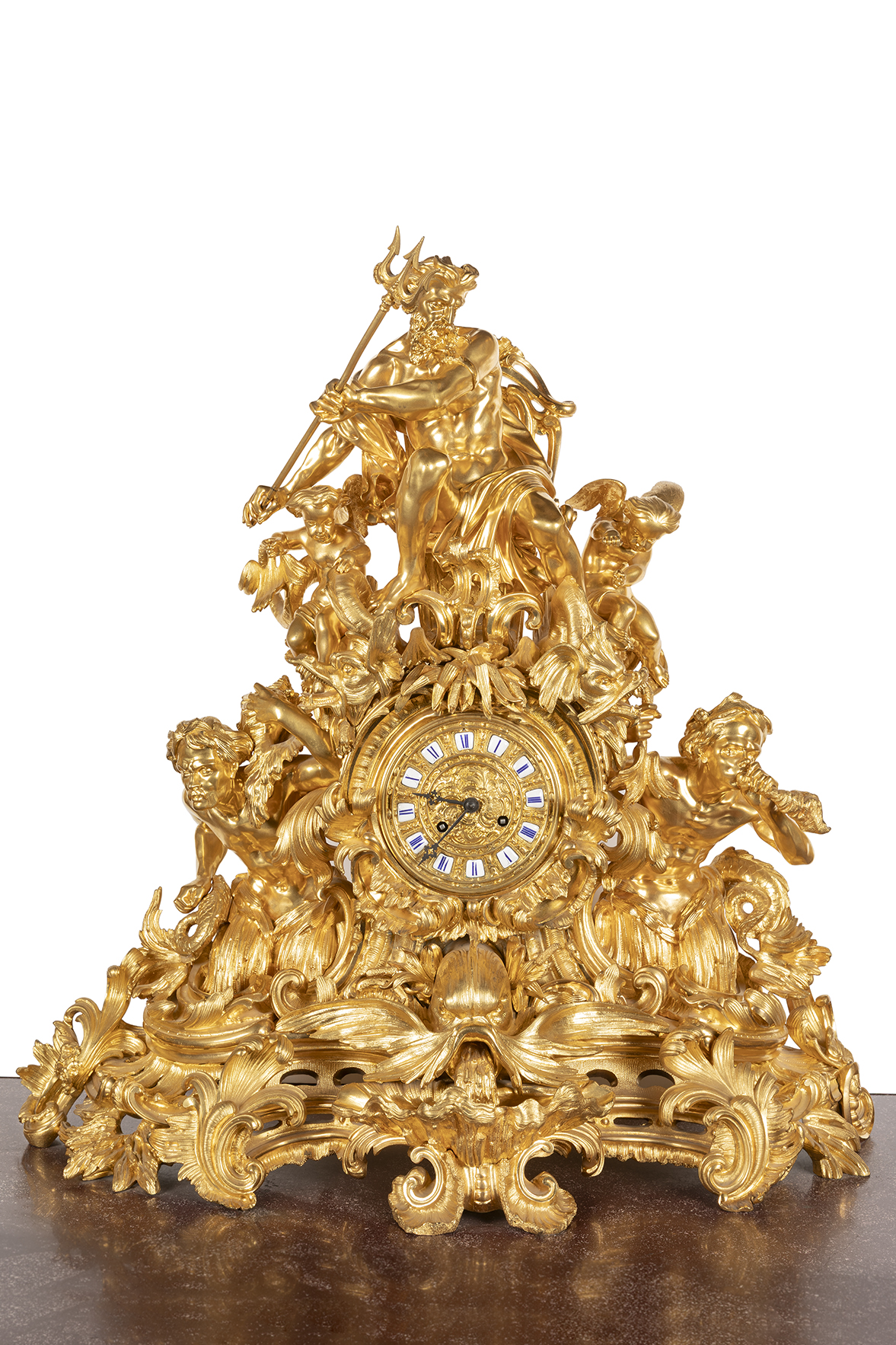
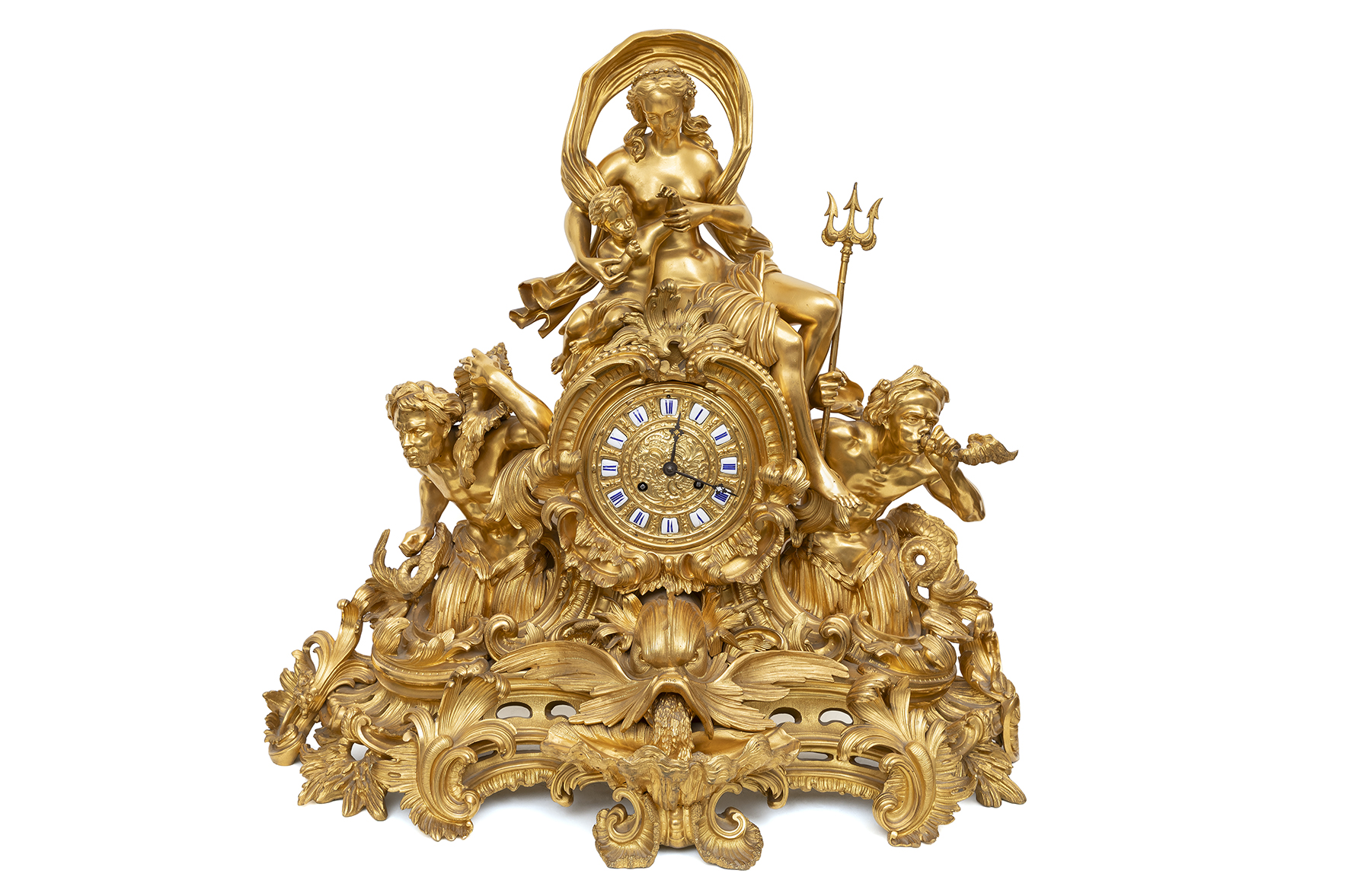
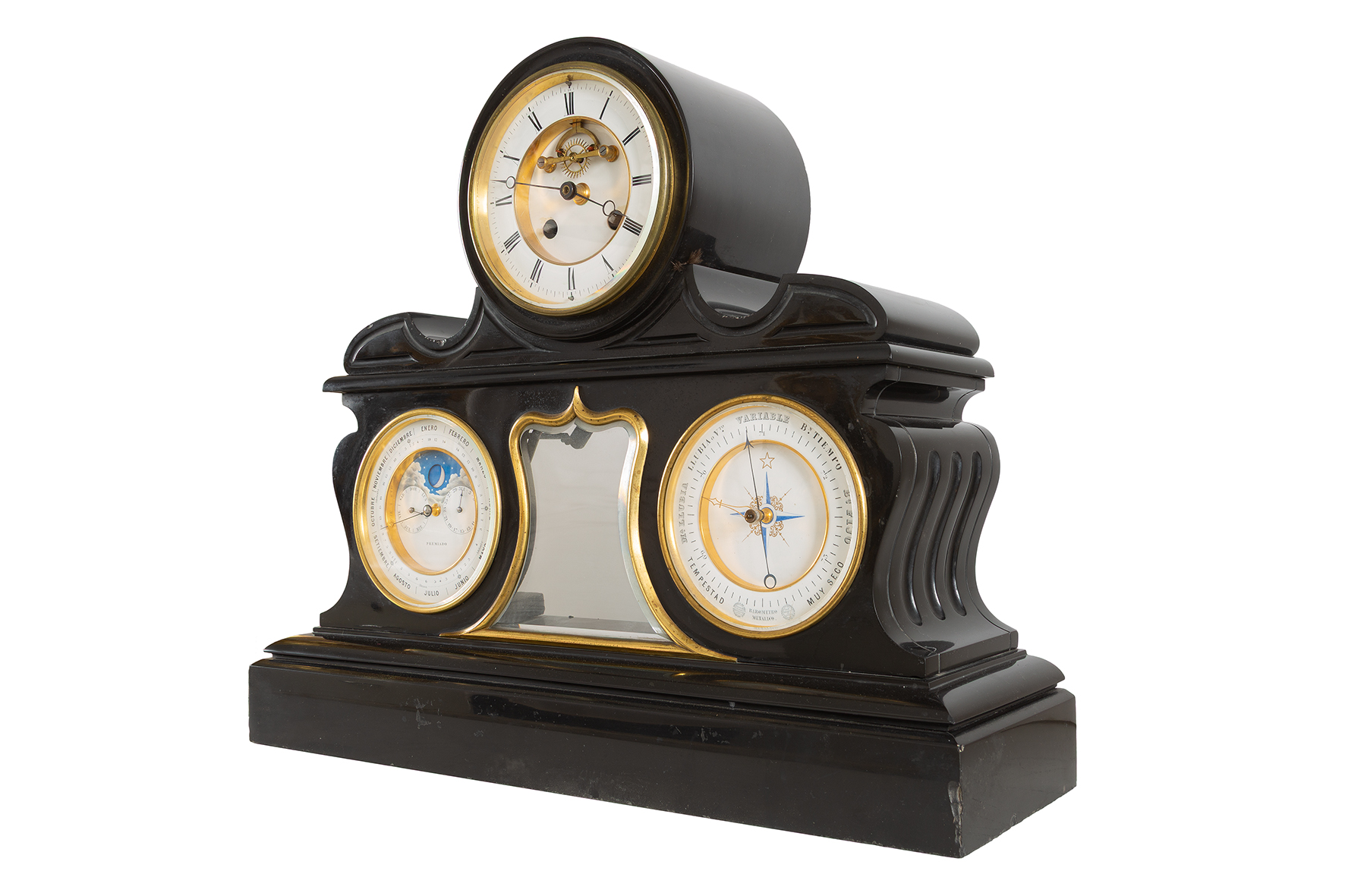
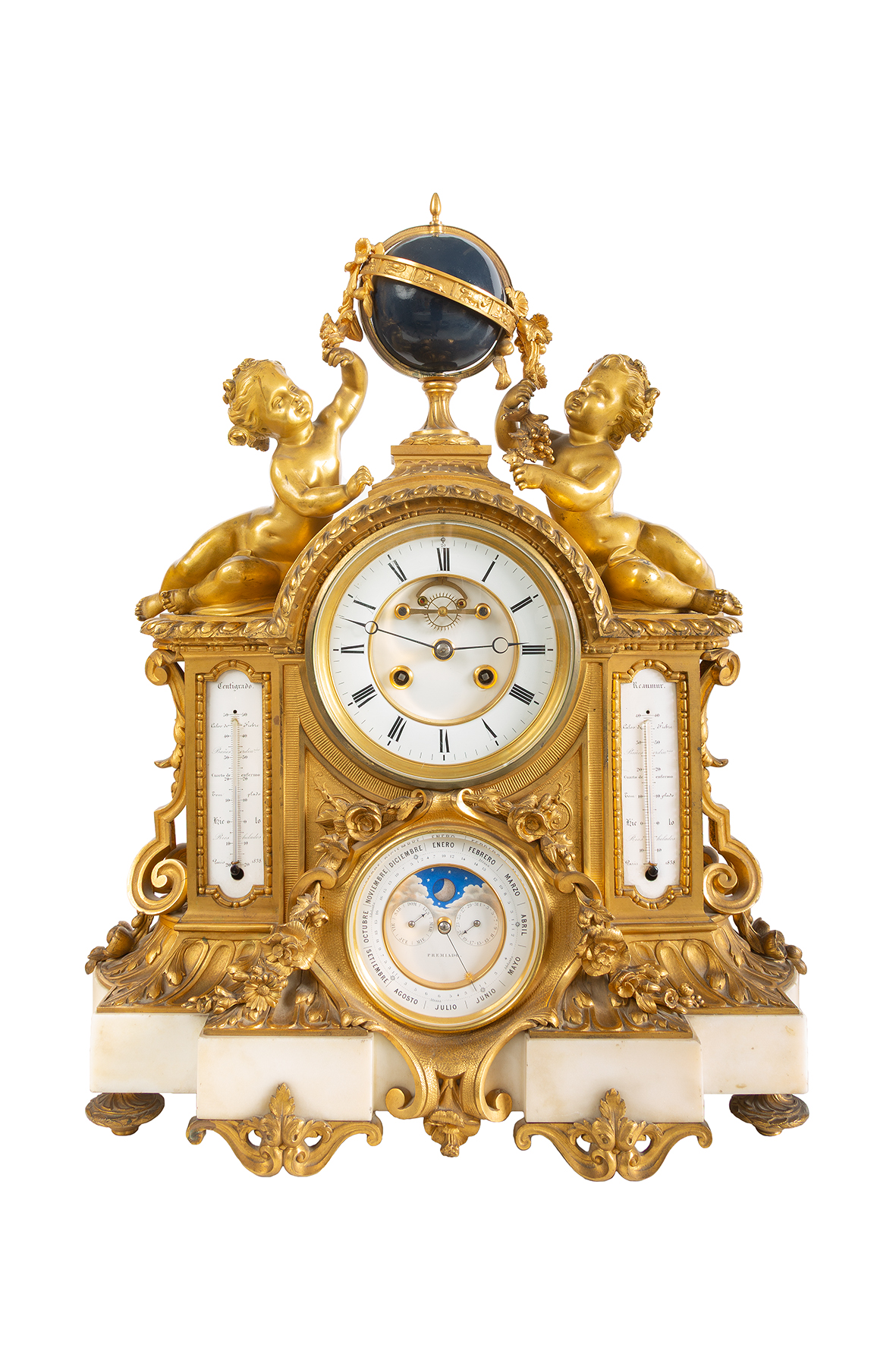
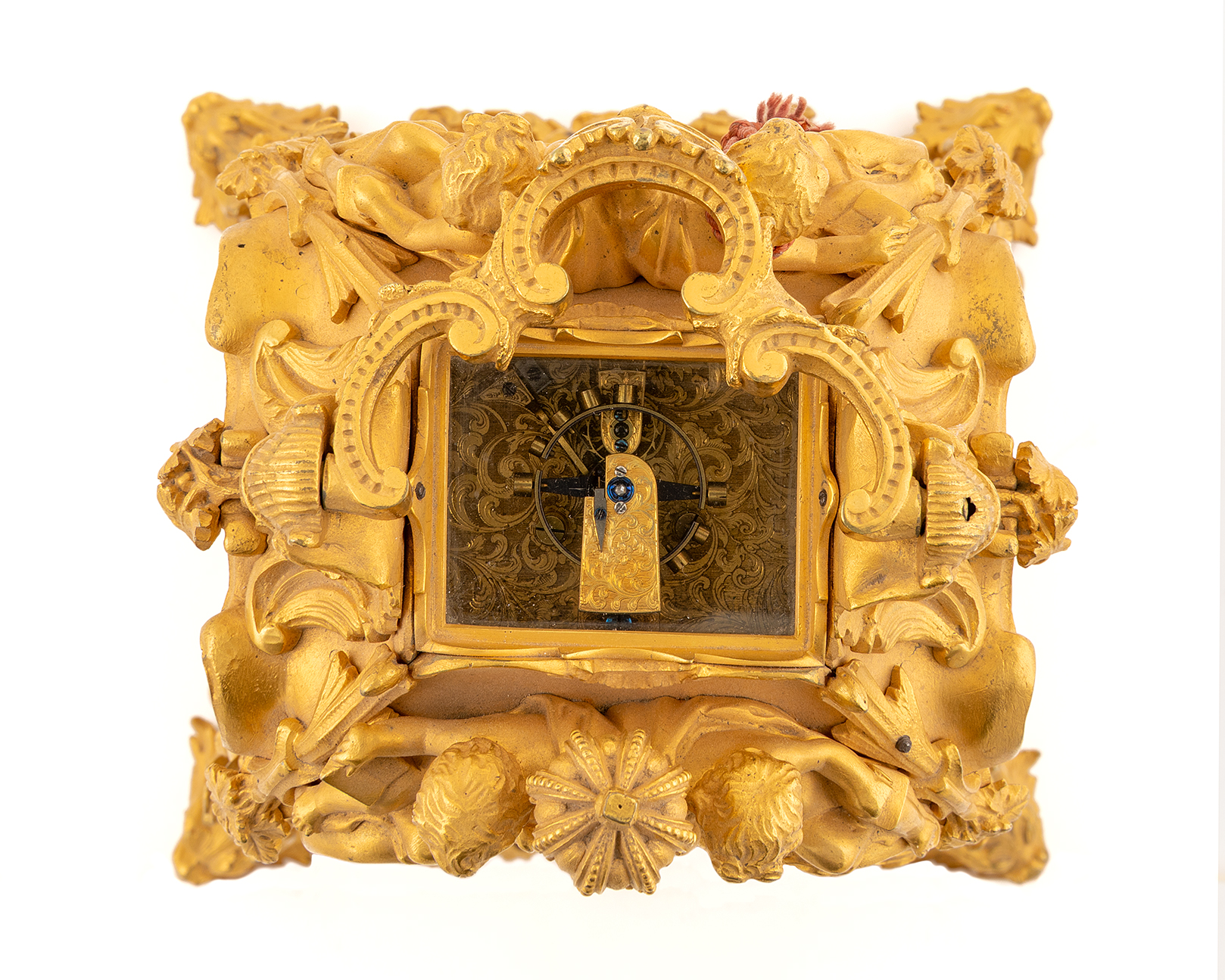
The Second Empire began in France during the final years of the reign of Louis Philippe, reached its height during the period of Napoleon III (1852–1870), and lasted until the end of the 19th century. It was an eclectic movement in which austere cases with straight profiles, made primarily in white or black marble, coexisted with cases that emulated 18th-century artistic styles, particularly Louis XIV and Louis XVI. In these latter examples, rocaille, lush vegetation, and exaggerated, ornate curves were revived. Once again, gilded bronze became the dominant material in the case.

The Leading Craftsmen

Isabella II continued to acquire clocks produced in England, France, and Spain. During her reign, several leading clockmakers furthered the study and manufacture of precision instruments and mechanisms, and introduced innovations in timekeeping. 
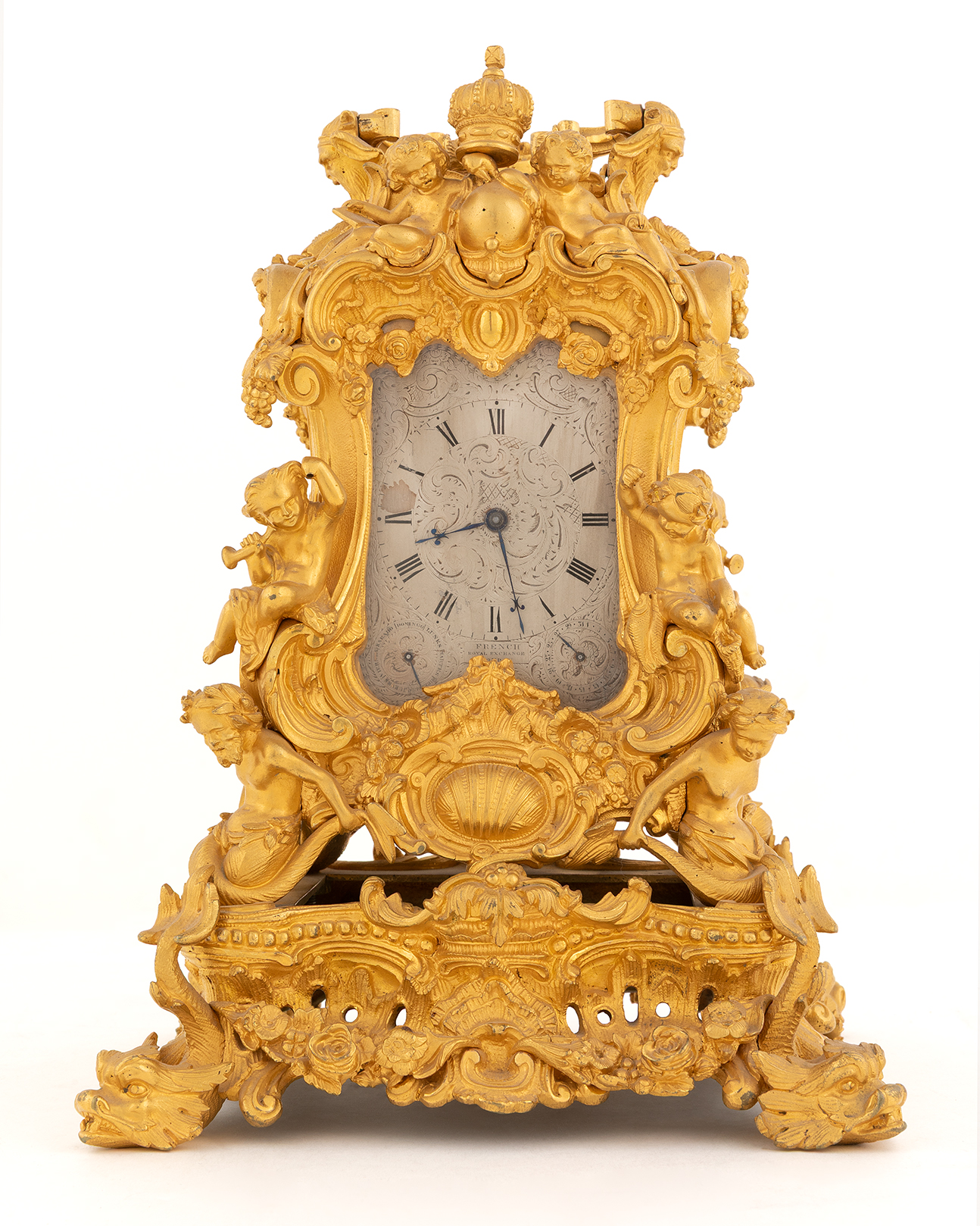
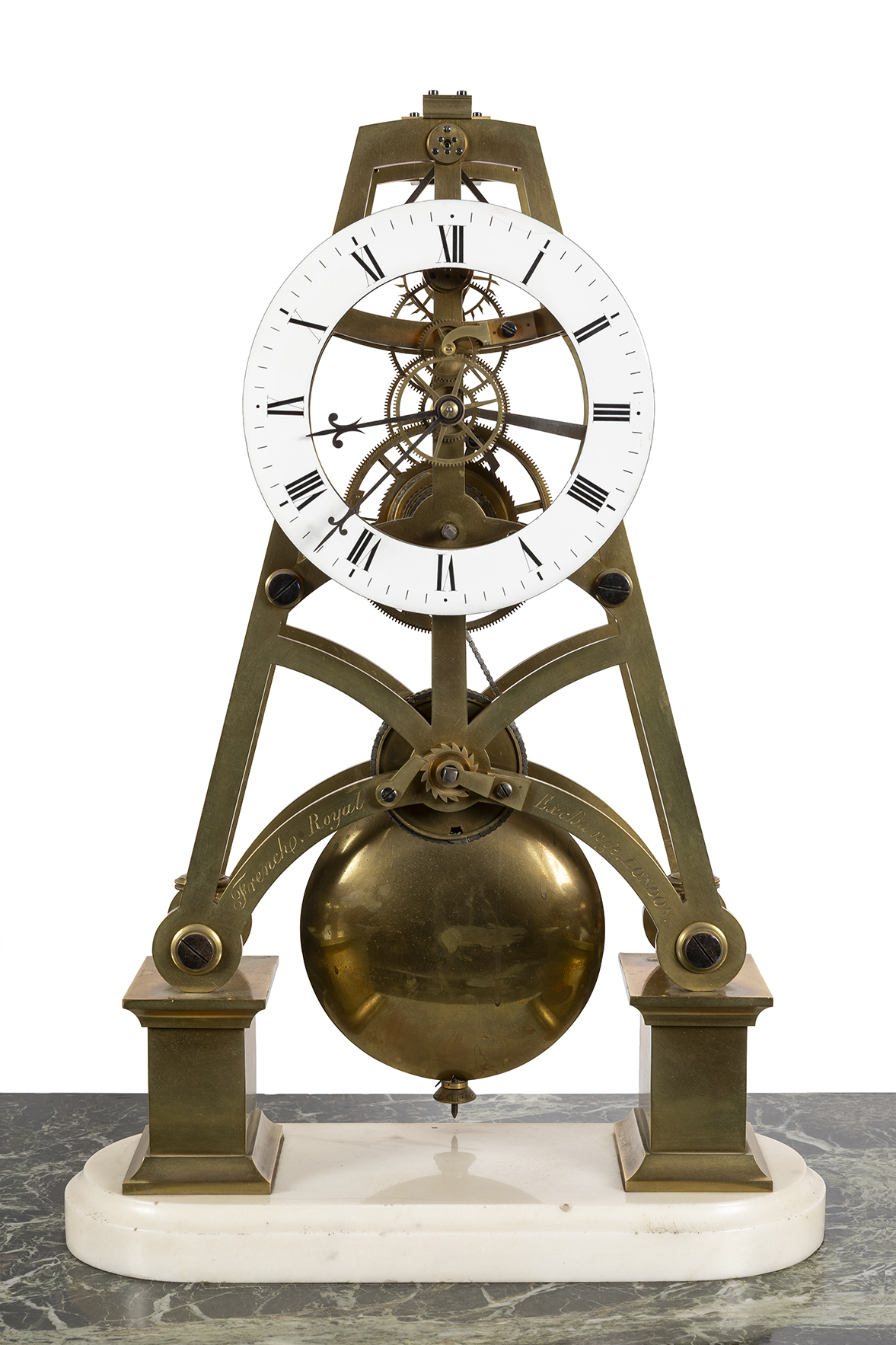
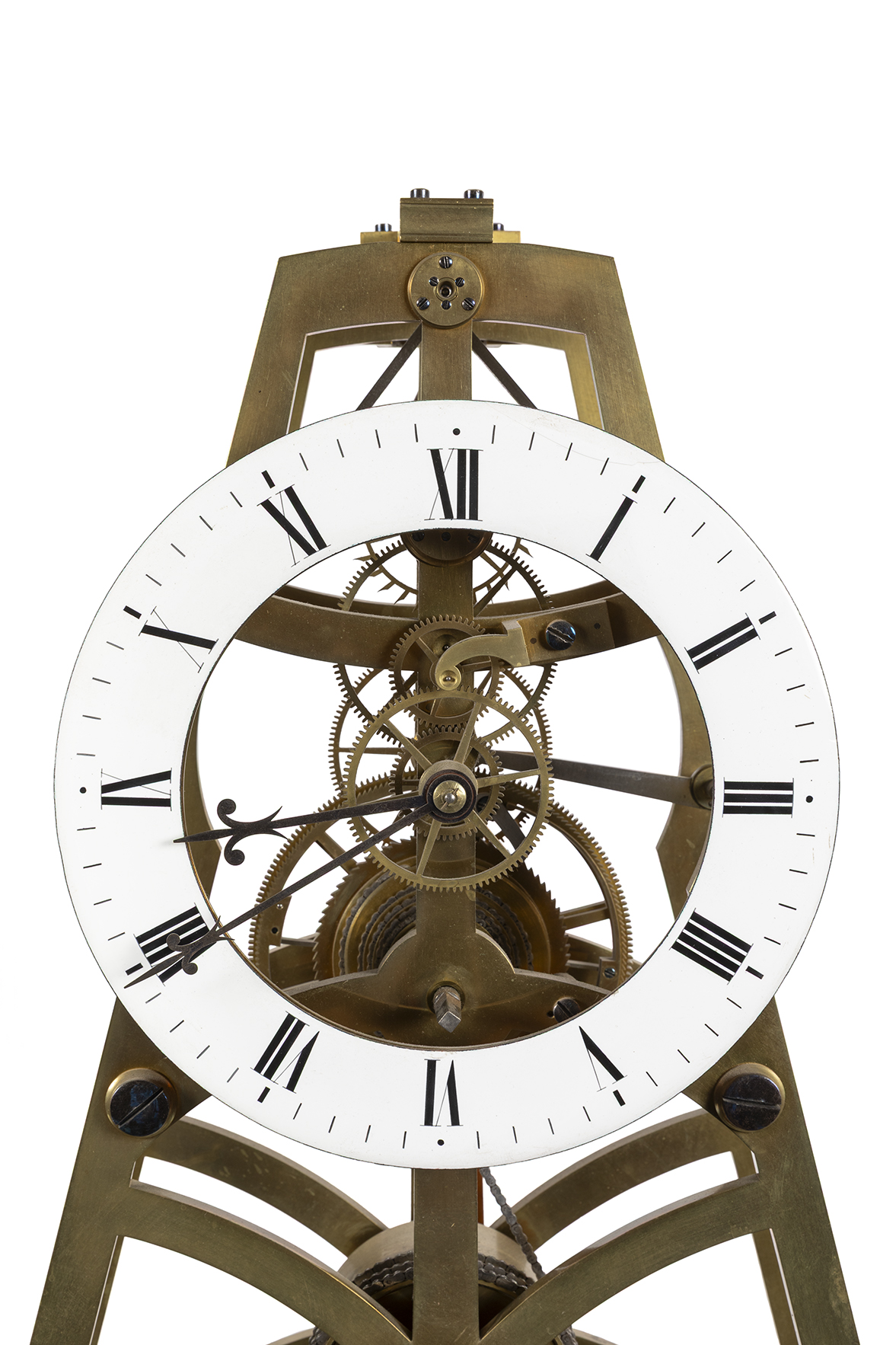
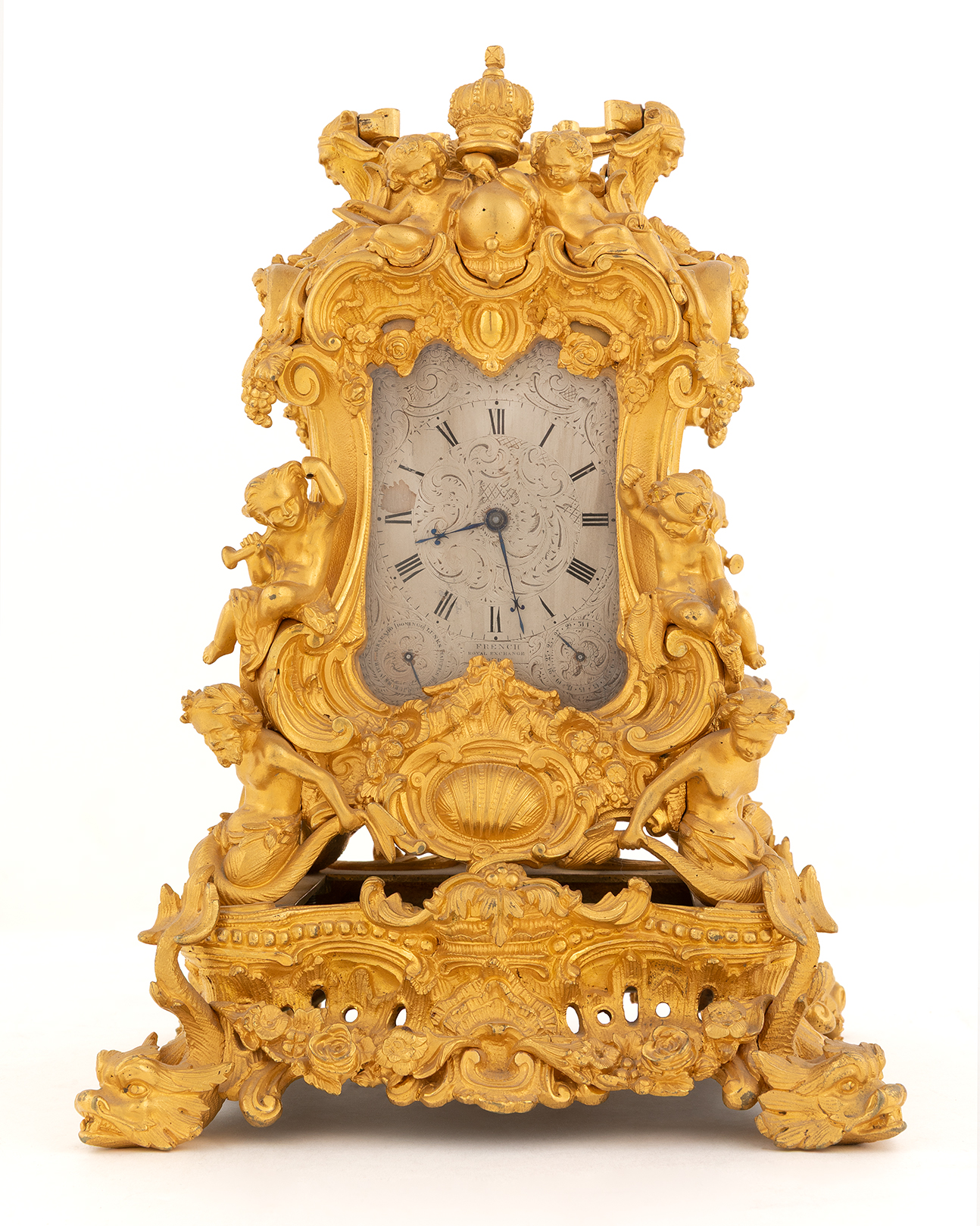
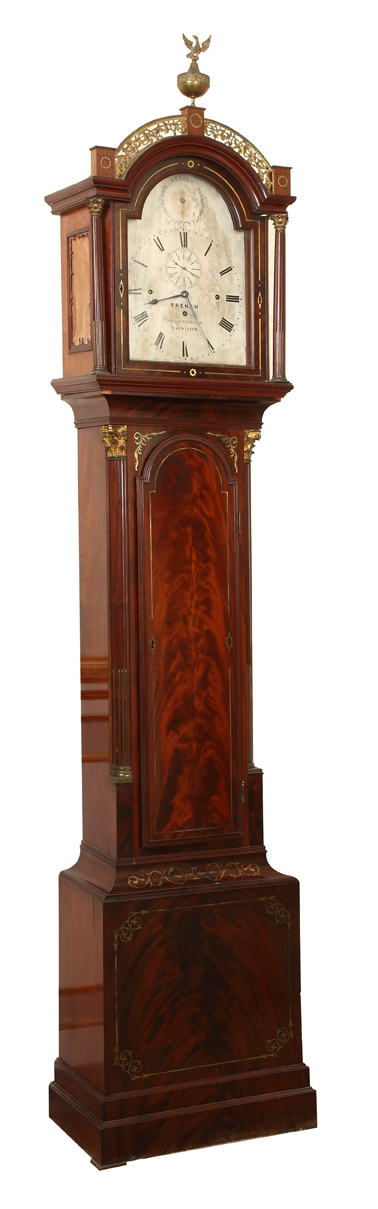
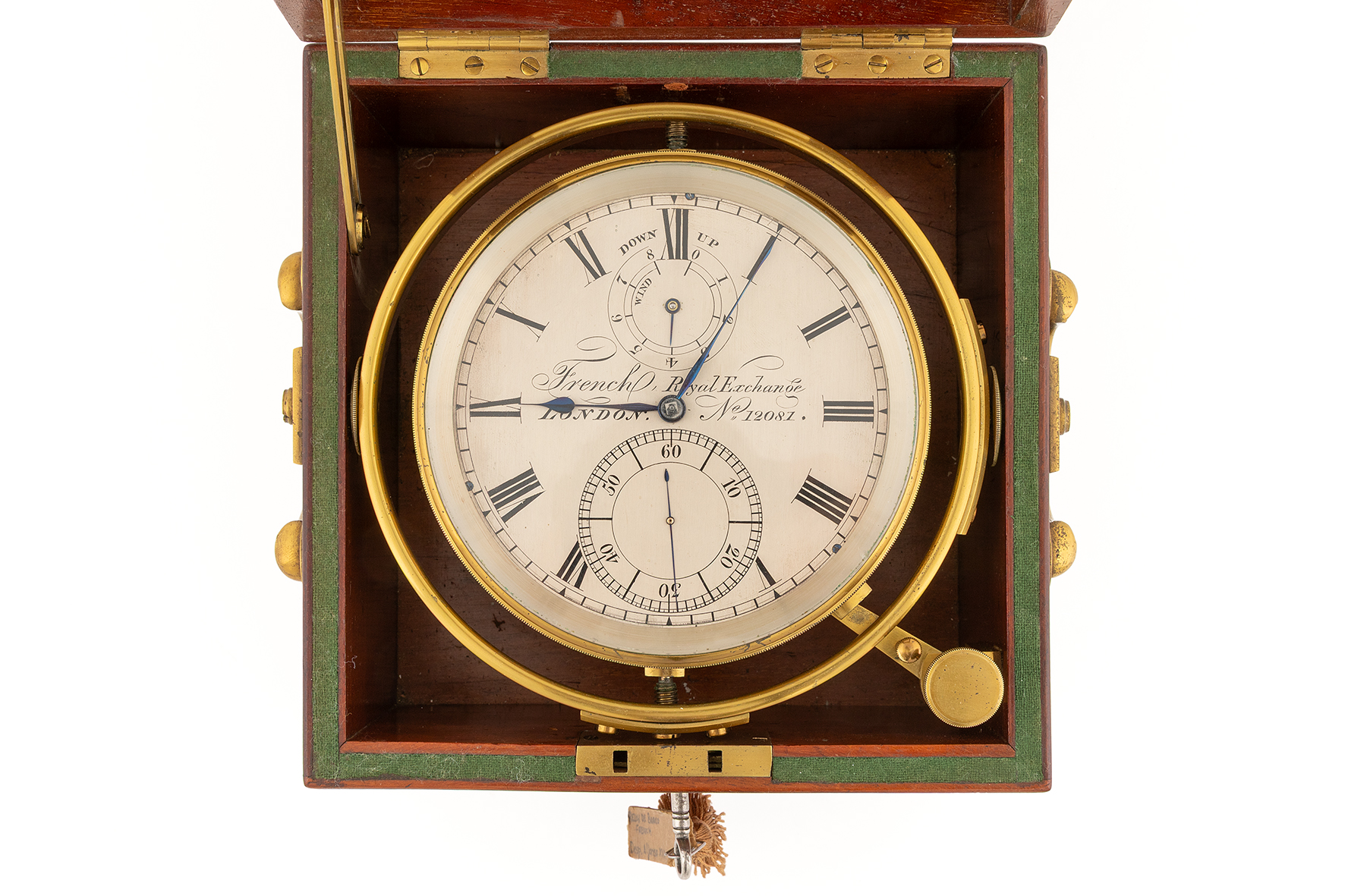
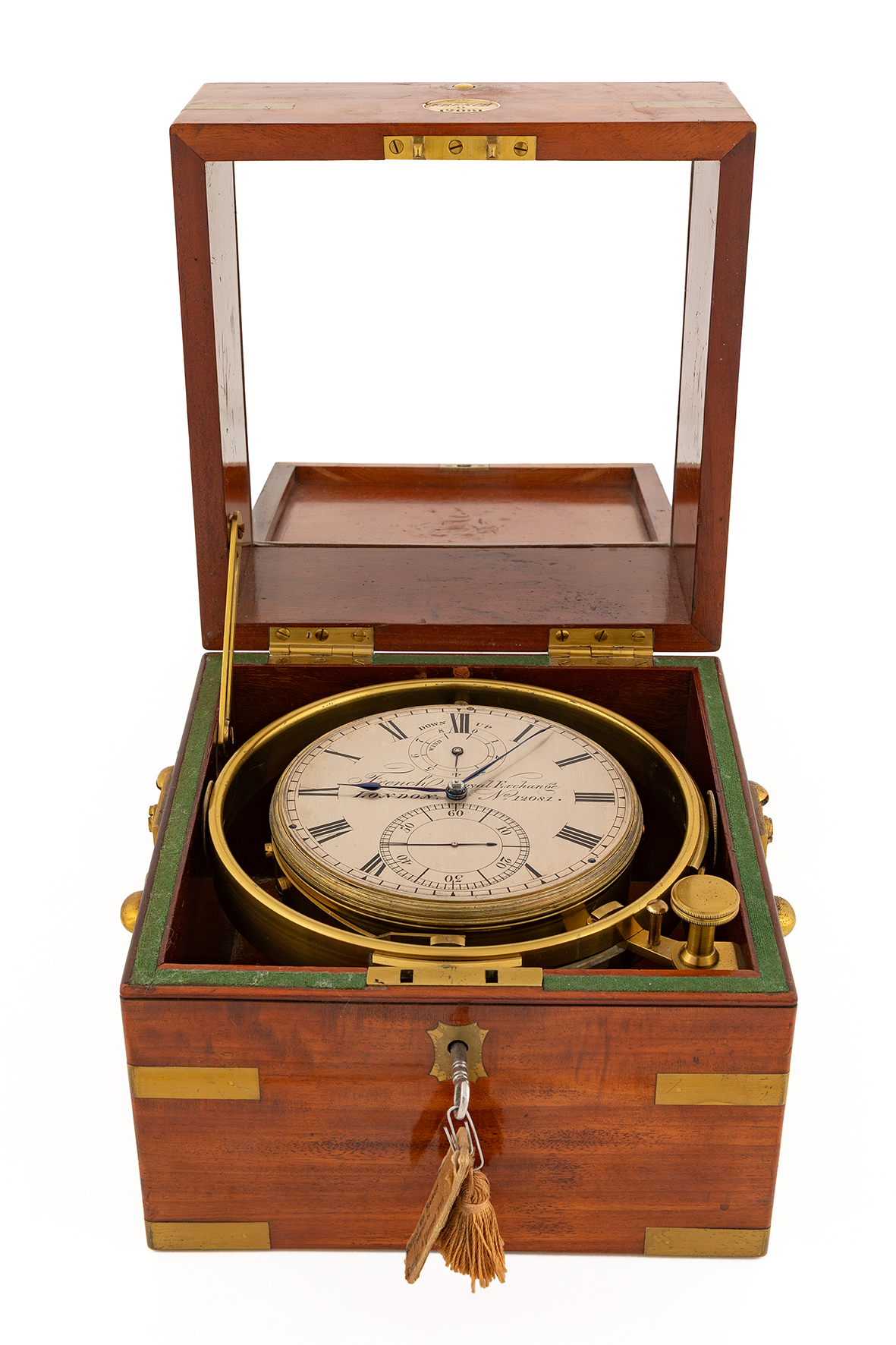
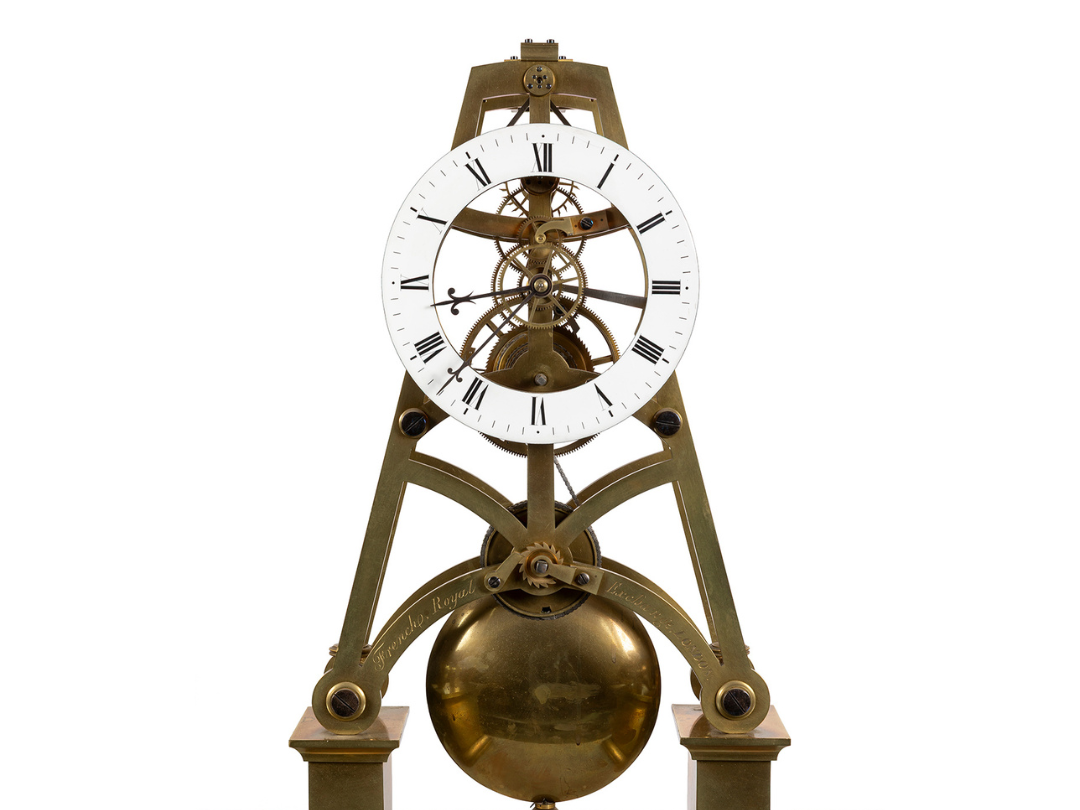
One notable figure was Santiago James Moore French, an Irish-born clockmaker and chronometrist, who maintained a shop-workshop first at 15 Sweetings Alley in London and later on Regent Street. He established strong commercial ties with the Spanish court, as evidenced by the dozen clocks—longcase, table, and wall clocks, some incorporating barometers, as well as chronometers—that are still preserved in the Royal Collections. 
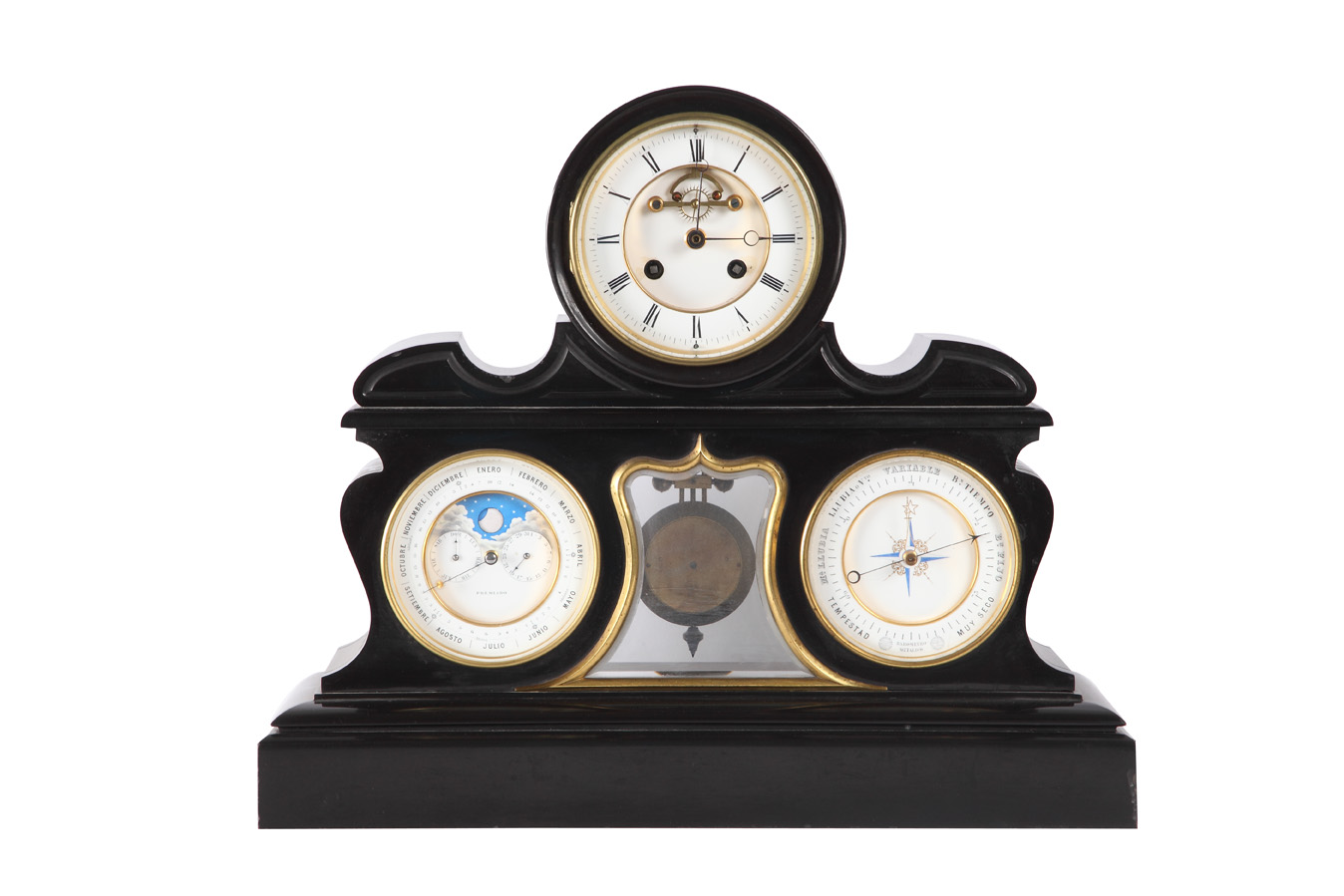
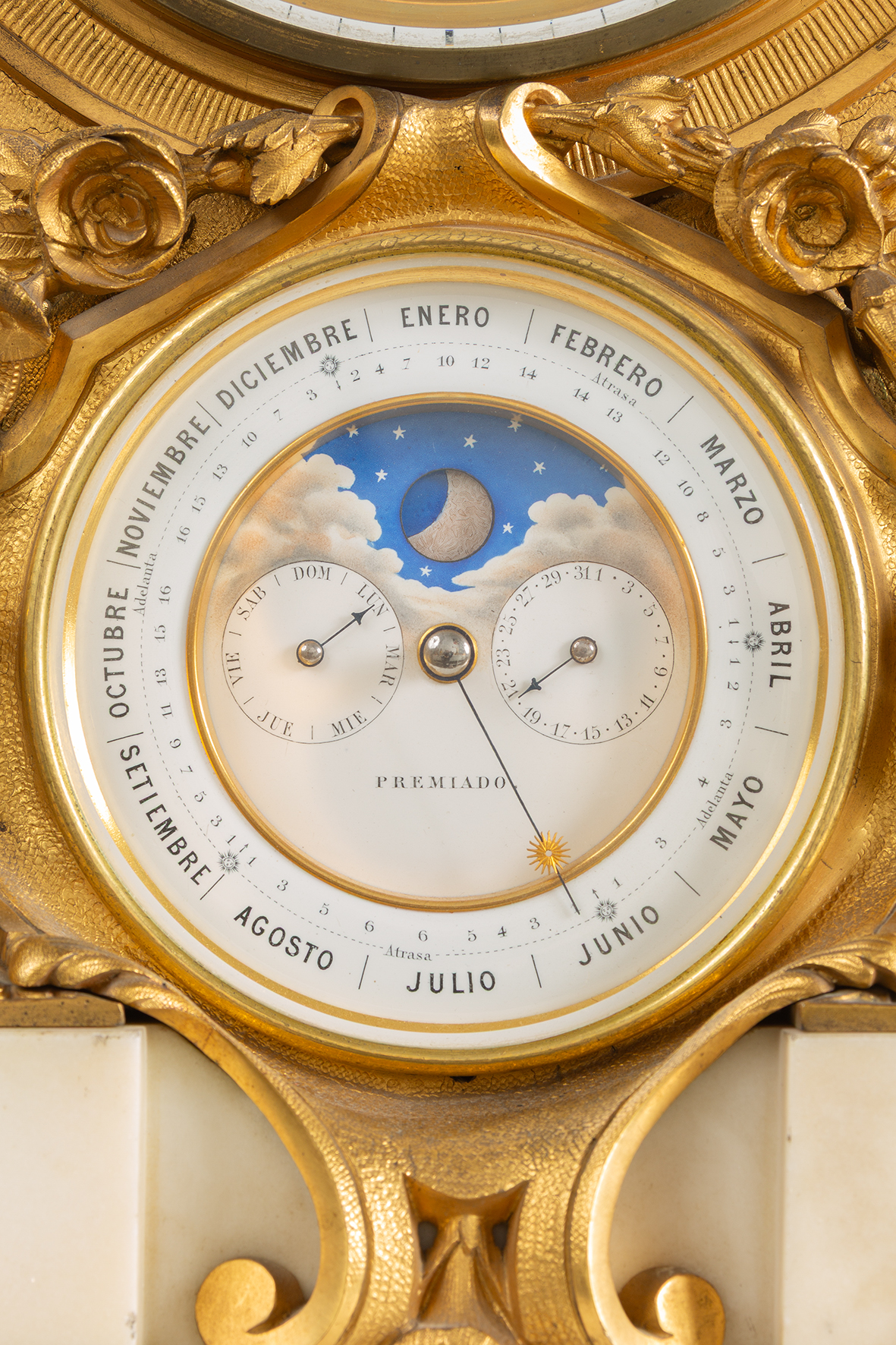
In France, the Brocot family—Louis-Gabriel and his sons Antoine-Gabriel and Louis-Achille—completely transformed the concept of clockmaking. They refined suspension mechanisms, developed visible and deadbeat escapements, perpetual calendars and the striking train.  As for the case, they created a simple model in white or black marble, rectangular in profile, with straight edges and moulded decoration. On the white enamel dial, in addition to the visible escapement, they conceived hands ending in trefoils. In 1851, Louis-Achille entered into partnership with Jean-Baptiste Delettrez, clockmaker and astute merchant who expanded his production across Europe. 
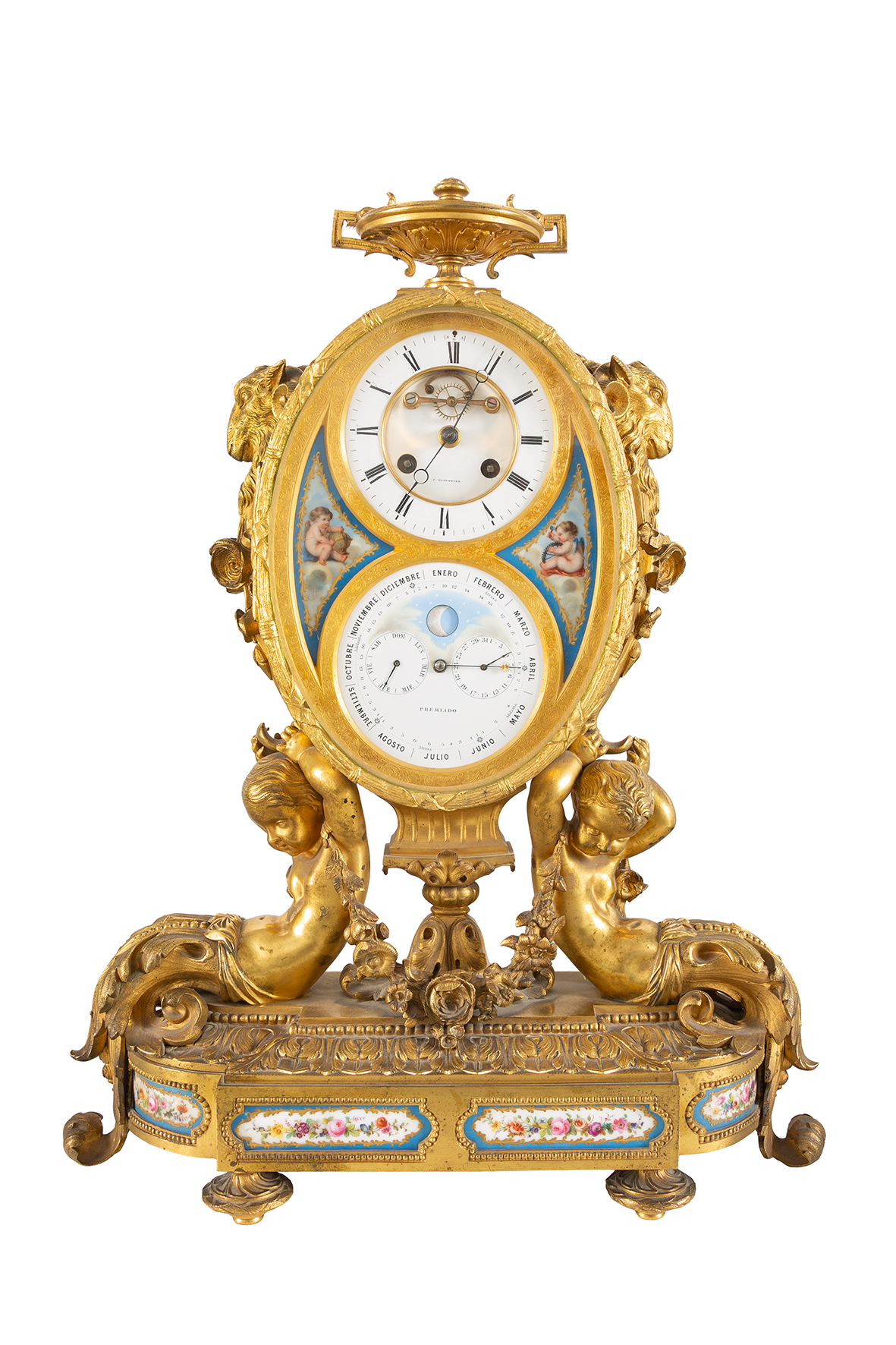
At the 1855 World’s Fair, they showcased a striking clock with a perpetual calendar—displaying hours, minutes, seconds, calendar, equation of time, and moon phases—which won widespread admiration and was awarded with the first-class medal. These clocks were often paired with a barometer and one or two thermometers.
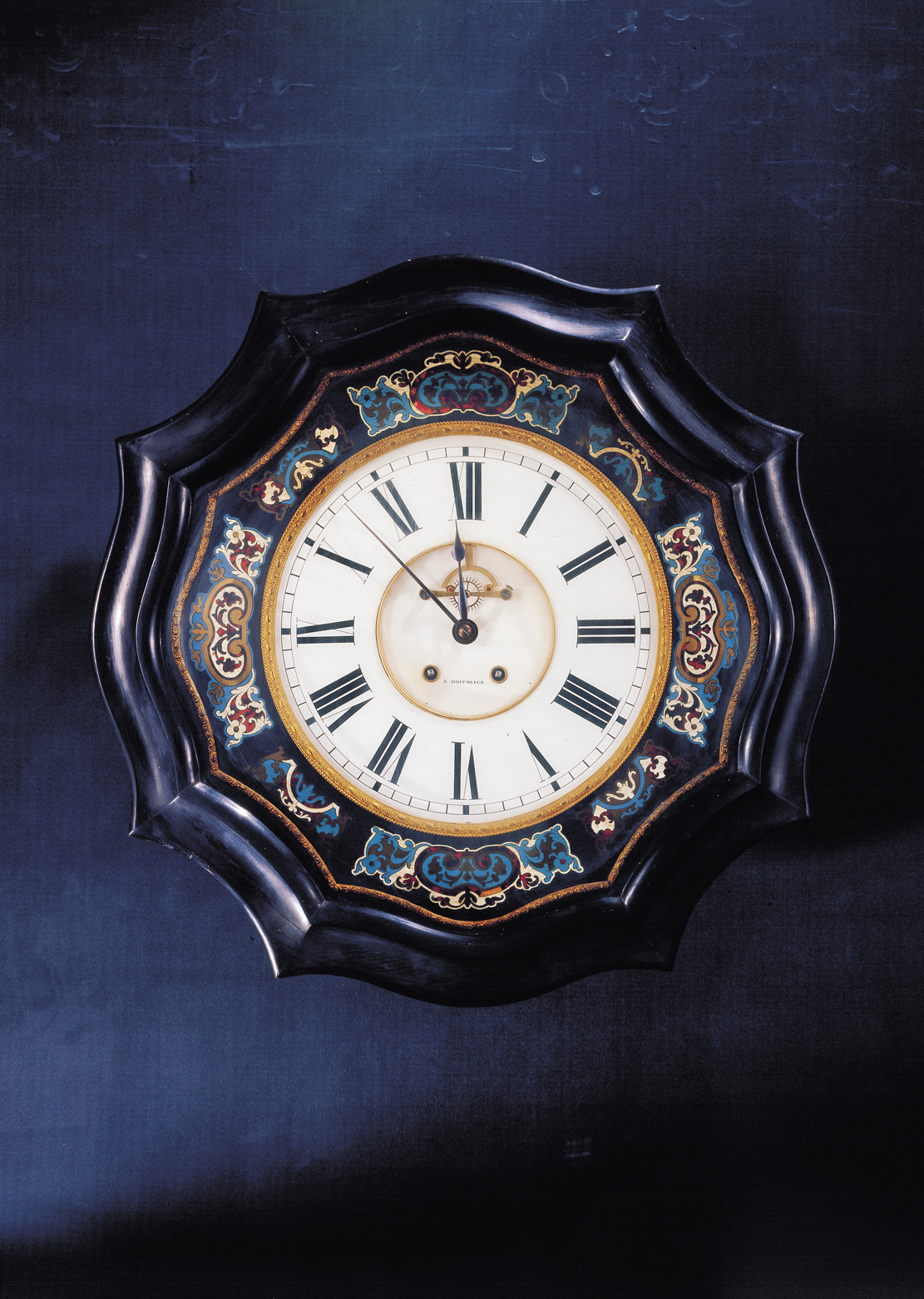
José Hoffmeyer Jiménez was appointed Royal Clockmaker to the Queen in 1849. He opened a shop at Calle de Alcalá in Madrid and served as Spanish representative of the French house. He produced his own movements and imported others from Geneva. He adapted the clocks installed in towers and other buildings throughout Madrid to the mean time system, that is, ensuring the consistent regulation of the mean solar day.

The Garniture

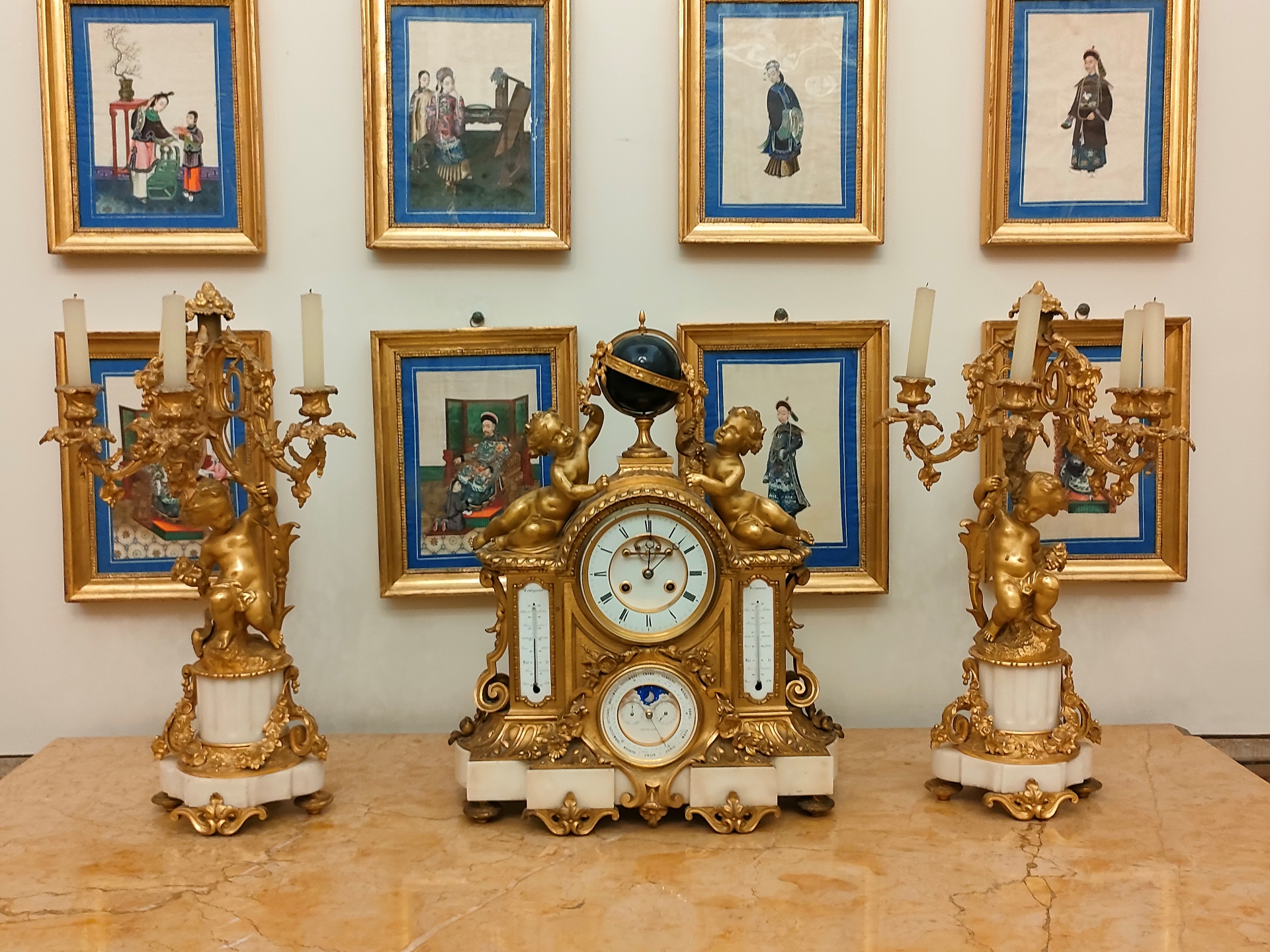
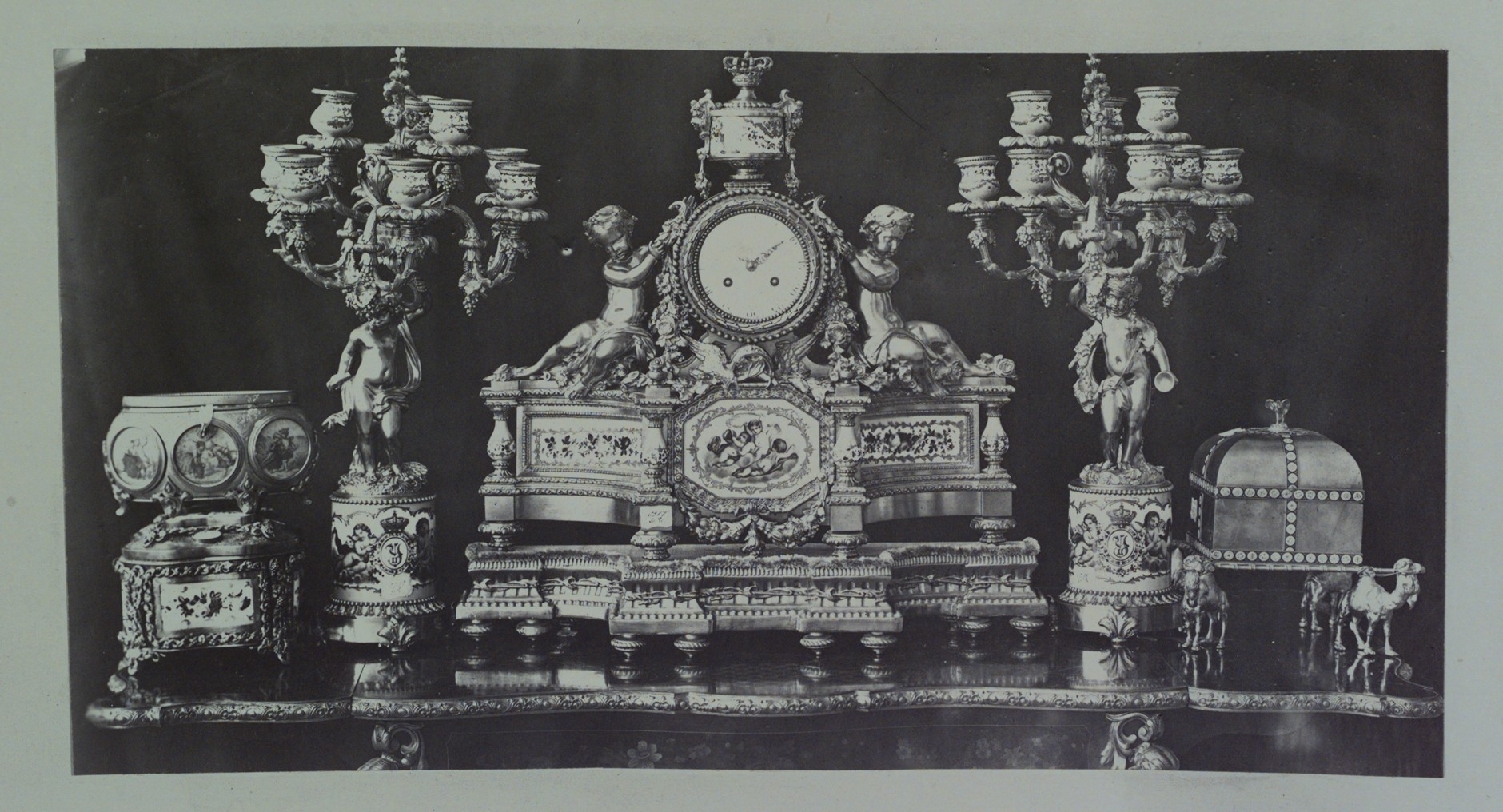
In the 19th century, the table clock with garniture became a popular feature in salon interiors. It comprised an integrated ensemble, usually of two candelabra or two vases, whose materials and design corresponded to those of the clock case. The garniture was typically placed on the mantelpiece, often before a mirror, allowing the rear side of the clock to be viewed. It could also be displayed on sideboards, chests of drawers, or salon tables, serving a purely ornamental function. Catalogues offering a variety of affordable models for an extensive clientele became increasingly widespread.  

The Movement

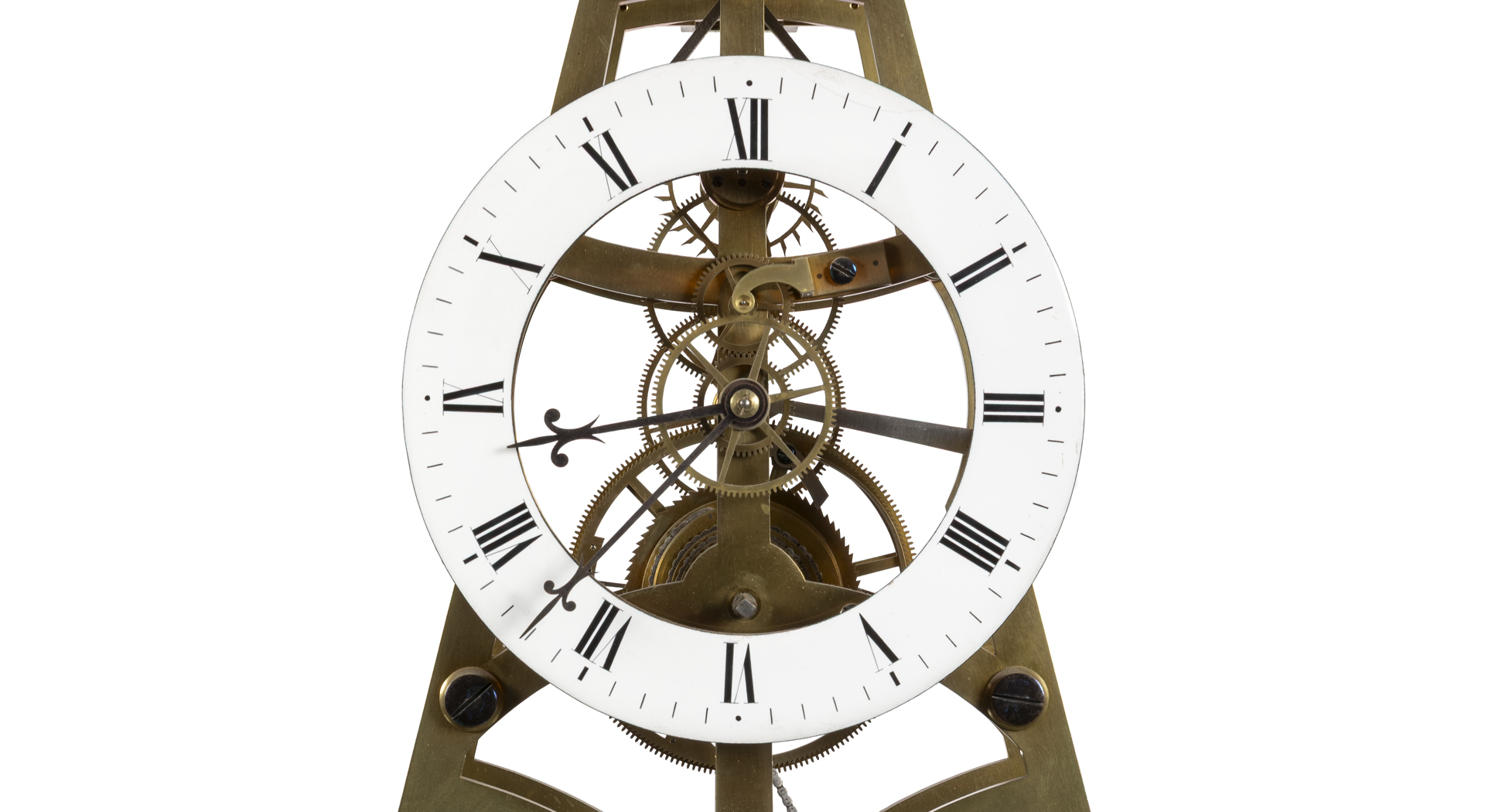
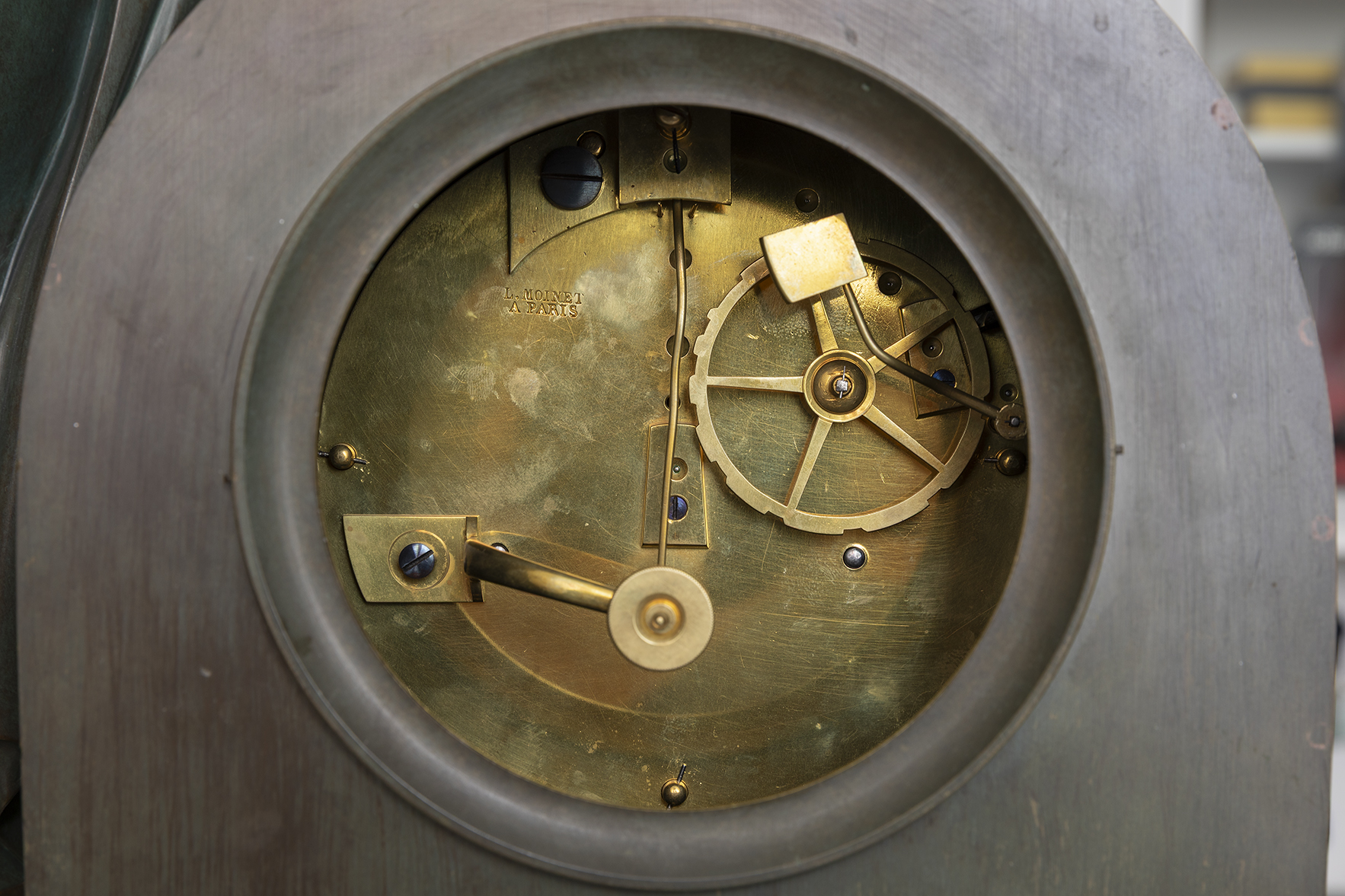
The movement most commonly used in these clocks is known as the “Paris type”. It consists of a mechanism enclosed within a cage formed by two plates or two gilded metal sheets—generally of brass—of circular shape, separated by pillars. The mainspring, a tensioned metal spring, is housed within a barrel and transmits power to a series of interlocking wheels of progressively decreasing size. The last and smallest wheel, the escape wheel, drives the oscillation of an anchor-shaped piece, which, connected to the pendulum, maintains a steady rhythm and regulates the motion of the clock hands. 
The striking train, which typically chimes the hours and half-hours, relies mainly on a count-wheel. Its outer edge is divided into twelve notches or grooves of unequal spacing. A lever rests on the wheel’s edge; when the striking train is engaged, the wheel rotates, and the lever falls into a notch, stopping the strike as a hammer sounds the bell.

Timekeeping at Sea

Since ancient times, navigation has faced two principal challenges: determining the ship’s course and its position at sea—that is, calculating its geographic coordinates, latitude and longitude. Until well into the 18th century, sea voyages were hazardous for lack of precise instruments. 
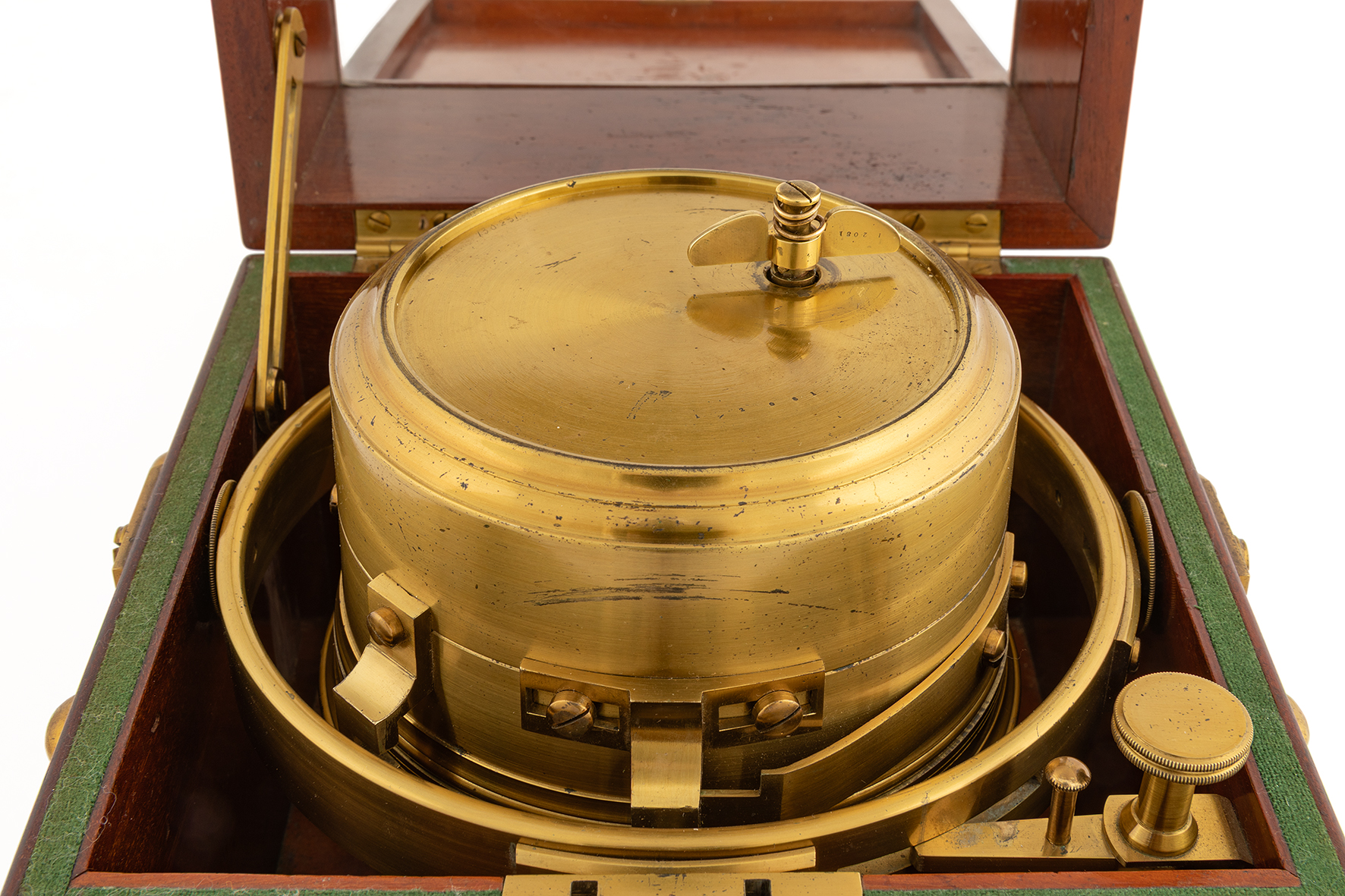
Scientific research culminated in the creation of a high-precision timepiece—a marine chronometer—which did not employ the pendulum typically found in domestic clocks, as this was unsuitable aboard ship due to the vessel’s motion and variations in gravity at different latitudes. It was designed to withstand violent, irregular movements and extreme meteorological conditions, including temperature, humidity, and atmospheric pressure. These chronometers were required to maintain a uniform rate and accurate time, referenced either to the port of departure or a standard meridian, in order to prevent navigational errors arising from drift.  
English clockmakers and chronometrists achieved most of the key technological innovations between 1815 and 1820.  These were compact instruments, often equipped with gimbal suspension, with a 24- or 56-hour power reserve, and protected by a convex, domed glass over the dial. From 1840 onwards, marine chronometers became larger, were fitted with flat glass, and had an eight-day power reserve.  

Authors and Collectors

Ferdinand VII
Monarch

Ferdinand VII

(El Escorial (Madrid), 1784 - La Granja (Segovia), 1833)

The ninth of fourteen children born to Charles IV (1748-1819) and Maria Luisa of Parma (1751-1819), the future Ferdinand VII was sworn in as Prince of Asturias before the Cortes on 23rd September 1789, following the successive deaths of his older brothers. The Prince’s early years were spent under the tutelage of his caretaker, the Marquess of Santa Cruz, and his successive tutors, of whom the best known were Canon Escóiquiz and his teacher, Father Cristóbal Bencomo. As part of his education, Prince Ferdinand studied philosophy, grammar and Latin, as well as being introduced to music and drawing, the latter being taught by the painter Antonio Carnicero. Married four times, Ferdinand VII's wives were Princess María Antonia of Naples and...
Read more
Isabella II
Monarch

Isabella II

(Madrid, 1830 - París (Francia), 1904)

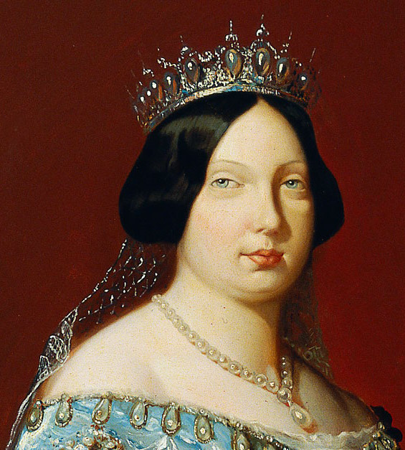
The first-born daughter of Ferdinand VII (1784-1833) and his fourth wife, Maria Christina of the Two Sicilies (1806-1878), the future Isabella II was sworn in as Princess of Asturias before the Spanish Cortes in the Church of San Jerónimo El Real in Madrid, on 20th June 1833. Barely three months later, she became Queen of Spain after the death of Ferdinand VII on 29th September that same year. During her minority, her mother Queen Maria Christina, and later General Baldomero Espartero, acted as regents. Isabella II's childhood was marked not only by the outbreak of the first Carlist War (1833-1840), which called into question her legitimacy as Queen against the supporters of her uncle, the Infante Carlos María Isidro (1788-1855), but...
Read more

Organized by: Patrimonio Nacional

Curator: Amelia Aranda Huete

Coordinator: Irene Álvarez Jiménez

Museographic Design: Mayo & Más Gestión Creativa S.L

Museographic Installation: Artec Exposiciones S.L.