Use of Cookies

The Royal Collections Gallery uses its own and third-party cookies, mainly for technical purposes, which are necessary to provide our services and provide you with relevant content. More information in our cookies policy. Cookies Policy.

ACCEPT to confirm that you have read the information and accepted their installation. You can change your browser settings.

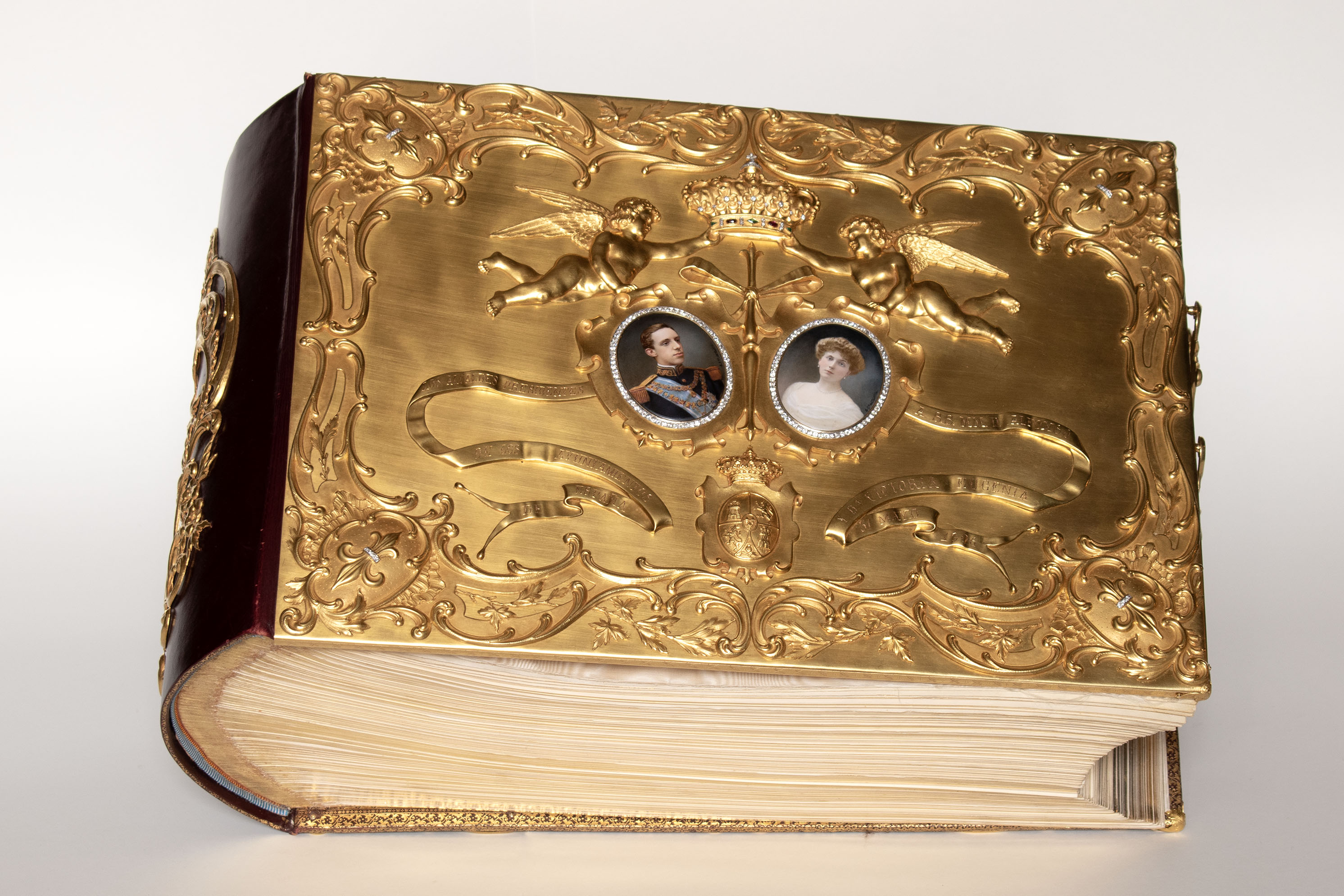
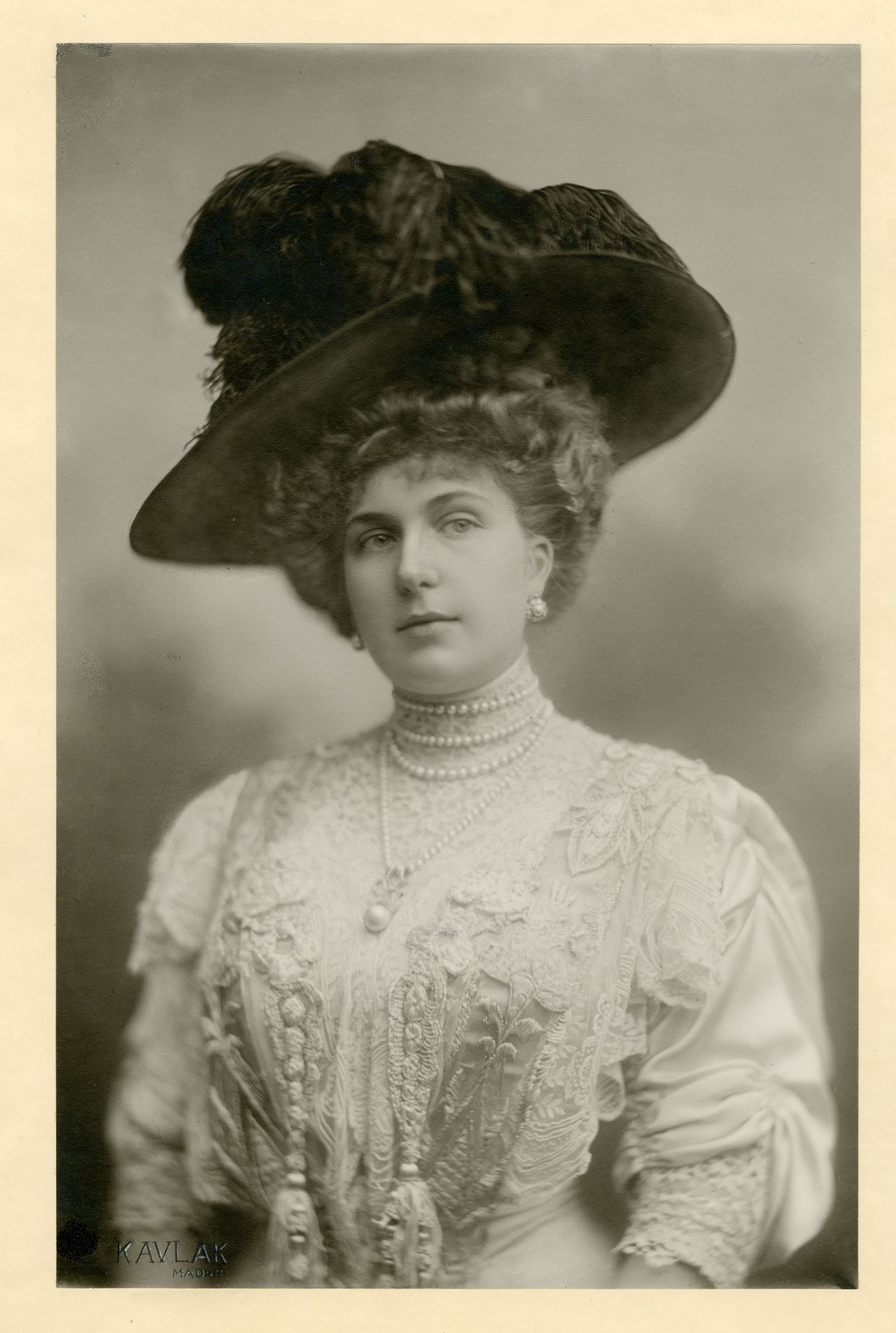
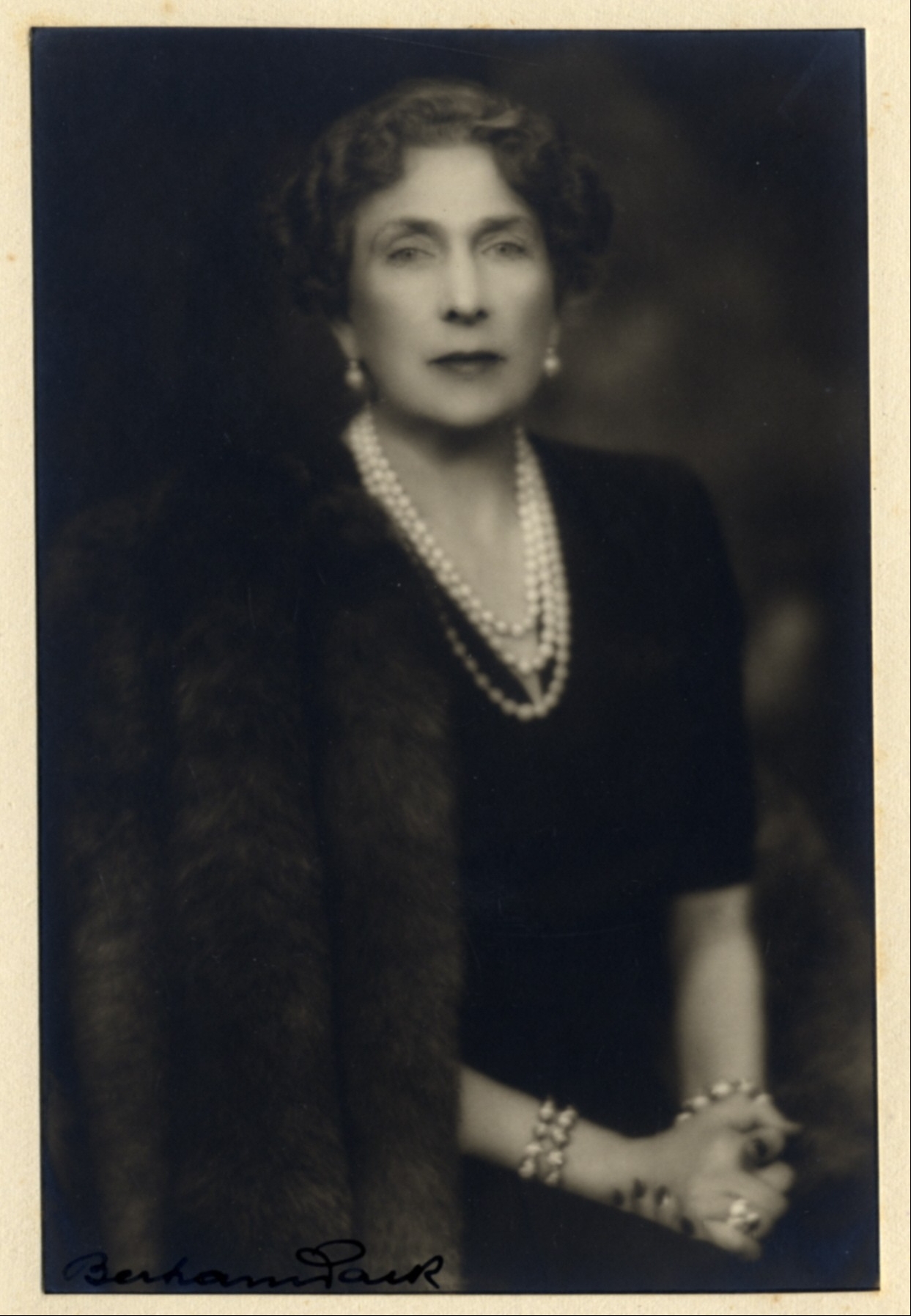
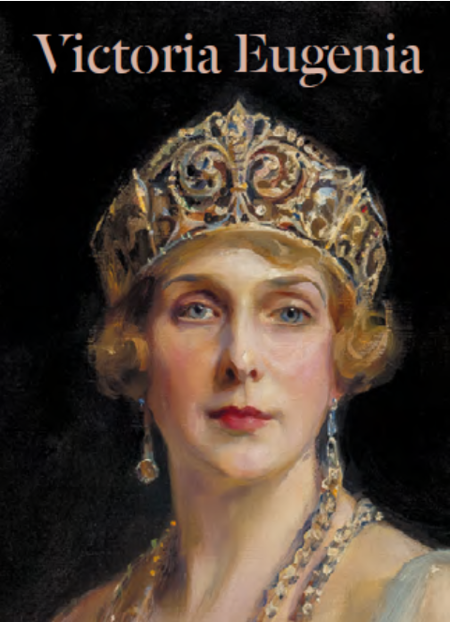
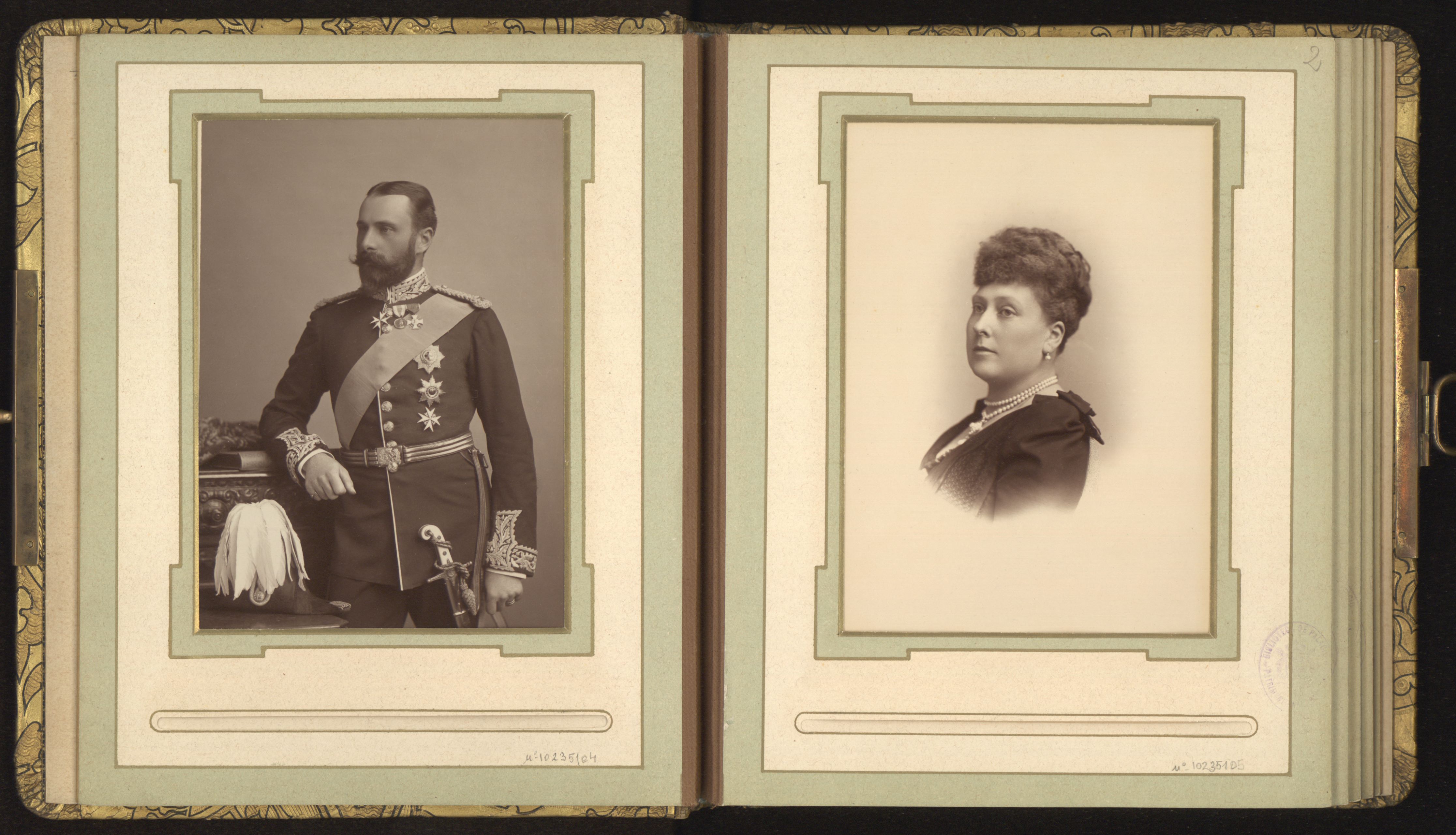
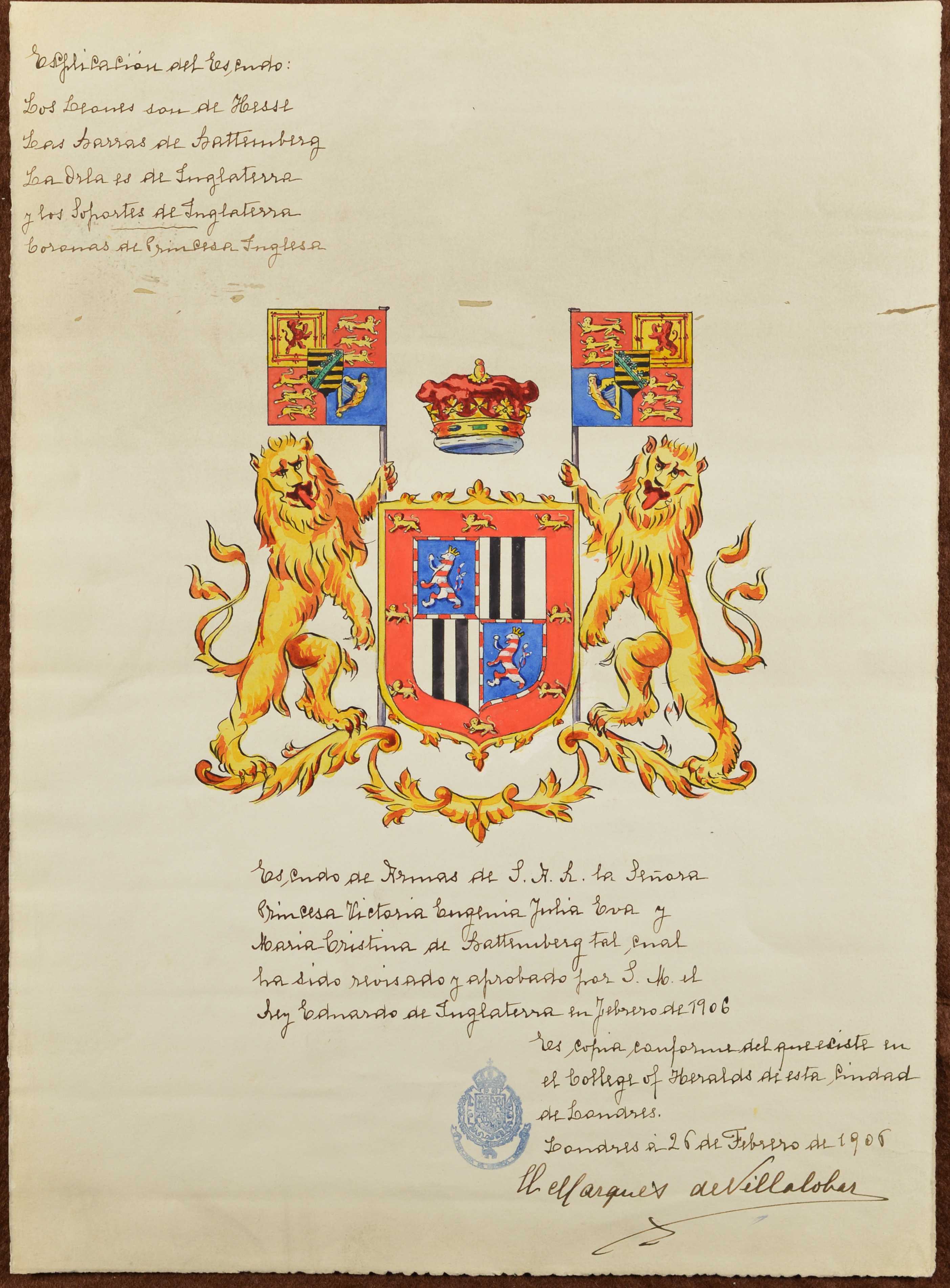
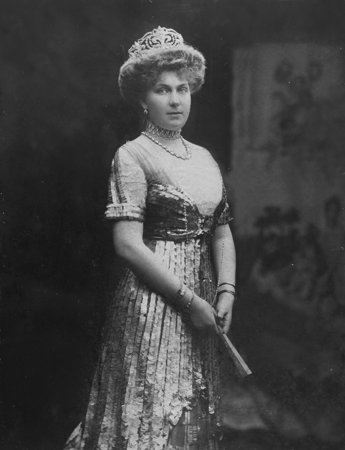
Victoria Eugenia (Eugenie) of Battenberg, granddaughter of Queen Victoria of England, first set foot in Spain to formalise her engagement to King Alfonso XIII in January 1906. She became Queen of Spain only four months later. 
Thanks to the discipline of her British education, she fully adapted to the demands of her new rank, remained loyal to the king and the Crown, and ensured the succession by giving birth to seven children. 

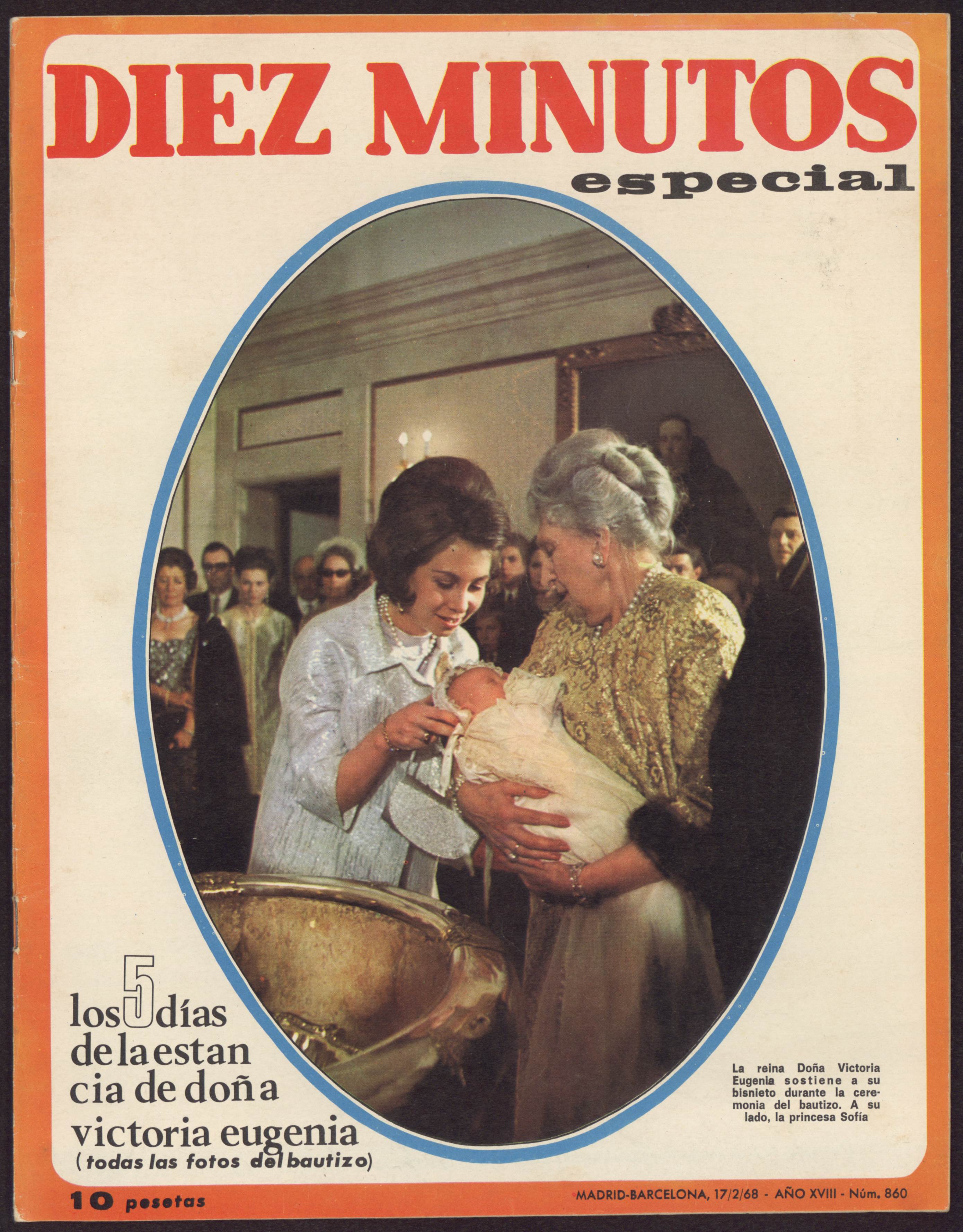
Victoria Eugenia modernised the role of queen consort, which she held until 15 April 1931, the date of her exile. After that she only returned to the country once: for the christening of her great-grandson, the current King Felipe VI, in 1968.

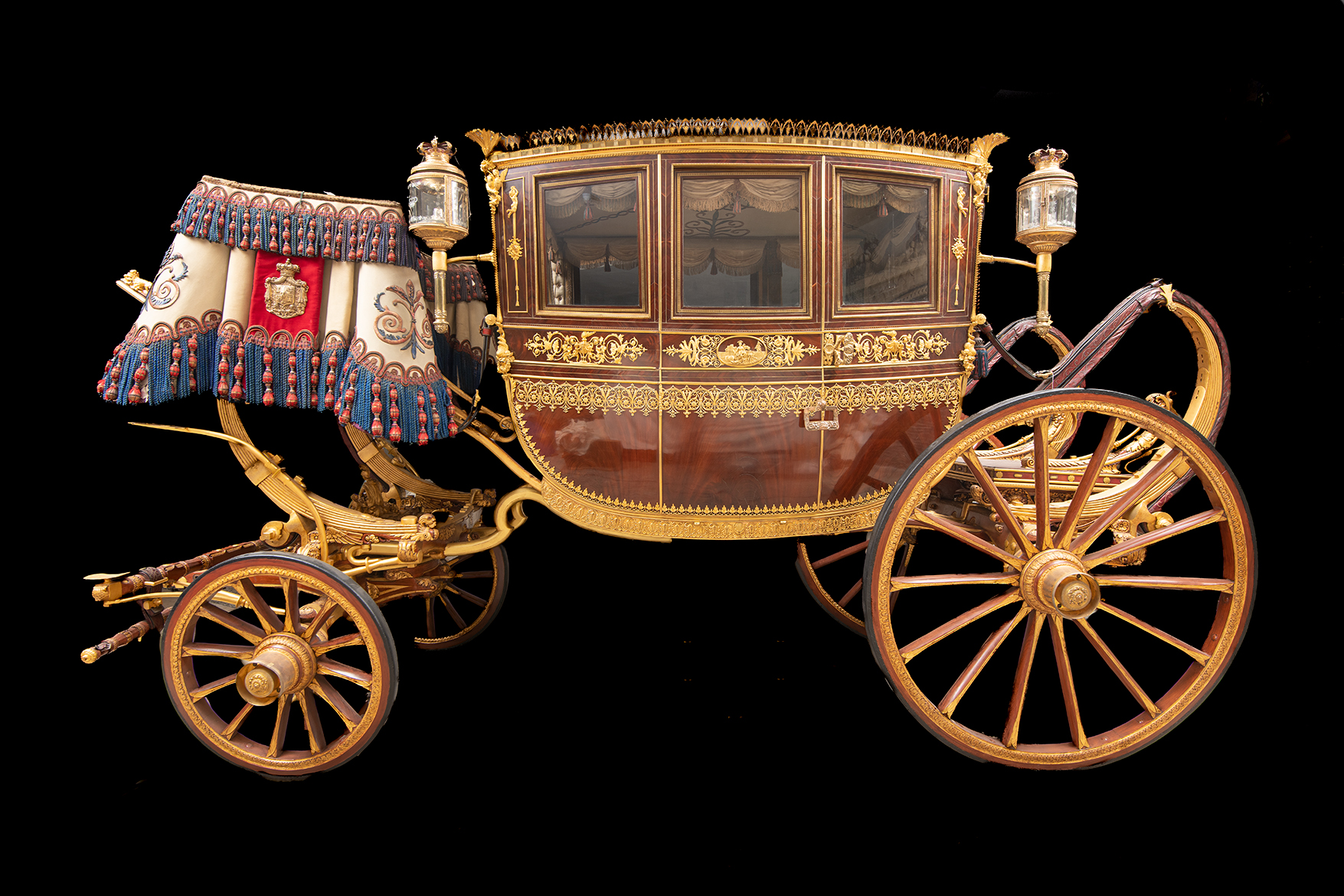
This exhibition provides an introduction to the figure of the queen and pays tribute to her contribution to Spanish society. It examines her childhood at the English court, her engagement and marriage, her public image as a queen consort and her role as a mother, as well as offering a glimpse of her private personality. However, the main focus of the show is her transformative work at the Spanish court, her official duties, her support for charitable causes and her intense public activity, which was key to her popularity.

Buy Tickets
  • Opening Hours

    Monday to Saturday from 10 am to 8 pm. Sundays and Bank Holidays from 10 am to 7 pm.

  • Admission

    Plaza de la Armería: visits the Royal Collection Gallery and temporary exhibitions. Groups will enter through the Cuesta de la Vega / Campo del Moro Gardens entrance

  • Prices

    • Admission for temporary exhibitions 8€

    • Standard Admission (Gallery and Temporary Exibitions) 14€

The british years

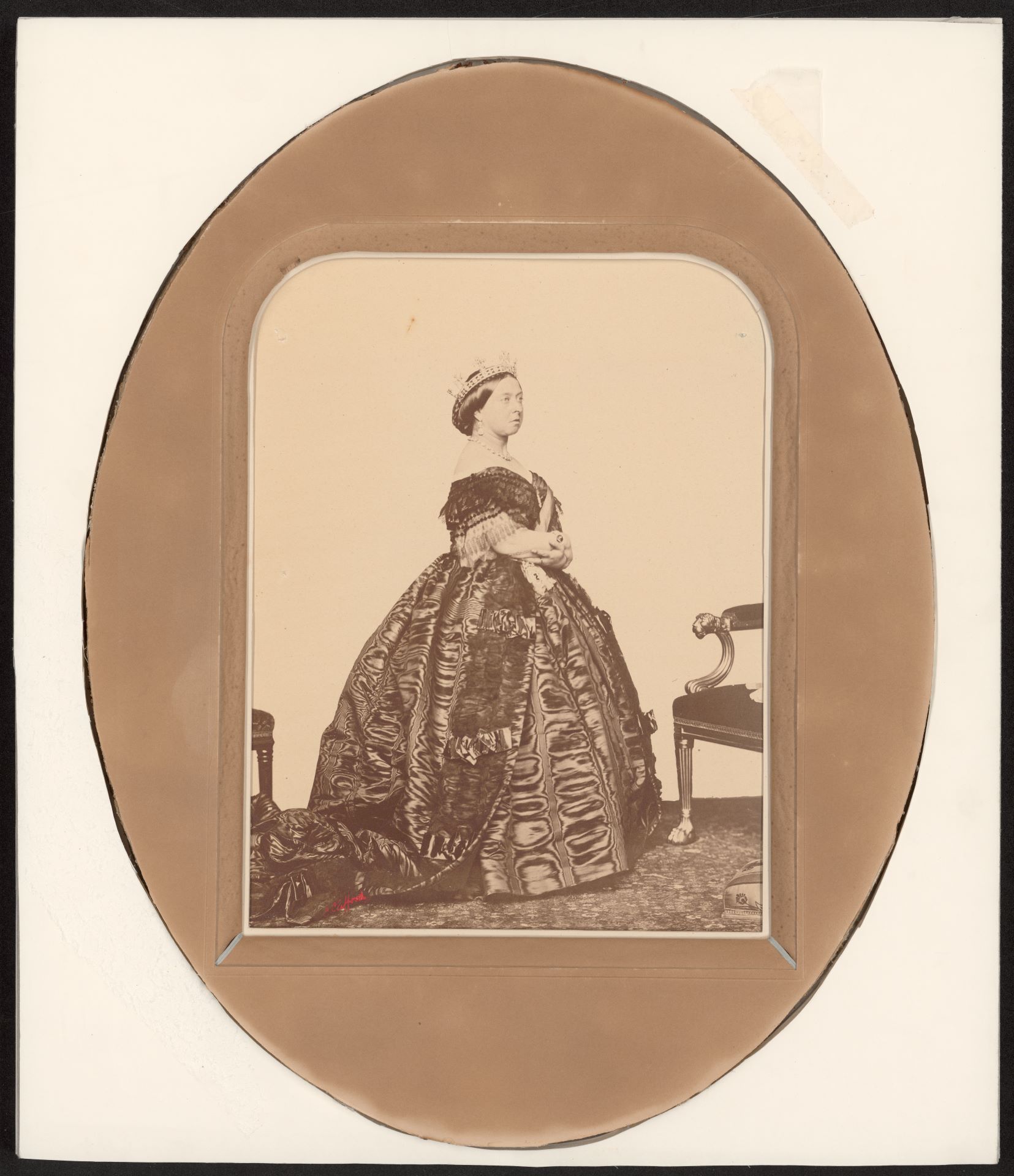
Victoria Eugenia (1887-1969) was born in Balmoral Castle (Scotland, United Kingdom) on 24 October 1887. She was christened Victoria, after her maternal grandmother, the Queen of England (1819–1901); Eugenie, after her godmother, Empress Eugénie of France (1829–1920); Julia, after her paternal grandmother, the Polish countess Julia Hauke (1825–1895); and Eva, the name by which she was known to the family in its Gaelic form, Ena.

As the second of the four children of Prince Henry of Battenberg (1858–1896) and Princess Beatrice of Great Britain and Ireland (1857–1924), she spent her early years at the court, where her mother was secretary to the queen. This situation shaped her life and that of her brothers Alexander (1886–1960), Leopold (1889–1922) and Maurice (1891–1914), who received a strict upbringing in which the importance of studying and discipline was instilled in them.

During her childhood, which was cut short by her father’s death in 1896, Victoria Eugenie lived in Windsor and Balmoral castles, Buckingham Palace and Osborne House. After Queen Victoria died in 1901, her mother took up residence in Kensington Palace. This facilitated Victoria Eugenia’s frequent presence at the court of Edward VII (1841–1910) and her debut in society in 1905. 

A tragic wedding

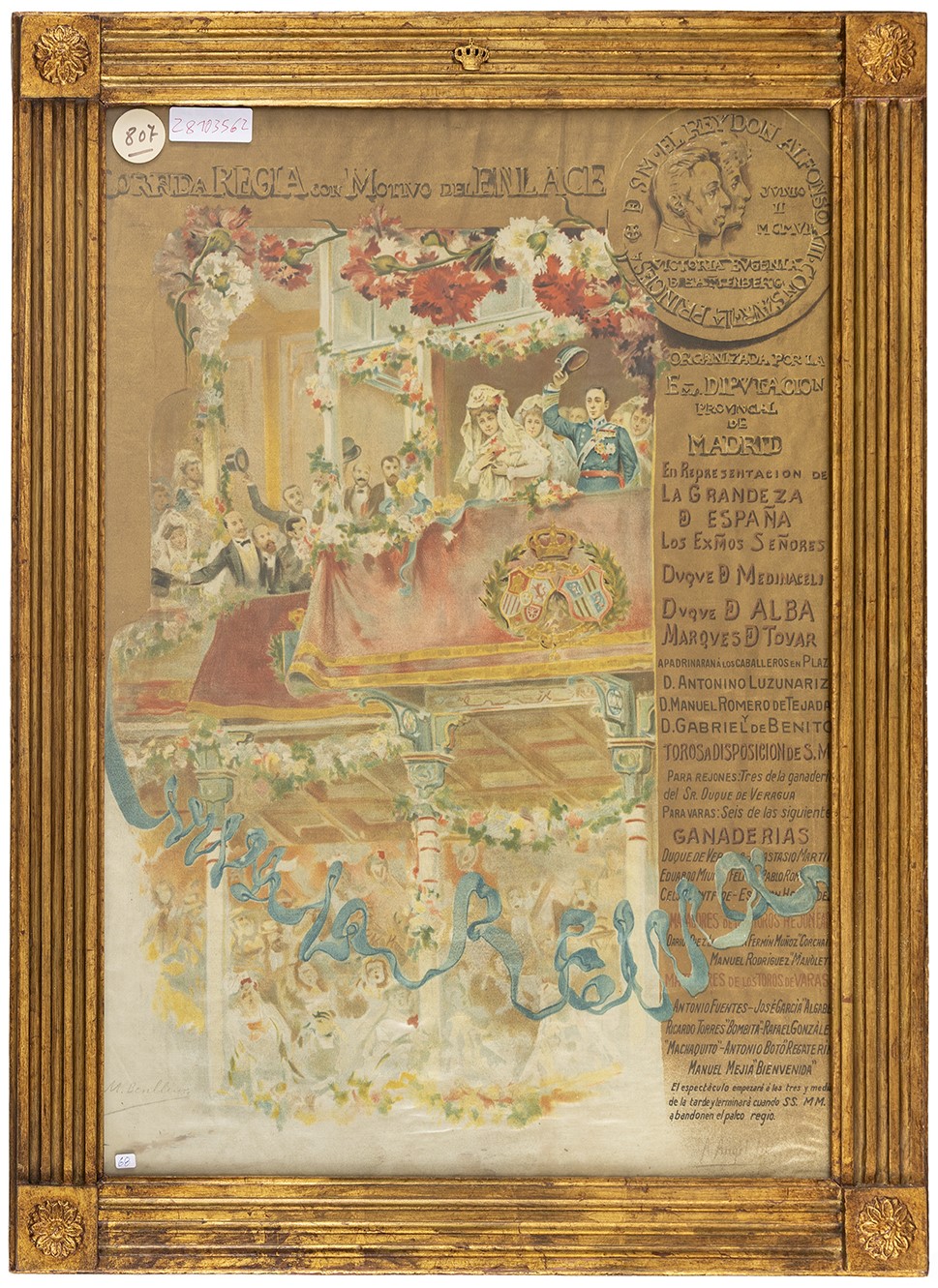
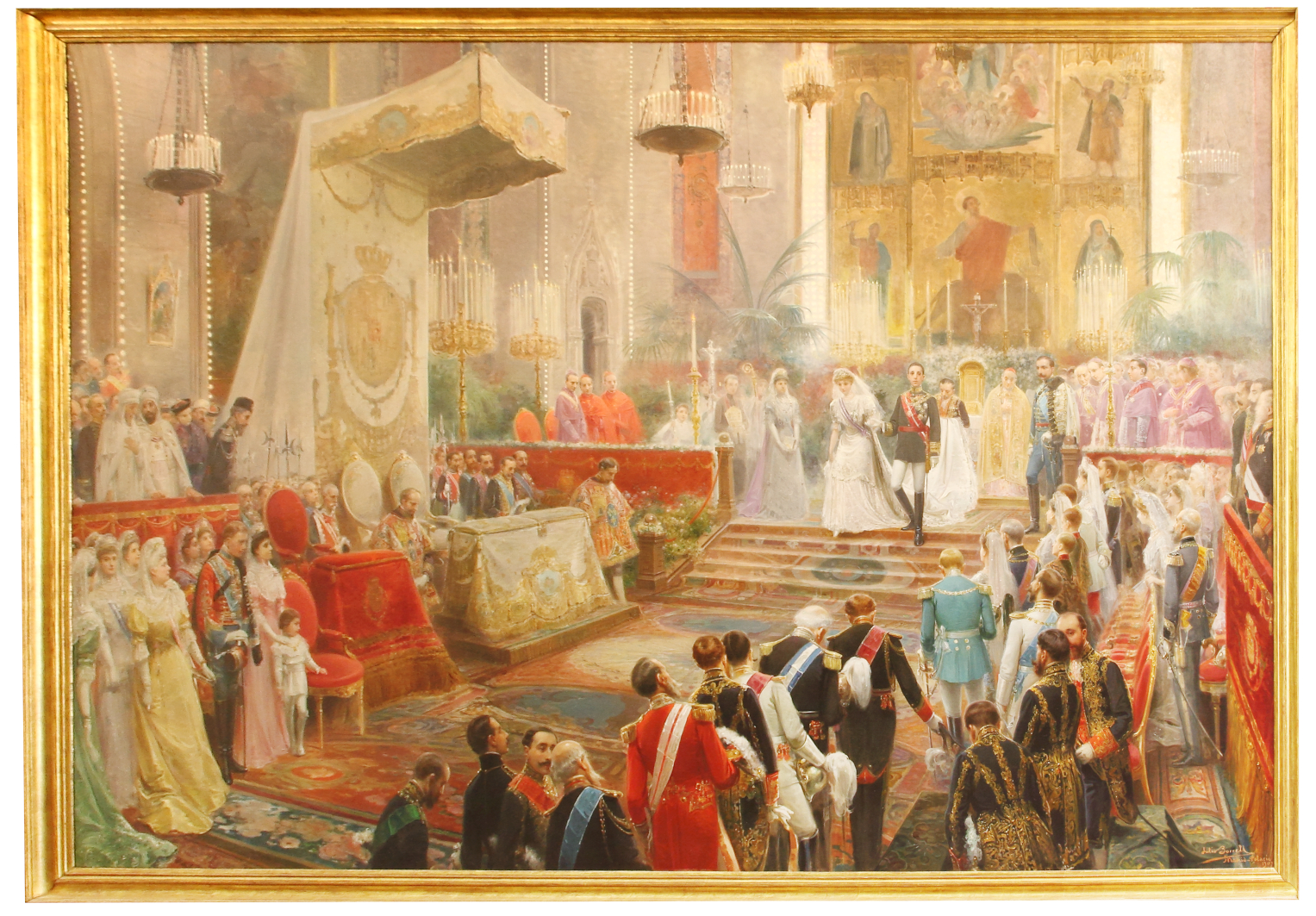
Victoria Eugenie left Kensington Palace (London, United Kingdom) on 24 May 1906 to marry King Alfonso XIII (1886–1941). He waited for her in Irún and accompanied her by train to El Plantío station (Madrid), where she was received by her future mother-in-law Queen María Cristina of Habsburg (1858–1929). 

Until the wedding Victoria Eugenia stayed at El Pardo Palace, where the marriage agreement was read and the pre-wedding receptions were held.

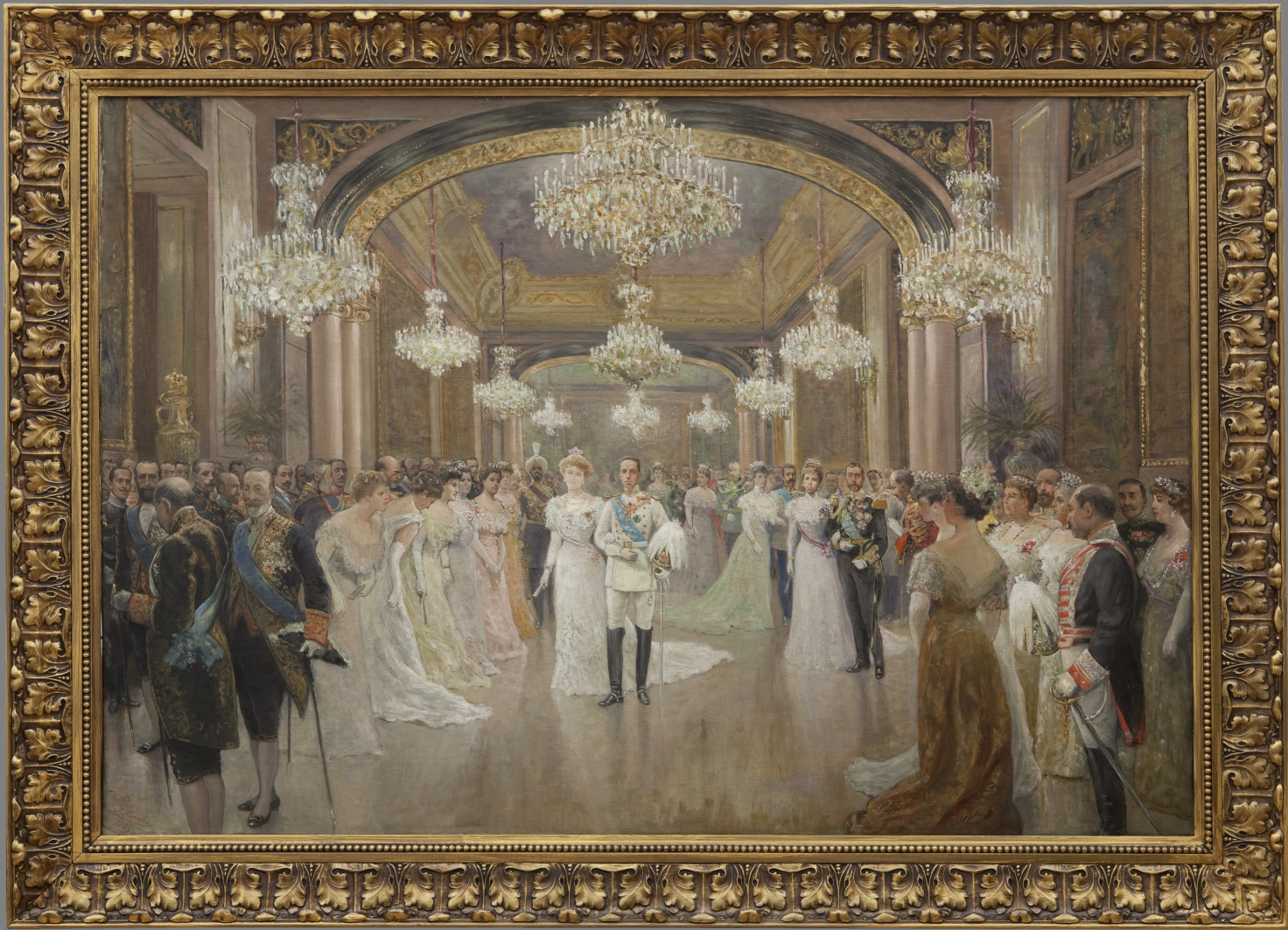
The ceremony was attended by kings and queens, princes and princesses and official representatives from all over the world. The many Spanish and foreign press correspondents present provided extensive coverage, which still survives. 

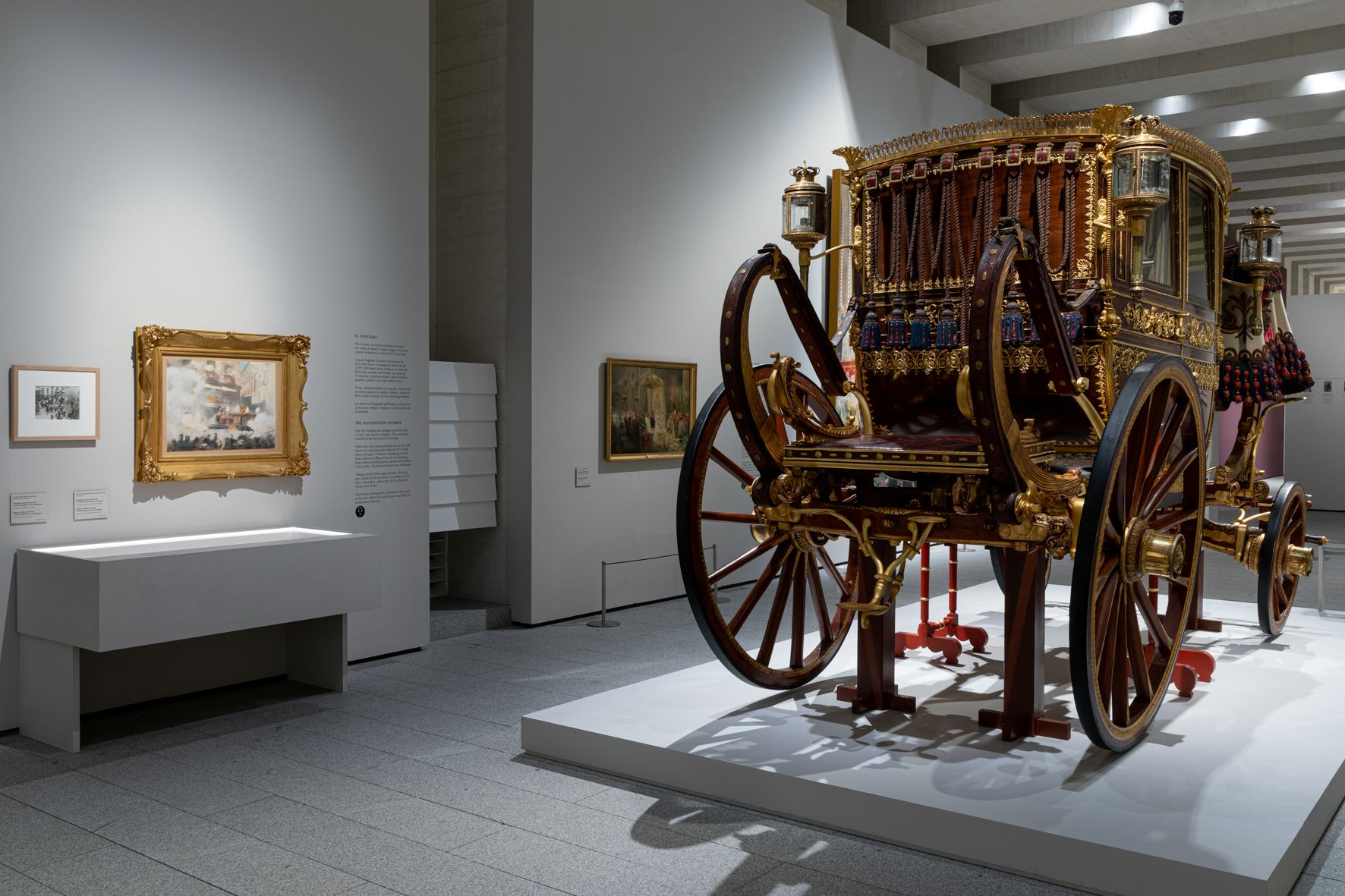
After the event the king and queen made their way to the Royal Palace of Madrid. Along the way the procession was violently interrupted in the Calle Mayor by an assassination attempt by the anarchist Mateo Morral (1879-1906), which injured and killed many people.

This dramatic start to her reign, remembered by Victoria Eugenia until the end of her days, was interpreted by many as an ill omen.

Victoria Eugenia close up

Queens of Spain had occupied the San Gil wing, in the southeast corner of the Royal Palace of Madrid since the 19th century. It began to be remodelled in 1906 to accommodate the king and queen’s apartments.

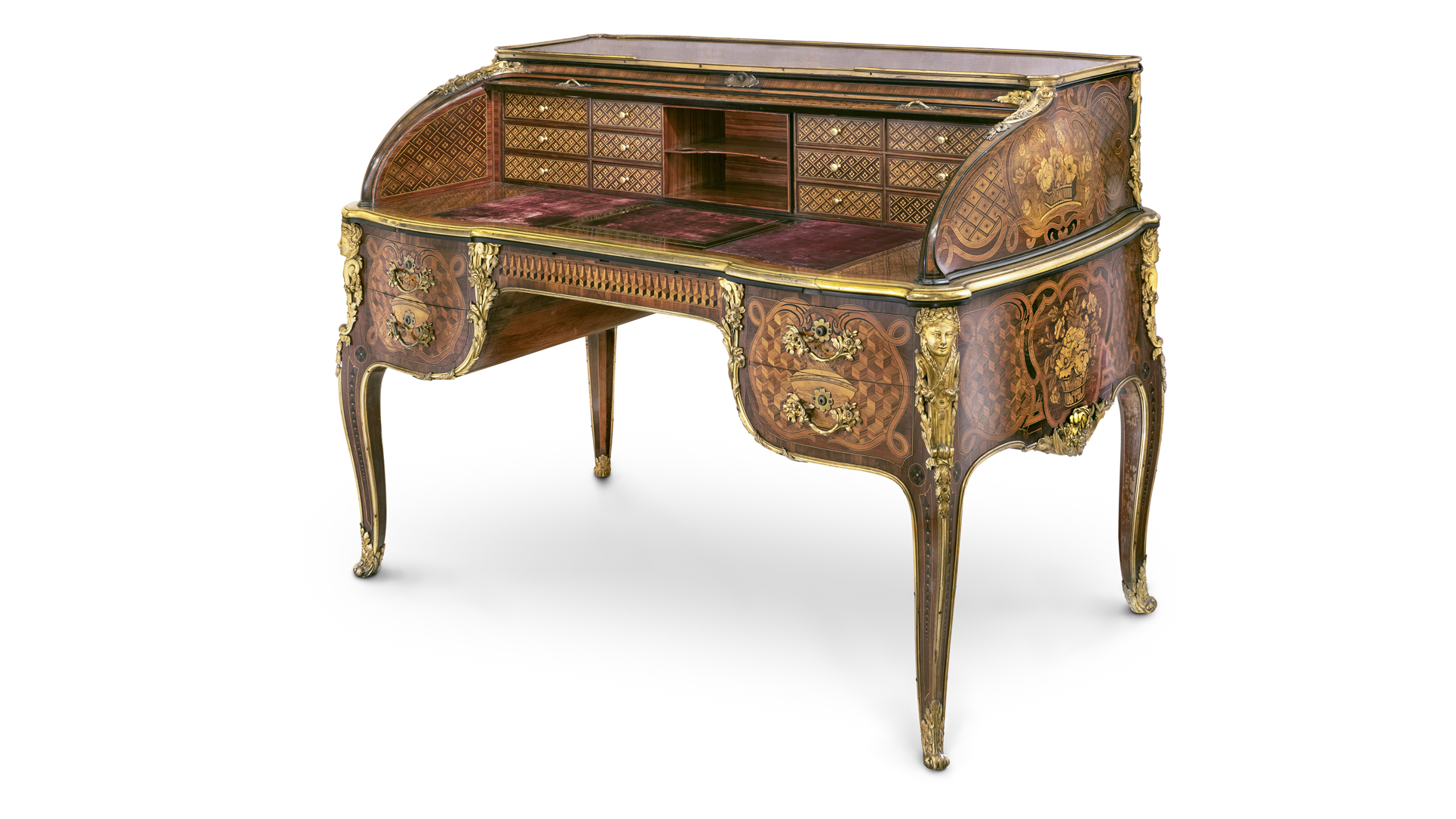
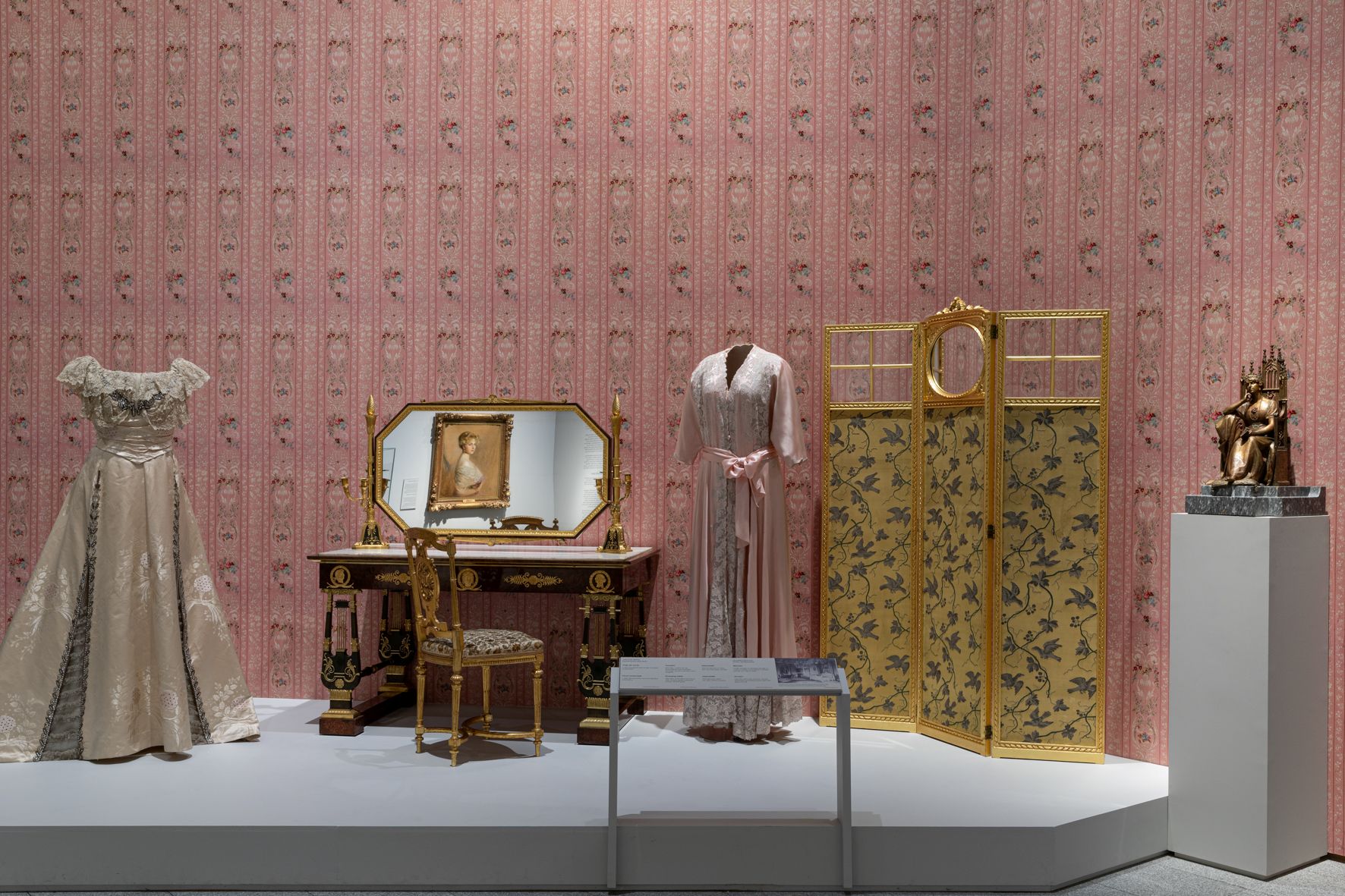
Victoria Eugenia’s private rooms—Reception Room, Corbeille, Tea Room, Music Room, Study, Bedroom, Bathroom and Dressing Room—which are recreated in this area, were adjacent to the king’s quarters.

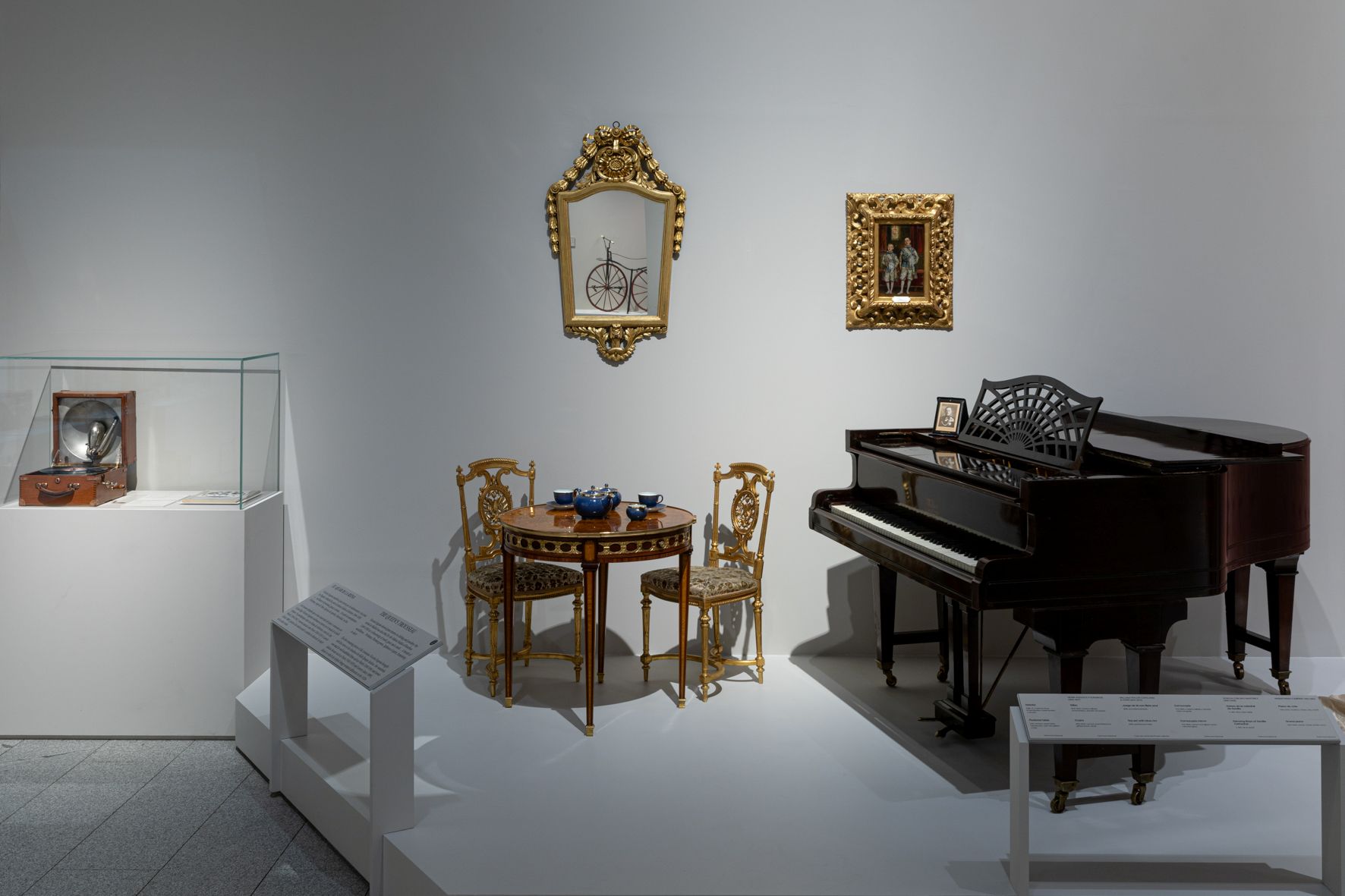
Victoria Eugenia decided to decorate her private rooms, whose walls were lined with pastel-toned silks, with historical furniture. She combined it with personal and devotional objects, family portraits and special mementoes, such as the painting Choir Boys of Seville Cathedral by Gonzalo Bilbao (1860-1938), a reminder of happy stays in this city, to which the queen felt deeply attached.

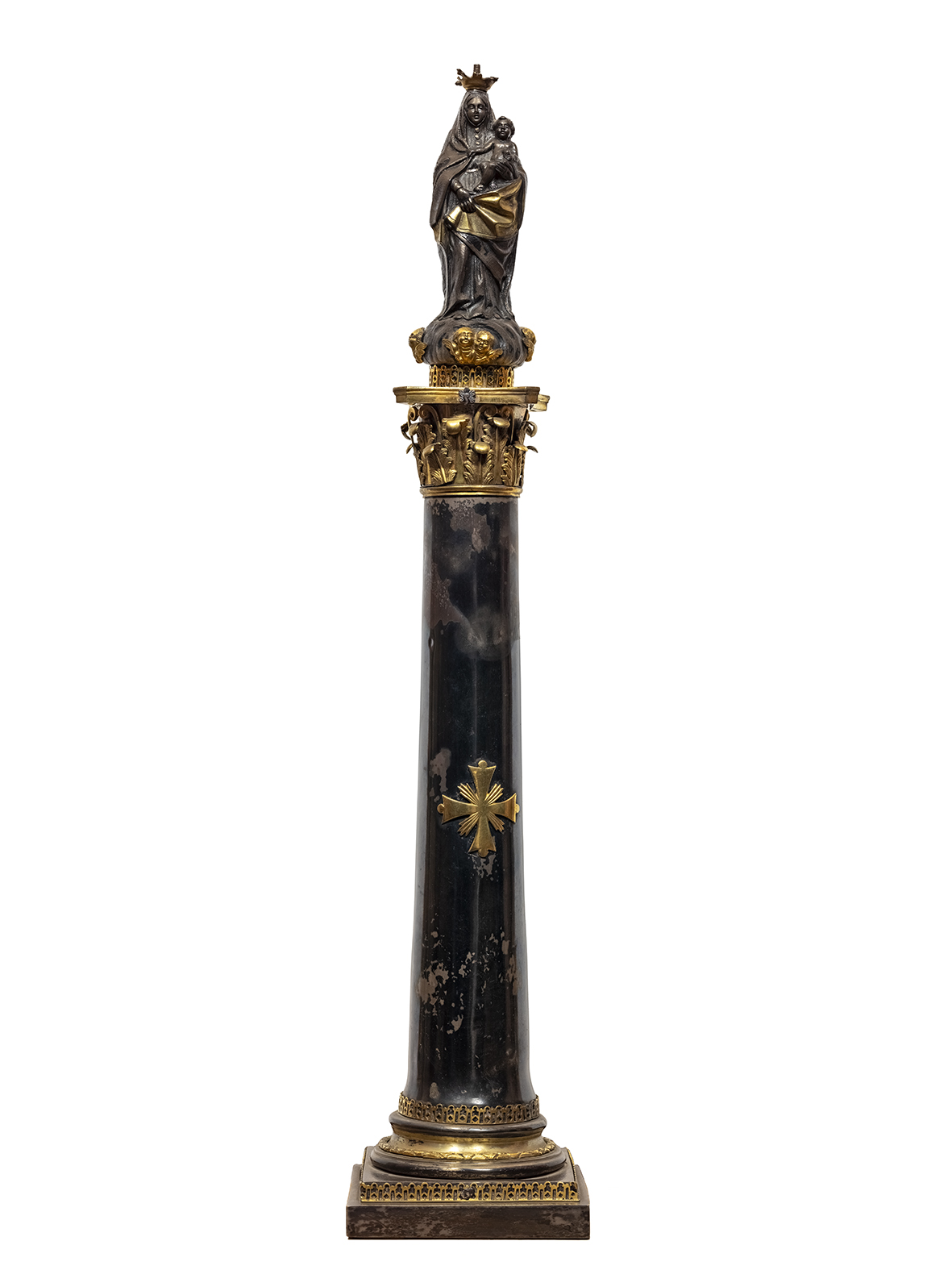
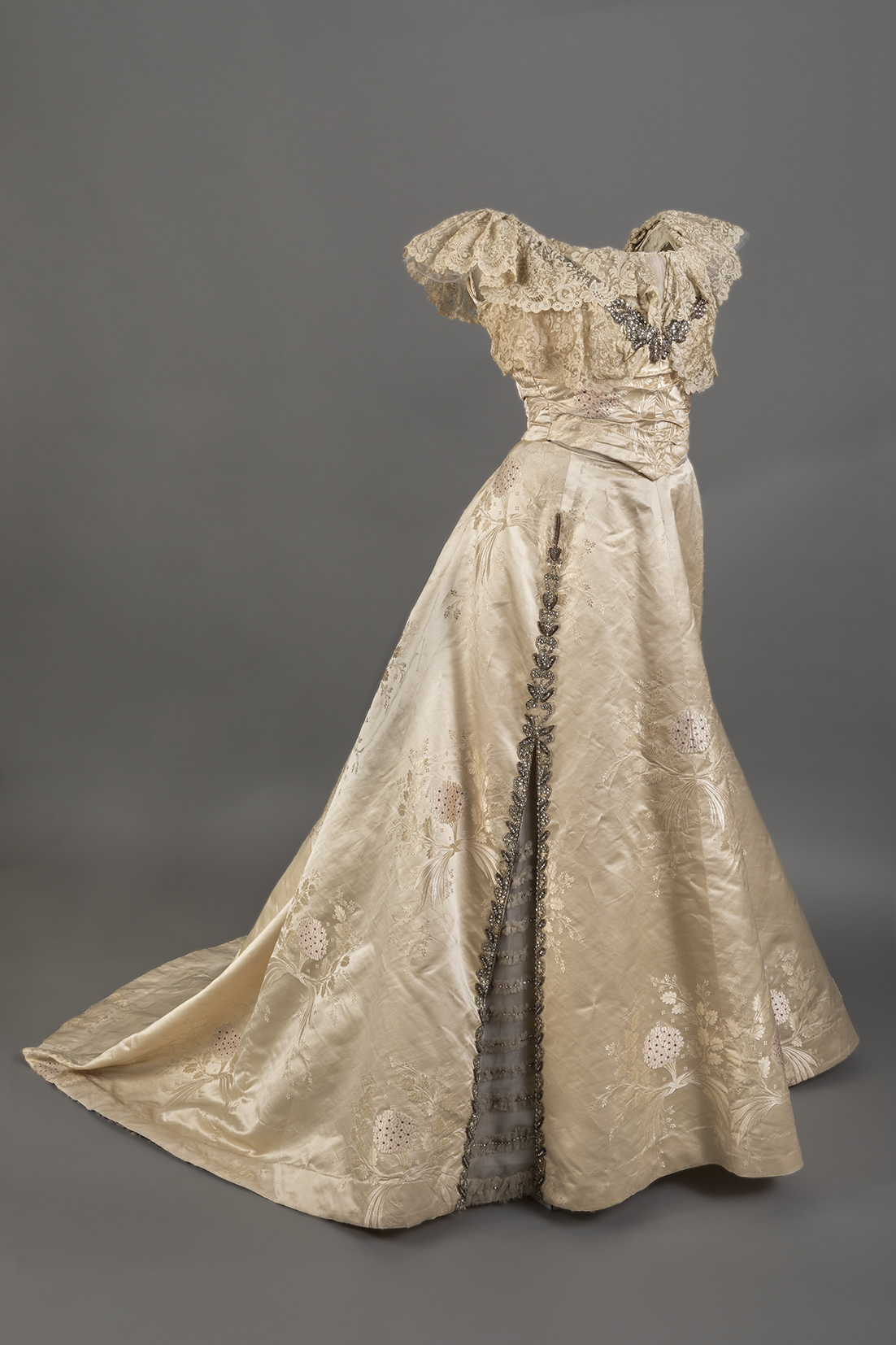
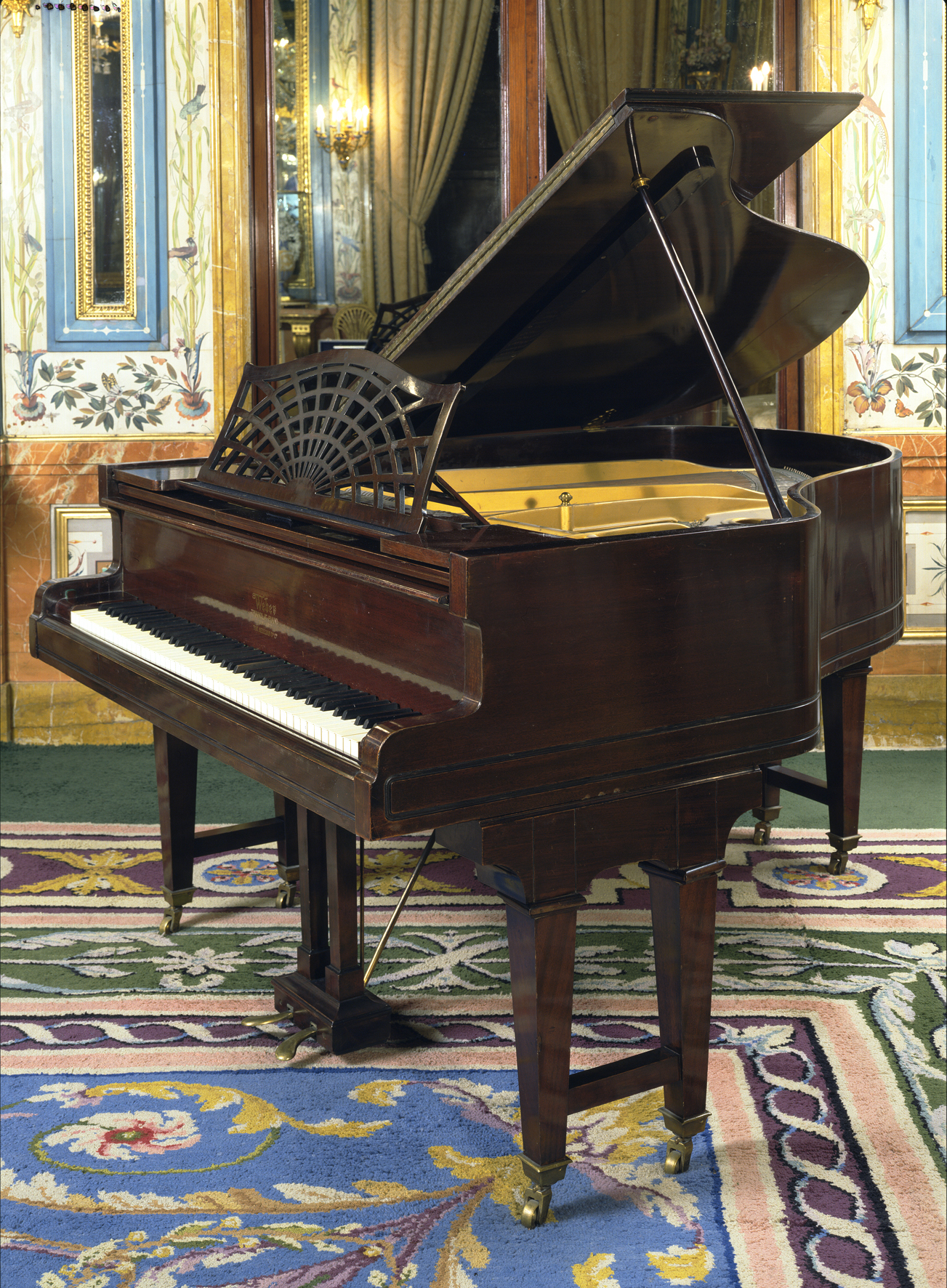
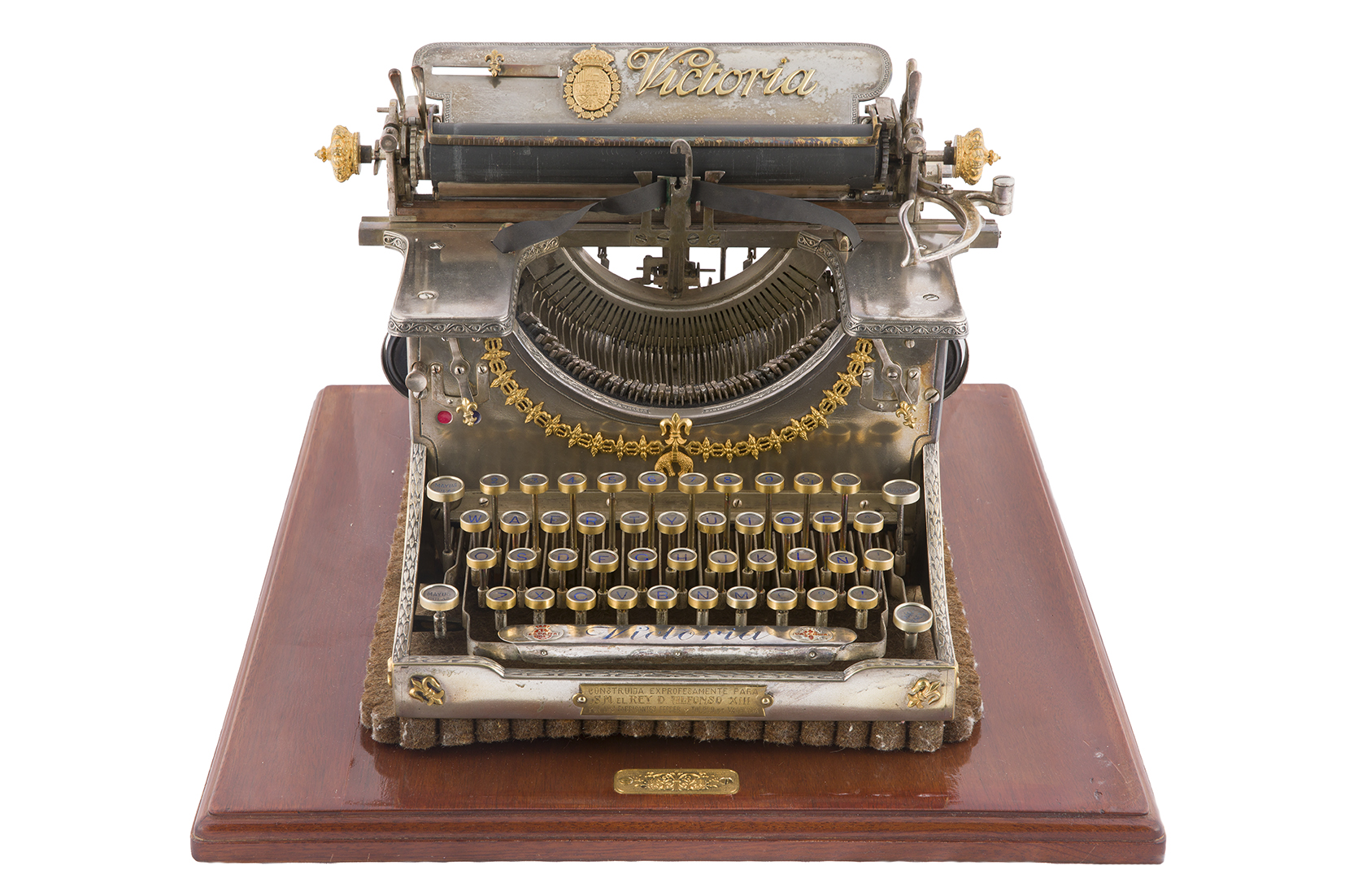
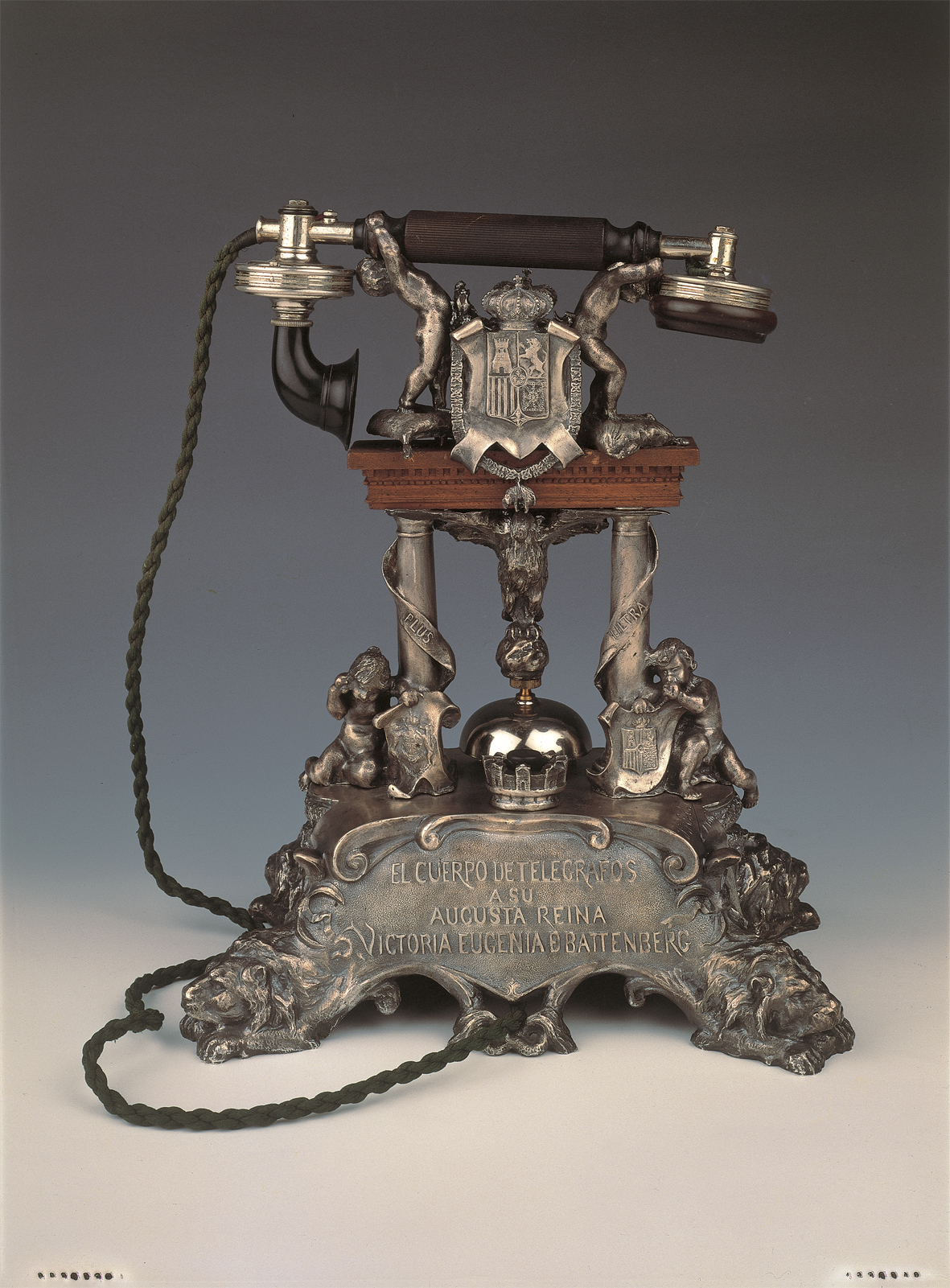
The British custom the queen introduced of 5 o’clock tea, her dressing room, her fondness for fashion and reading, and her love of music and photography are represented in this section by various objects that accompanied her in her most private spaces and give an idea of her cultured nature and keen eye for detail.

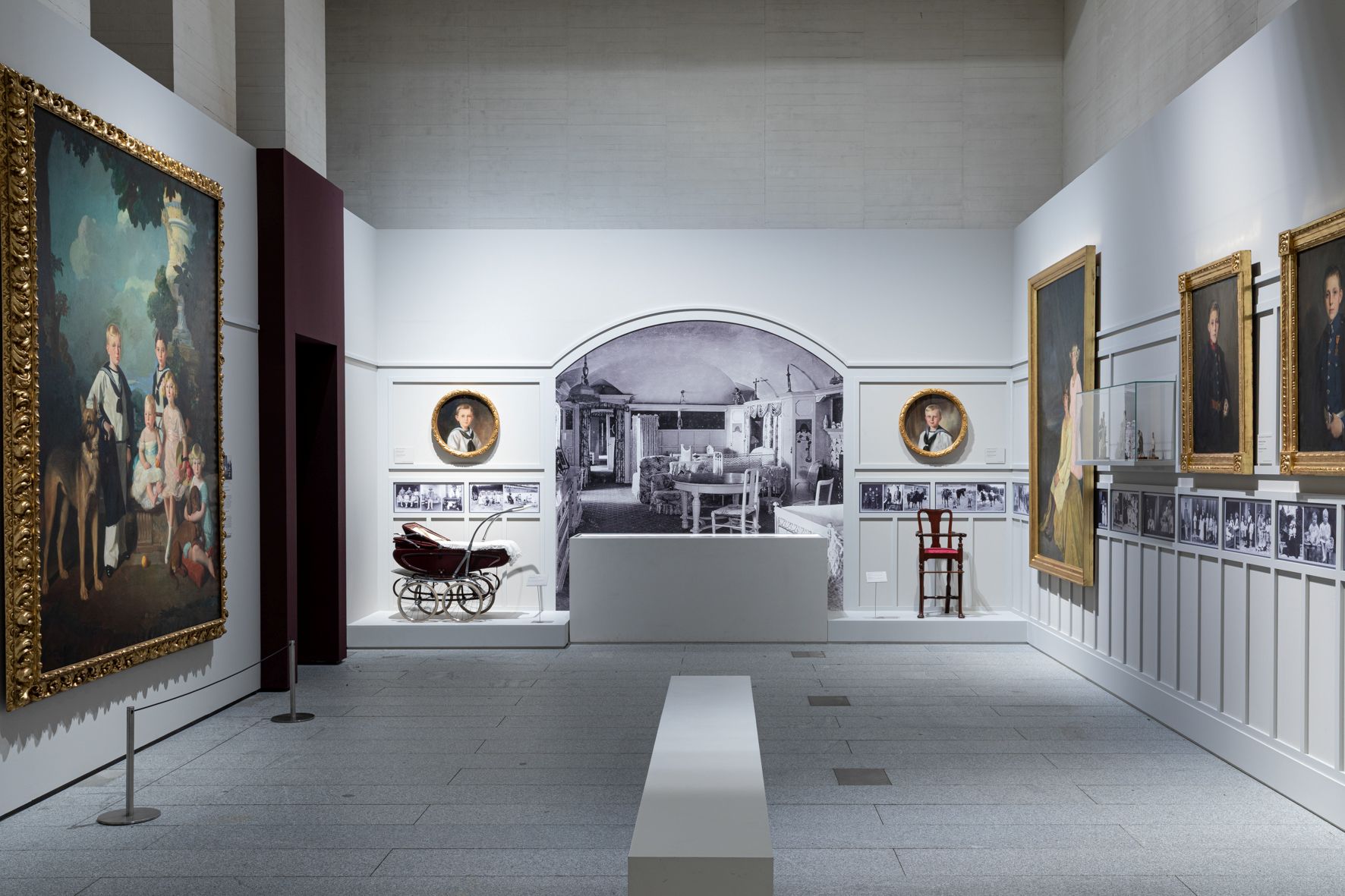
A commited mother

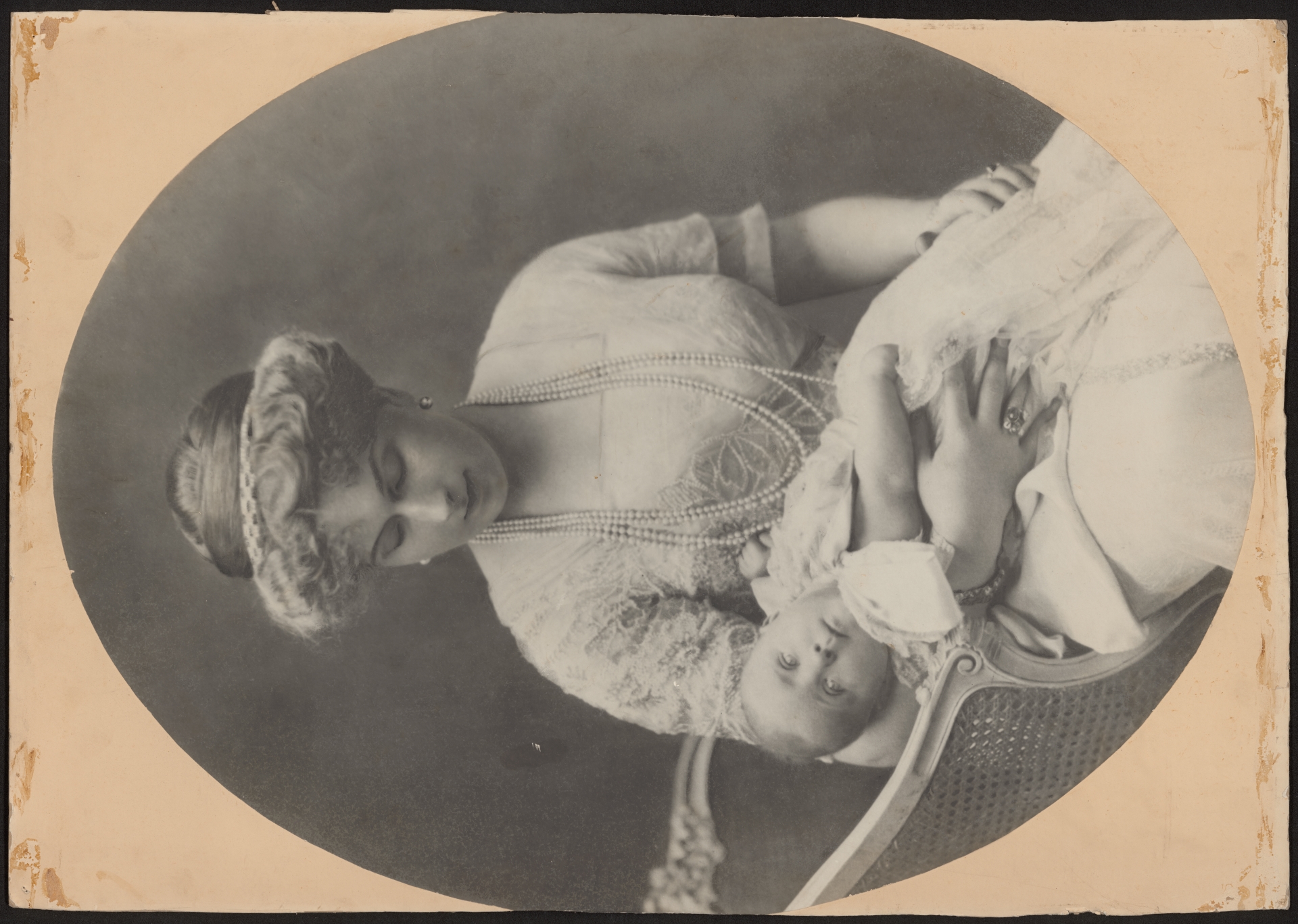
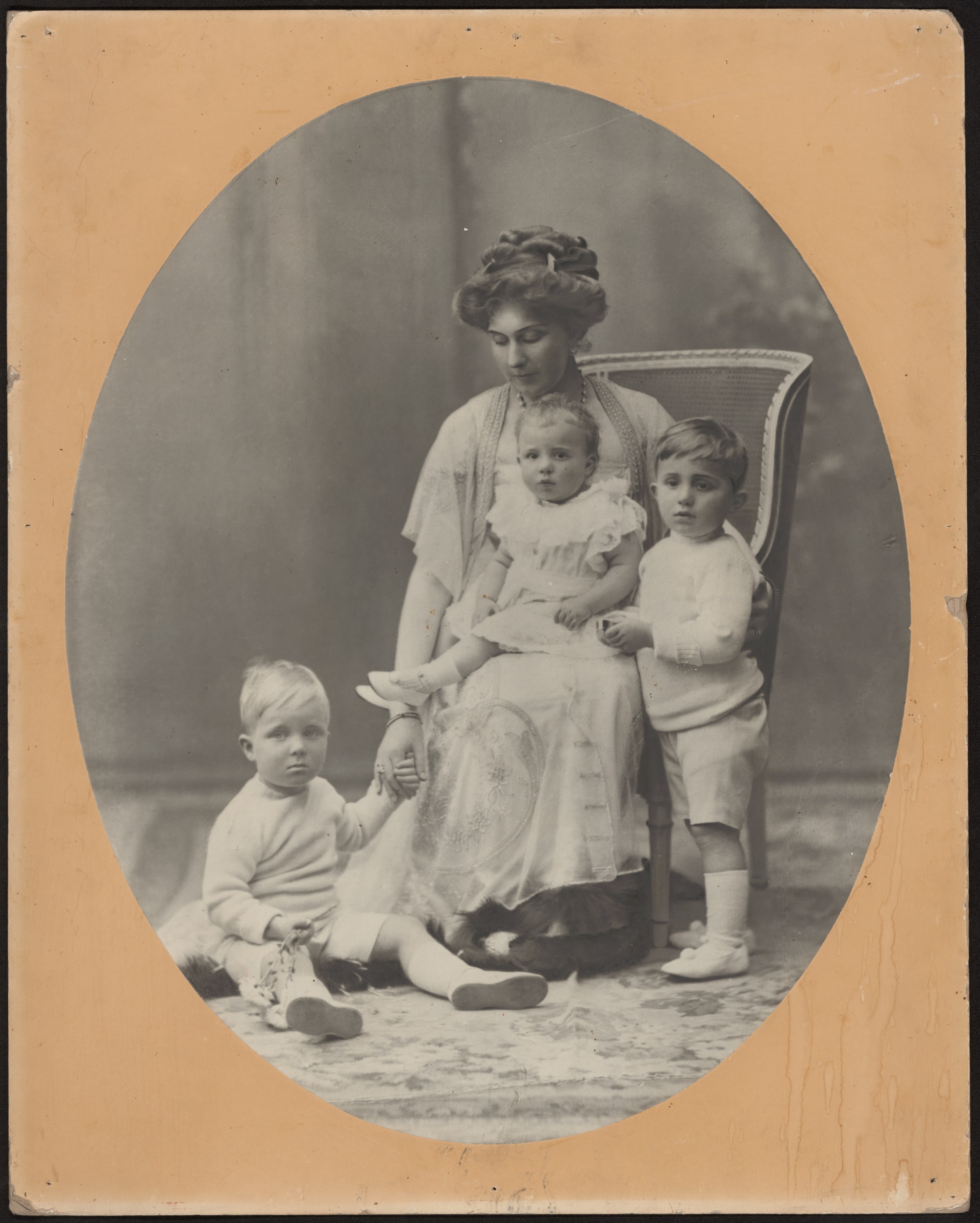
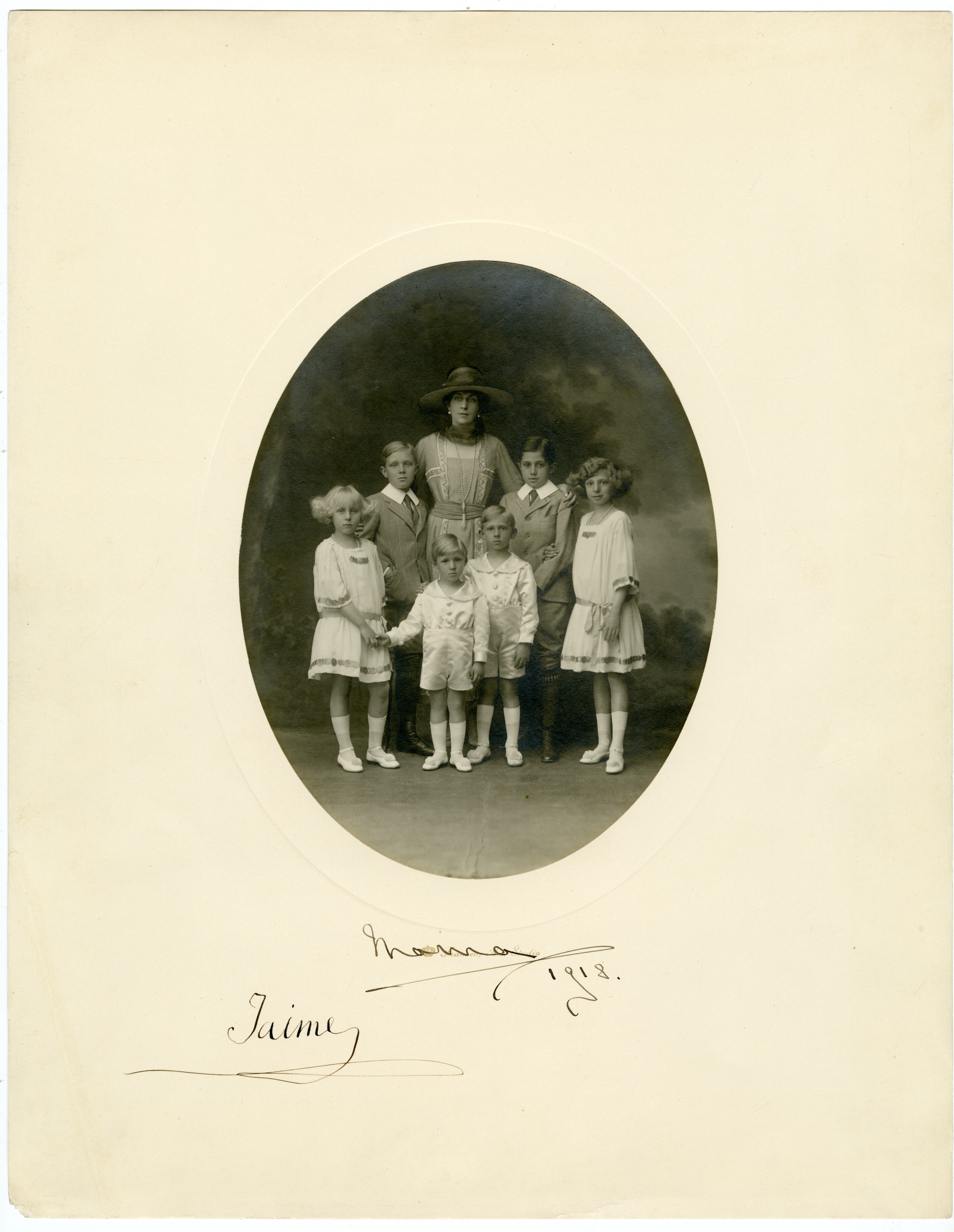
One of Victoria Eugenia’s most important duties as queen was to ensure the succession to the throne—which she more than fulfilled, as she gave birth to seven children between 1907 and 1914.

However, her happiness as a mother was marred by the frail health of the heir, who was born with haemophilia—a disorder from which the Infante Gonzalo also suffered, though the other siblings were spared. In addition, the Infante Jaime was left deaf and mute by an ear operation.

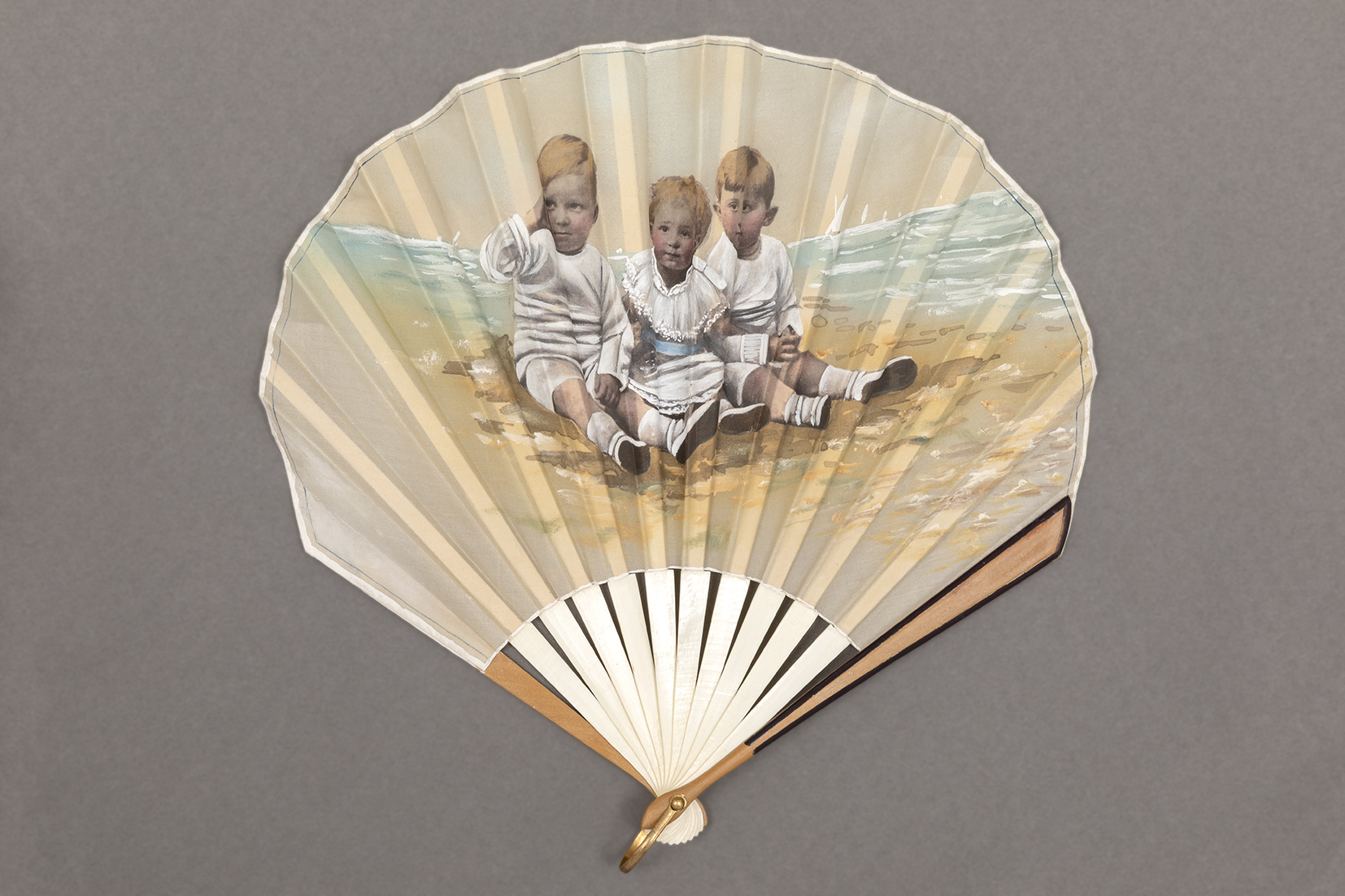
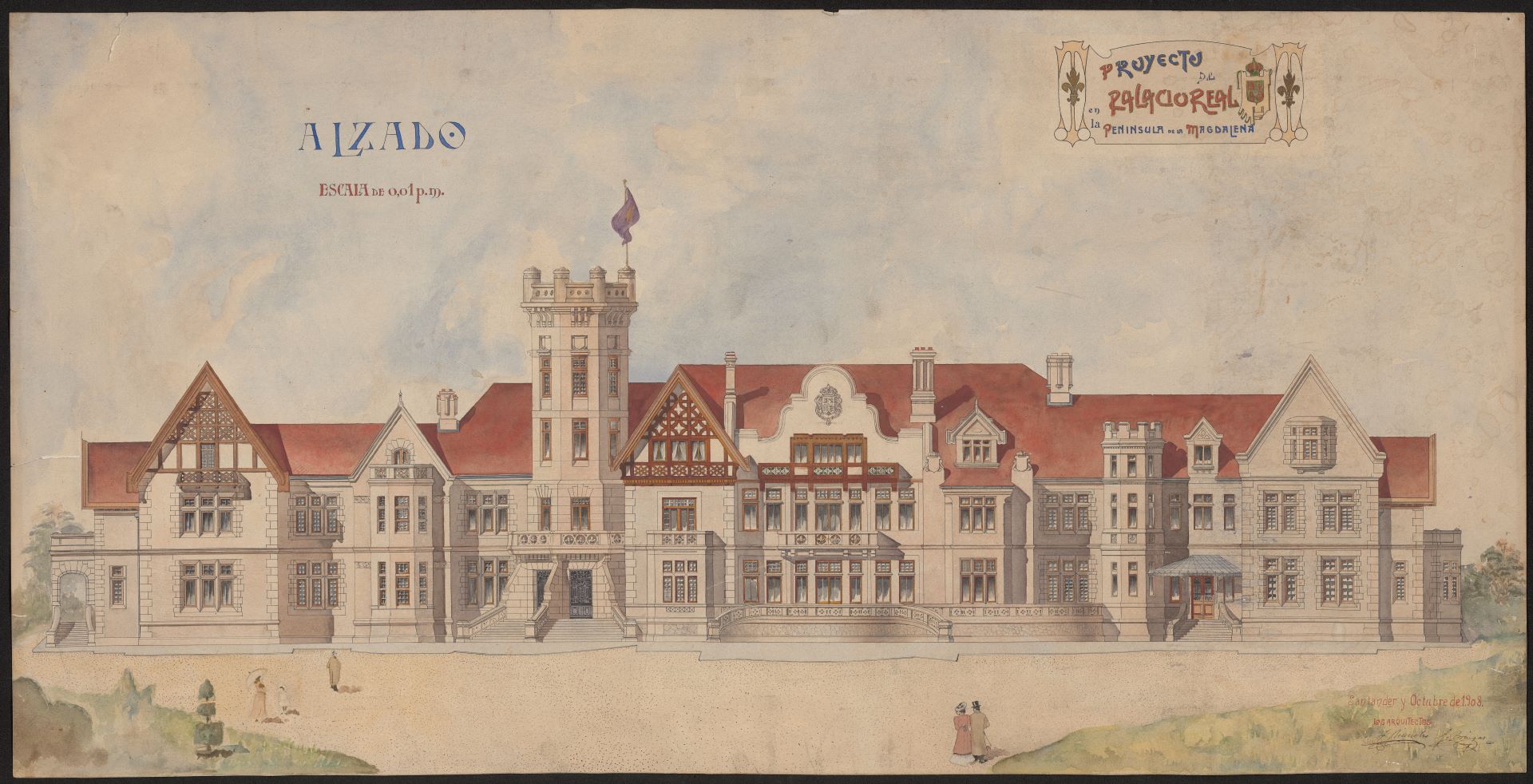
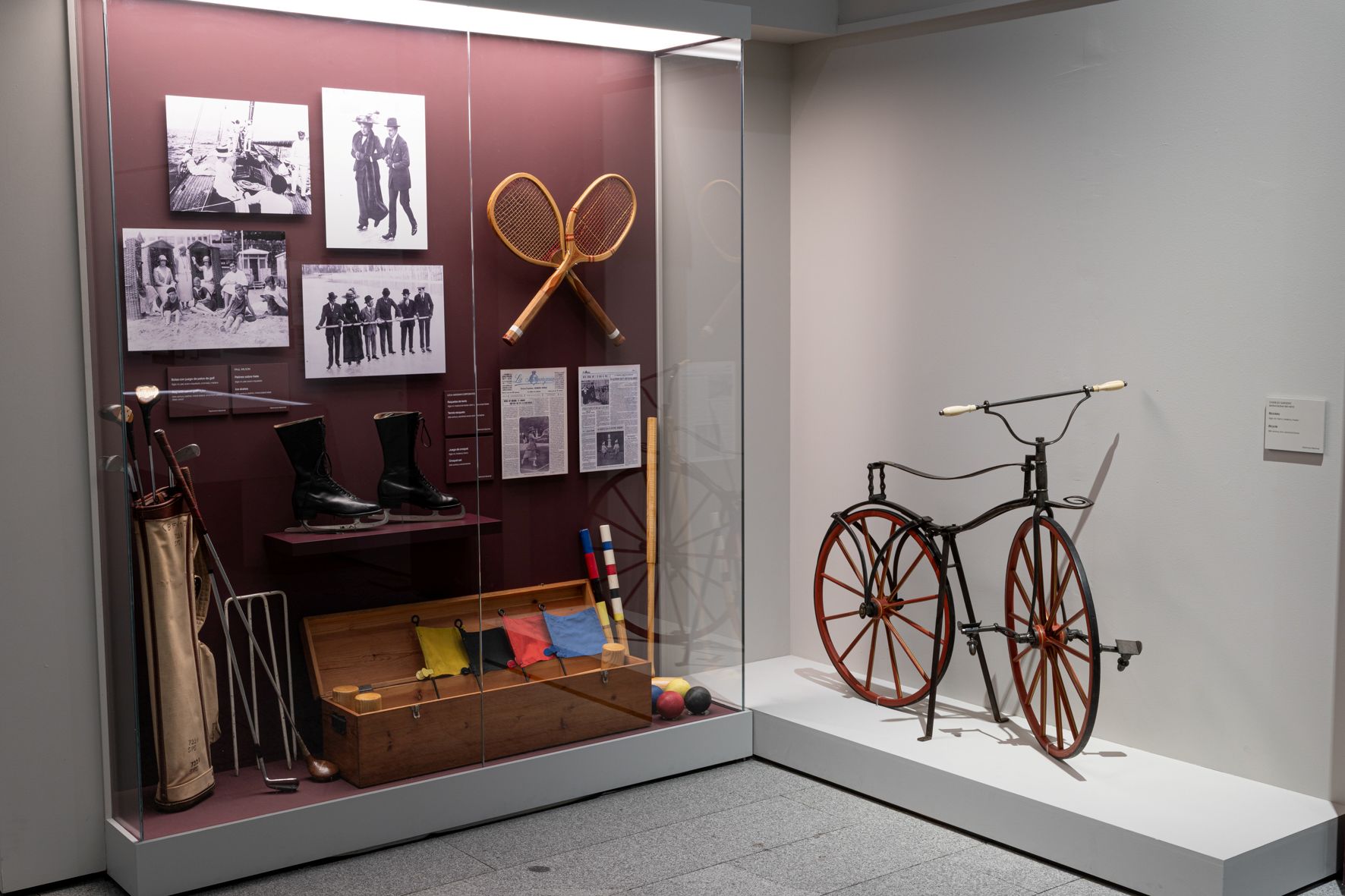
Victoria Eugenia personally took charge of her children’s upbringing and education according to the standards with which she herself had been raised. She instilled in them a love of reading and a fondness for playing sports and exercising outdoors, especially in the gardens of the Royal Palace of La Granja de San Ildefonso in Segovia and the Palace of La Magdalena in Santander.

In the Royal Palace of Madrid the children’s rooms were located on the mezzanine floor of the San Gil wing. They were connected to the royal apartments by an electric lift and decorated in a simple but highly personal style, which is still preserved today.

Portrait gallery

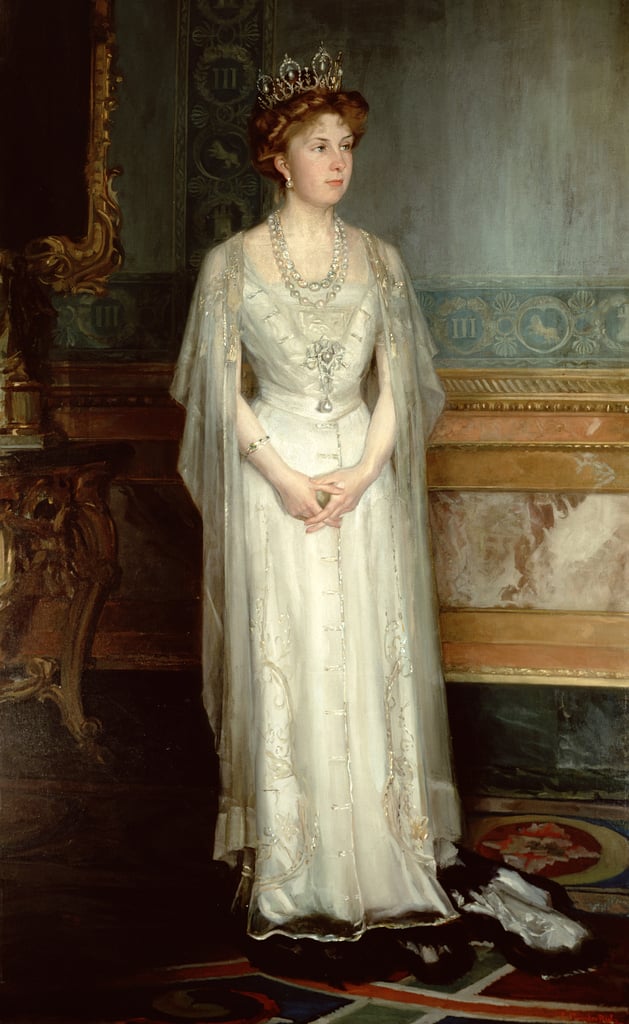
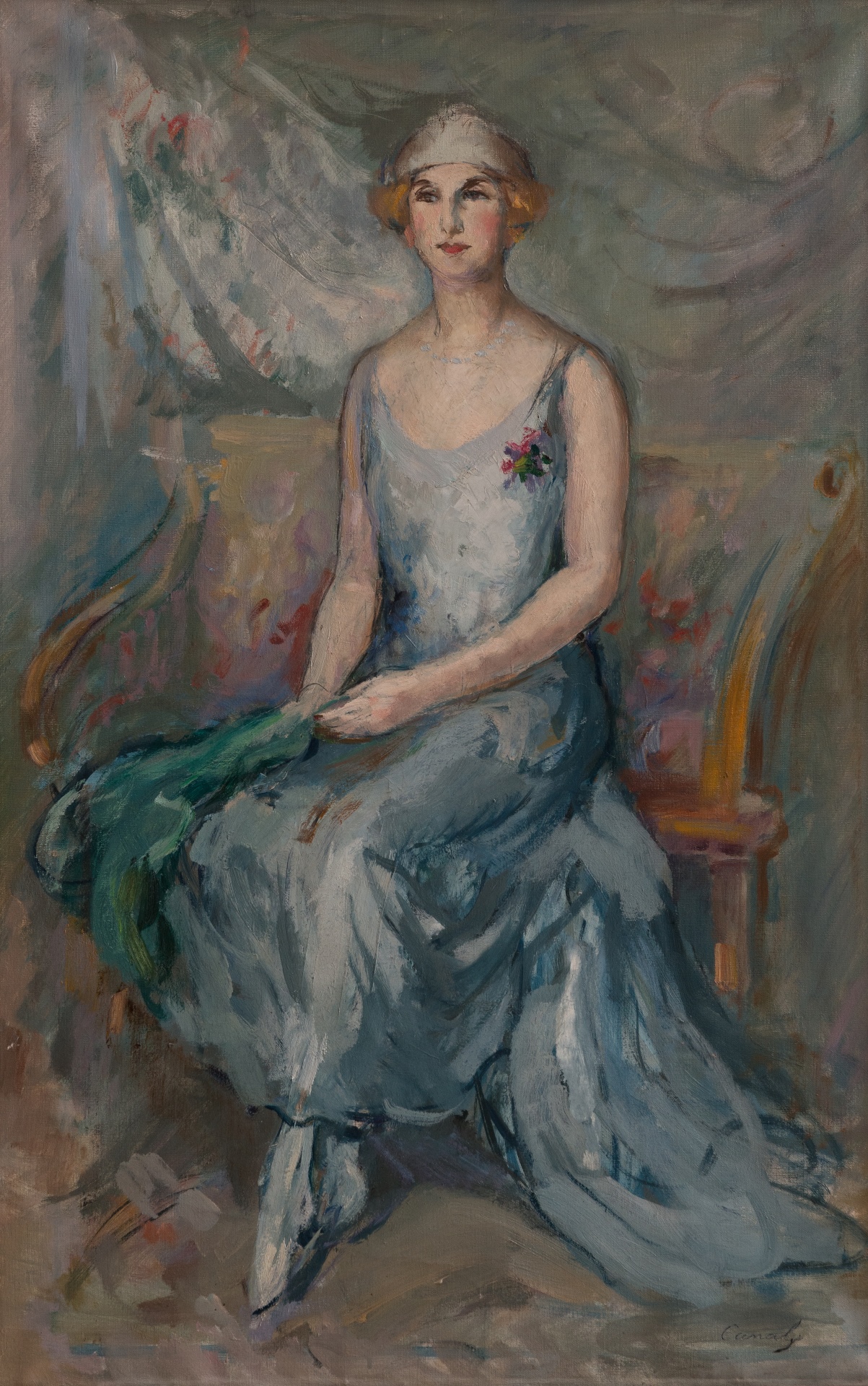
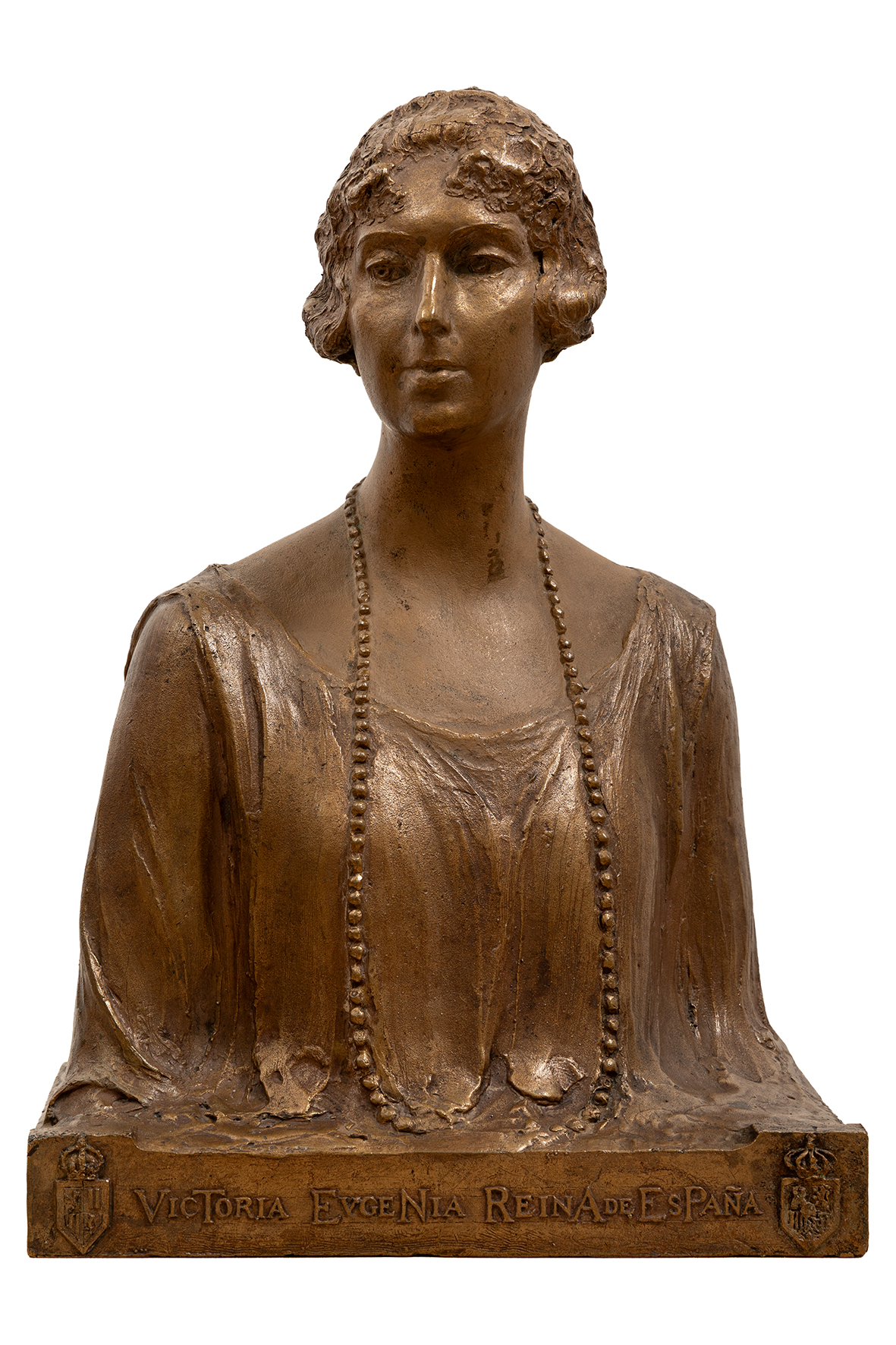
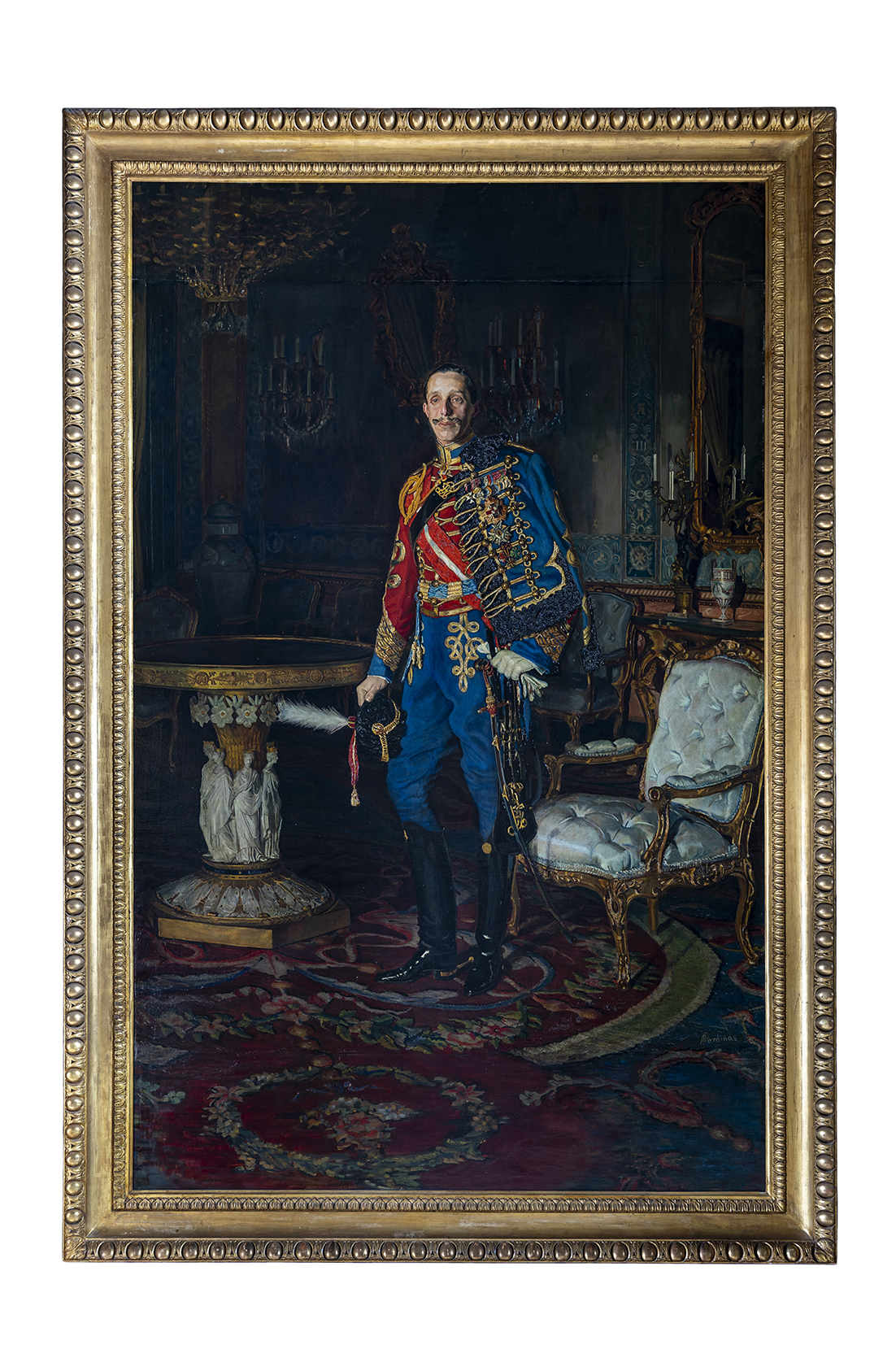
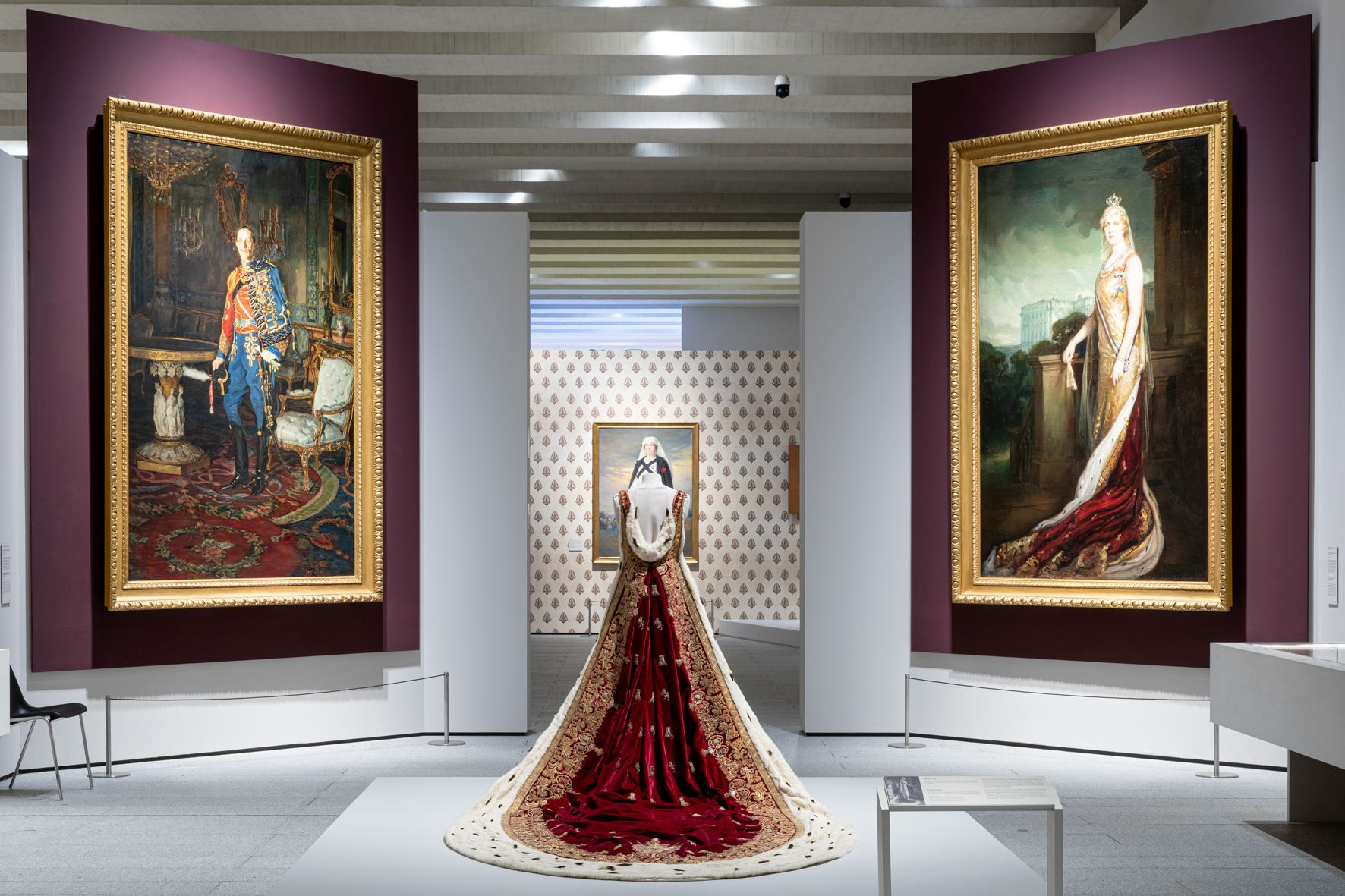
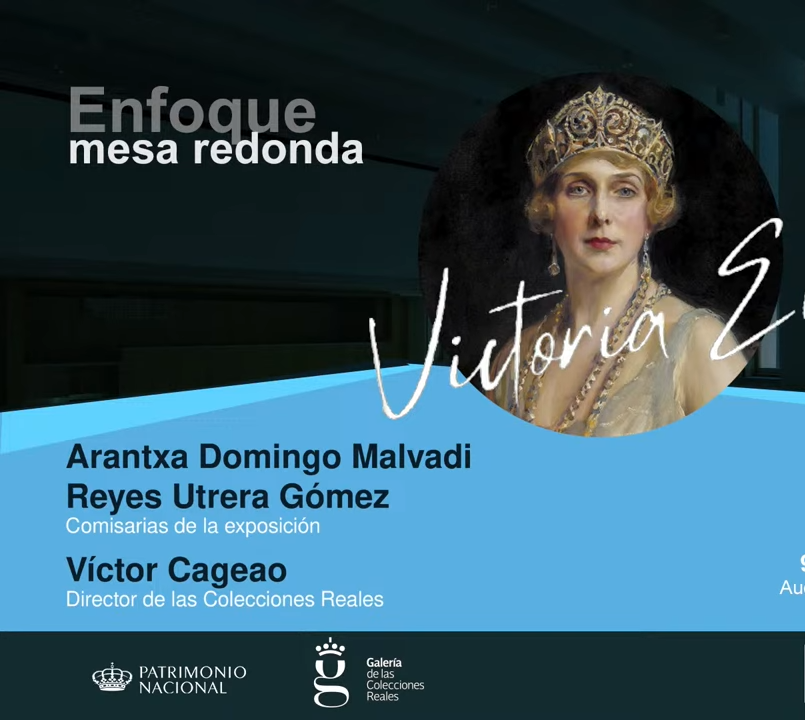
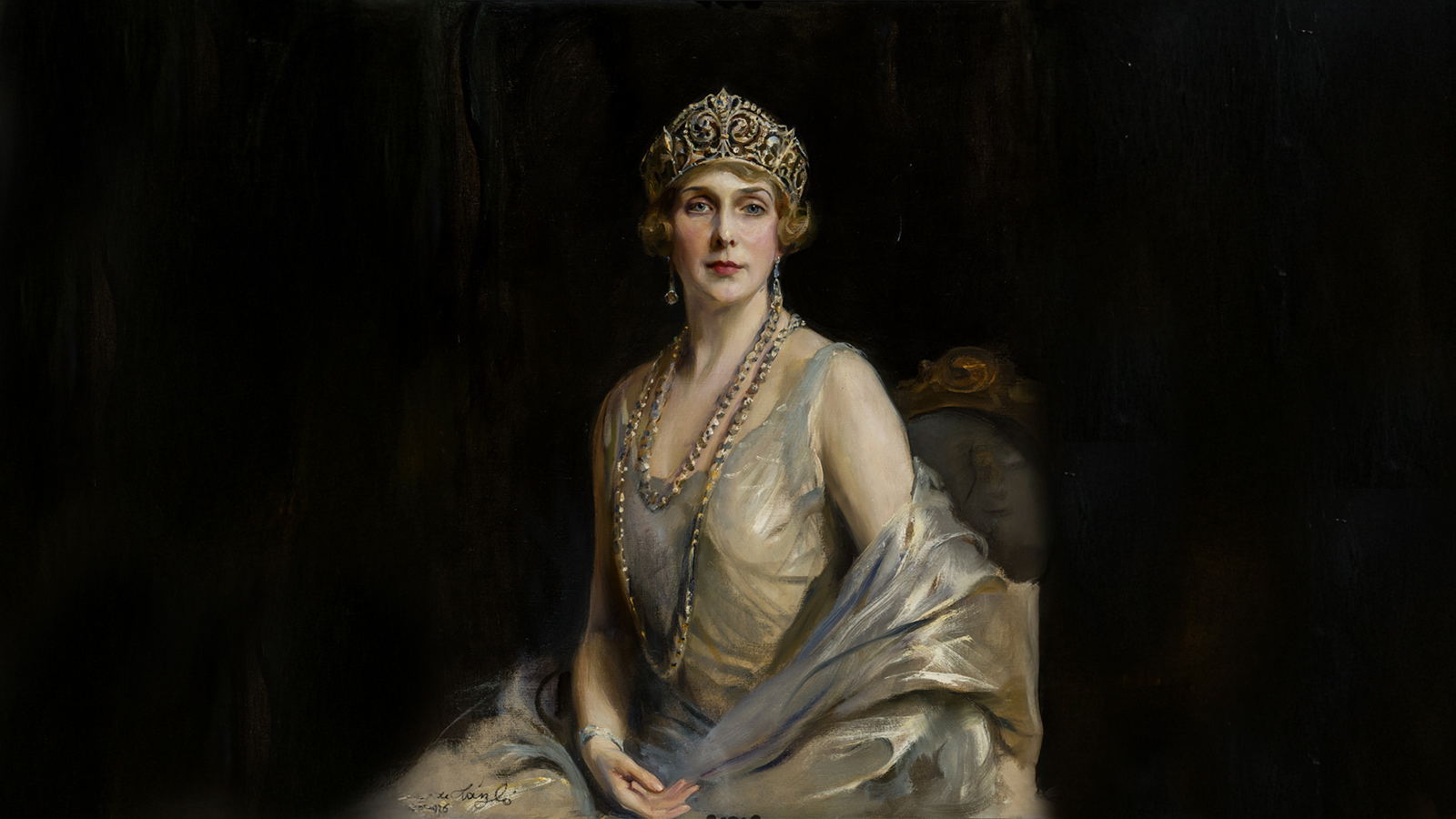
Throughout her reign Victoria Eugenia sat for great Spanish and foreign artists, who show various aspects of the queen through different perspectives.

Some, such as Ricard Canals (1876-1931), opted for bold and innovative approaches, dispensing with symbols and emphasising the queen’s beauty rather than her royal status. Joaquín Sorolla (1863-1923), who painted her four times, chose to show her with a fan and mantilla in one picture (1907). This refreshing portrait displeased the British royal family.

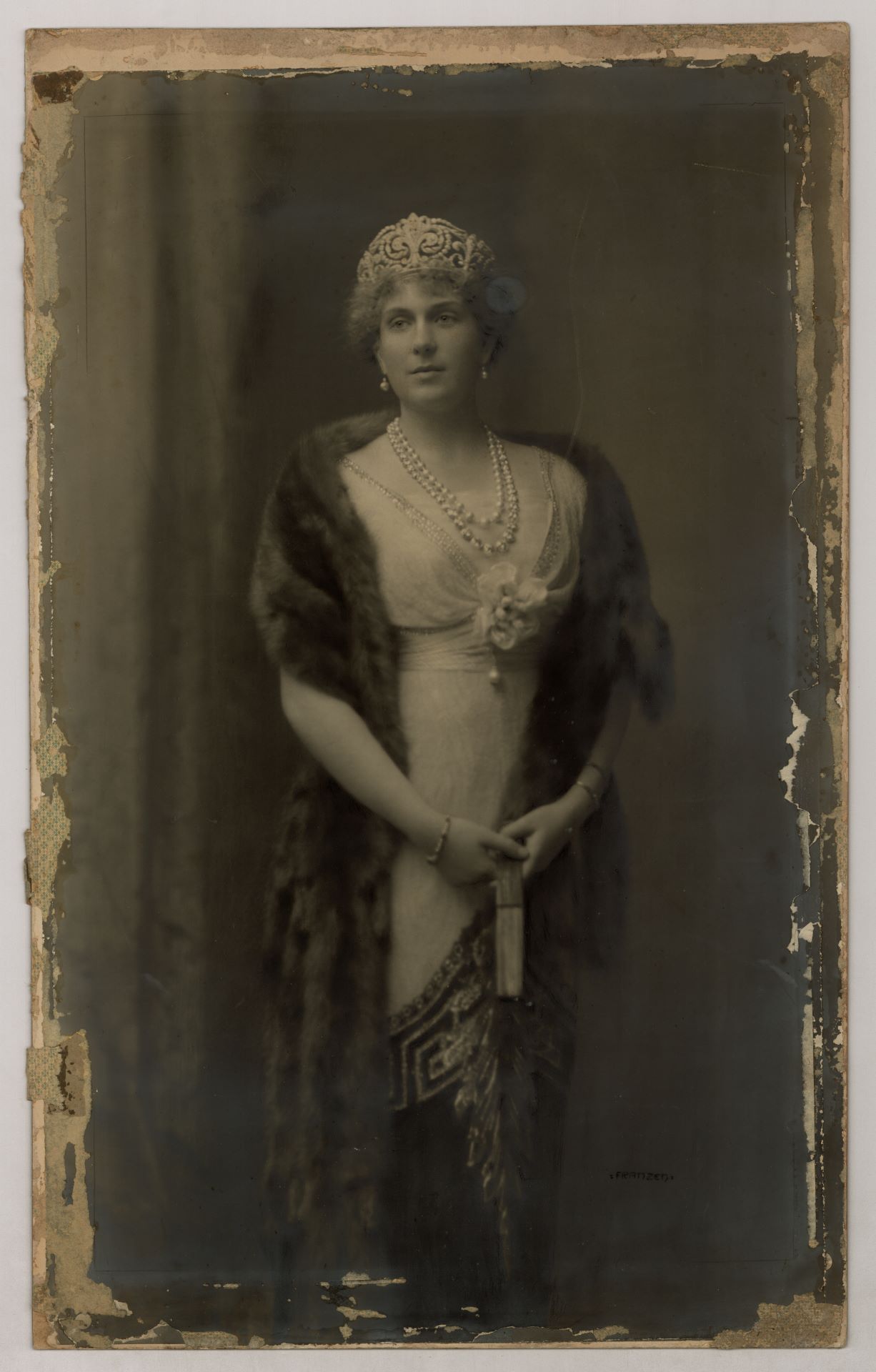
Others, such as Philip Alexius László de Lombos (1869-1937), who also painted her on several occasions, exalted her regal status and elegance. The same emphasis on distinction was adopted by Bernhard Österman (1870-1938), who depicted her adorned with emerald jewellery, and by Félix Mestres (1872-1933) in his portrait inspired by the work of the photographer Franzen (1863-1923).

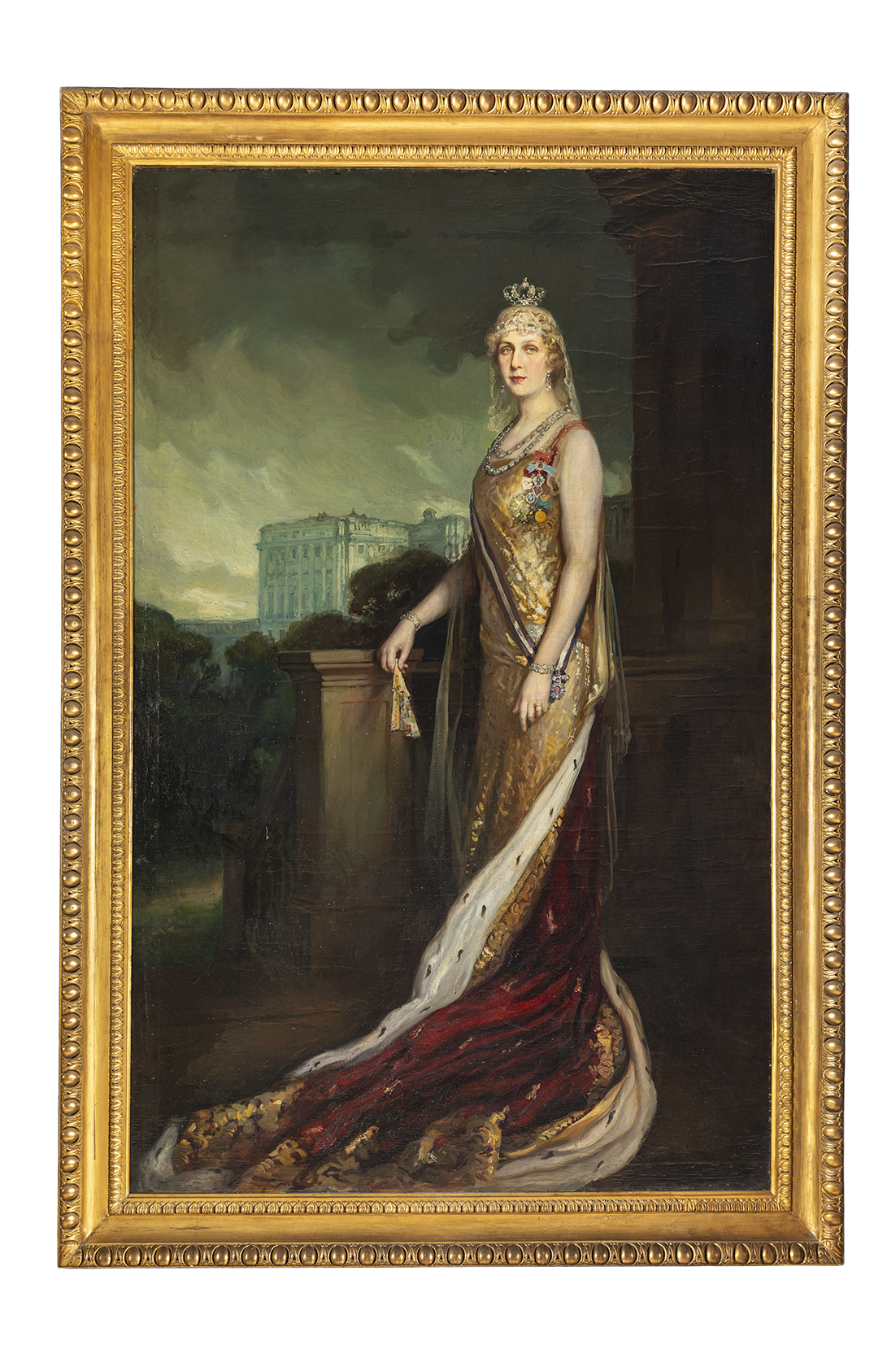
An iconographic approach to royal portraiture was chosen by artists such as Luis Menéndez Pidal (1861-1932) and Fernando Álvarez de Sotomayor (1875-1960) in their full-length representations of her in the interior and grounds of the Royal Palace of Madrid.

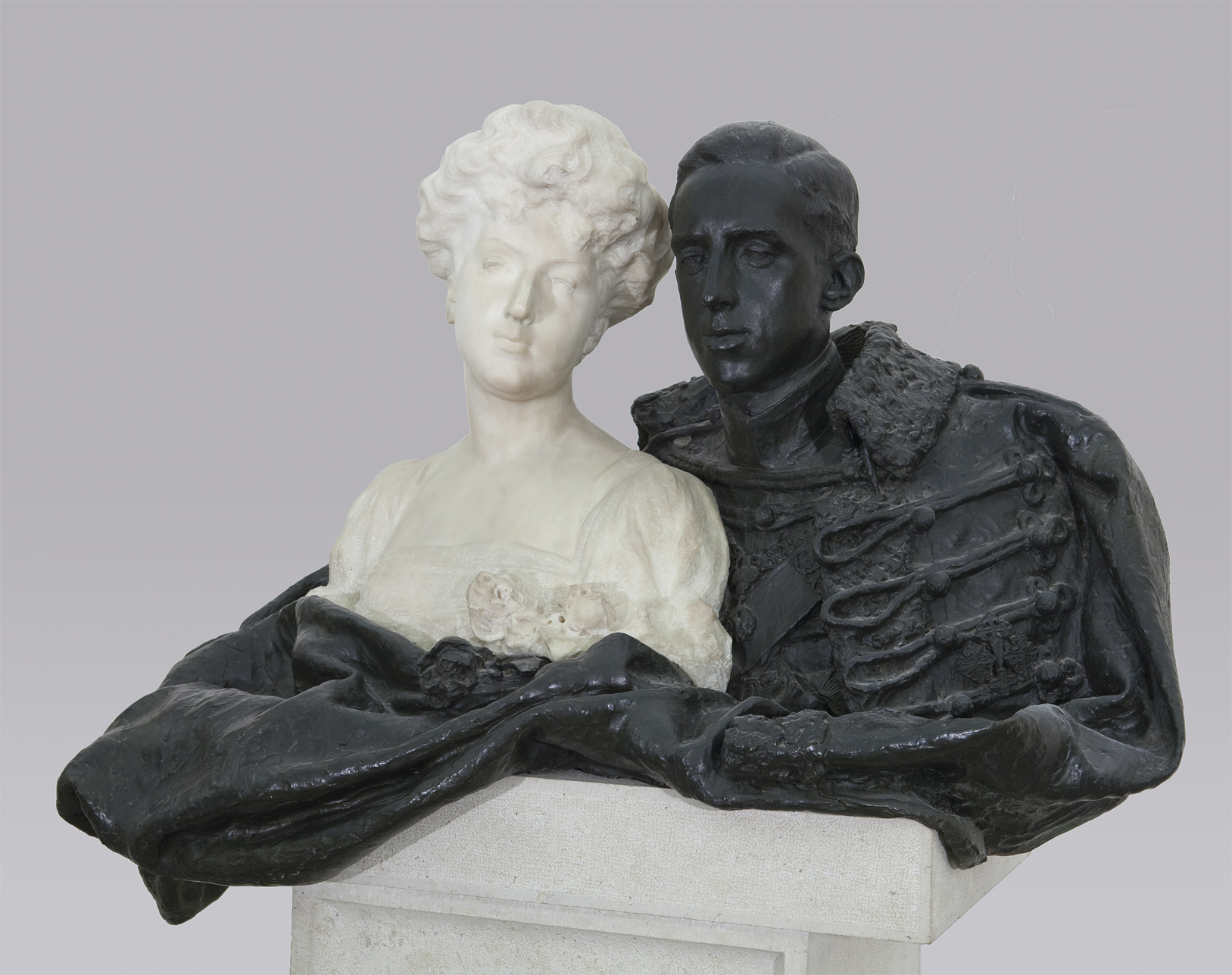
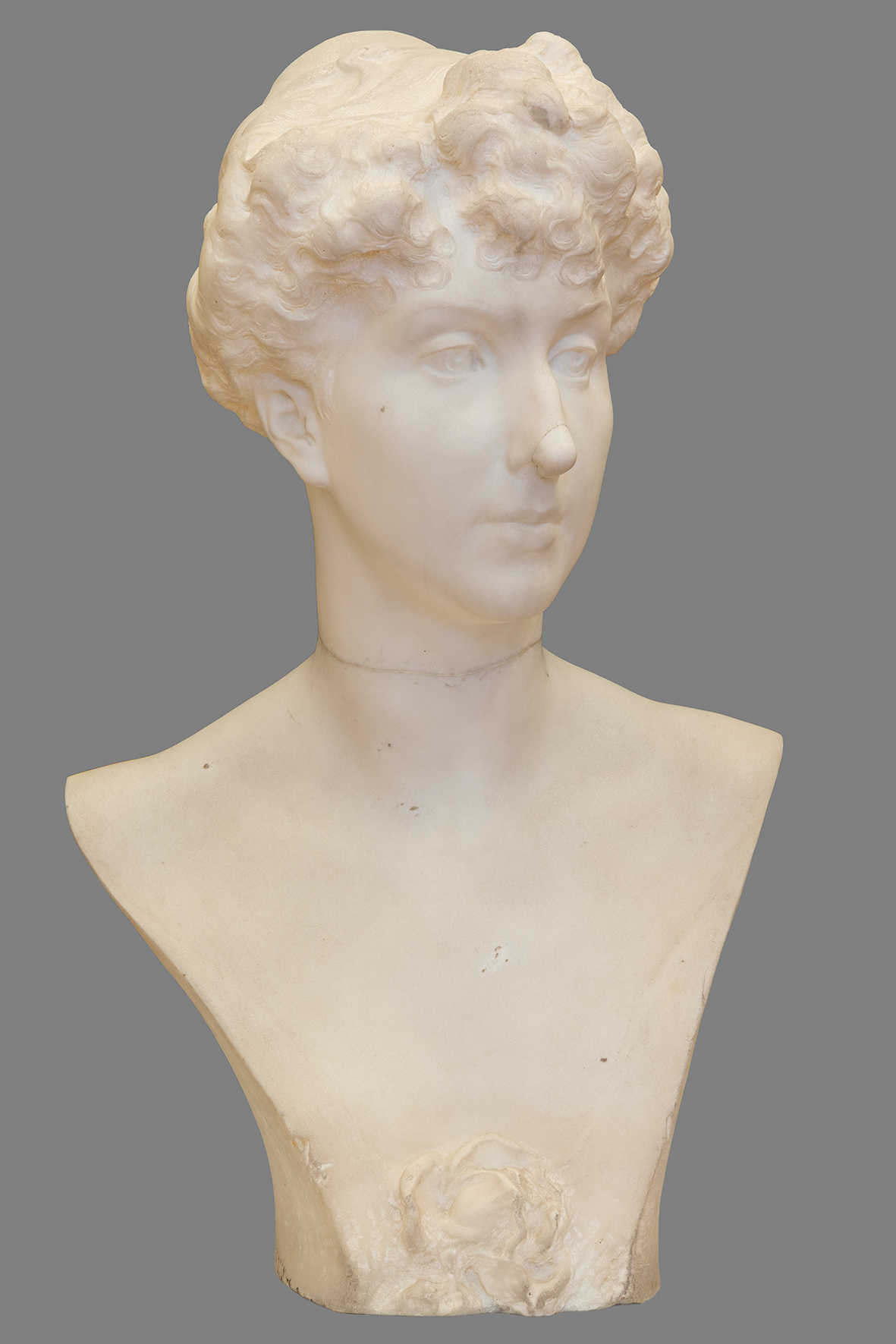
Sculptors were also interested in portraying Victoria Eugenia. Notable among all her sculptural likenesses are the busts created by Mariano Benlliure (1862-1947) in marble (1916) and bronze (1922).

Her Majesty The Queen

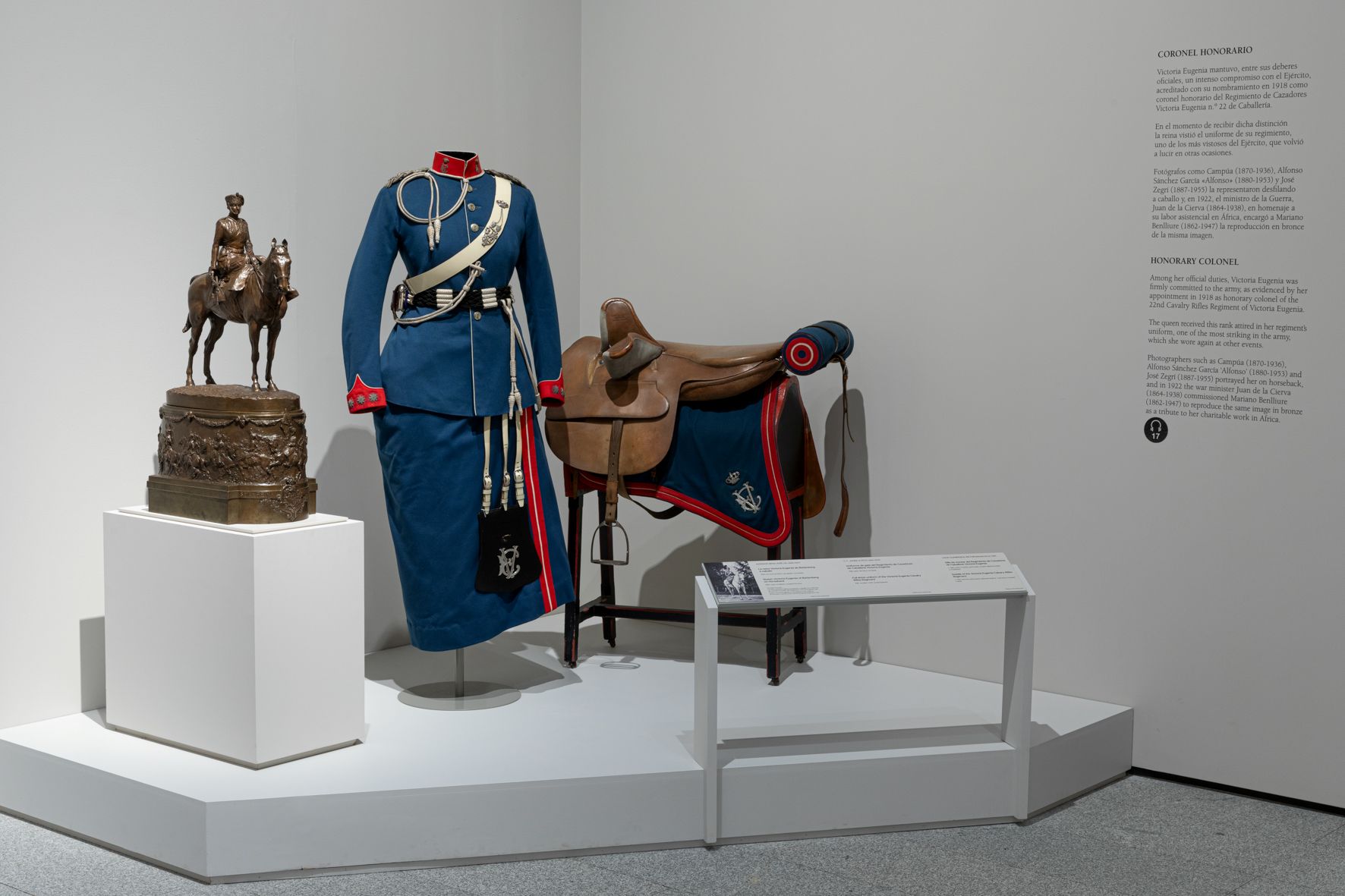
Victoria Eugenia displayed a strong sense of dynastic duty and commitment to the king and to Spain. 

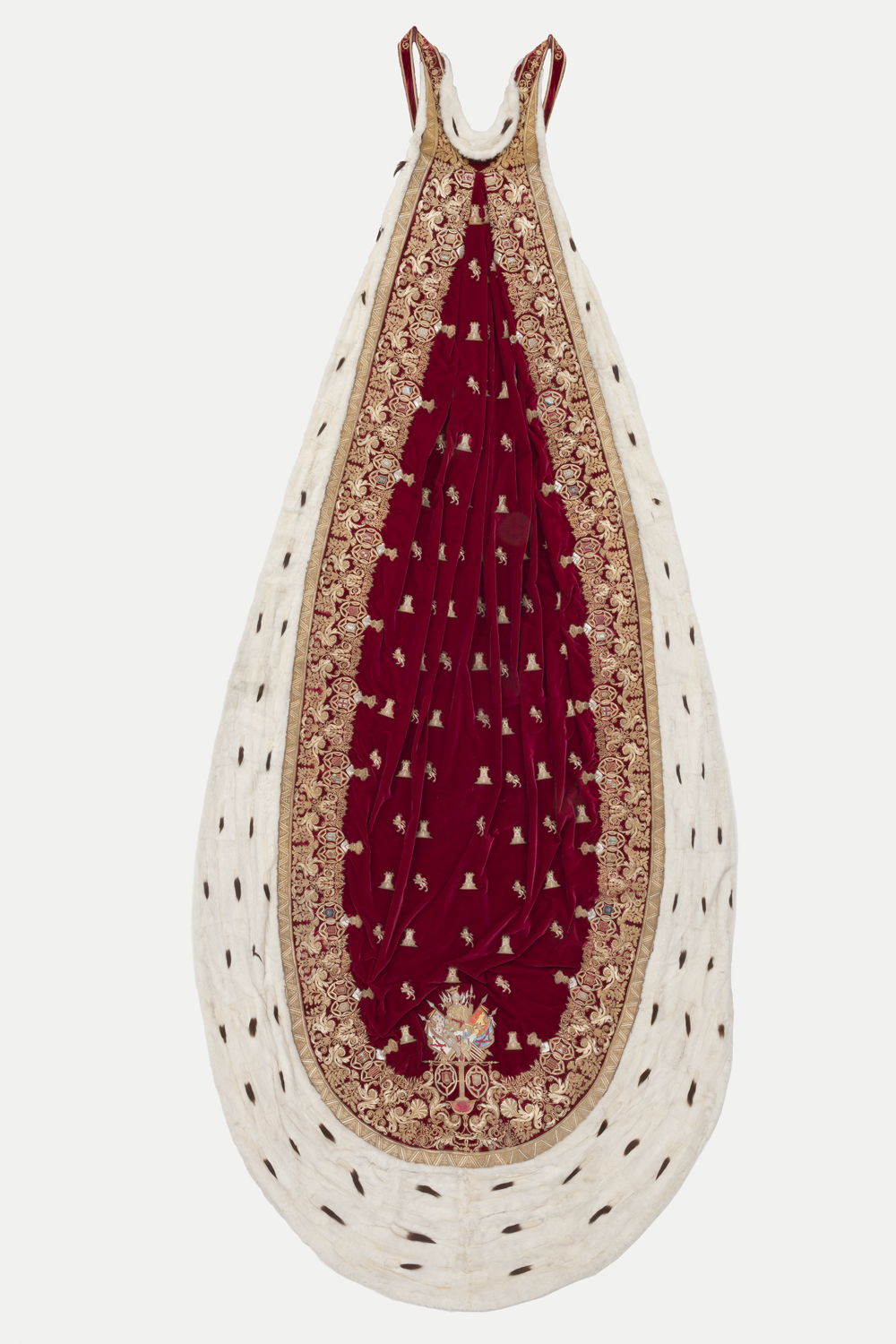
She regularly accompanied the king at official ceremonies, such as the Opening of Parliament, dressed in the royal regalia with which she was depicted by Franzen (1863-1923) and Fernando Álvarez de Sotomayor (1875-1960).

She also made many trips around Spain with Alfonso XIII—the king and queen’s chief means of keeping in touch with the people—and attended inaugurations and State and military events. This unceasing representational activity was captured by photojournalists and artists such as Alfonso Grosso (1893-1983), who depicted her at the opening of the 1929 Ibero-American Exposition in Seville.

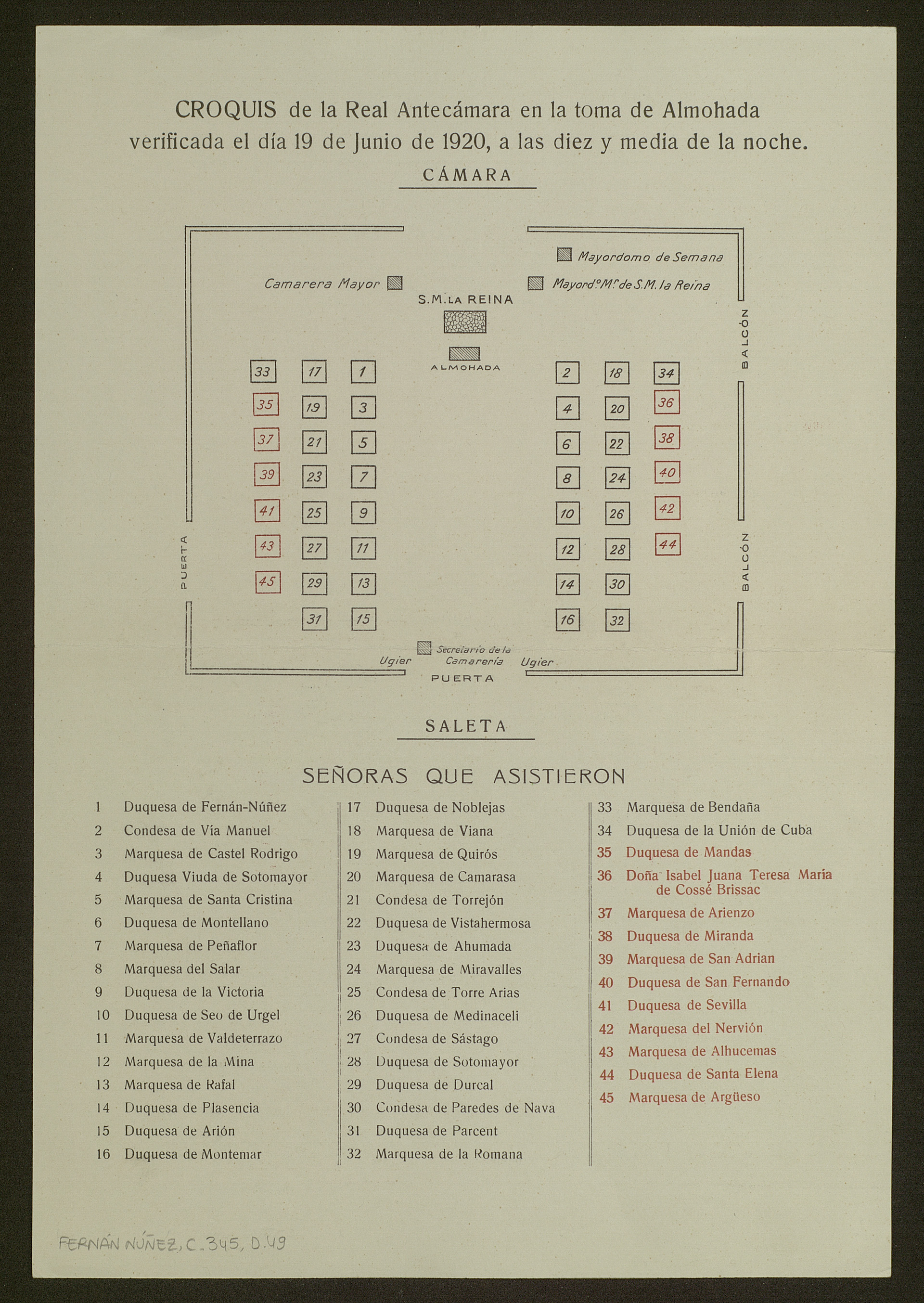
Despite her modern outlook, as queen she had to adapt to the rigid and hierarchical Spanish court etiquette. She accepted a court with ladies-in-waiting whose duty it was to accompany her inside and outside the palace, in strict order of seniority, and kept up various palace events such as the public chapel ceremonies and the pillow ceremony.

A sovereign in the service of the people

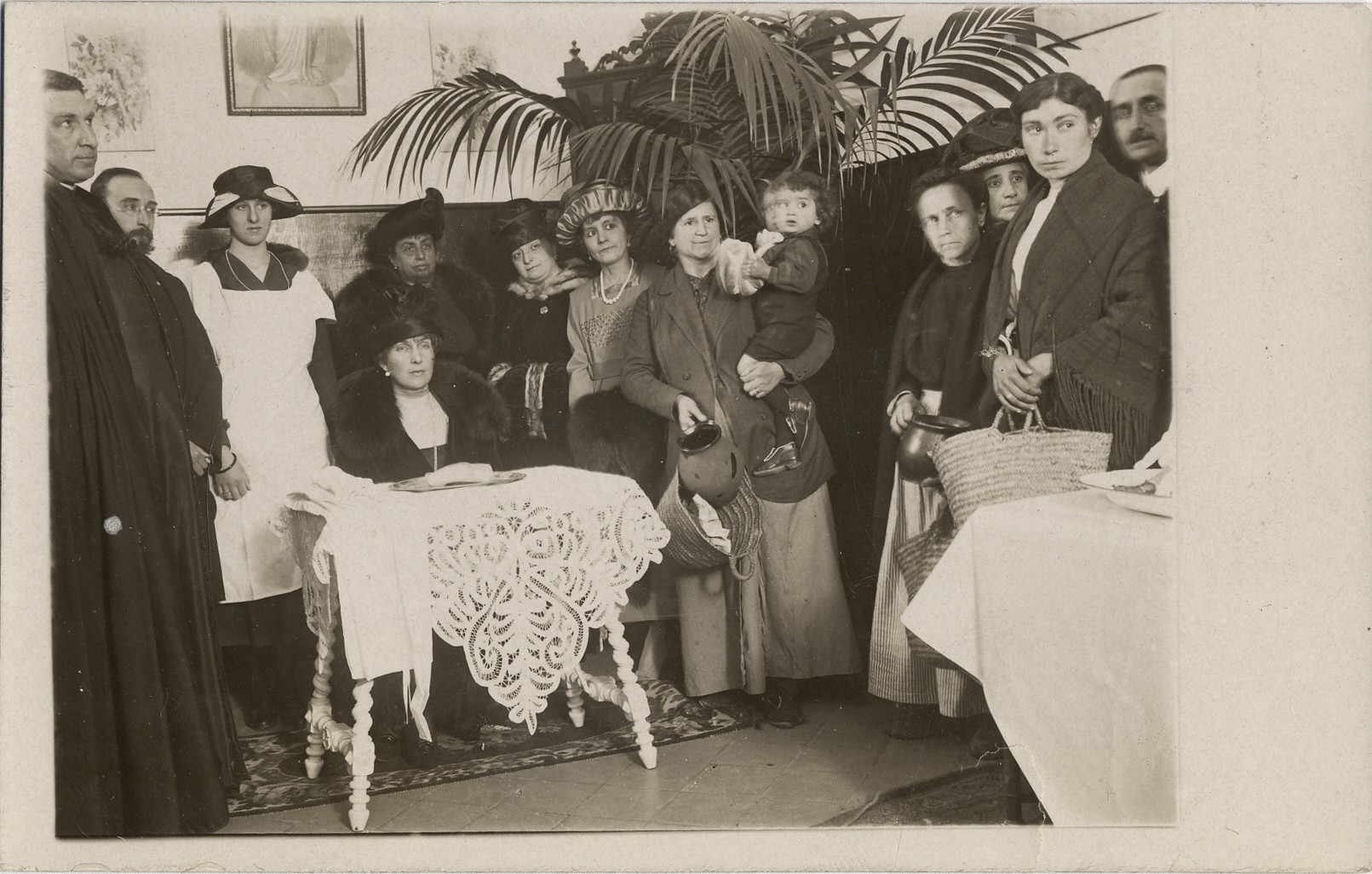
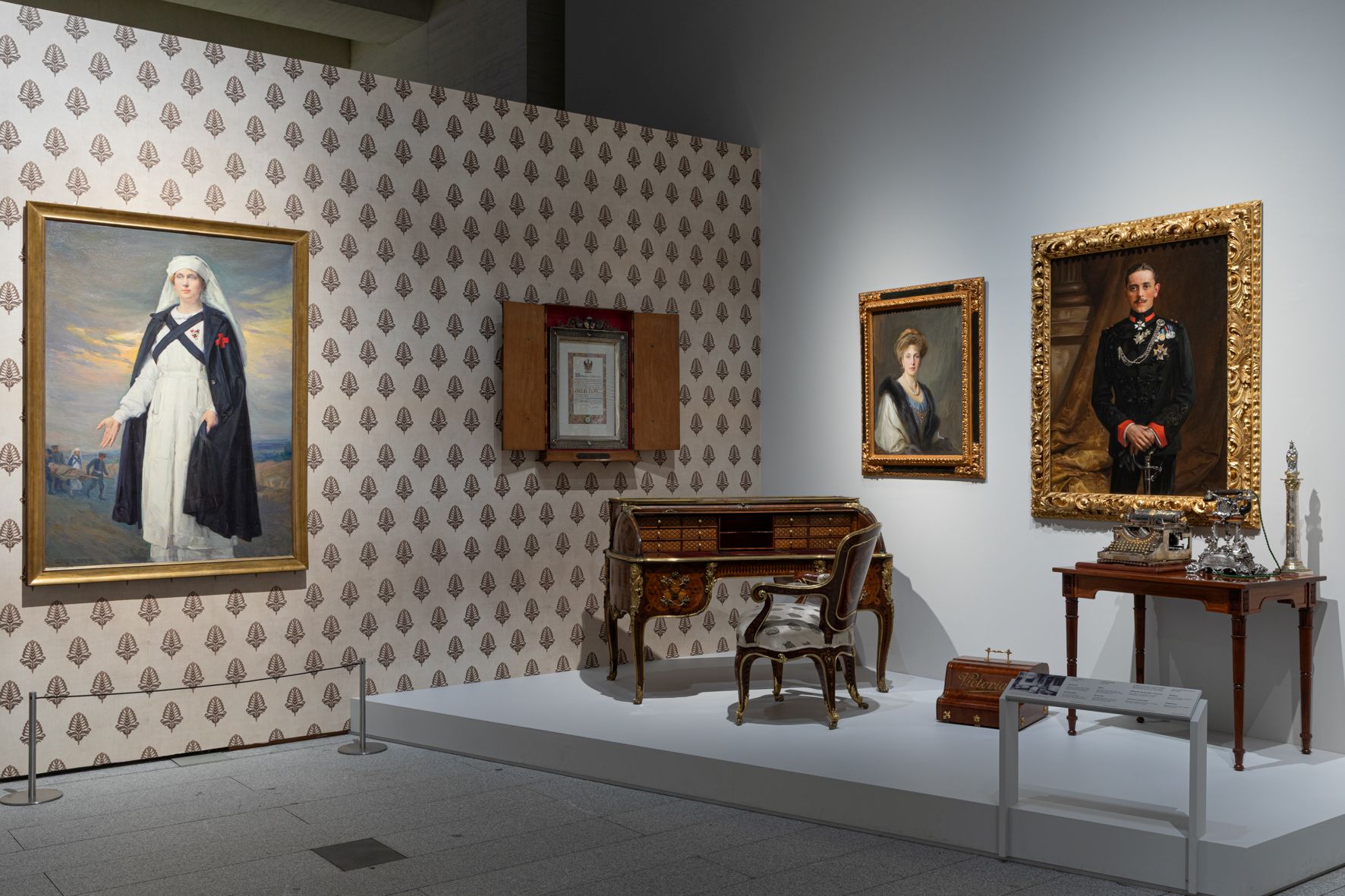
Victoria Eugenia established a new social role for Spanish queens consort, which can be considered her greatest contribution to history. She carved out a place for herself in the implementation of philanthropic projects related to health, welfare and education, especially for women and children.

The queen spent much of the day in her study, where she managed her personal involvement in various causes, placing professionals she trusted implicitly in charge of them. She also used her influence to set up Ladies’ Committees to raise funds and involve high society and the aristocracy in her projects.

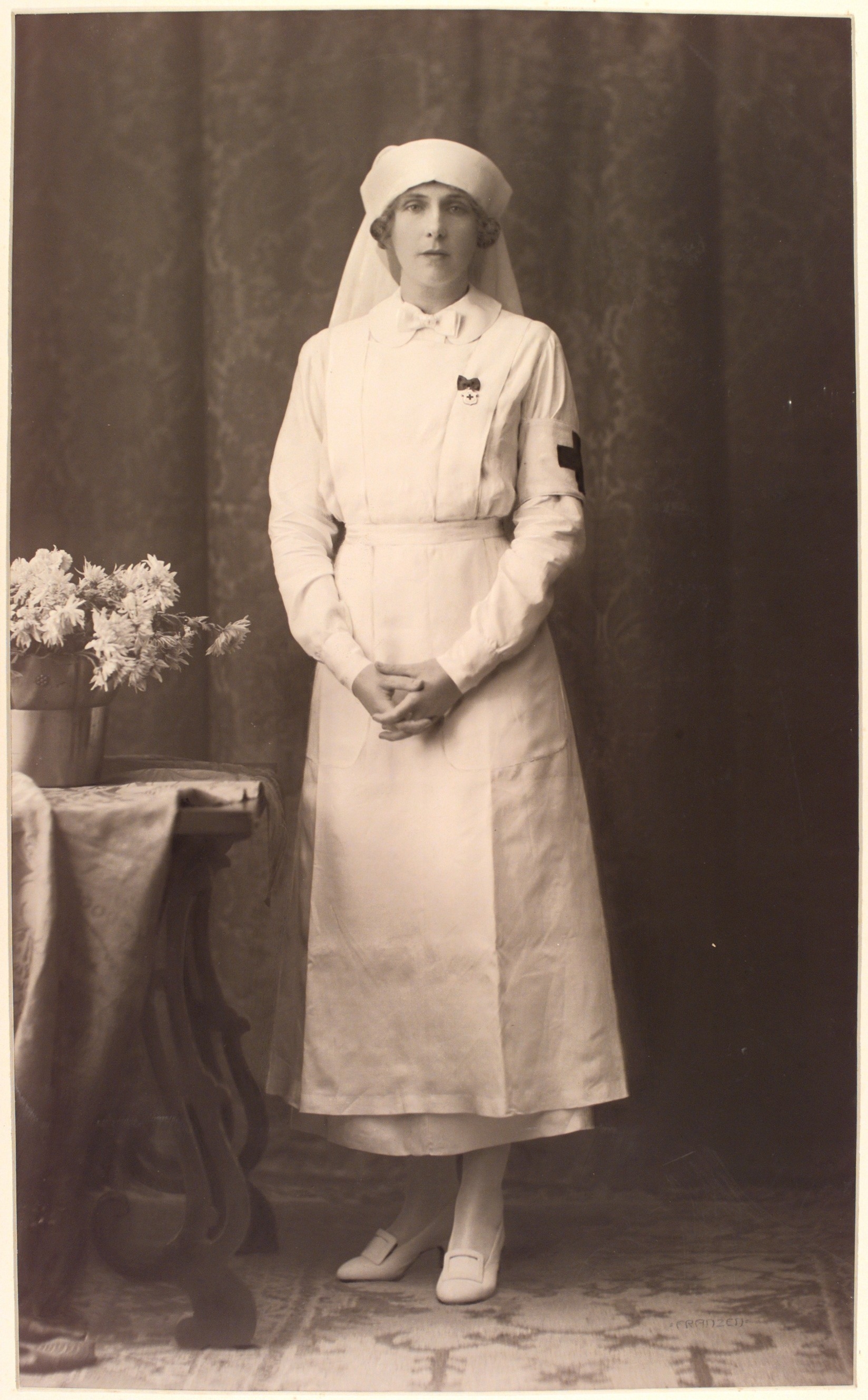
The main projects supported by Victoria Eugenia included creating free community kitchens, combating tuberculosis and establishing hygiene committees, though out of all these causes her backing of the Spanish Red Cross was particularly notable. The press at the time reported on the queen's involvement in these matters.
 
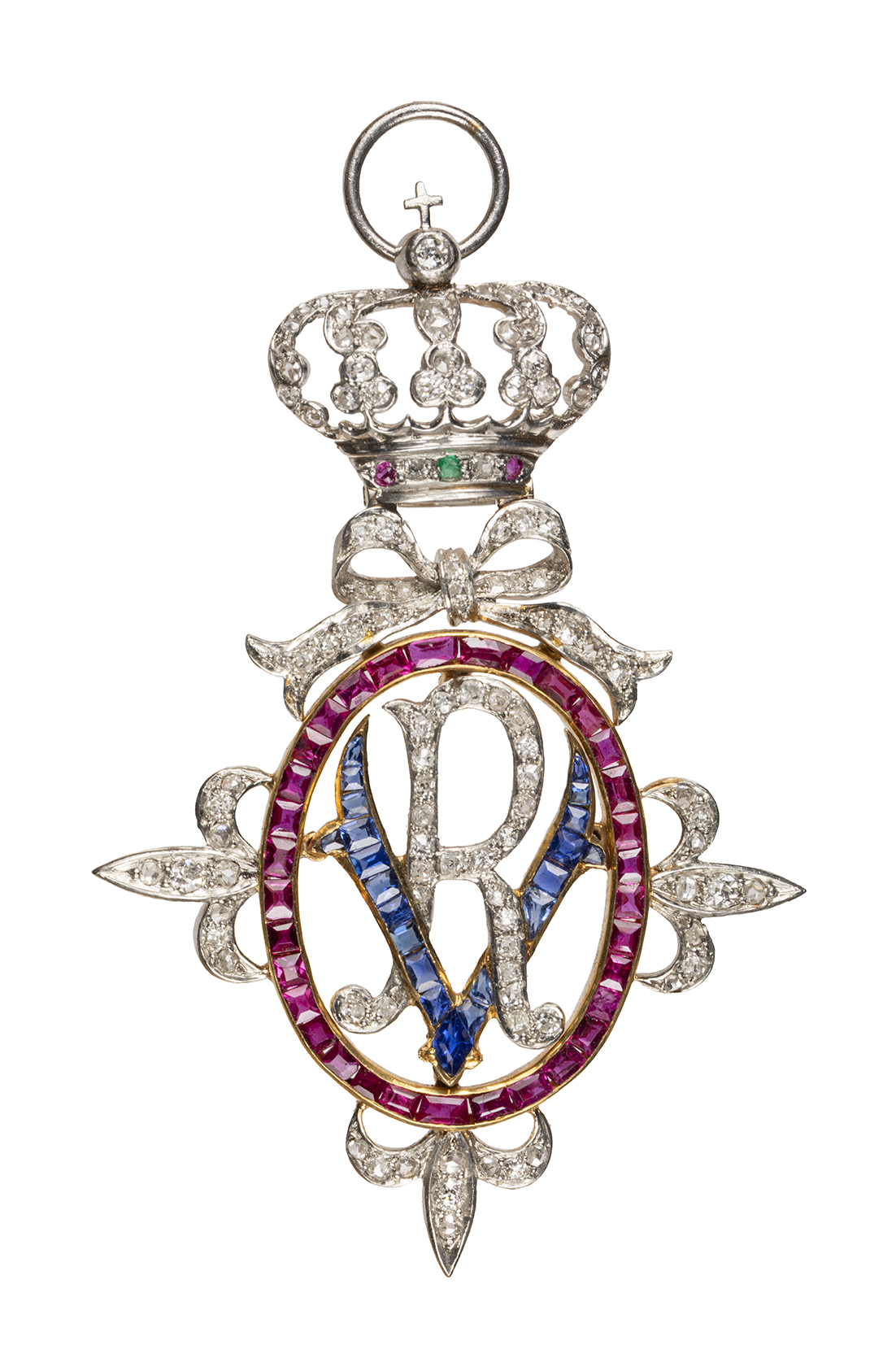
This humanitarian work earned her various distinctions, such as the Grand Cross of the Civil Order of Charity with white decoration, and the Golden Rose, the highest honour awarded by the pope to a Catholic queen.

Farewell to the Queen

On 14 April 1931, following the proclamation of the Second Spanish Republic, Alfonso XIII left Spain voluntarily without formally abdicating.

The queen’s departure from Madrid by car the following day marked the start of a painful exile. Although the king and queen were reunited in Paris, they later went their separate ways, as their personal relationship had deteriorated.

In 1934 the queen moved to London and subsequently settled in Rome, where some of her children lived and where she maintained sporadic contact with Alfonso XIII.

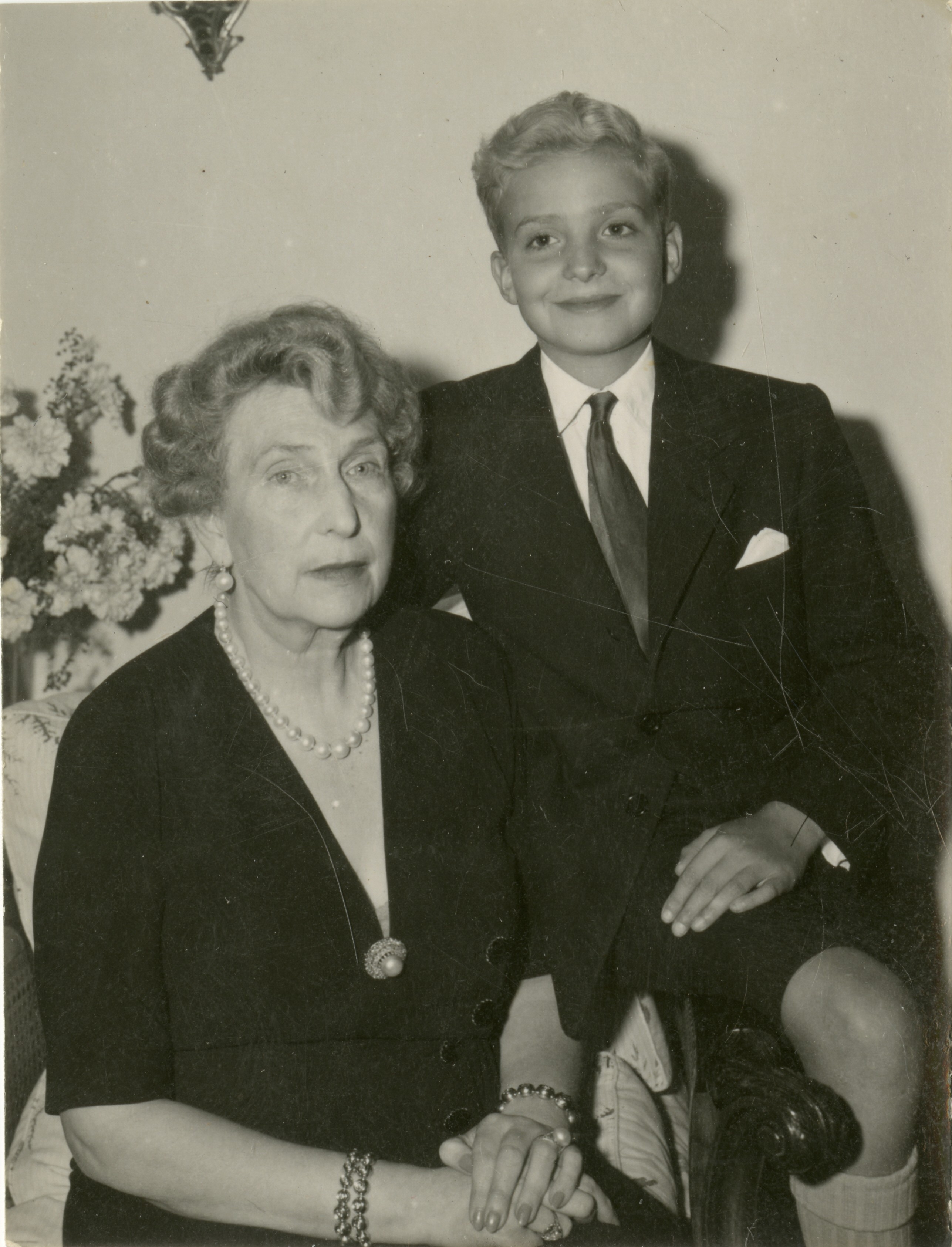
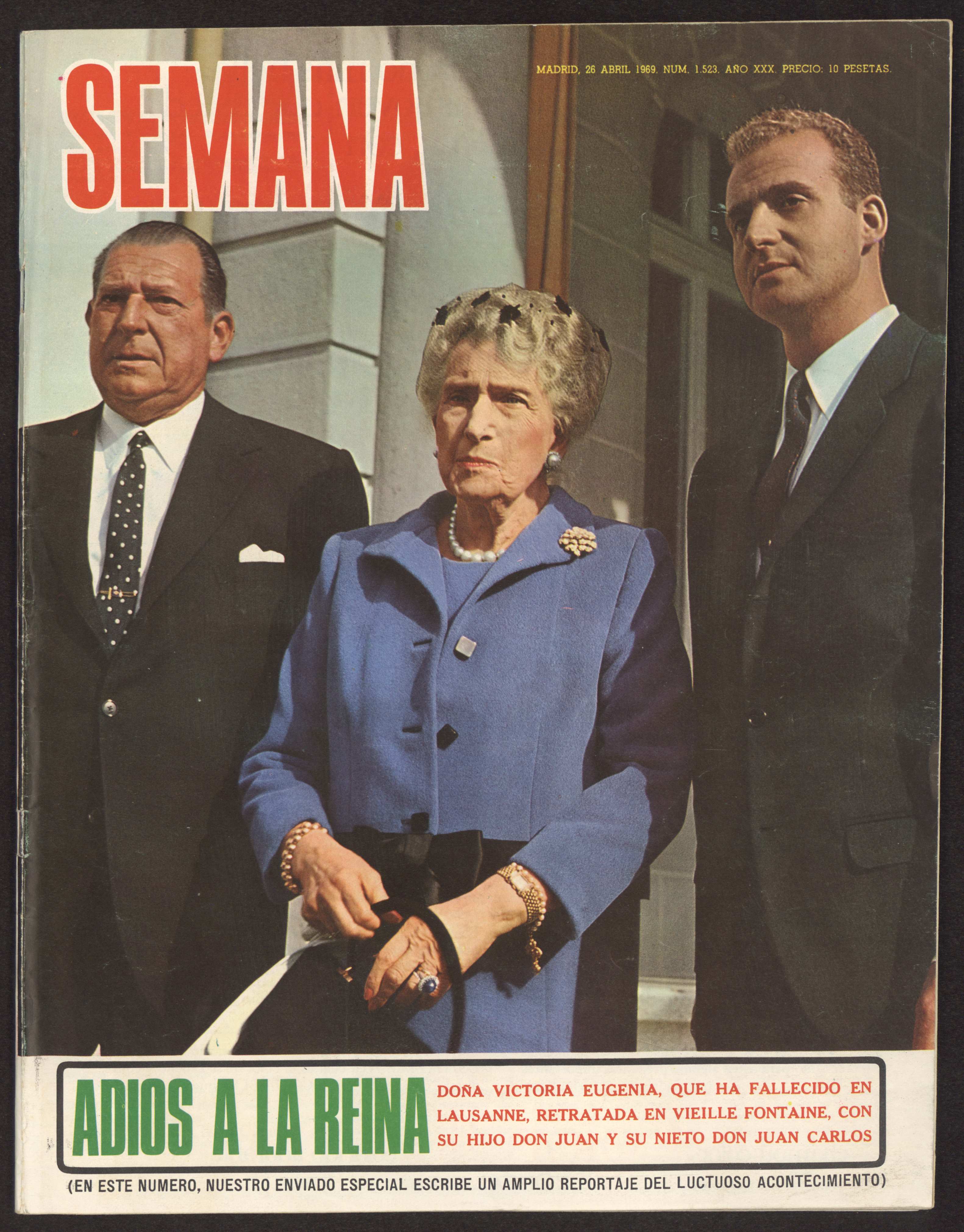
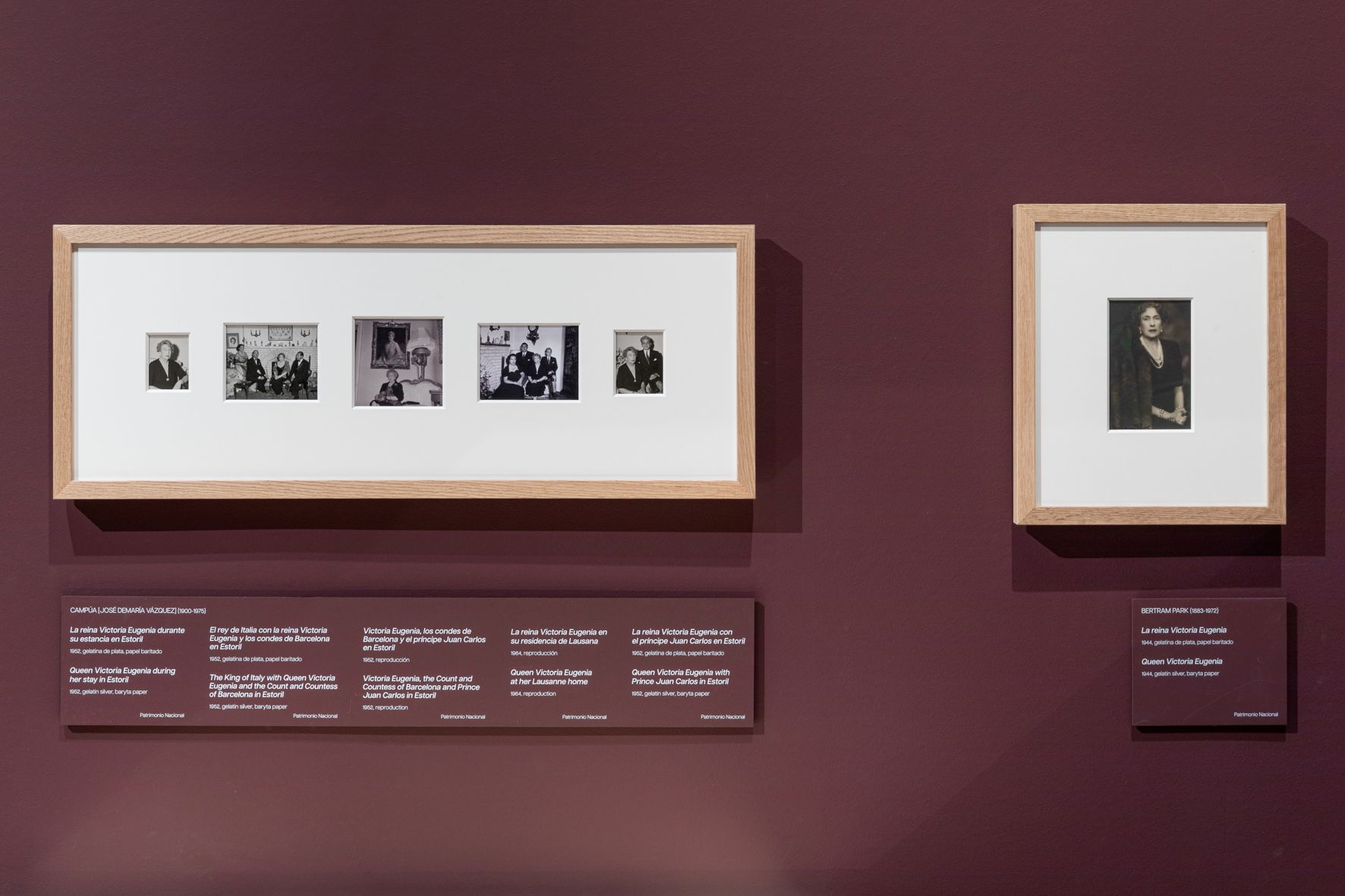
After the king's death in 1941 Victoria Eugenia regained her lost status, becoming the central figure in the family and a representative of the Spanish Royal Household, although she always remained on the sidelines of political activity. In 1942 she acquired the Vieille Fontaine in Lausanne (Switzerland), which became her permanent home.

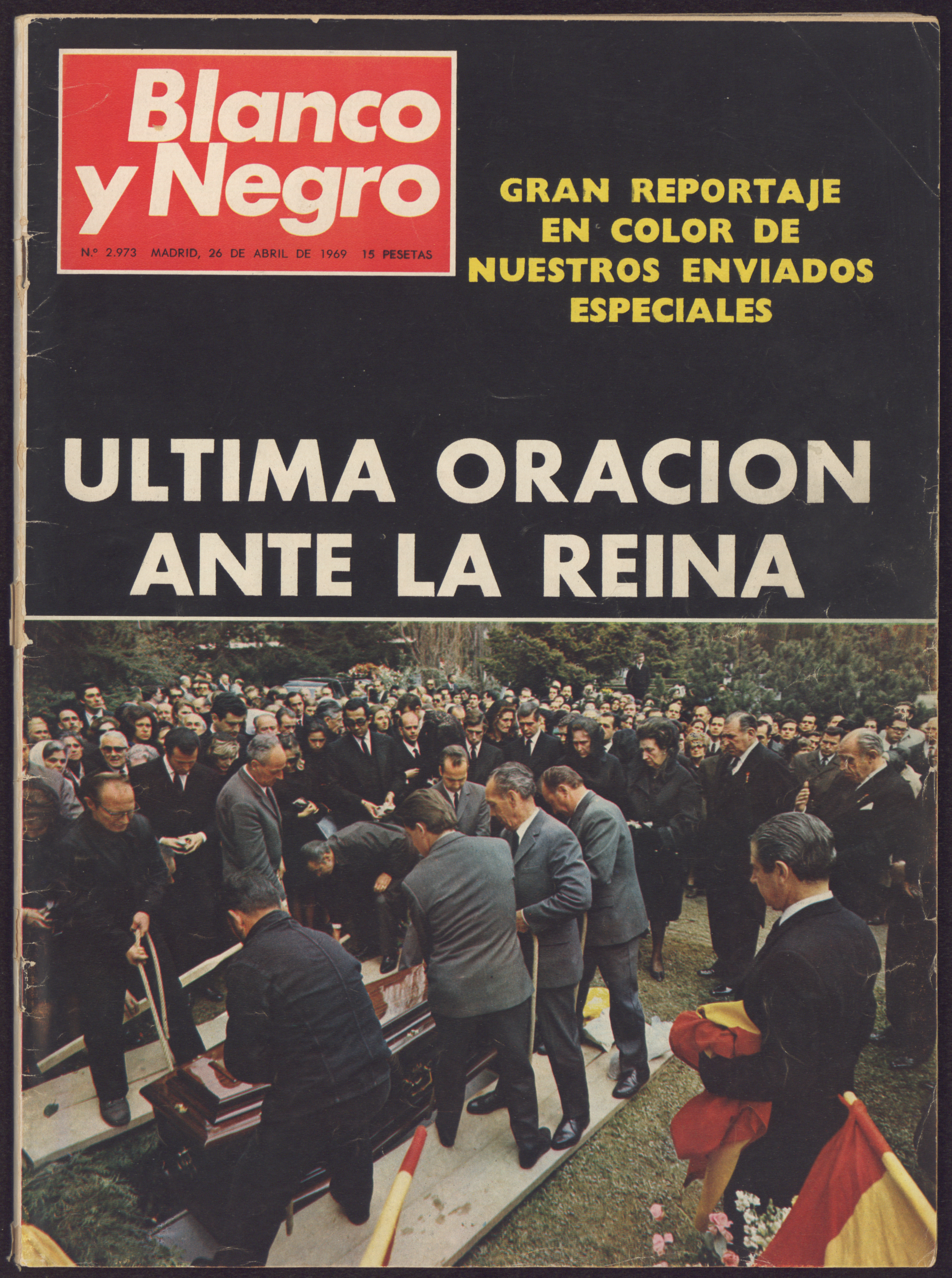
She returned to Spain only once, in 1968: as godmother at the christening of her great-grandson, the current King Felipe VI. Her presence and the outpouring of affection she received signified a kind of symbolic reinstatement for the queen.

Victoria Eugenia died in Lausanne on 15 April 1969. On 25 April 1985 her mortal remains were transferred to the Pantheon of Kings in the Monastery of San Lorenzo de El Escorial.

Instalación museográfica

Authors and Collectors

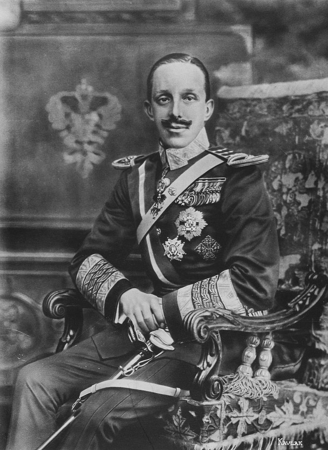
Alfonso XIII
Monarch

Alfonso XIII

(Madrid, 1886 - Roma (Italia), 1941)

The last of three sons born to Alfonso XII (1857-1885) and his second wife, the Archduchess Maria Christina of Austria (1858-1929), Alfonso XIII was King at birth, due to his father's death on 25th November 1885. His mother, Queen Maria Christina ruled as Regent of Spain until 1902. The education of the child King was supervised by General Sanchiz and he was placed in the charge of, among others, the Jesuit priest José Fernández Montaña and the prestigious jurist Vicente Santamaría Paredes, who was his teacher of Constitutional Law. The King was proclaimed of age after he swore allegiance to the Constitution on 17th May 1902.On 31st May 1906, he was married to Princess Victoria Eugenie of Battenberg (1887-1969),...
Read more
Victoria Eugenie of Battenberg
Monarch

Victoria Eugenie of Battenberg

(Castillo de Balmoral (Reino Unido), 1887 - Lausana (Suiza), 1969)

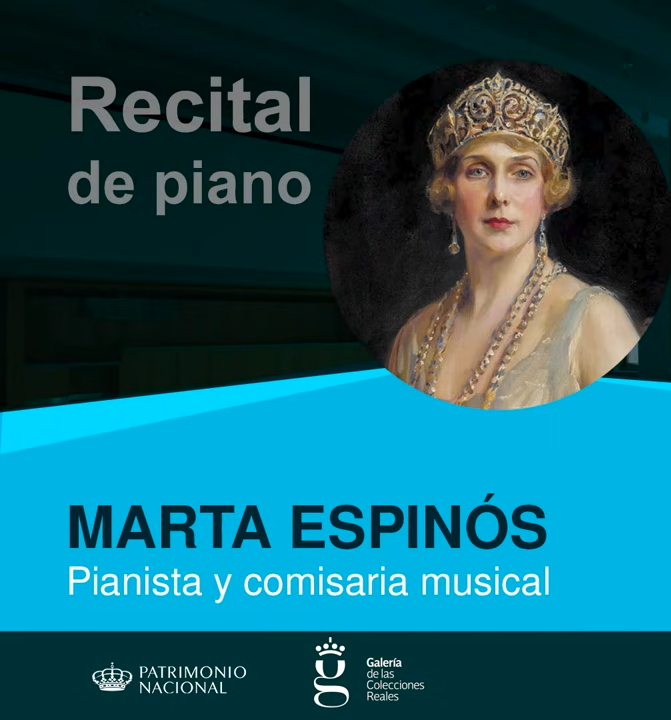
The second of four children born to Prince Henry of Battenberg (1858-1896) and Princess Beatrice of the United Kingdom (1857-1944), Victoria Eugenie of Battenberg was the youngest granddaughter of Queen Victoria I of England (1819-1901). She was educated at the British court during the last years of her grandmother’s reign. Called Ena by her family, after the last of her baptismal names, she met Alfonso XIII (1886-1941) during his state visit to England in June 1905. Months later, her engagement to the King was officially announced in January 1906. Shortly before the wedding, Victoria Eugenie of Battenberg renounced her Anglican faith and converted to Catholicism. The royal wedding was celebrated at the Church of San Jerónimo in Madrid on 31st May...

Read more

Organized by: Patrimonio Nacional

Sponsored by: Banco Santander Foundation

Curators: Arantxa Domingo Malvadi and Reyes Utrera Gómez

Lenders and collaborators: Archivo ABC; Archivo Histórico de la Nobleza; Archivo Villalobar; Ayuntamiento de Santander; Casa Palacio de la Duquesa de Lebrija; Colección del Senado; Colecciones particulares; Cruz Roja Española; Duquesa de Montellano-Marquesa de Mirabel; Fundación Álvaro de Bazán; Fundación Kutxabank Juan Miguel Sánchez Vigil; Museo Carmen Thyssen, Barcelona; Museo del Traje CIPE; Museo Nacional del Prado; Museo Sorolla; Museu Nacional d’Art de Catalunya, Barcelona; National Portrait Gallery; Ricardo Mateos; Royal Collection Trust

Museographic design: Polo Sequeros MIR Arquitectos

Museographic installation: SIT Museografía

Transport: TTI, Feltrero

Insurance: Axa, Esartedeleitosa

Logo Fundación Santander

Related resources

Folleto descargable

Folleto descargable

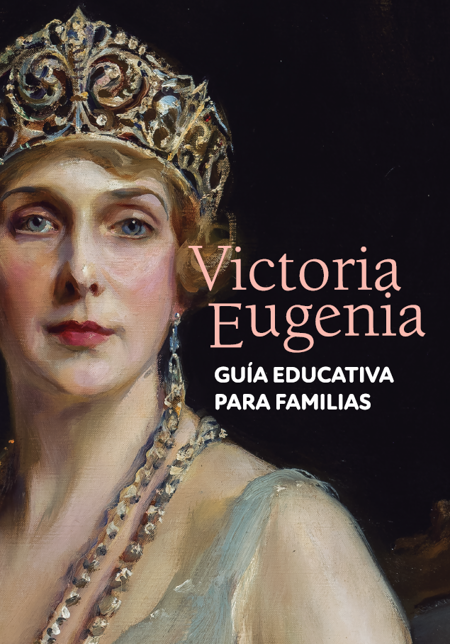
Guía educativa para familias

Guía educativa para familias