Use of Cookies

The Royal Collections Gallery uses its own and third-party cookies, mainly for technical purposes, which are necessary to provide our services and provide you with relevant content. More information in our cookies policy. Cookies Policy.

ACCEPT to confirm that you have read the information and accepted their installation. You can change your browser settings.

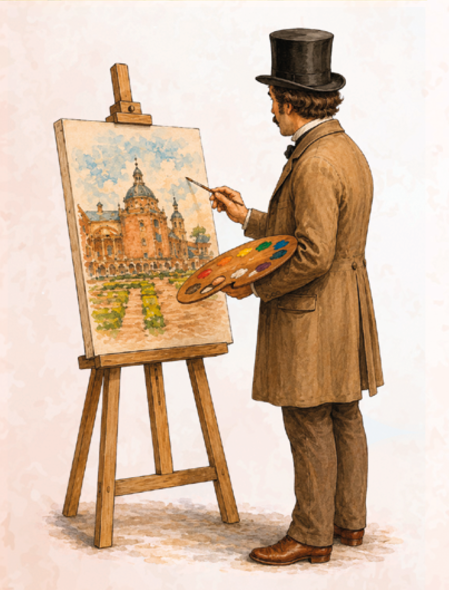
This exhibition, the first to bring together such a sizeable group of paintings by Fernando Brambila (Cassano d’Adda, 1763-Madrid, 1834), draws attention to the significance of this painter, who specialised in perspectives, landscapes and urban views.
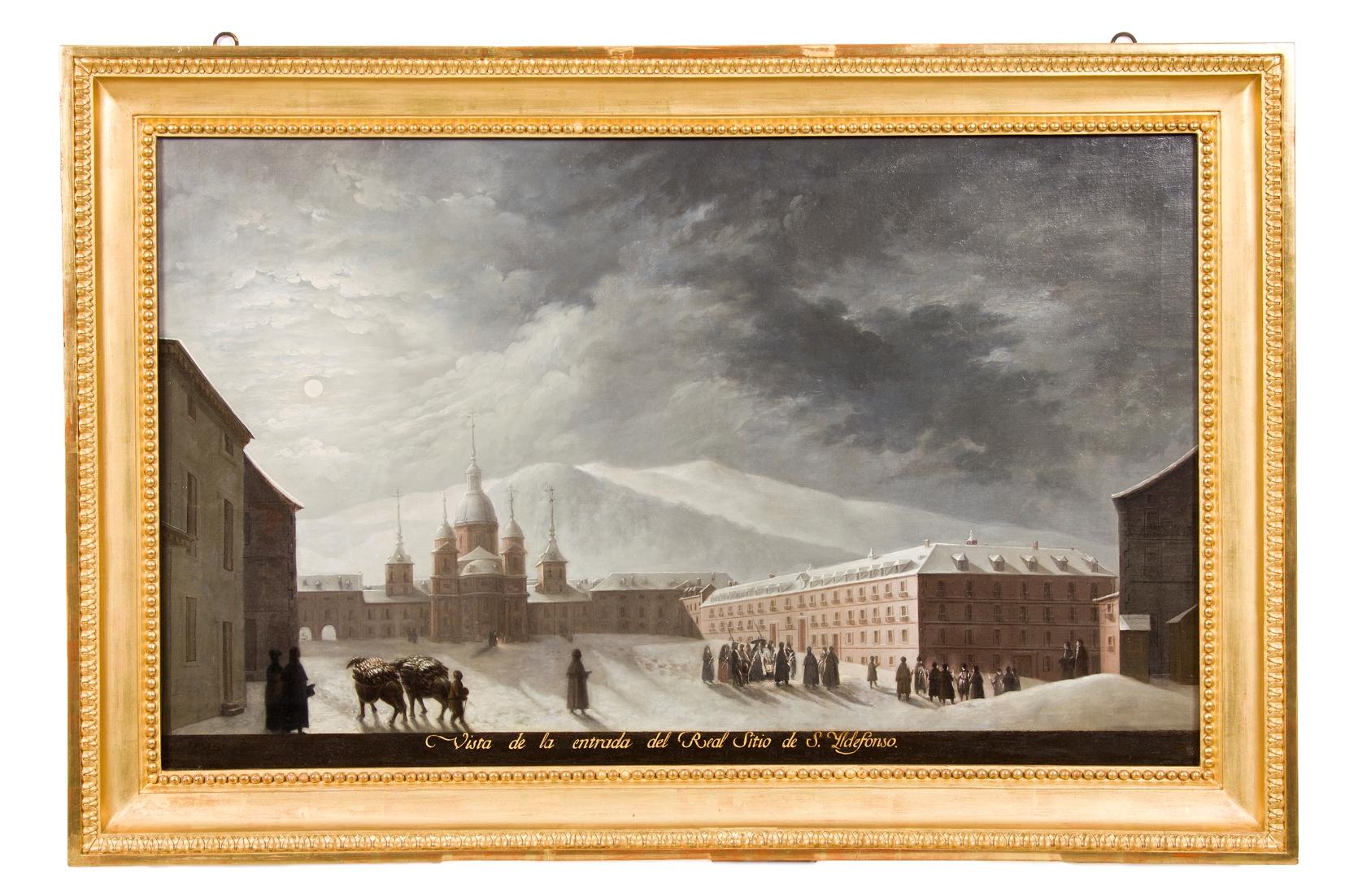
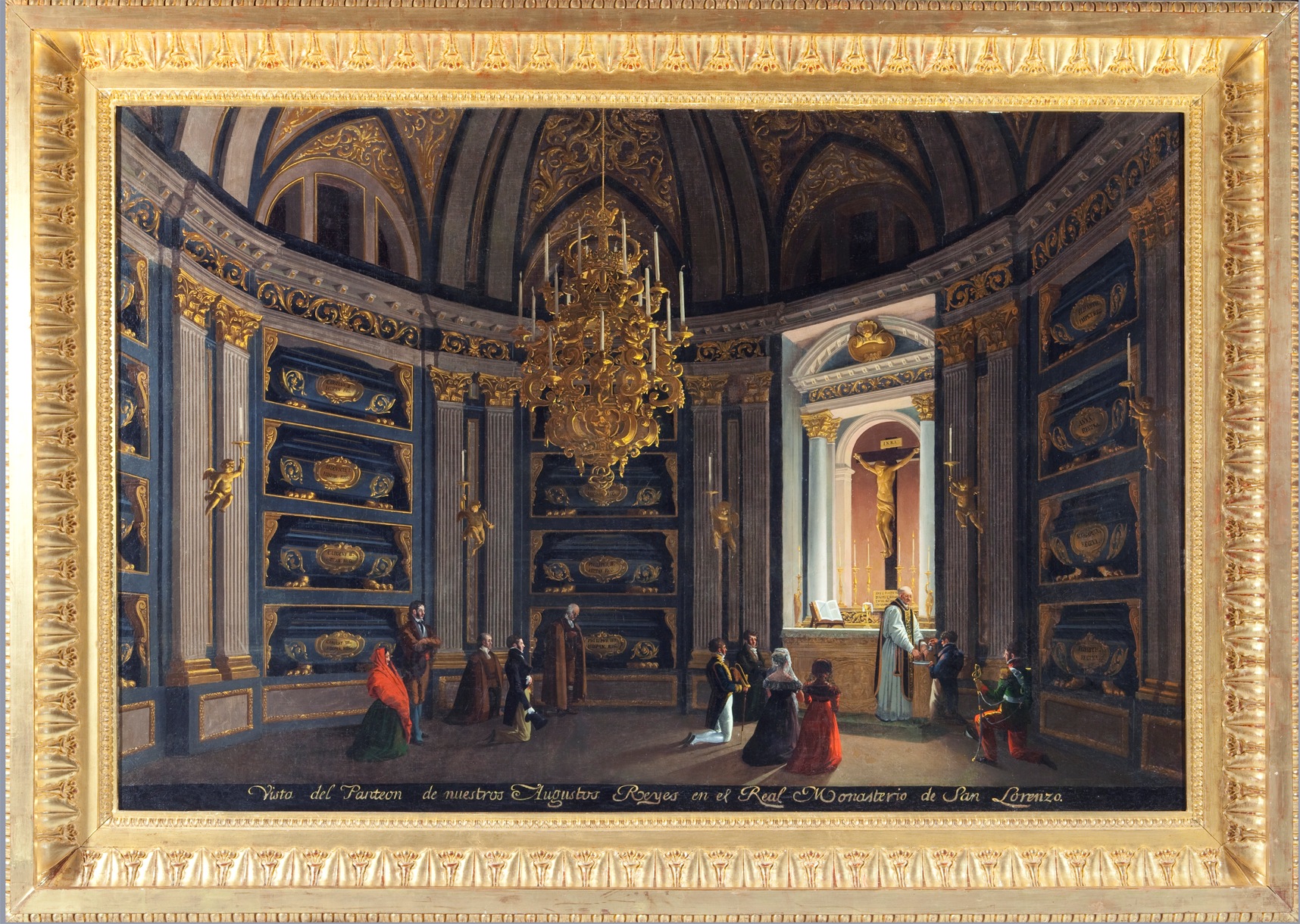
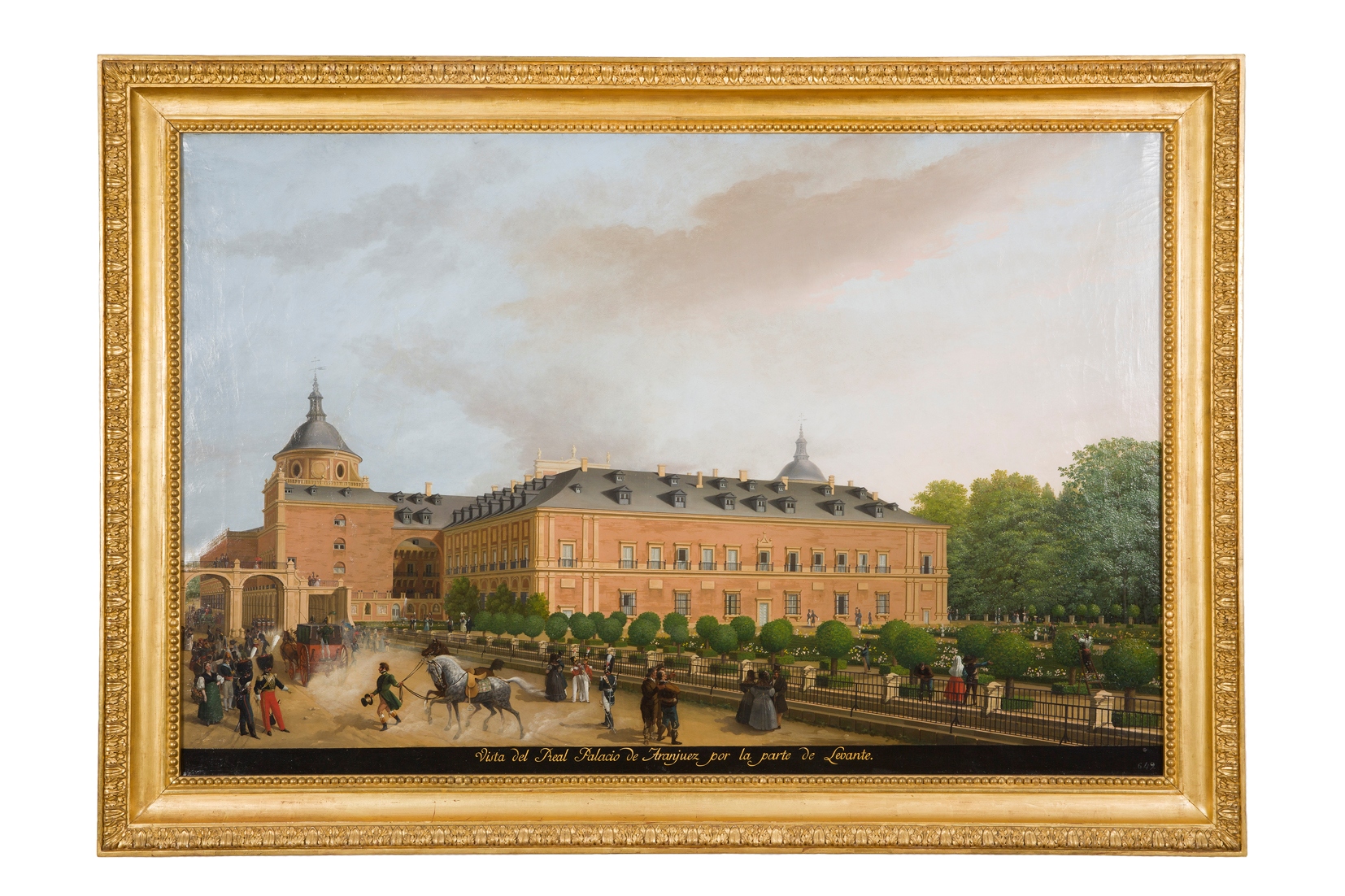
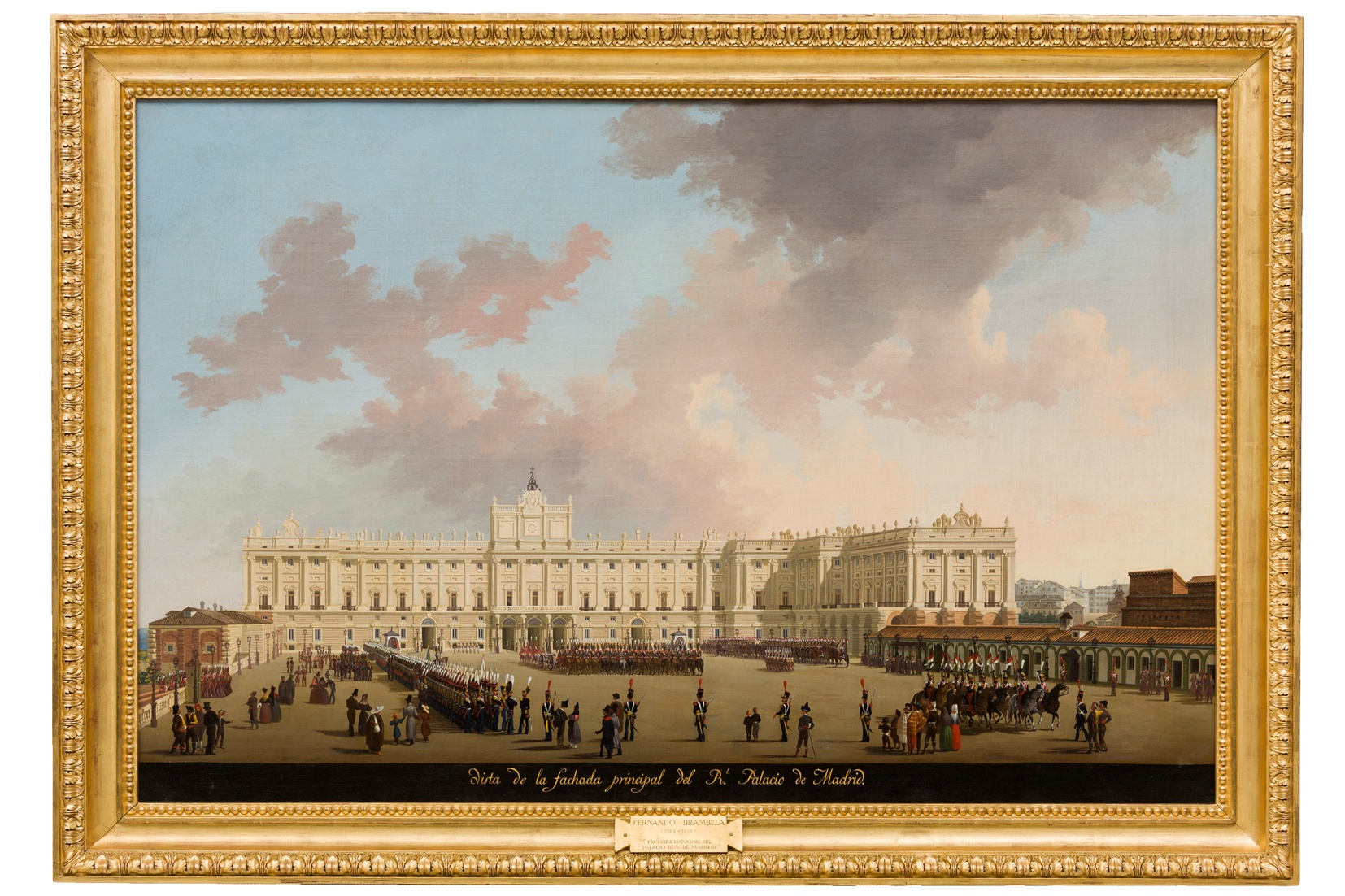
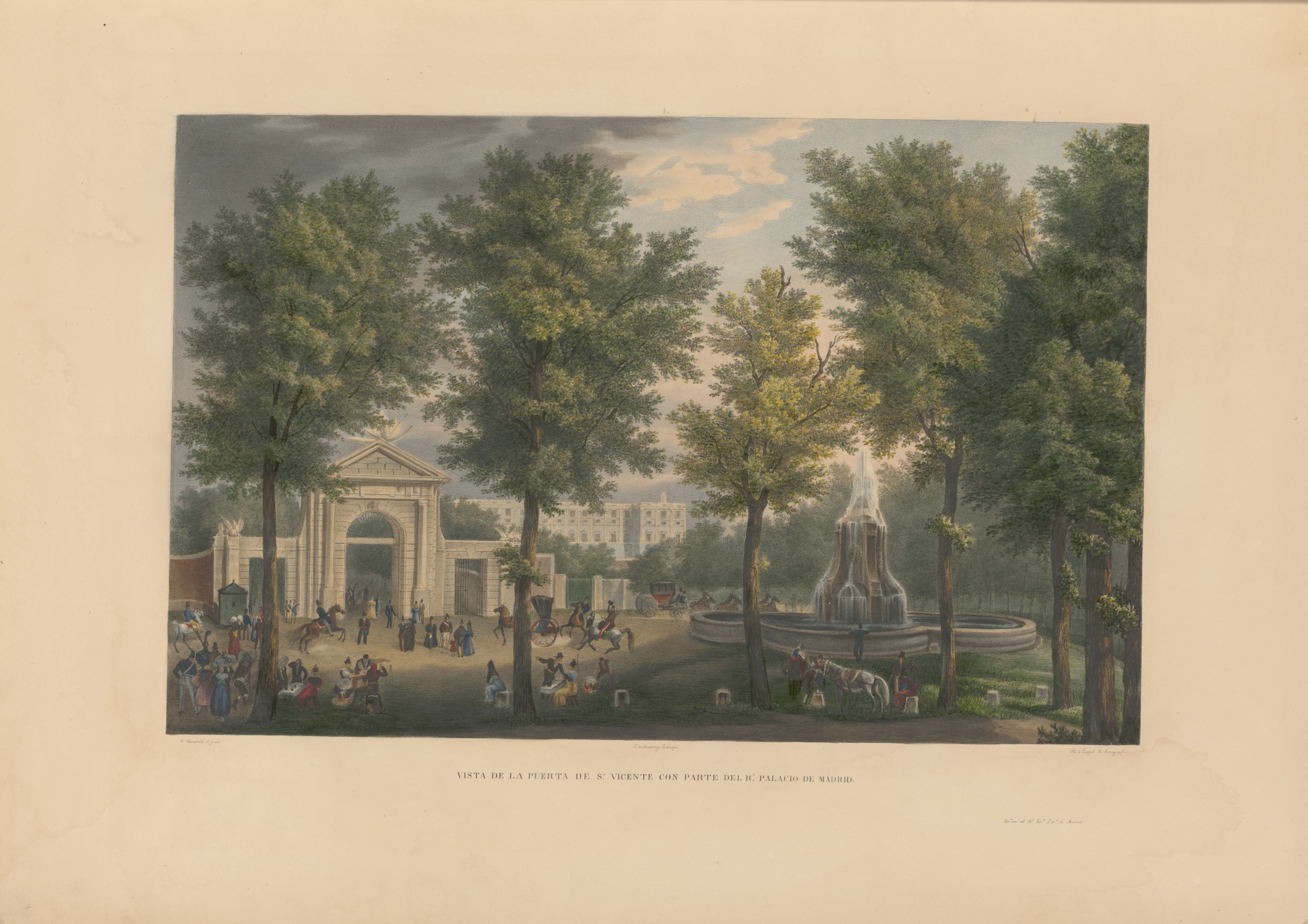
His work focused on the production of topographical views, and throughout his career Brambila executed drawings and paintings that were then reproduced as prints. The artist’s most important work is the series of views of the Royal Sites, executed in oil on canvas from 1821 to 1833 as a commission from Ferdinand VII, intended for display in private rooms in the various royal palaces. Brambila contributed to forging an image of the Royal Sites that has remained in the collective memory thanks to its dissemination through the Collection of Views of the Royal Sites published by the Real Establecimiento Litográfico.

Buy Tickets
  • Opening Hours

    Monday to Saturday from 10 am to 8 pm. Sundays and Bank Holidays from 10 am to 7 pm.

  • Admission

    Plaza de la Armería. Groups will enter through the Cuesta de la Vega.

  • Prices

    • Standard Admission (Gallery + Temporary Ehibition) 14€

    • Reduced (only Temporary Ehibition) 8€

Fernando Brambila on the Malaspina expedition

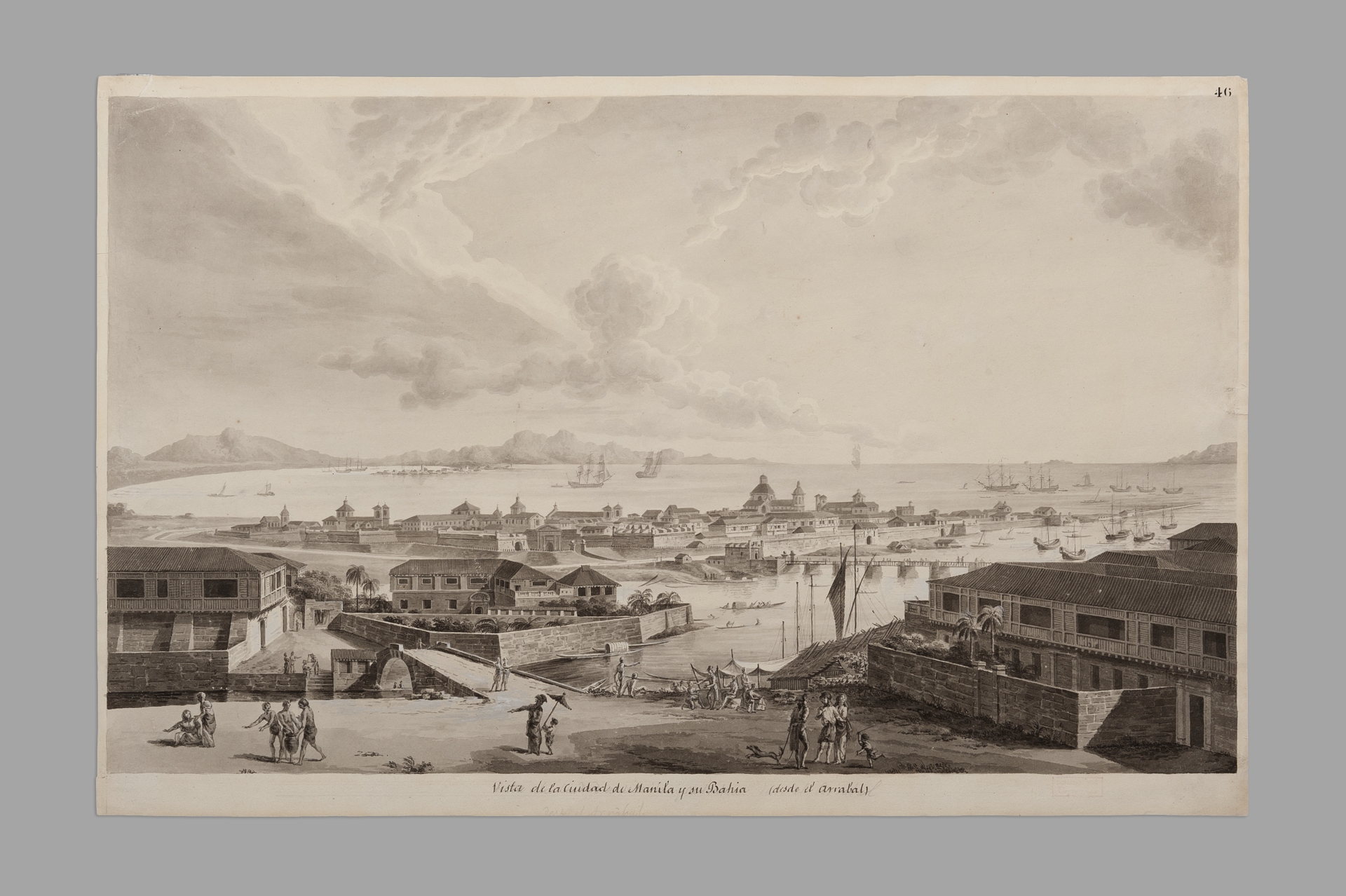
In 1791, at the age of 28, Brambila was recruited to take part in the scientific and political voyage around the world undertaken by the corvettes "Descubierta" and "Atrevida". This expedition had been proposed to King Charles III in 1788 by the Spanish Navy captain Alessandro Malaspina, together with José de Bustamante, also a captain. The project was conceived partly in response to the expeditions of the British navigator James Cook and the French explorer Jean-François Galaup, Count of La Pérouse. 
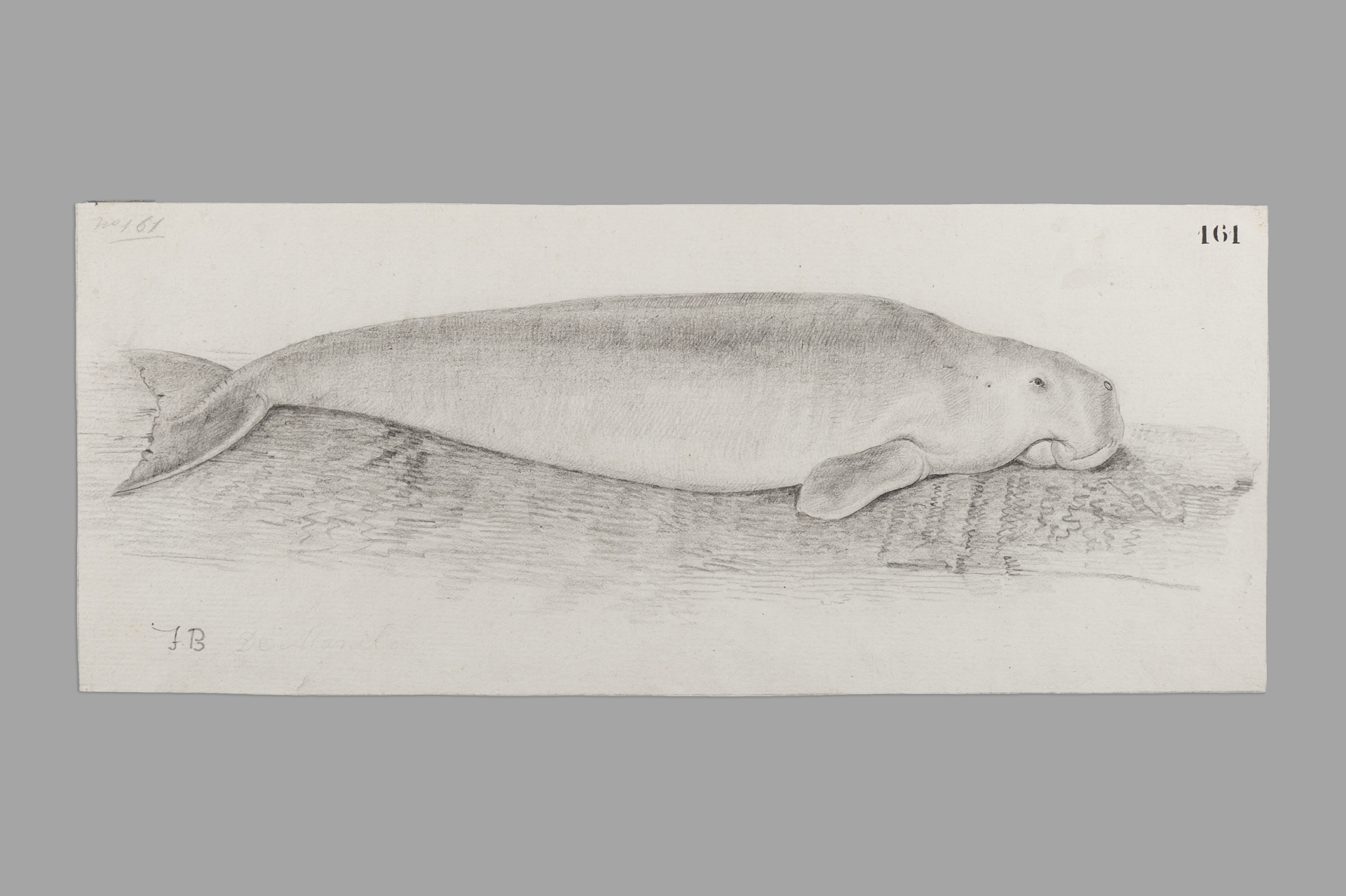
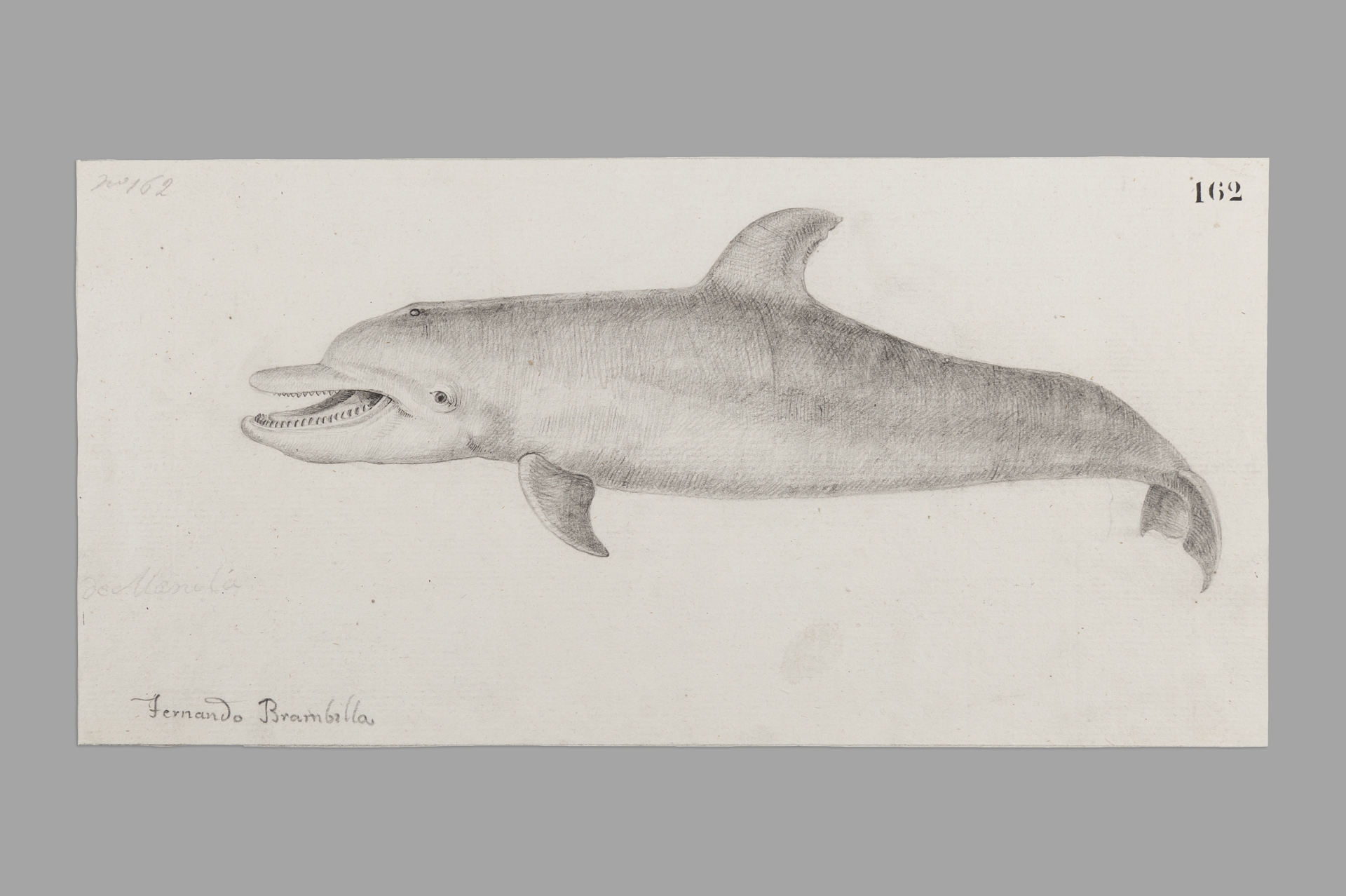
The Spanish monarchy financed and supported this ambitious project, aimed at expanding geographical, natural and ethnographic knowledge of the Americas, Asia and Oceania. The initiative required the participation of scientists from various disciplines, as well as artists tasked with producing drawings and paintings of landscapes, cities, towns and natural specimens. During the voyage, Brambila produced drawings of natural specimens and cityscapes of great documentary value. The drawings on display relate to the voyage through the Philippine Islands, with those of marine animals being of particular interest.

Brambila at the court of Madrid

In 1799, Brambila was appointed Painter, Architect and Decorator to the Royal Household. However, this position did not necessarily entail commissions or financial benefits, so he had to repeatedly press for work to be assigned to him. During this period, he must have devoted himself to decorative and stage-set painting, about which very little information survives.  
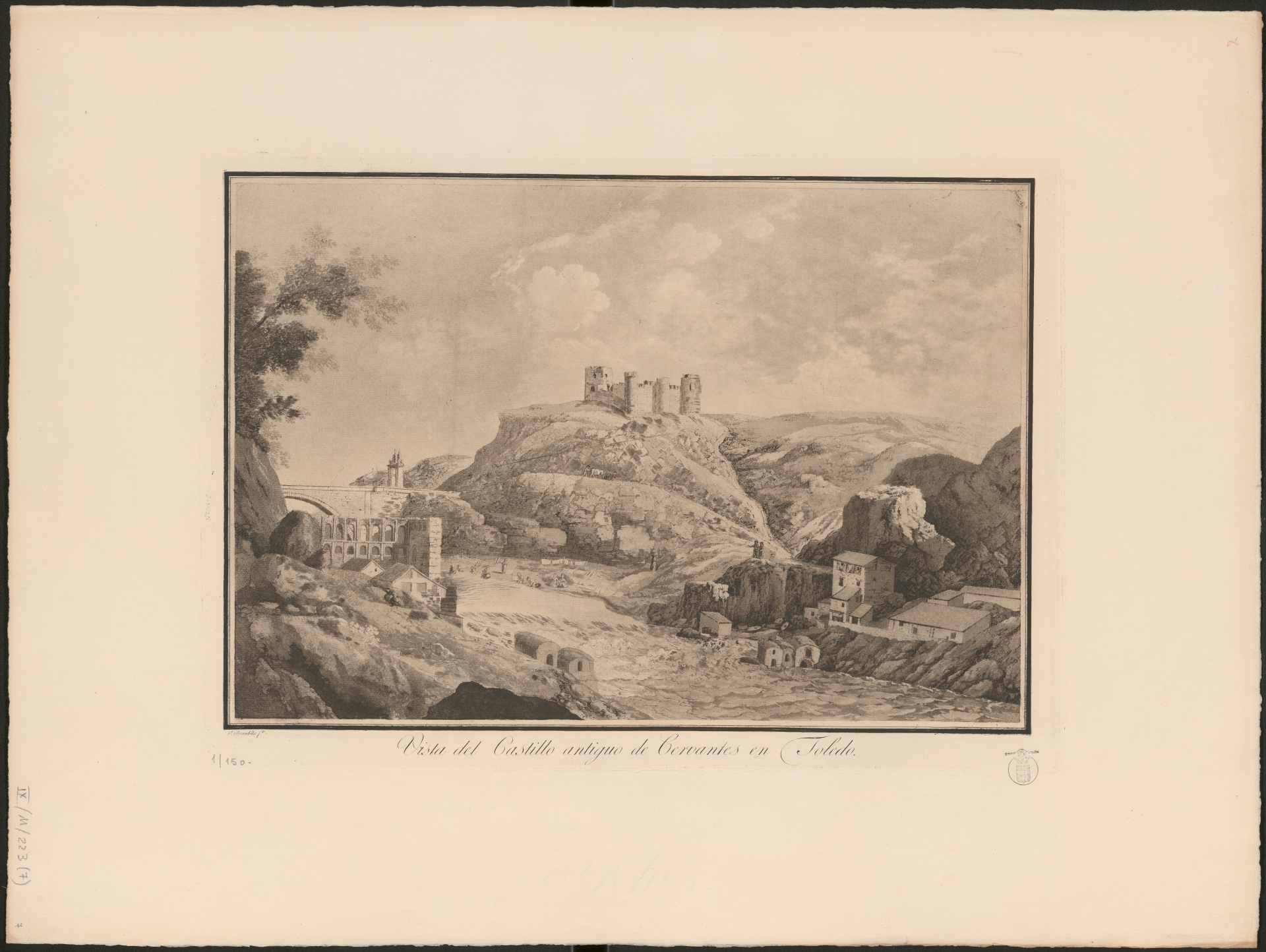
In 1801, he designed a temporary structure—a grand triumphal arch for the Puerta del Perdón of Toledo Cathedral—to mark the appointment of Cardinal Luis María de Borbón as archbishop. It was probably at this time that he drew the View of Cervantes’ Old Castle in Toledo, which was later produced as a print.  
In 1814, he was appointed director of the Perspective Department at the Royal Academy of Fine Arts of San Fernando. He also produced a number of engravings in his capacity as court painter. Furthermore, he undertook decorative work on various recreational buildings in the Buen Retiro Gardens and at the Moncloa Palace. 

Ruins of Zaragoza

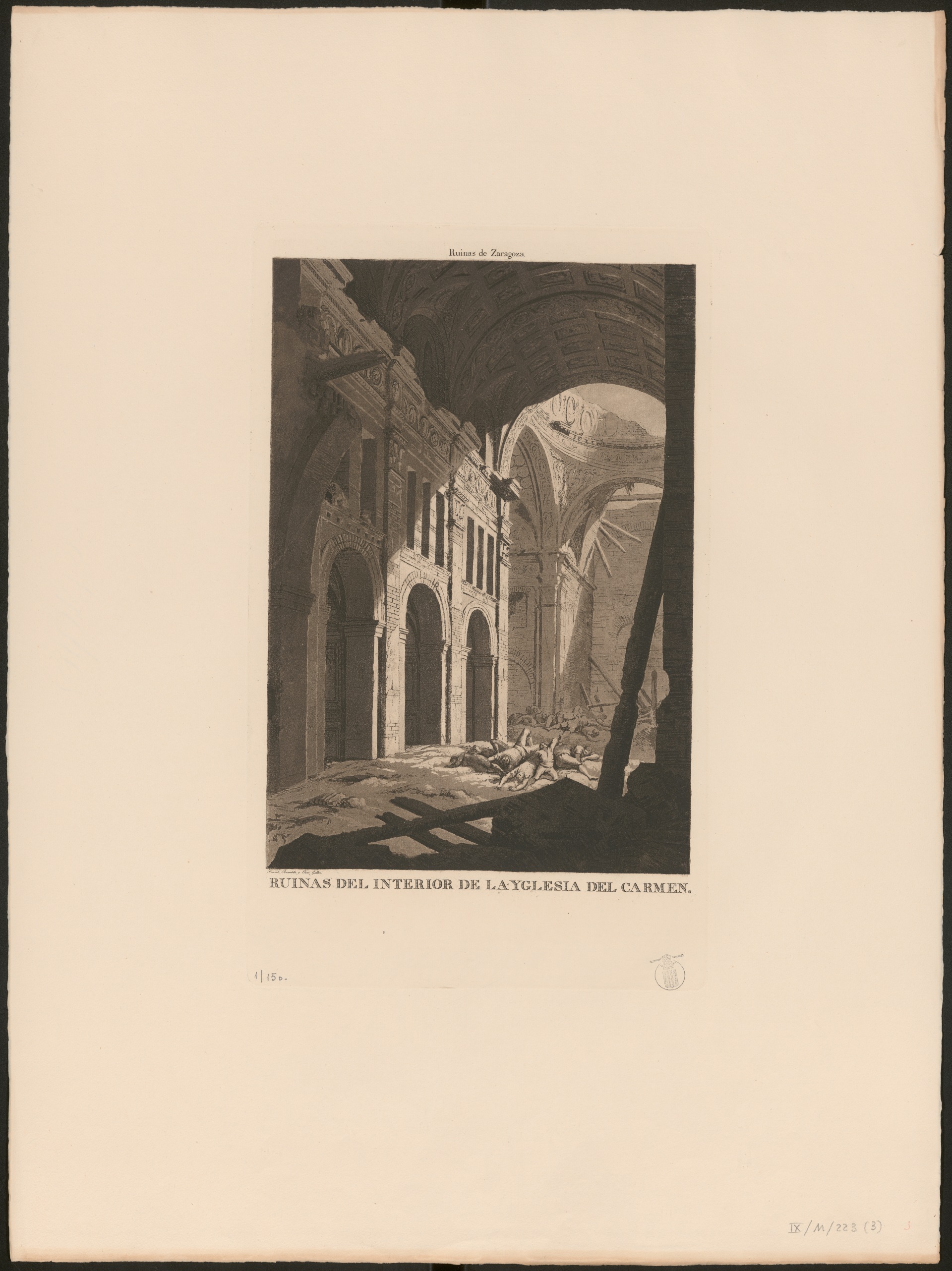
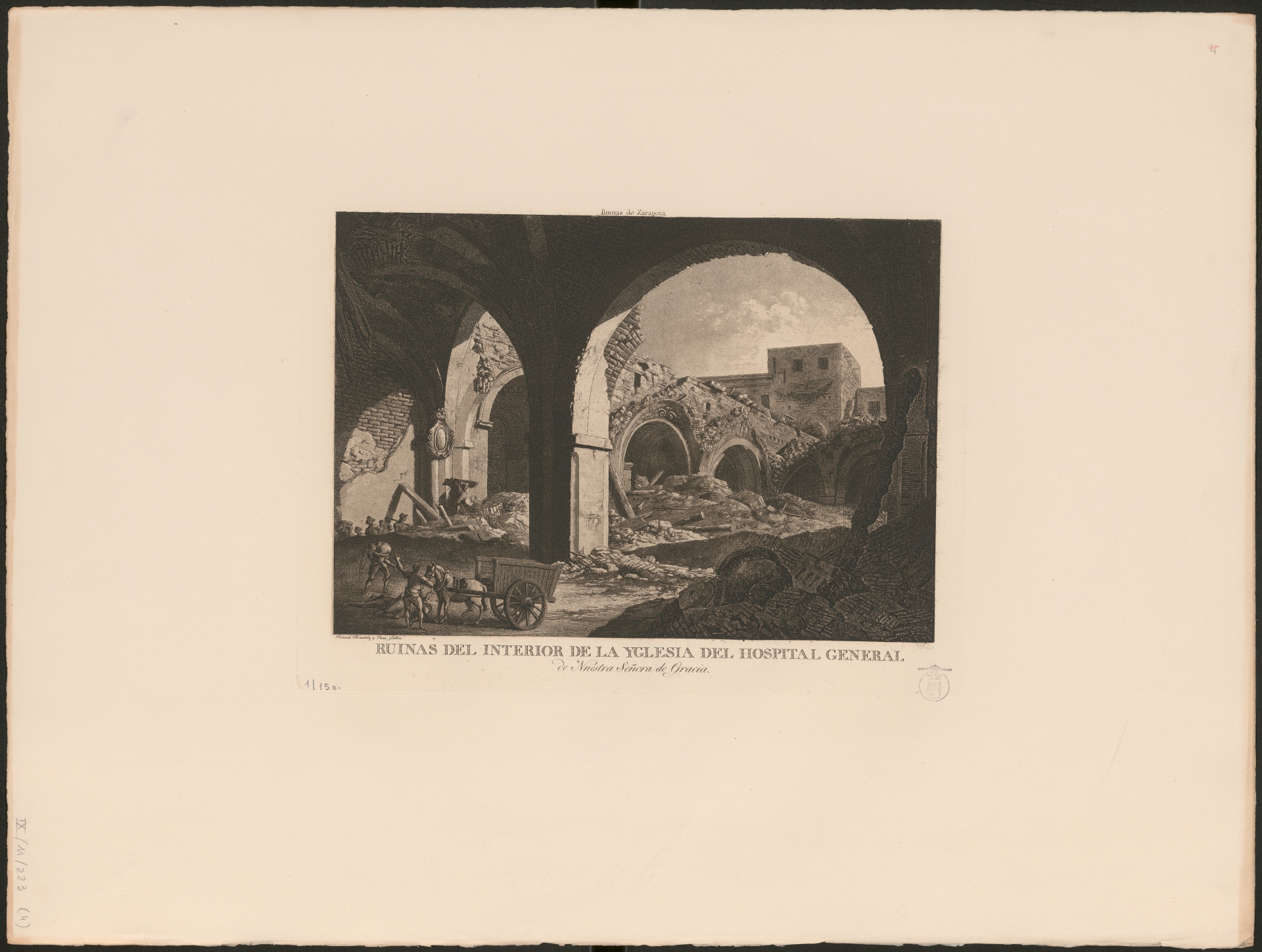
The production of the series of intaglio prints of the Ruins of Zaragoza represents a chapter of great interest in the history of printmaking in Spain. Brambila worked on this ambitious project alongside the painter Juan Gálvez (1774–1847). The two travelled to Zaragoza in 1808, shortly after the end of the first siege by French troops. They portrayed the key figures in the city’s defence—General Palafox, Agustina de Aragón, María Agustín and Mariano Cerezo, amongst others—and witnessed the devastation, which they rendered on the plates with an almost pre-Romantic sense of reflective and philosophical contemplation in the face of the ruins.
Following their stay in Zaragoza, Gálvez and Brambila were forced to flee as Napoleon’s troops advanced. In Madrid, they managed to continue engraving the plates under very precarious conditions and eventually moved to Cádiz to attempt to complete the project. Between 1811 and 1813 they resided in the city, where they were able to carry out their work thanks to the support of the School of Fine Arts.

Precedents

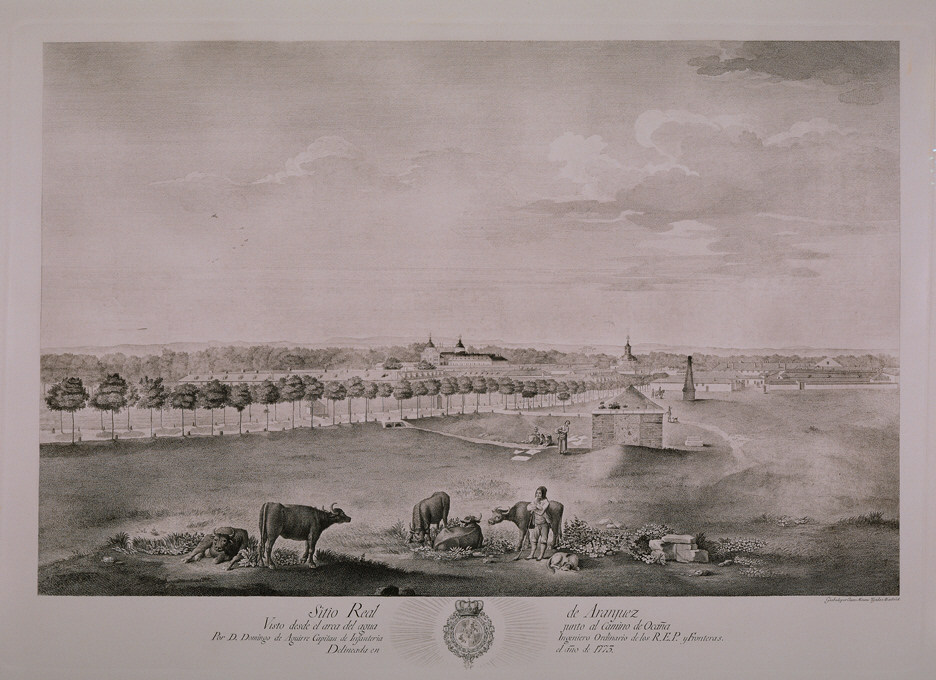
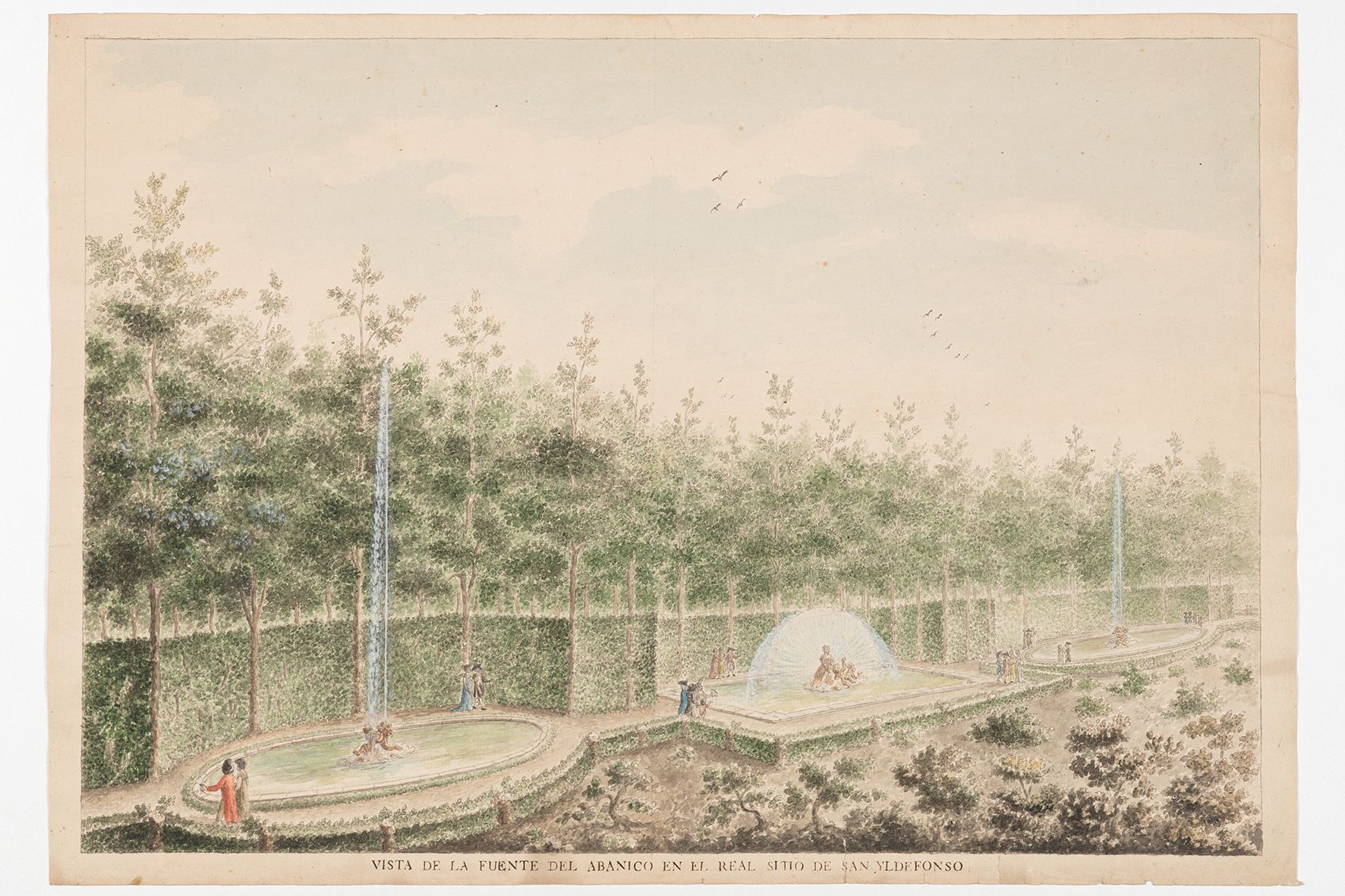
Painting of urban views and royal residences saw significant development during the eighteenth century at the courts of Europe. The Spanish Royal Sites had already been depicted in the seventeenth century by Jusepe Leonardo (Calatayud, 1601-Zaragoza, ca. 1653), Félix Castello (Madrid, 1595-1651), Pedro Núñez del Valle (Madrid, ca. 1597/1598-1649) and Juan de la Corte (Antwerp, ca. 1585-Madrid, 1662) in a series of canvases intended for the Torre de la Parada at El Pardo. Michel-Ange Houasse (Paris, ca. 1680-Arpajon, 1730) painted a series of highly accurate topographical views for the Palace of La Granja. During the reign of Charles III the image of the Royal Site of Aranjuez as a model of the Enlightenment city was disseminated through engravings based on drawings by Domingo Antonio de Aguirre (Oran, 1741-Madrid, 1805). In addition, there is a clear precedent for the work of Brambila in the drawings by José Gómez de Navia (San Ildefonso, 1758-Madrid, ca. 1815) of the Royal Sites of San Lorenzo de El Escorial and La Granja de San Ildefonso.

Series of Views of the Royal Sites

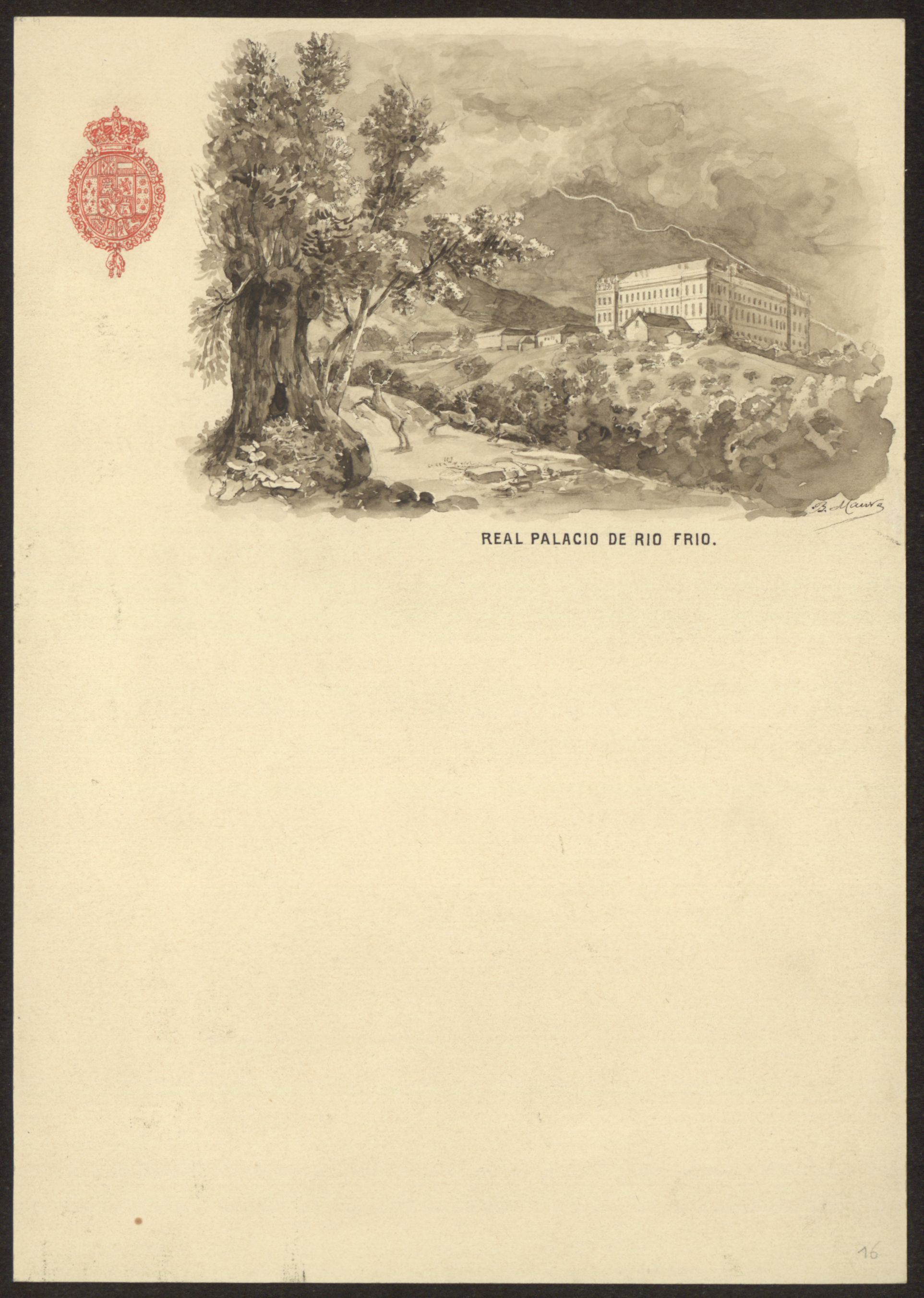
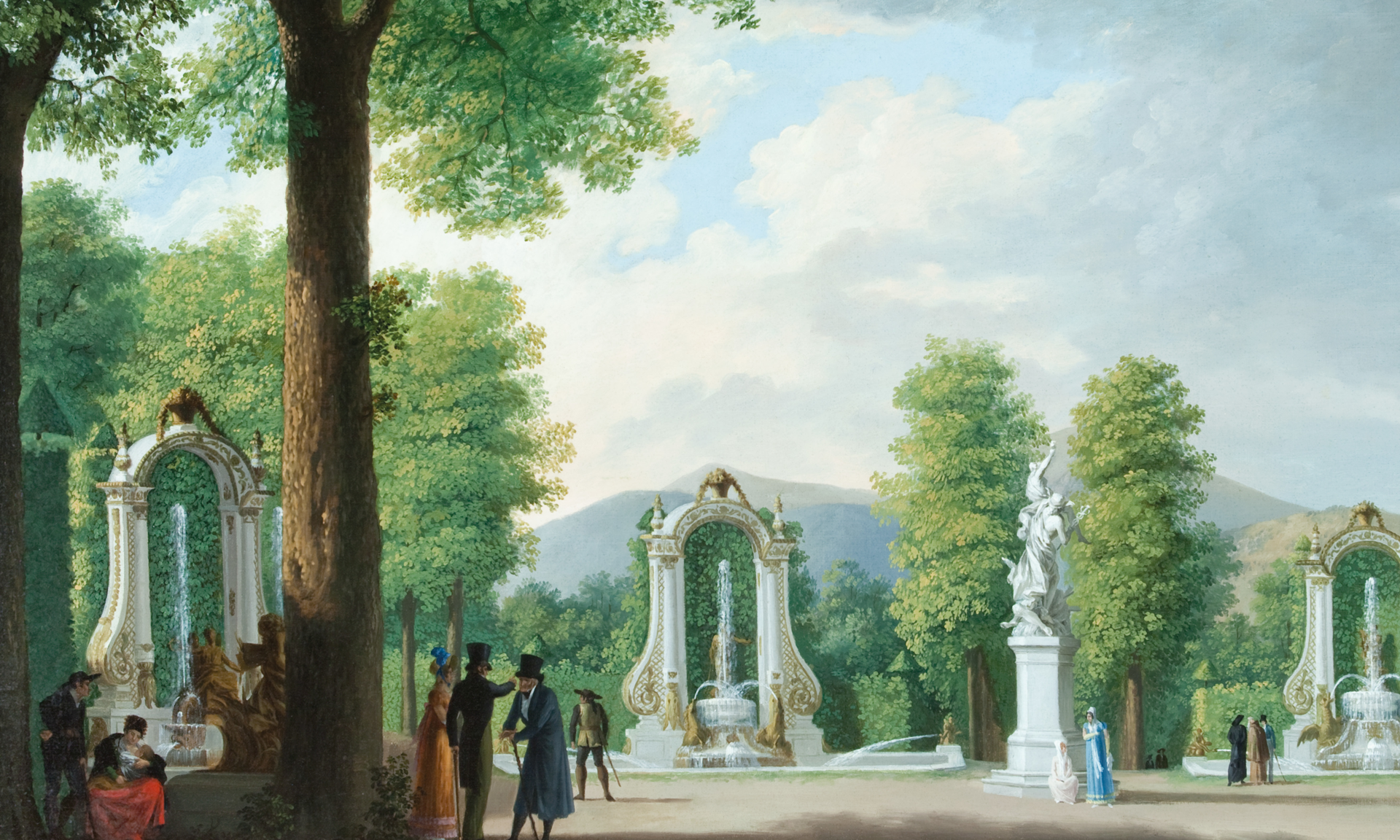
The Series of Views of the Royal Sites by Fernando Brambila was a major project comprising a total of ninety-five oil paintings. The first to be executed were the depictions of the Royal Site of San Ildefonso. They include various general views in which the landscape setting acquires particular importance. The largest group, however, focuses on the fountains in the gardens, with strolling figures that bring the scenes to life. Brambila probably counted on the assistance of Rafael Tegeo (Caravaca de la Cruz, 1798-Madrid, 1856), who probably also established himself at La Granja in order to undertake the project.
The paintings of El Escorial adhere to the model of panoramic general views but now combined with depictions of the interior of the monastery, showing ceremonies and public acts attended by the monarch.
The paintings of Aranjuez emphasise the presence of visitors enjoying leisure activities in the gardens. For these works Brambila collaborated with other artists, principally Manuel Miranda y Rendón (Grazalema, 1800-San Lorenzo de El Escorial (?), 1857).
The views of Madrid primarily depict the Royal Palace, the Buen Retiro and other iconic landmarks, such as the Paseo del Prado. 

Promoting the image of the Royal Sites

From 1832 to 1835, the Royal Lithographic Establishment published "The Collection of Views of the Royal Sites", lithographed by order of the King of Spain. The prints were advertised by highlighting the diversity of the Royal Sites: Aranjuez was associated with lush vegetation; La Granja de San Ildefonso stood out for the uniqueness of its numerous fountains; and the Royal Monastery of San Lorenzo de El Escorial conveyed the austerity of its stone architecture. The publication of this collection of prints led to the inclusion of views of Madrid in the pictorial series. 
Later artists followed in the footsteps of Fernando Brambila, such as Pedro Kuntz and Valentini (1795–1863) and the aforementioned José María Avrial. Over time, Brambila’s works became the most memorable image of the Royal Sites, constituting his principal contribution to the visual history of nineteenth-century Spain.

Authors and Collectors

Brambila, Fernando
The Author

Brambila, Fernando

(Fara Gera d'Adda, 1763 - Madrid, 1834)

Brambila y Ferrari, Fernando. Fara di Gedda d’Adda (Italia), 1763 – Madrid, 23.I.1834. Pintor.Hijo de Francisco Brambila y de Antonia Ferrari, desde muy joven se dedicó a la pintura, oficio que desempeñaba en Milán cuando lo propusieron para su incorporación a la expedición de Alejandro Malaspina a fines de marzo de 1791. Su contratación fue un tanto fortuita, ya que la petición se hizo a Juan Ravenet, pintor parmesano que se apresuró a aceptar, y a Blas Martini, que, al rechazarla, permitió la inclusión del joven que ya era profesor de la Academia de Bellas Artes de Brera.Tras un accidentado viaje en calesa desde Barcelona a la capital del reino, se traslada a Galicia. Después de algunas...
Read more
Charles IV
Monarch

Charles IV

(Nápoles (Italia), 1748 - Nápoles (Italia), 1819)

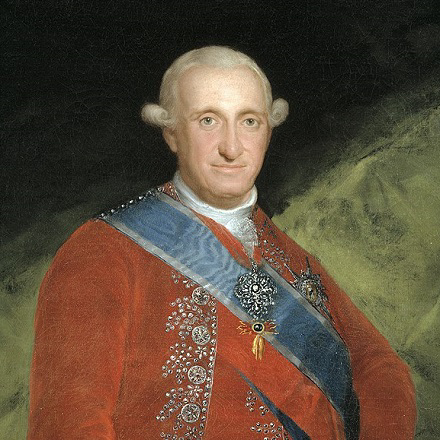
The seventh of thirteen children born to Charles III (1716-1819) and Maria Amalia of Saxony (1724-1819), the future Charles IV was sworn in as Prince of Asturias before the Cortes on 9th June 1760, after his older brother Philip was excluded from the line of succession due to his poor health. On 14th September 1765, he married his cousin, Princess Maria Luisa of Parma (1751-1819), at the Palace of La Granja de San Ildefonso (Segovia). The royal couple had fourteen children: the Infante Carlos Clemente (1771-1774); the Infanta Carlota Joaquina (1775-1830), Queen of Portugal by marriage to John VI (1767-1826); the Infanta Maria Luisa (1777-1782); the Infanta Maria Amalia (1779-1798), married to her uncle, the Infante Antonio Pascual; the Infante Carlos...

Read more
Ferdinand VII
Monarch

Ferdinand VII

(El Escorial (Madrid), 1784 - La Granja (Segovia), 1833)

The ninth of fourteen children born to Charles IV (1748-1819) and Maria Luisa of Parma (1751-1819), the future Ferdinand VII was sworn in as Prince of Asturias before the Cortes on 23rd September 1789, following the successive deaths of his older brothers. The Prince’s early years were spent under the tutelage of his caretaker, the Marquess of Santa Cruz, and his successive tutors, of whom the best known were Canon Escóiquiz and his teacher, Father Cristóbal Bencomo. As part of his education, Prince Ferdinand studied philosophy, grammar and Latin, as well as being introduced to music and drawing, the latter being taught by the painter Antonio Carnicero. Married four times, Ferdinand VII's wives were Princess María Antonia of Naples and...

Read more

Organised by: Patrimonio Nacional

With the collaboration of: Comunidad de Madrid

Curator: Isabel María Rodríguez Marco

Coordinator: Melania Mora Luna

Lenders: Museo de América

Museographic Design: Vélera

Graphic Design: Vélera

Production and graphic installation: Boomerang

Production and installation: SIT, Proyectos, diseño y conservación S.L

Transport: Unidad de traslados de obras de arte de la Dirección de las Colecciones Reales, Patrimonio Nacional; TTI

Insurance: AON. One Underwriting

Logo-Comunidad-de-Madrid

Related resources

Guía educativa - Fernando Brambila

Guía educativa - Fernando Brambila