Use of Cookies

The Royal Collections Gallery uses its own and third-party cookies, mainly for technical purposes, which are necessary to provide our services and provide you with relevant content. More information in our cookies policy. Cookies Policy.

ACCEPT to confirm that you have read the information and accepted their installation. You can change your browser settings.

The extensive holdings that make up the Royal Collections include some very rare pieces, some of which are very little known. A good example is the collection of photosculptures, currently the largest in the world and probably the most important.

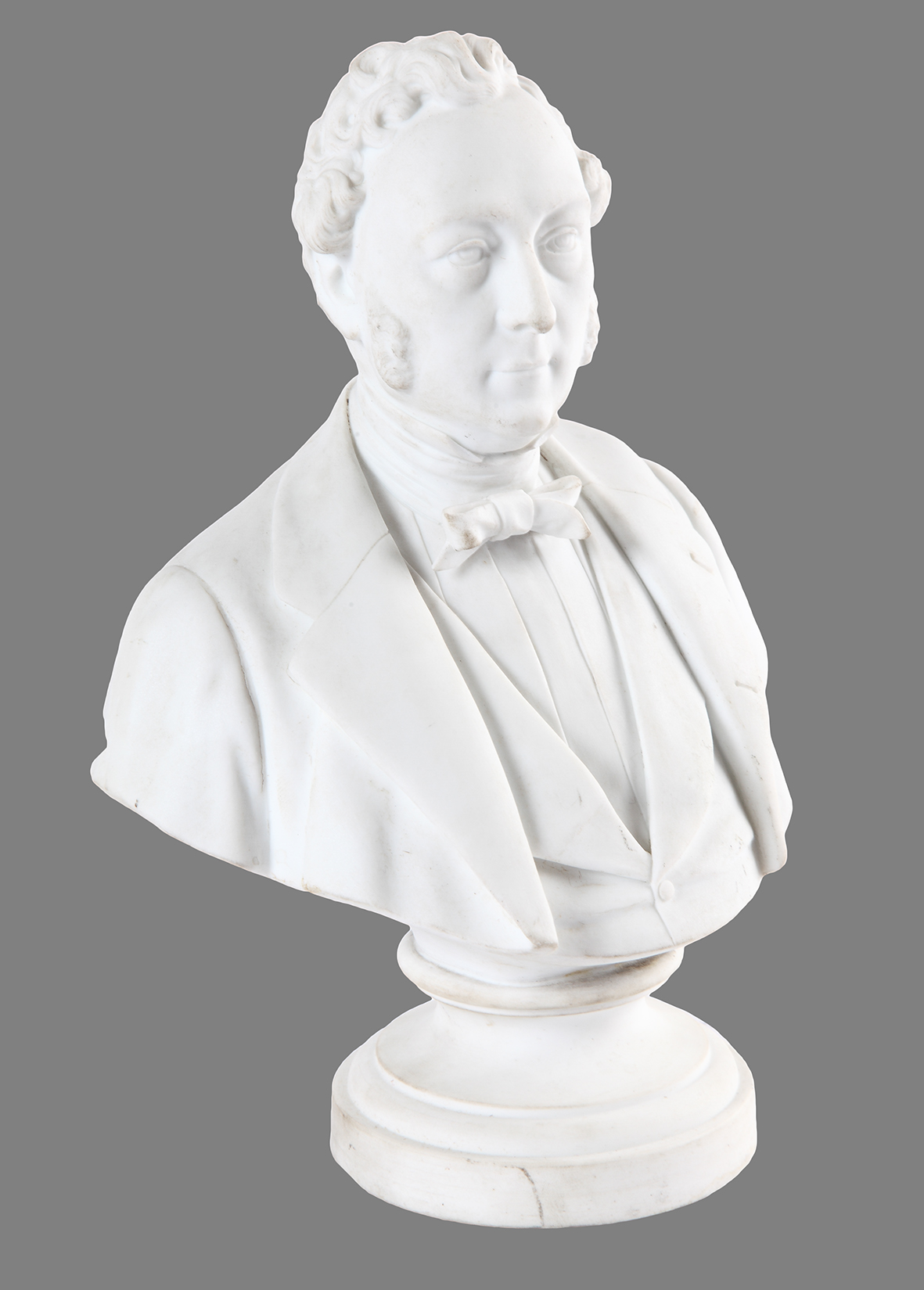
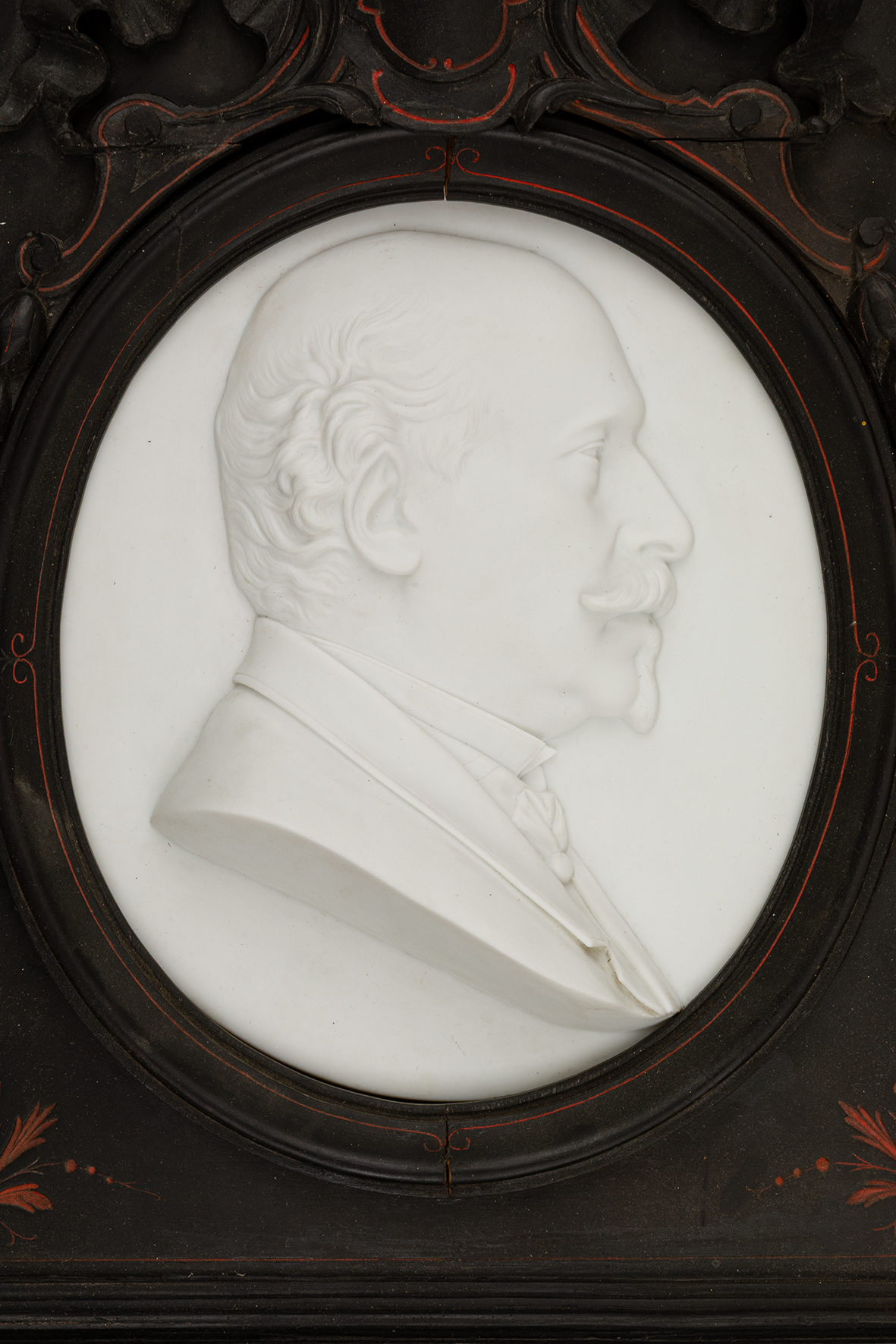
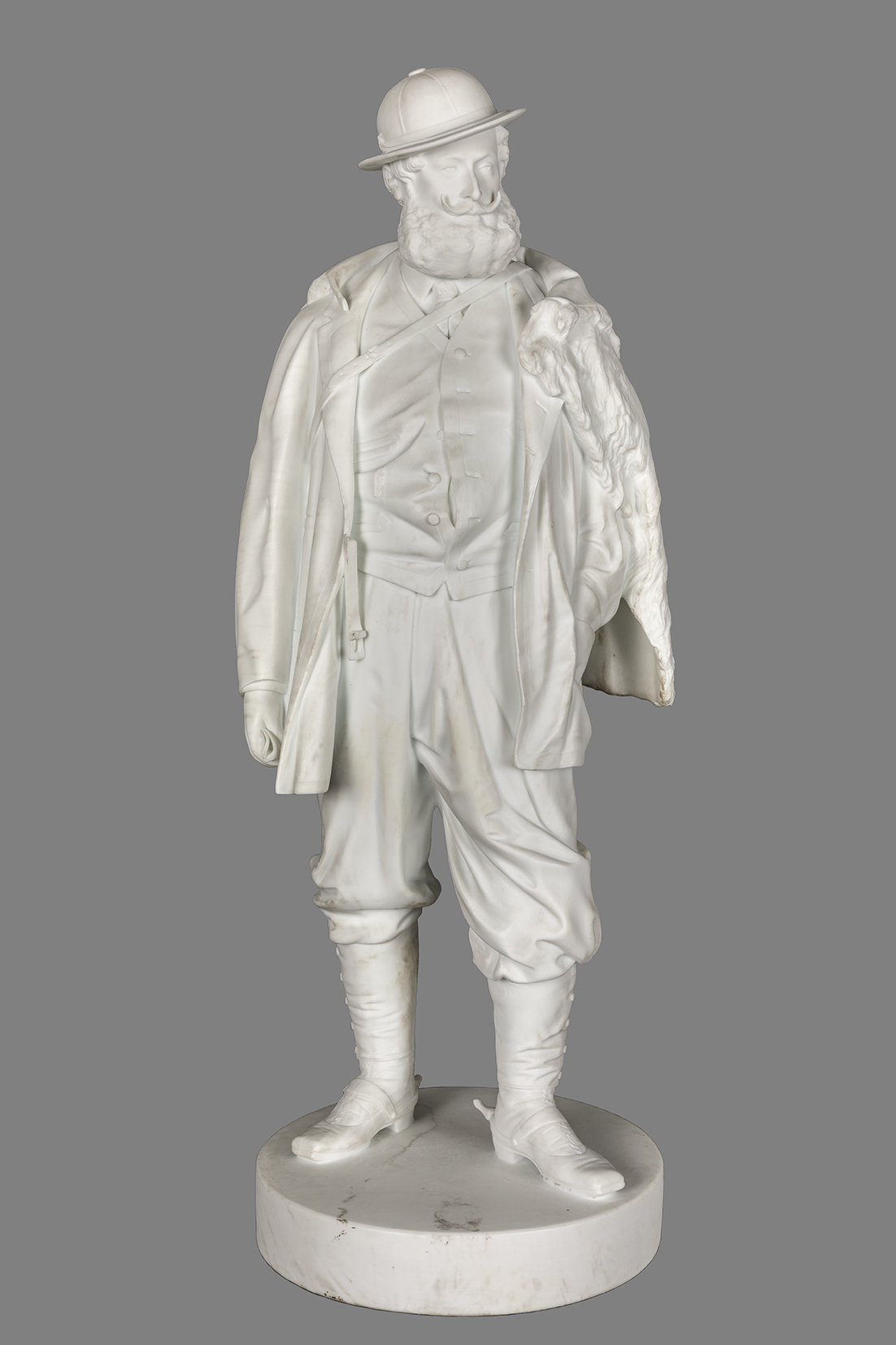
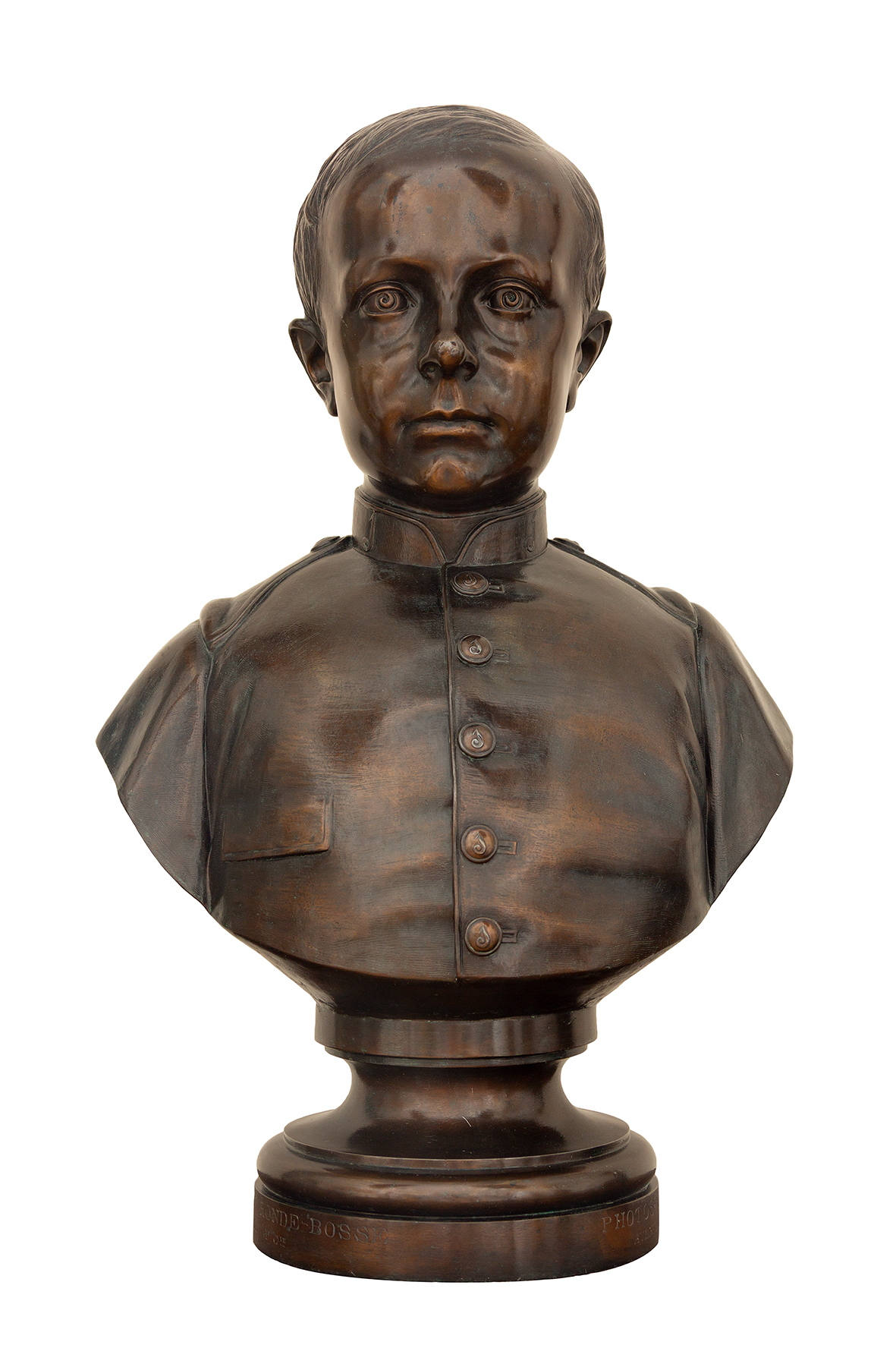
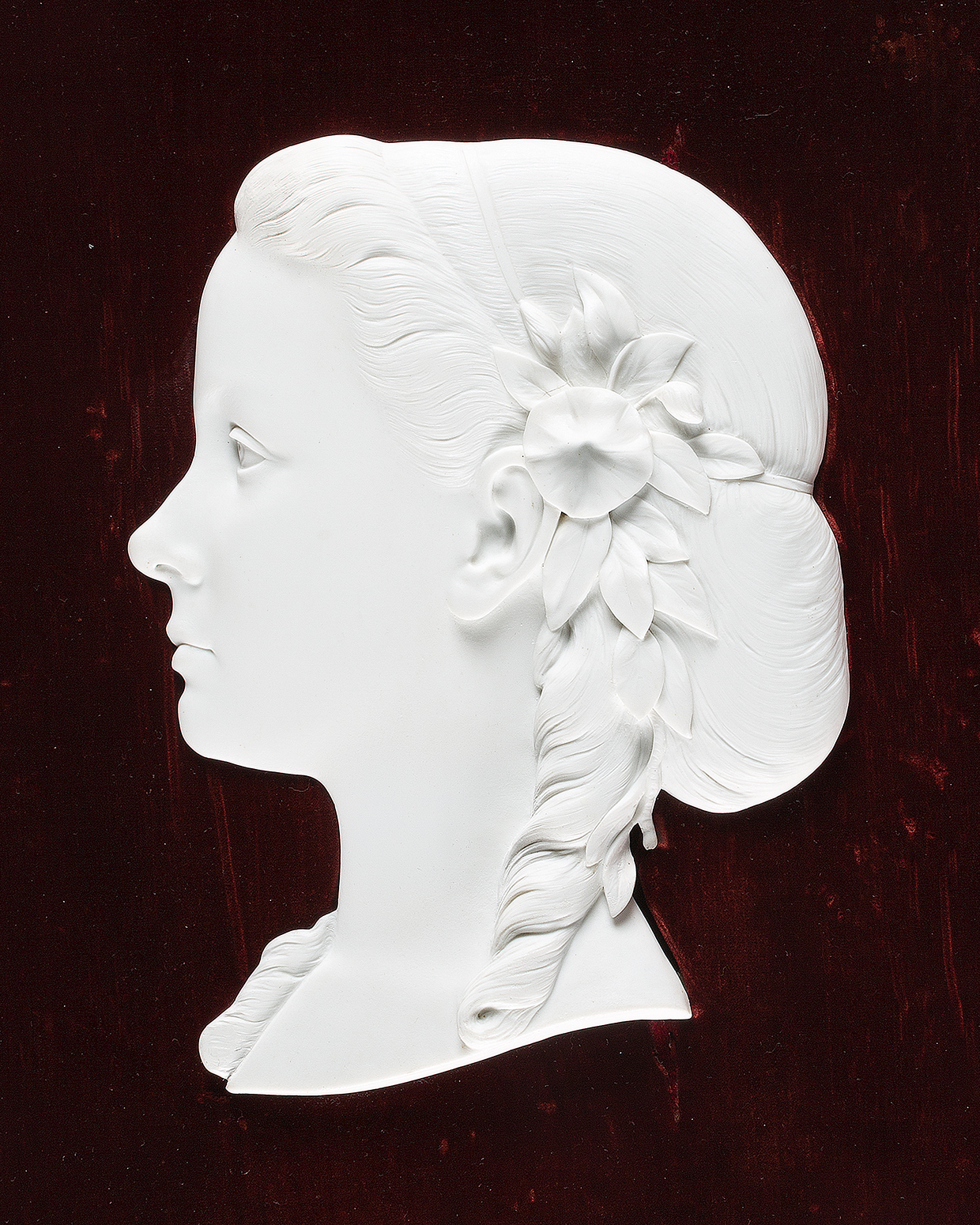
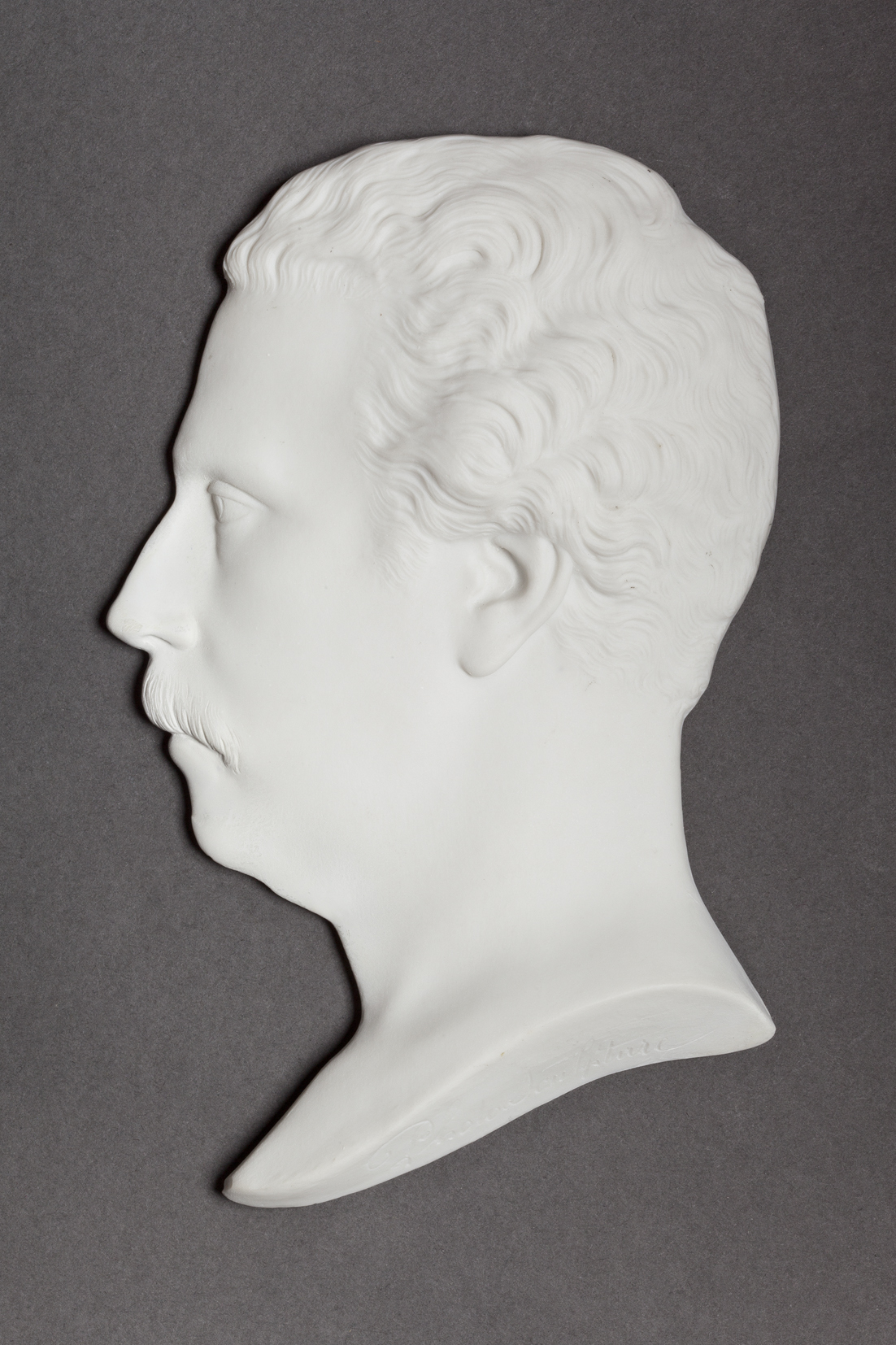
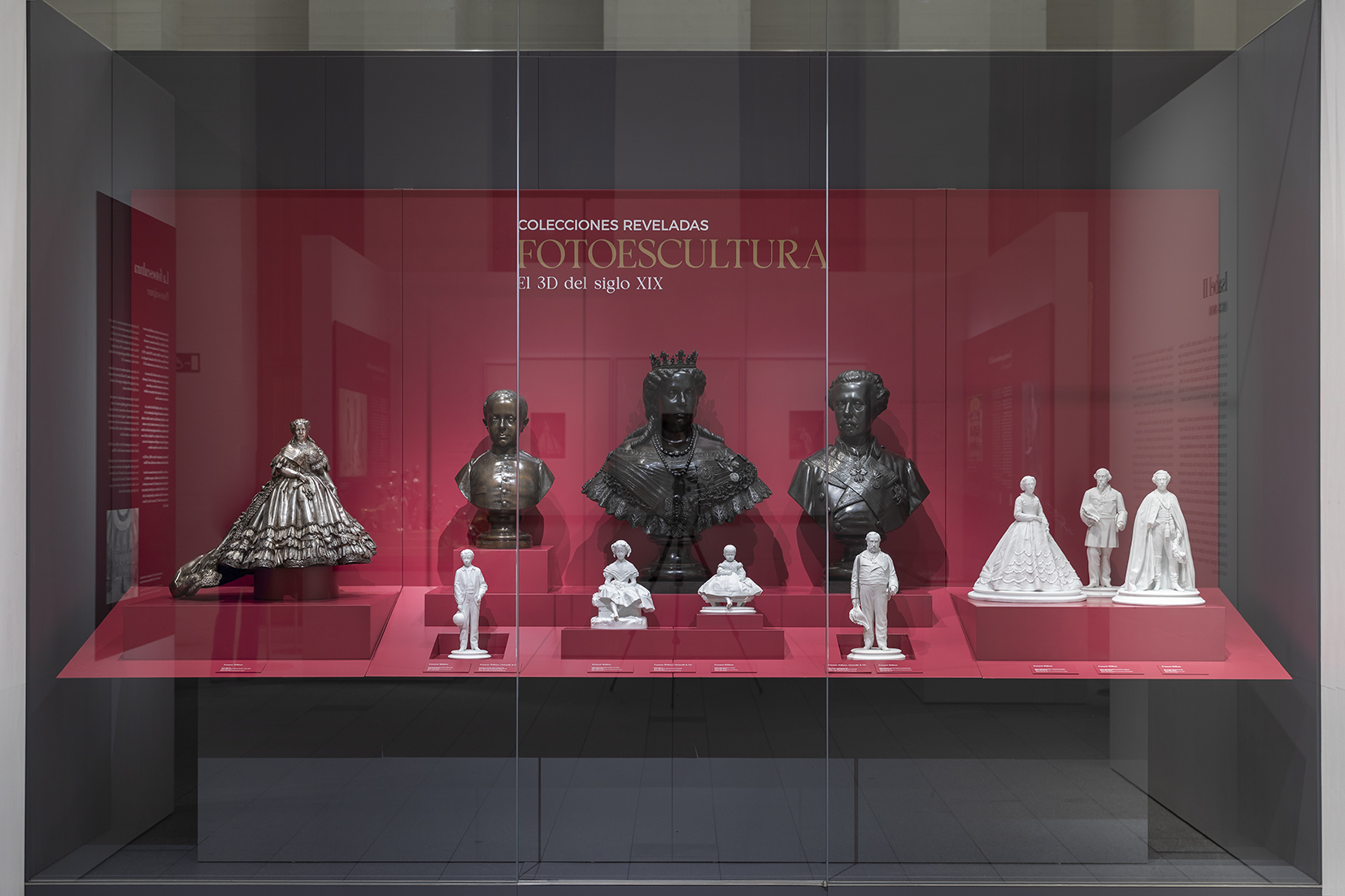
The exhibition Photosculpture: 19th-century 3D brings together for the first time nineteen of the thirty-nine pieces in this collection (including the five individual figures from the royal family group) attributed to the Frenchman François Willème, who invented this complex and innovative technique. The selected works, executed in various materials, formats, and sizes, represent members of Isabella II’s family and some of her closest relatives.

  • Opening Hours

    Monday to Saturday from 10 am to 8 pm. Sundays and Bank Holidays from 10 am to 7 pm.

  • Admission

    Plaza de la Armería: visits the Royal Collection Gallery and temporary exhibitions. 

  • Organised by

    Patrimonio Nacional

Photosculpture

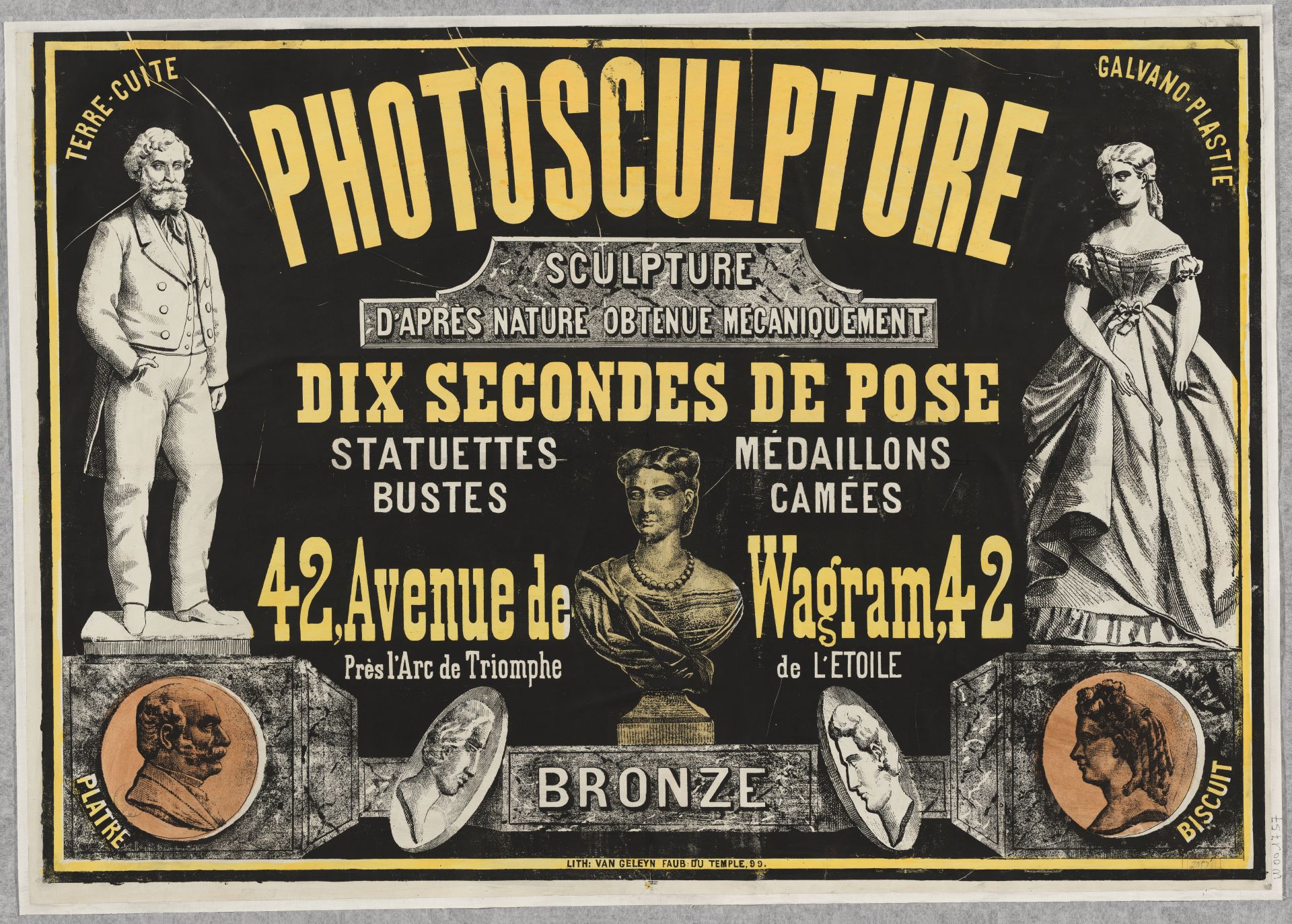
Photosculpture was a technique designed to create a three-dimensional, fully accurate representation of a person in different formats and materials, and very quickly. It was invented by the sculptor and photographer François Willème (Sedan, 1830–Roubaix, 1905) and developed between 1860 and 1868 using photography and sculpture, which makes it a forerunner of 3D.

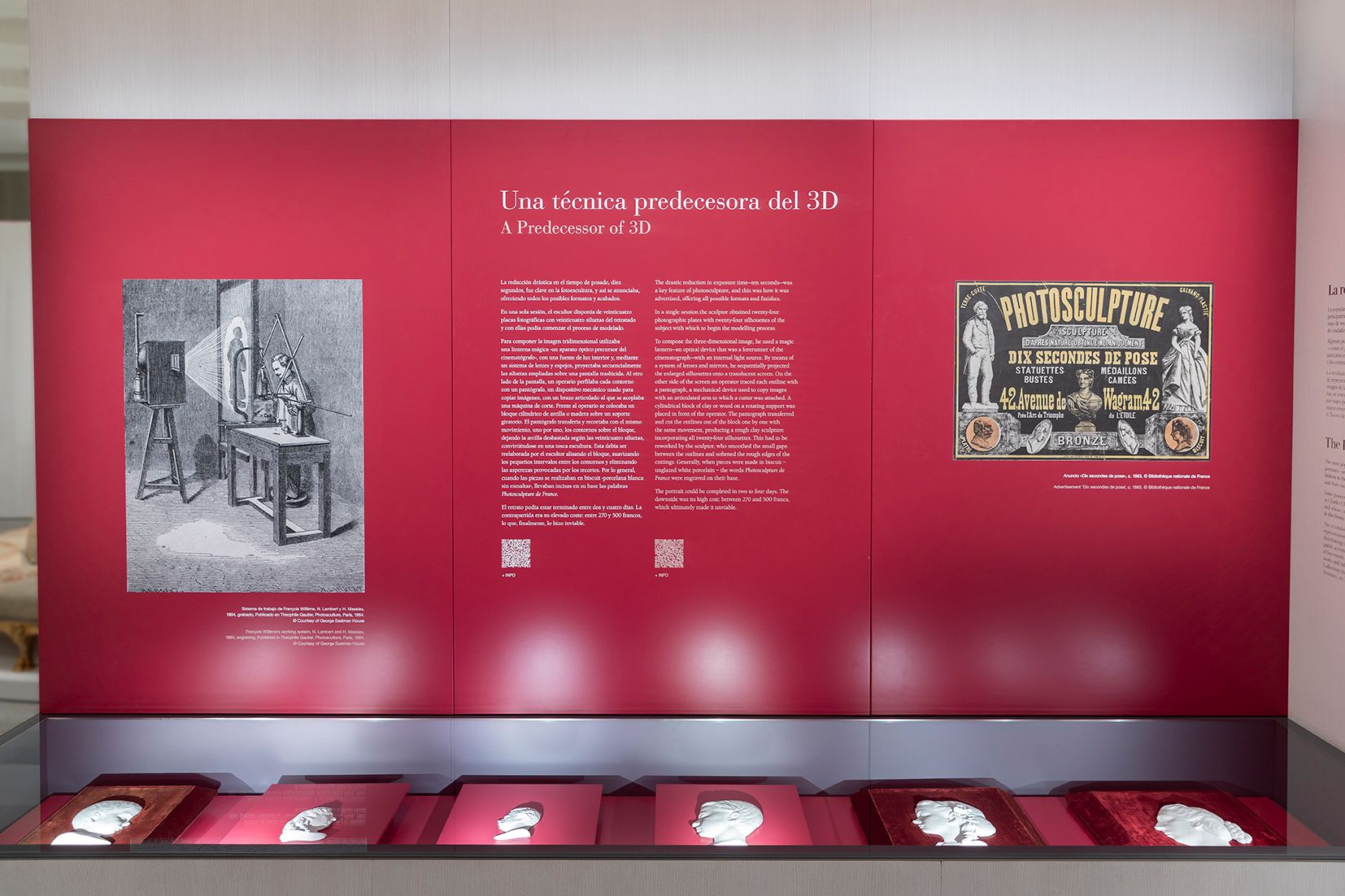
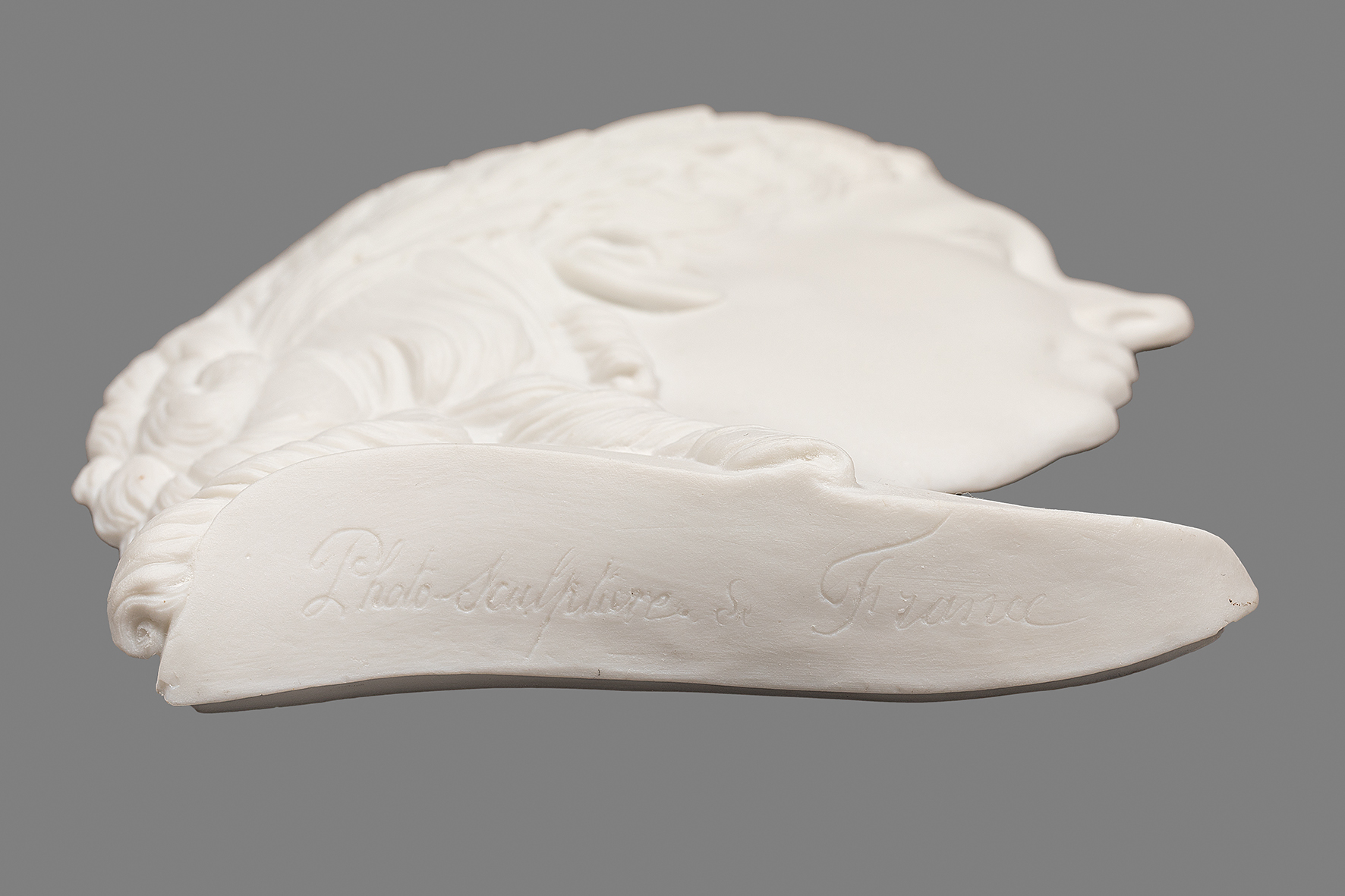
The drastic reduction in posing time –—ten seconds— was key. In a single session the sculptor obtained twenty-four photographic plates with twenty-four silhouettes of the subject with which to begin the modelling process. The final versions were mostly made in biscuit– unglazed white porcelain– and the words Photosculpture de France were usually incised on the base. They could also be crafted from other materials such as terracotta, plaster and bronze.

The process of creating a photosculpture

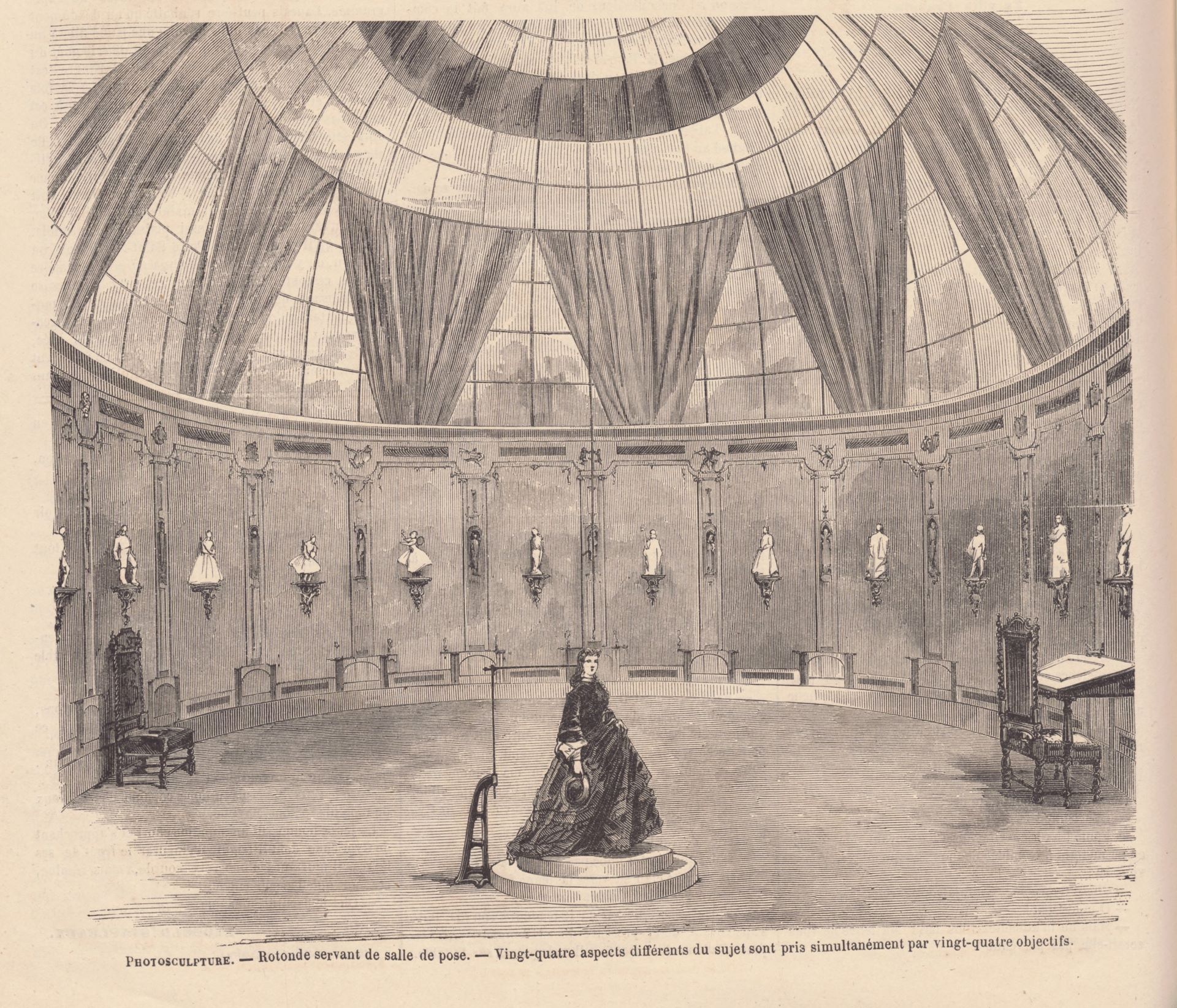
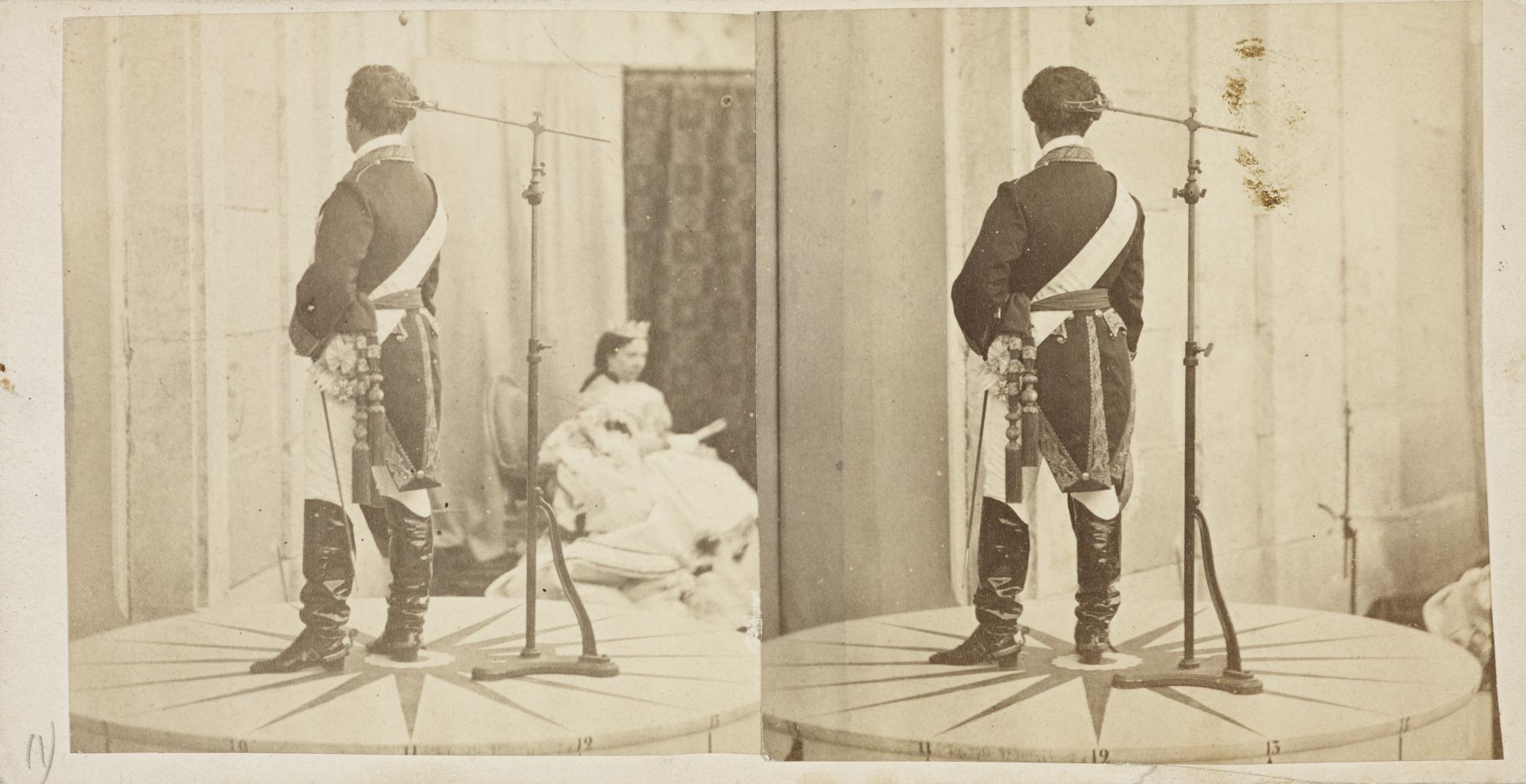
The studio Willème built in 1863 was a large circular enclosure with a huge glass dome. The walls had twenty-four equally spaced openings with sculptures supported by consoles concealing twenty-four cameras. When the consoles were moved aside, the cameras in the outer ring, pointing towards the centre where the subject stood or sat beneath a plumb line, took pictures simultaneously.  

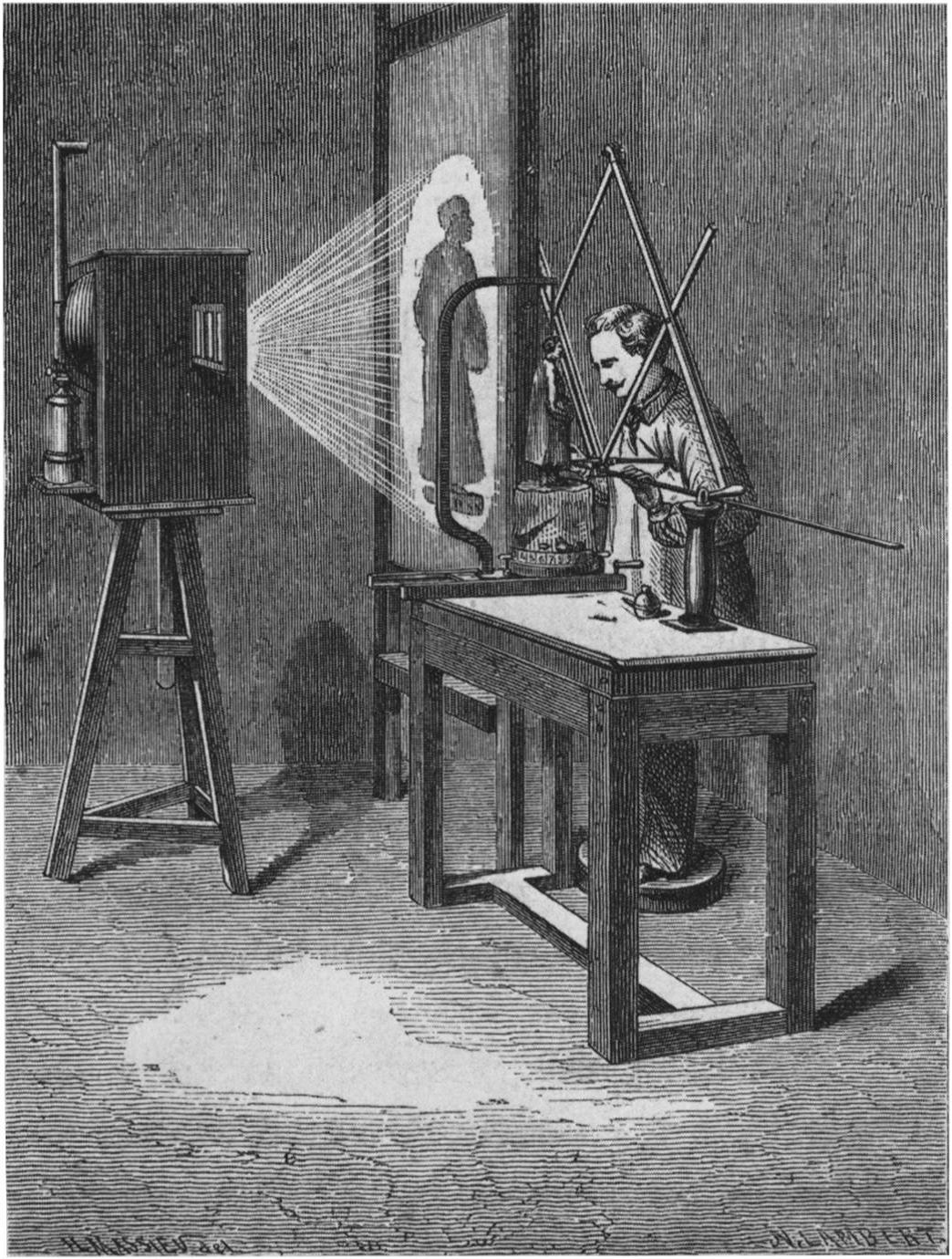
To compose the three-dimensional image he used a magic lantern – an optical device that was a forerunner of the cinematograph – with an internal light source. By means of a system of lenses and mirrors, he sequentially projected the enlarged silhouettes onto a translucent screen. On the other side of the screen an operator traced each profile with a pantograph, a mechanical device used to copy images with an articulated arm to which a cutter was attached. A cylindrical block of clay or wood on a rotating support was placed in front of the operator. The pantograph transferred and cut the profiles out of the block one by one with the same movement, producing a rough clay sculpture incorporating all twenty-four silhouettes. This had to be reworked by the sculptor, who smoothed the small gaps between the profiles and softened the rough edges of the cuttings. 
The portrait could be completed in two to four days. The downside was its high cost: between 270 and 500 francs, which ultimately made it unviable.
Willème presented his invention to the Société Française de Photographie, where it was nonetheless greeted with scepticism. However, the specialised press reported on it positively.

In 1863 he founded the limited company Société Générale de Photosculpture de France – Willème, de Marnyhac et Cie together with the dealer and artist Charles de Marnyhac (1838–1897), who supported him and managed the company.

The 1867 Universal Exposition brought worldwide fame to this process, which was presented in a specially designed pavilion. Despite the recognition it gained, the following year, in 1868, Willème stopped making photosculptures and the Societé Génerale de Photosculpture was dissolved.

Photosculpture comes to Spain

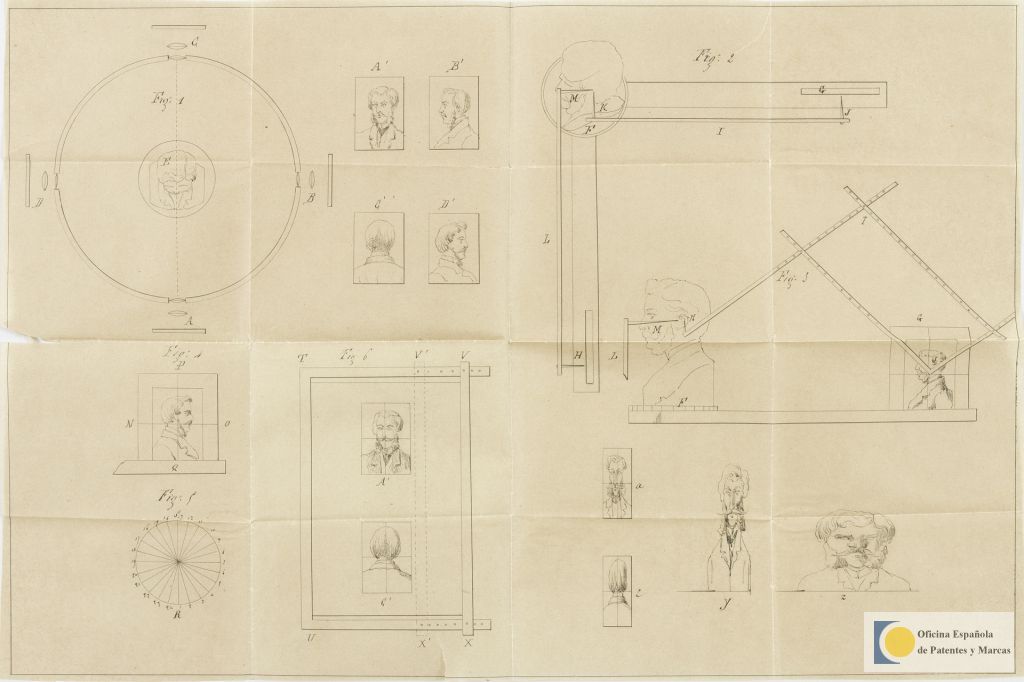
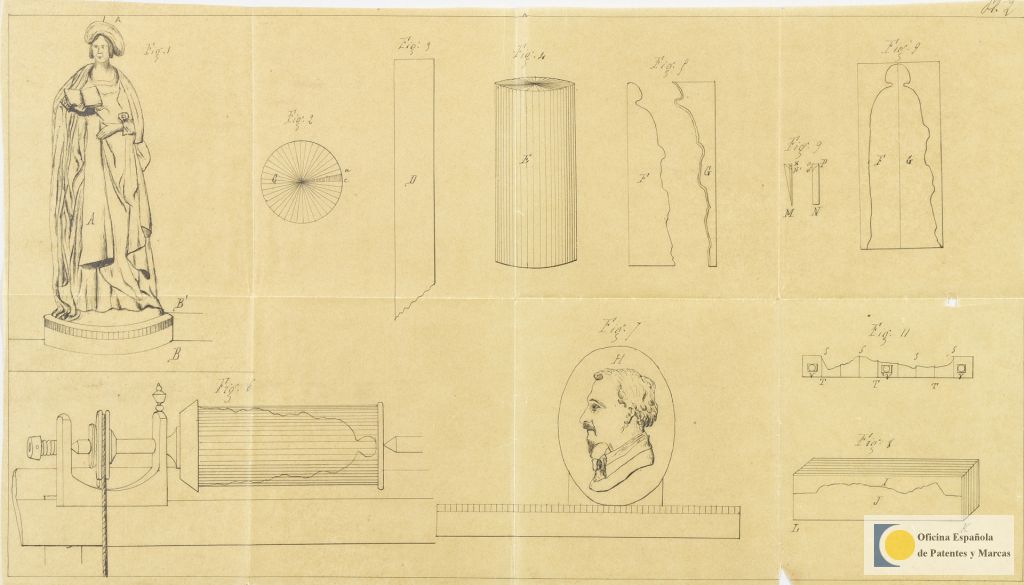
On 9 April 1863 this technique was patented in Madrid, where its name was transcribed as ‘Willeine’. 
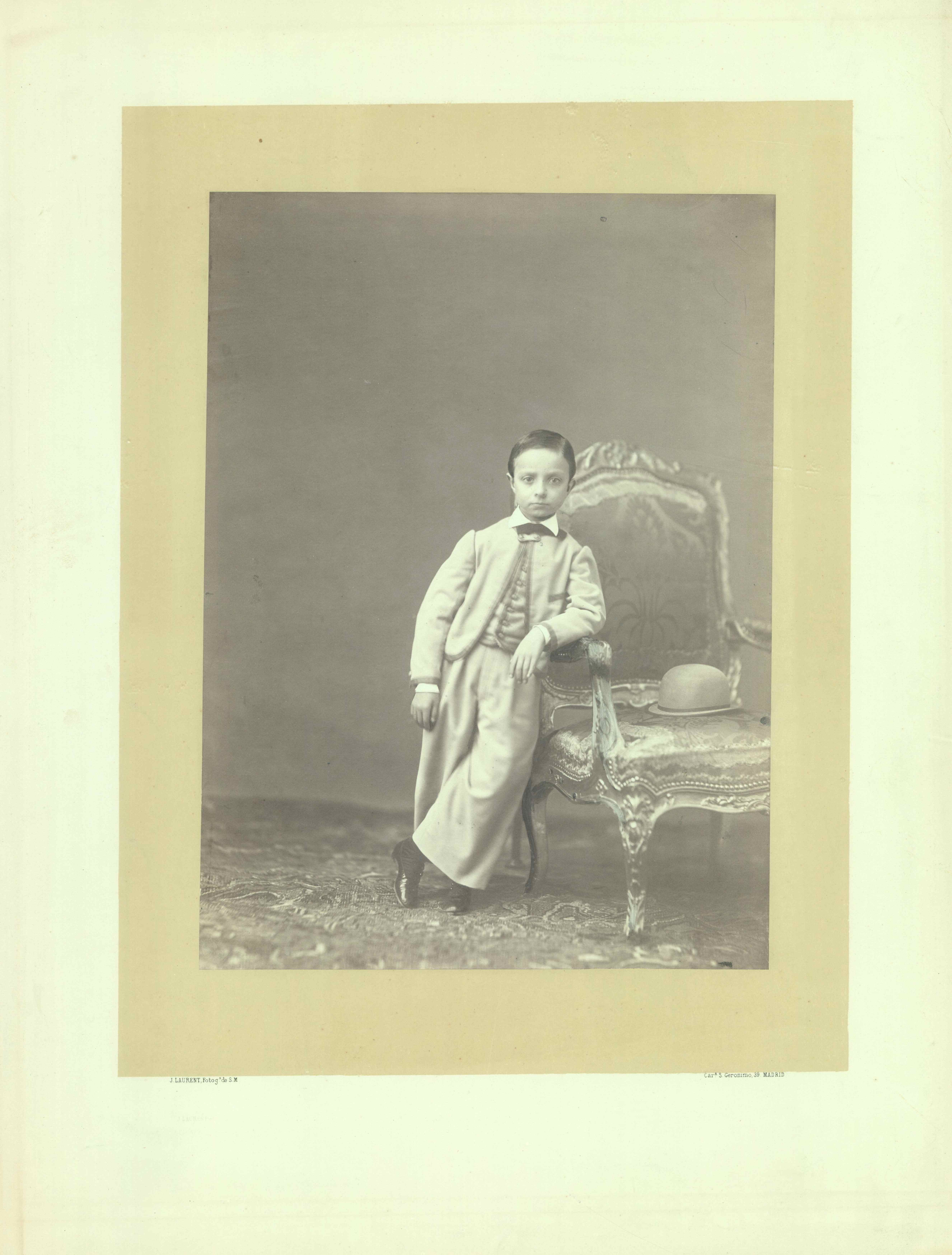
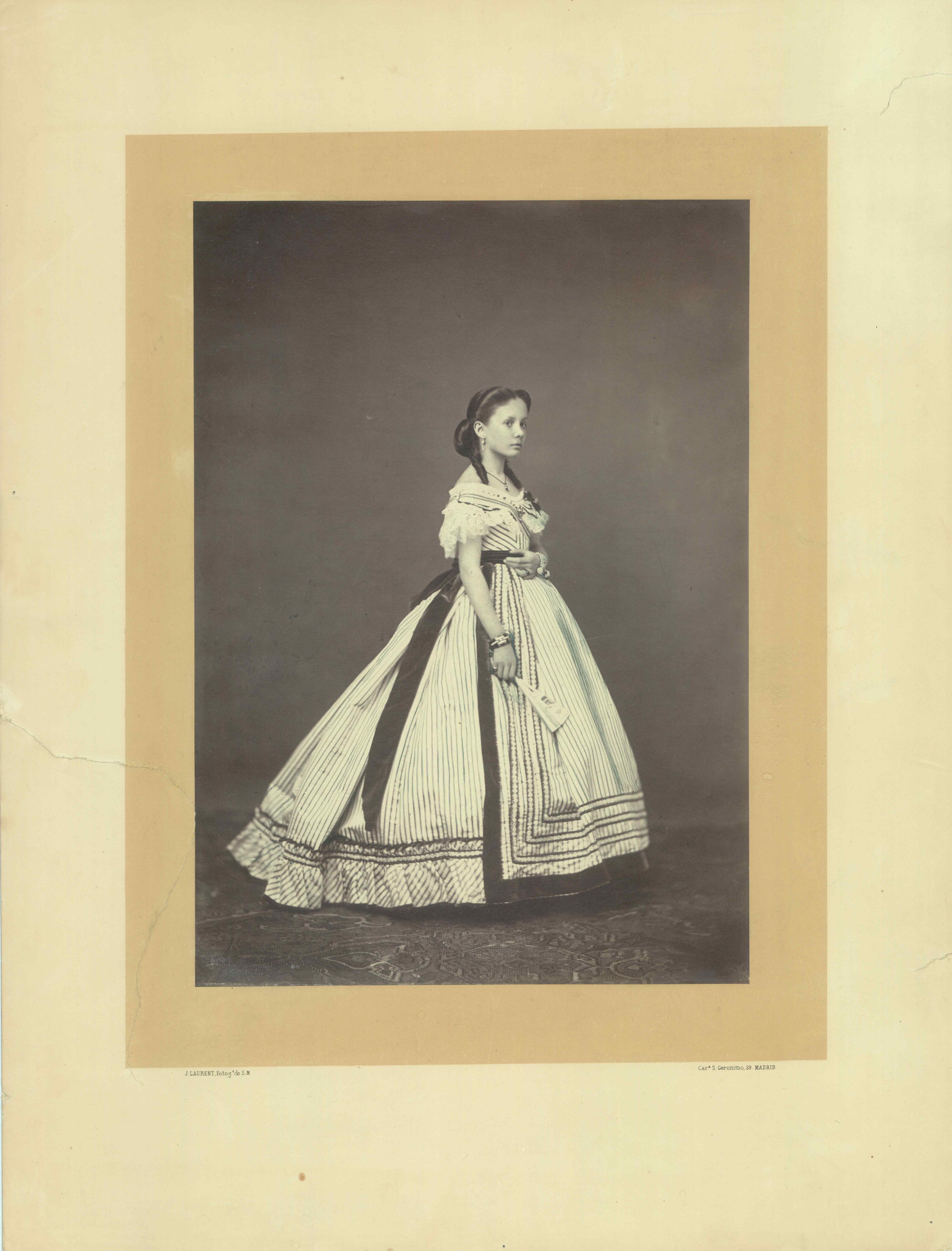
Juan Laurent, photographer to Queen Isabella II, brought Willème, the inventor of photosculpture, to Madrid to produce a series of different-sized profiles, busts and full-length figures of many members of the Spanish royal family. 
A photographic studio was built for this purpose in the Royal Palace of Madrid based on the one designed by Willème in Paris but on a smaller scale.  The negatives obtained from the photographs taken were sent to Marnyhac in Paris, where the sculptures were made.
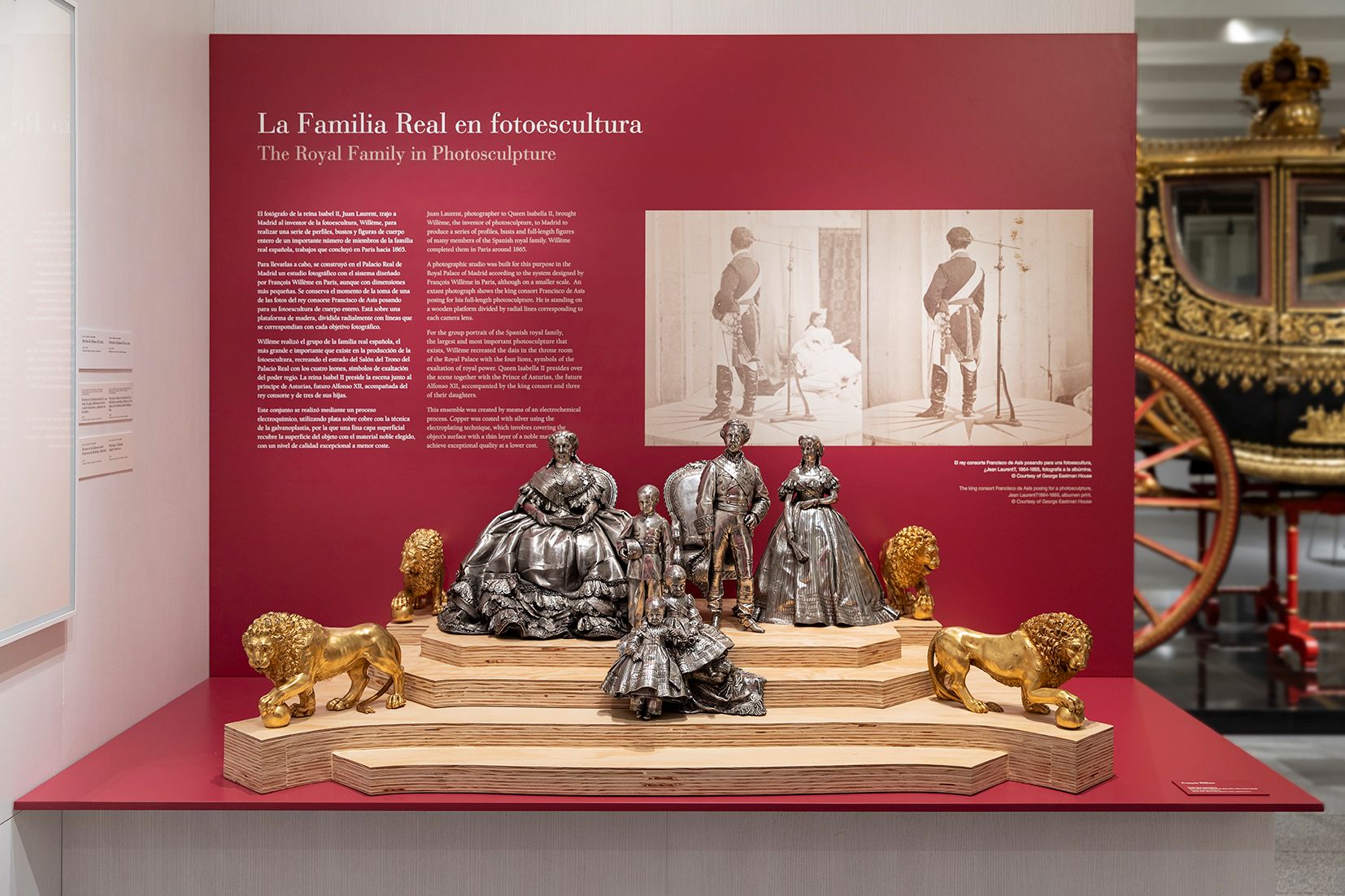
An extant photograph shows the king consort Francisco de Asís posing for his full-length photosculpture. He is standing on a wooden platform divided by radial lines corresponding to each camera lens.
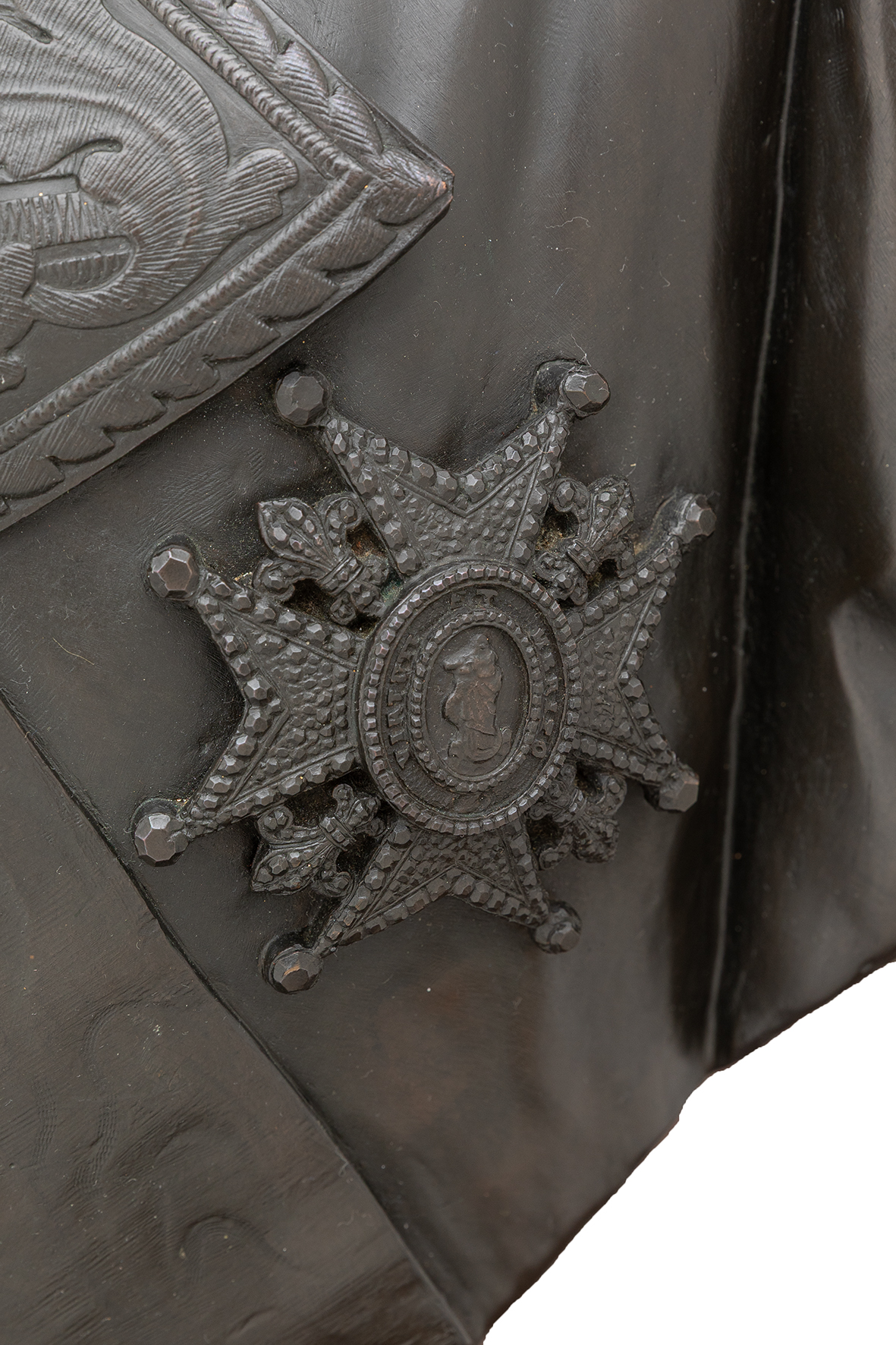
Willème was awarded the Order of Charles III for this work.

Patrimonio Nacional's photosculpture collection

Patrimonio Nacional owns the world’s largest and most important collection of photosculptures consisting of thirty-four pieces (thirty-nine if the figures in the royal family group are counted individually). Most of them represent members of Queen Isabella II’s family. They are joined by other figures from the period, such as the Duke of Morny, the Marquis of Osmond and a bust of an unknown person. The palace archives hold several documents dated between 1866 and 1867 relating to payments for these photosculptures.
Willème’s arrival in Madrid naturally attracted the attention of the Spanish aristocracy, who also wished to acquire pieces of this kind. Several examples can currently be found in other private Spanish collections and in public institutions such as the Museo Cerralbo.

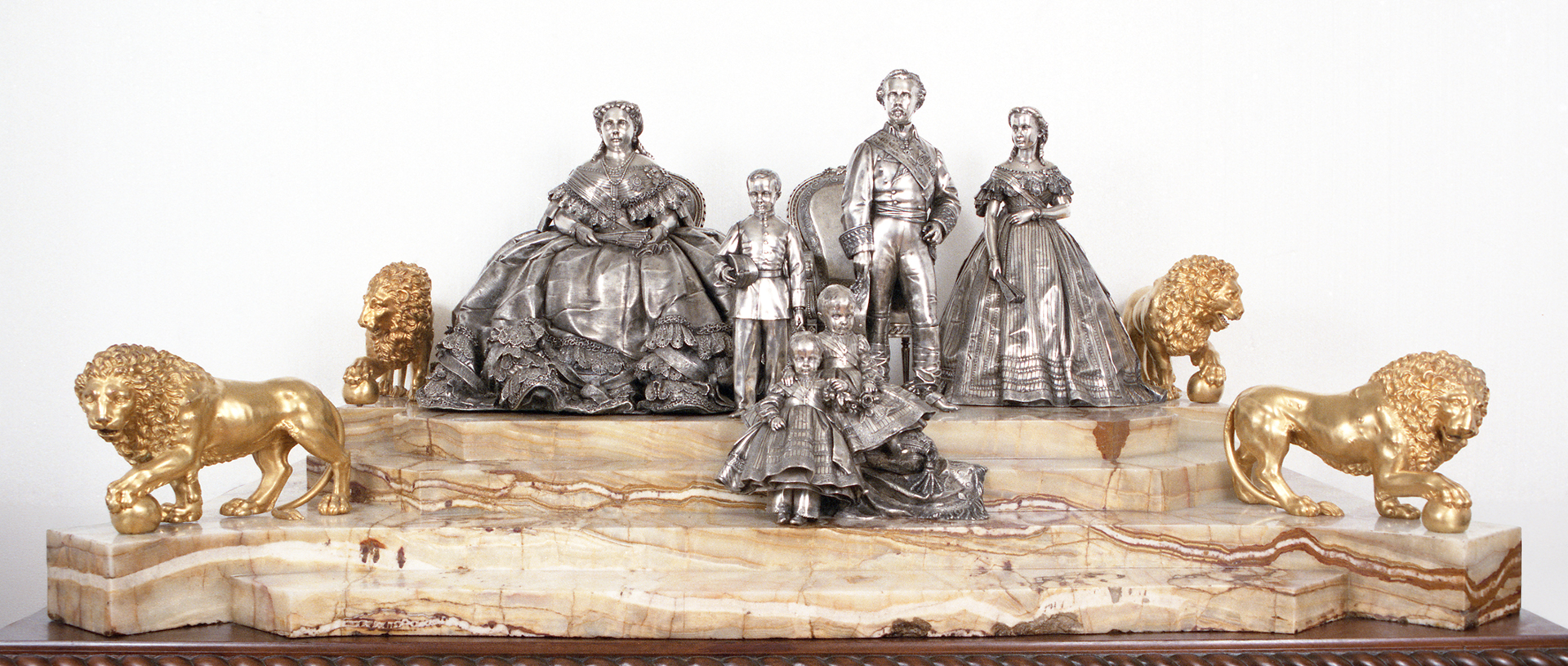
The sculpture group of 'The Royal Family'

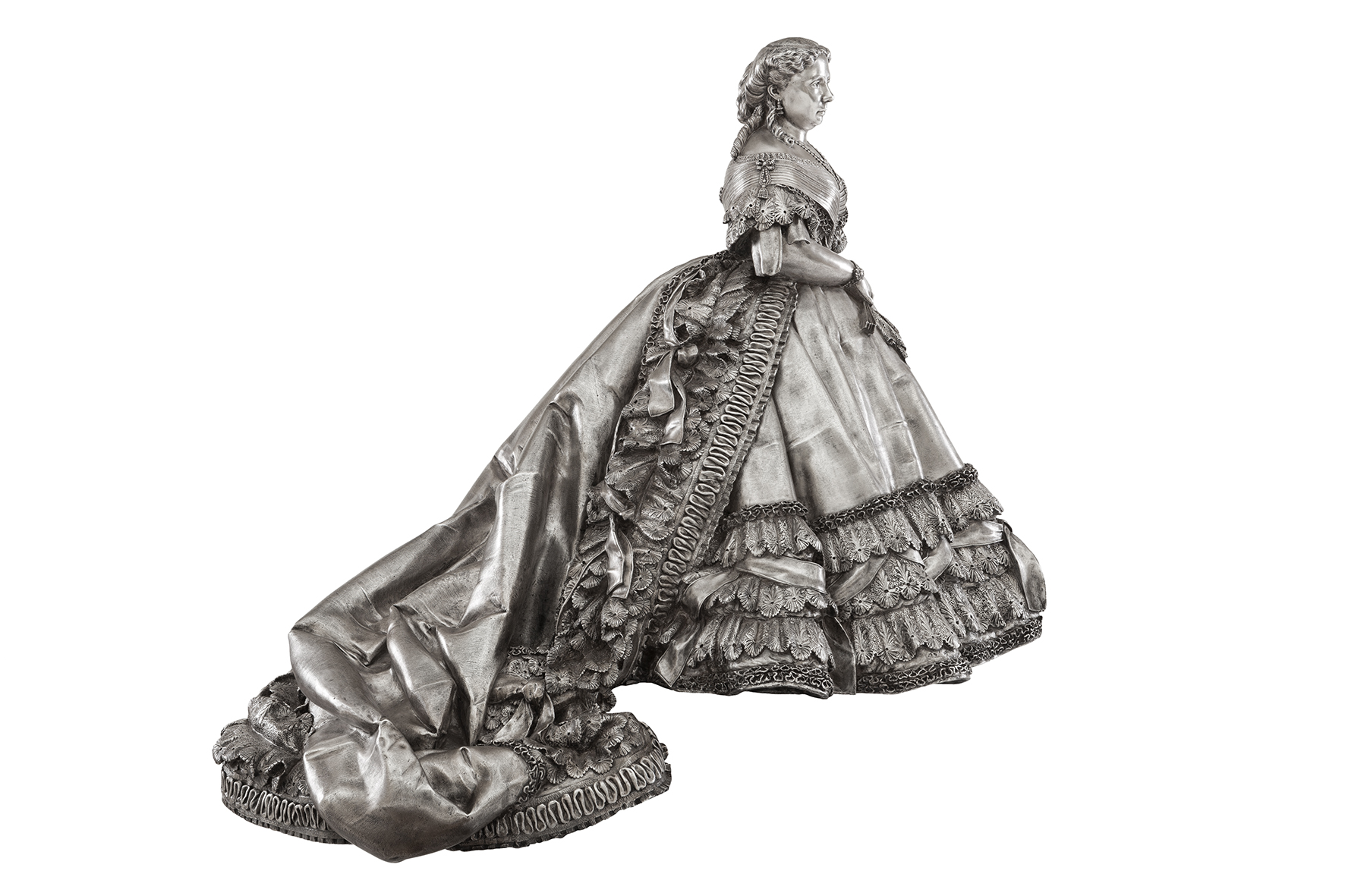
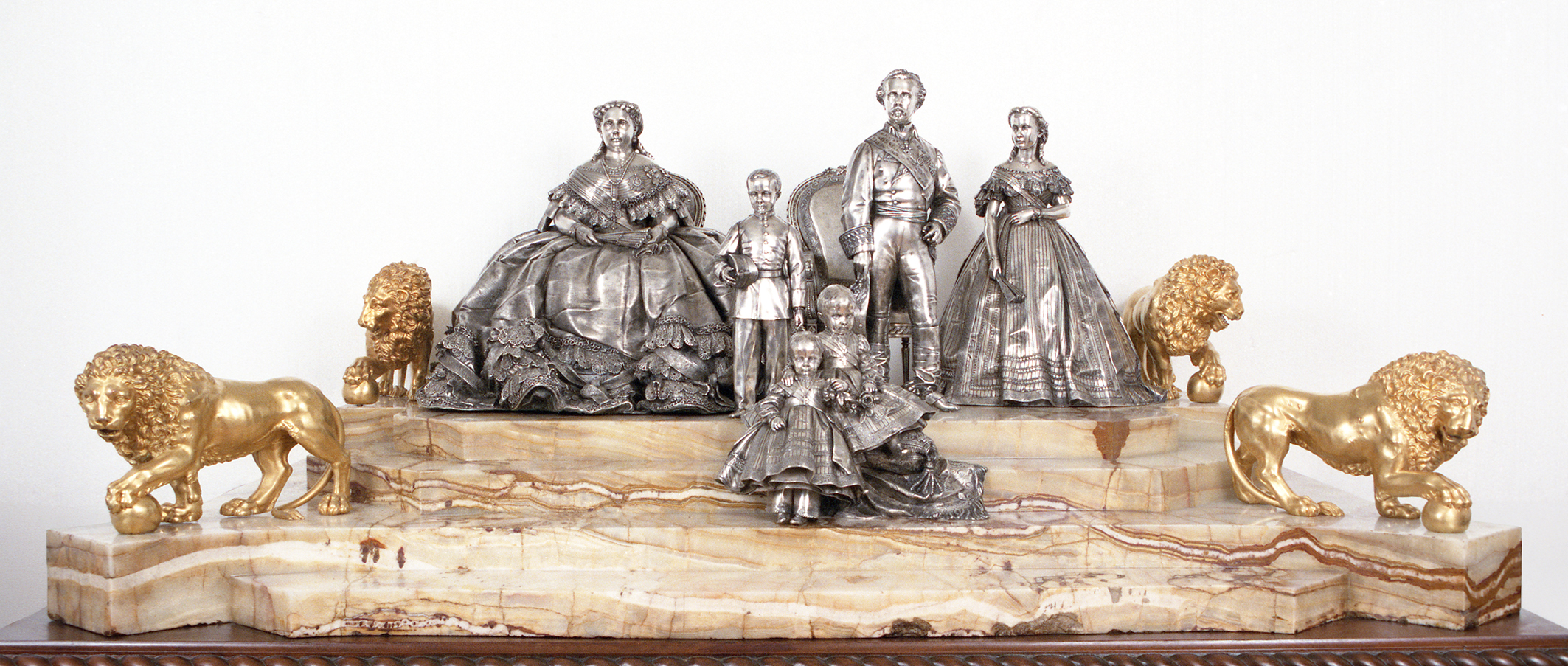
The group portrait of the Spanish royal family is the largest and most important photosculpture produced. It recreates the dais in the throne room of the Royal Palace with its four lions, symbols of the exaltation of royal power. 

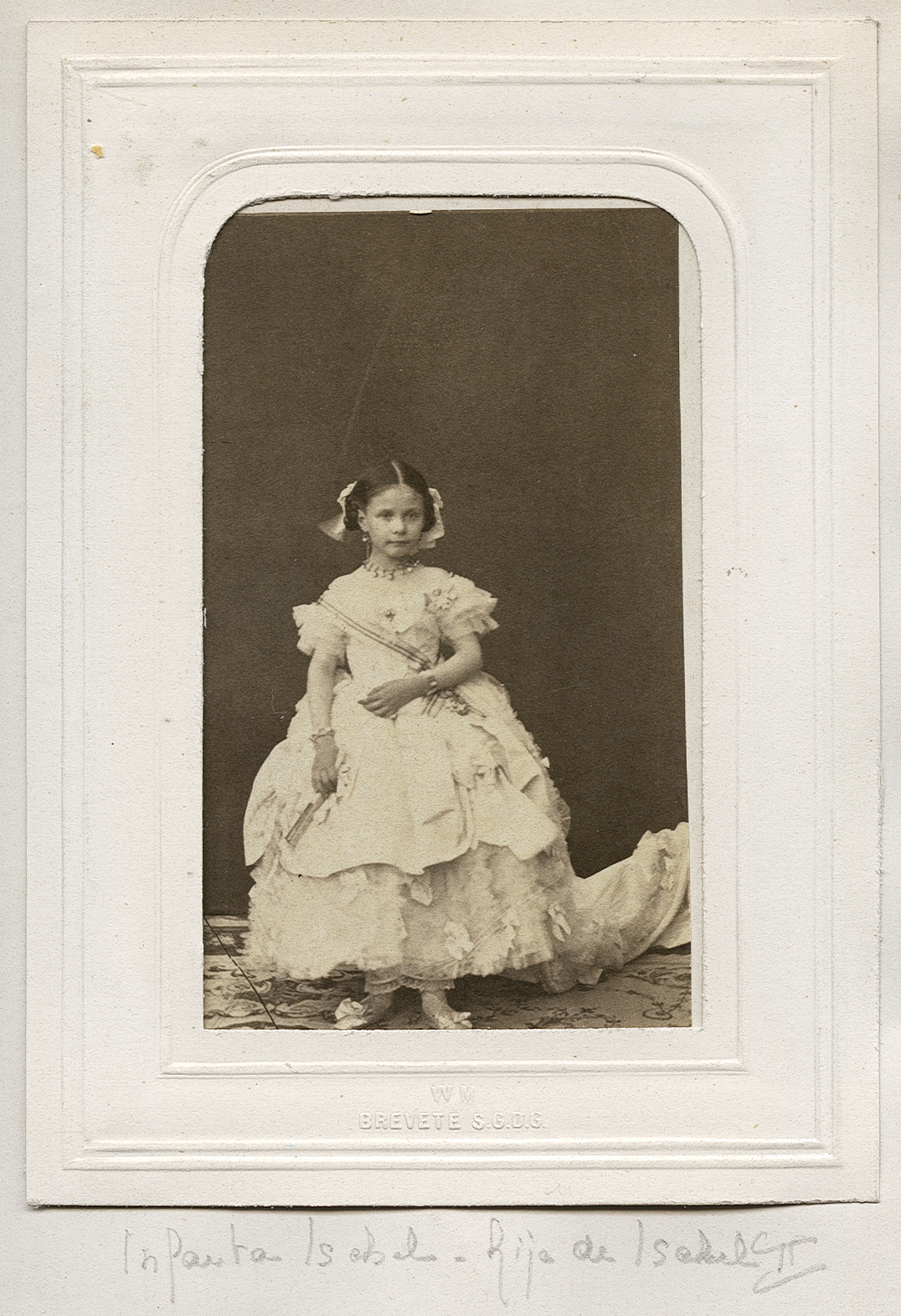
Queen Isabella II presides over the scene together with the Prince of Asturias, the future Alfonso XII, accompanied by the king consort and three of their daughters, the infantas Isabel, Pilar and Eulalia.

This ensemble was created by means of an electrochemical process. Copper was coated with silver using the electroplating technique, which involves covering the object’s surface with a thin layer of the chosen noble metal to achieve exceptional quality at a lower cost.
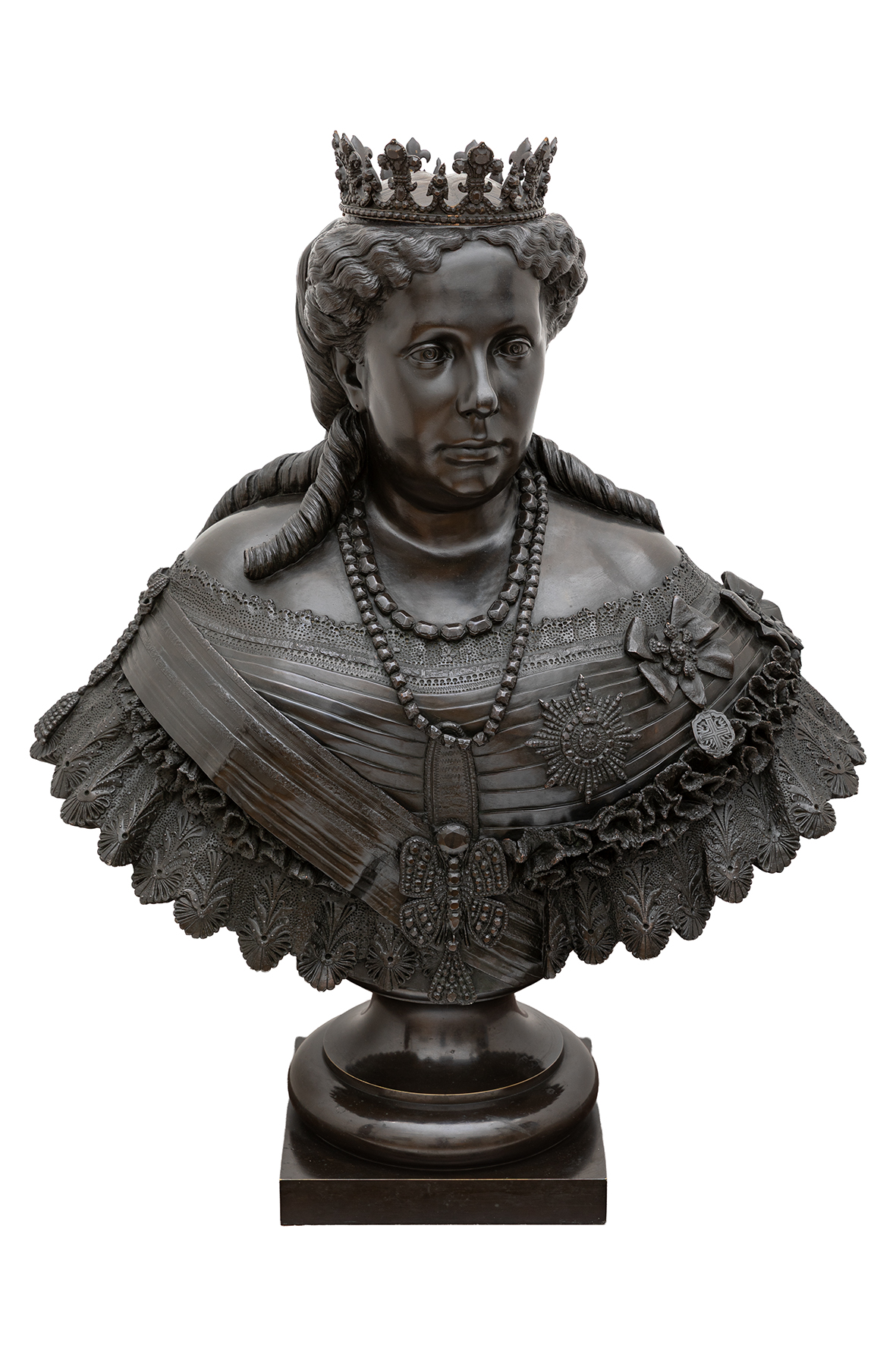
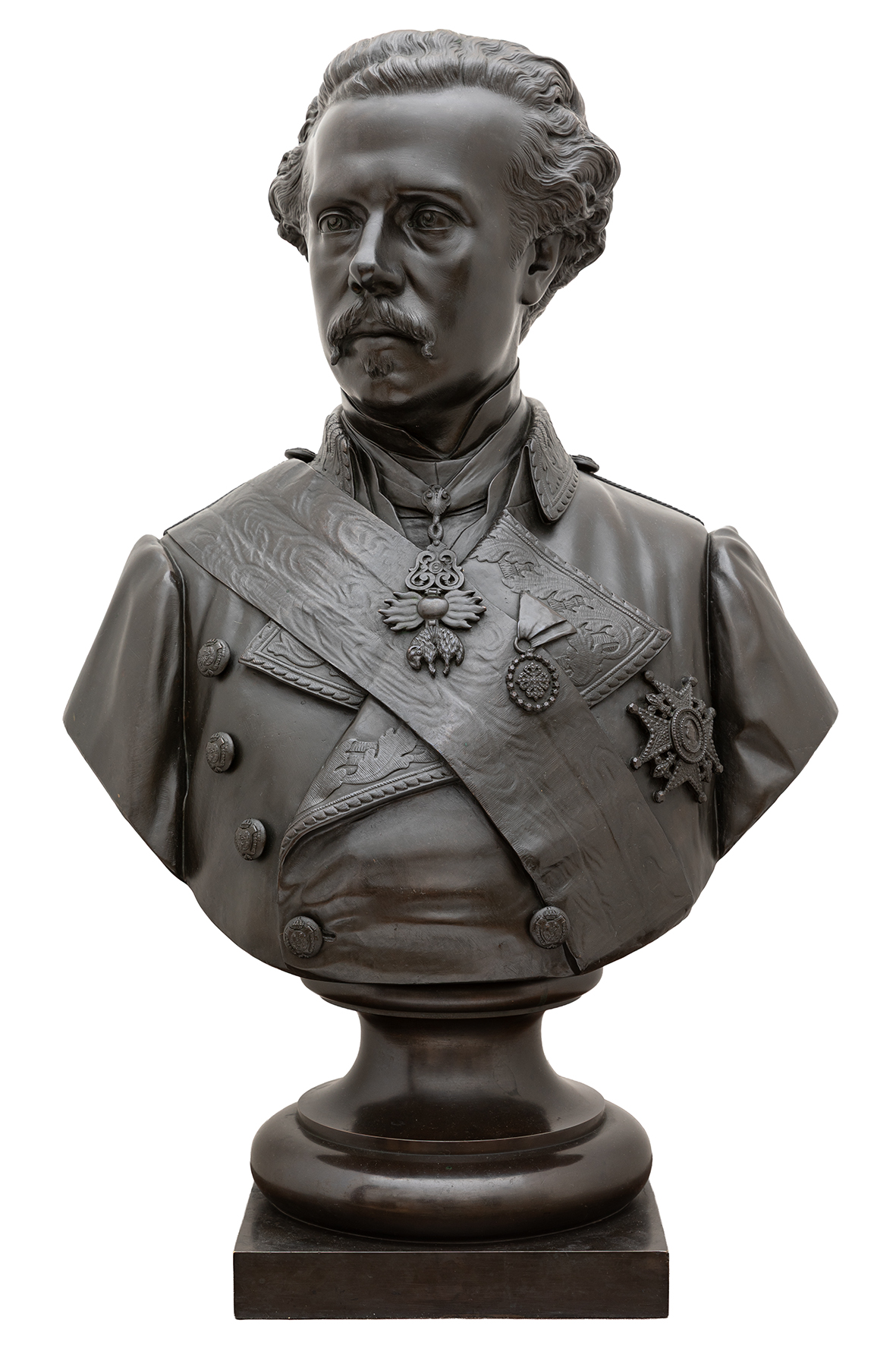
In addition, the French silverware company Christofle made a special collaboration on three busts of Isabella II, Francisco de Asís and the future Alfonso XII, executed in patinated, electroplated copper. 
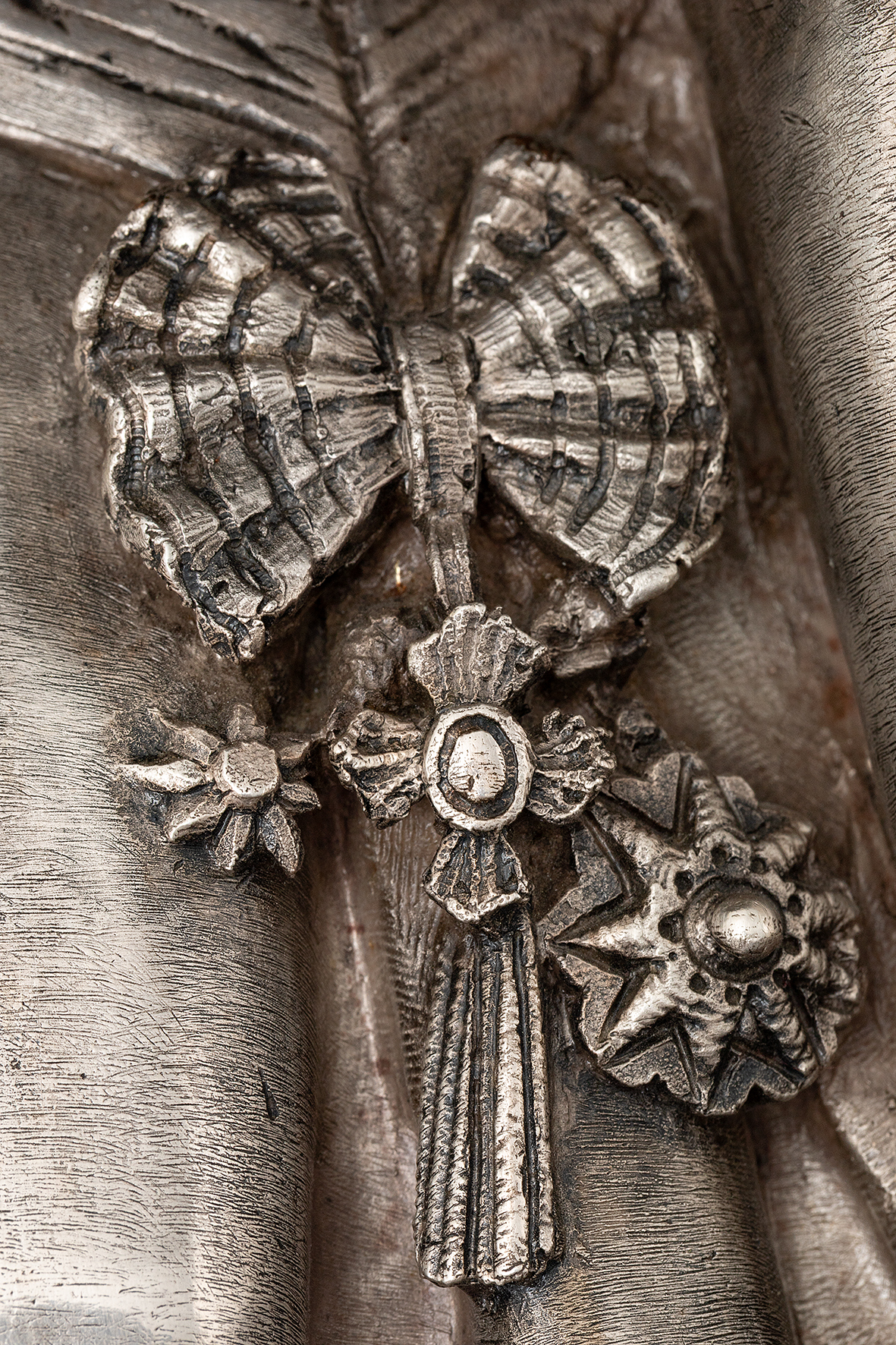
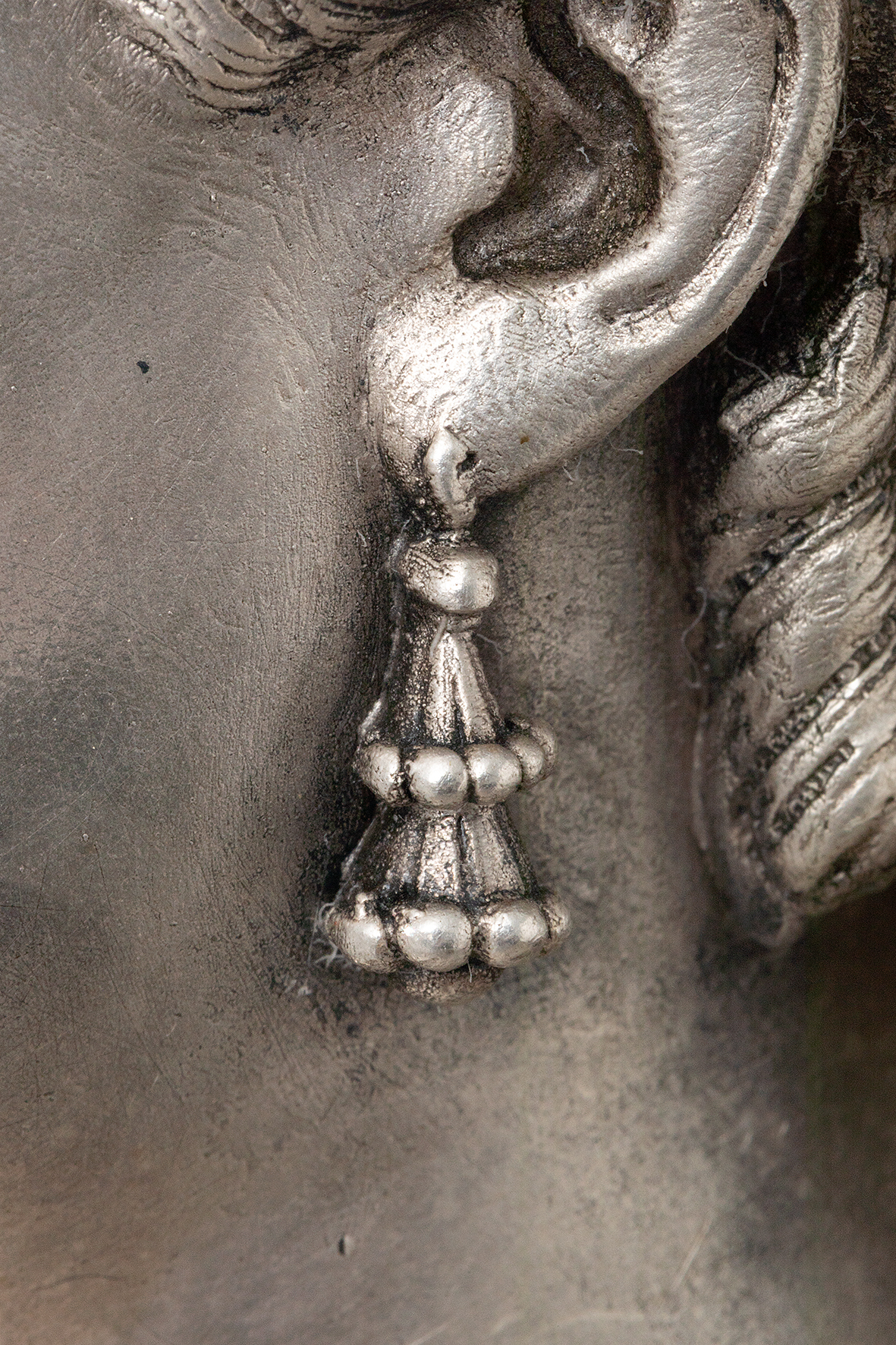
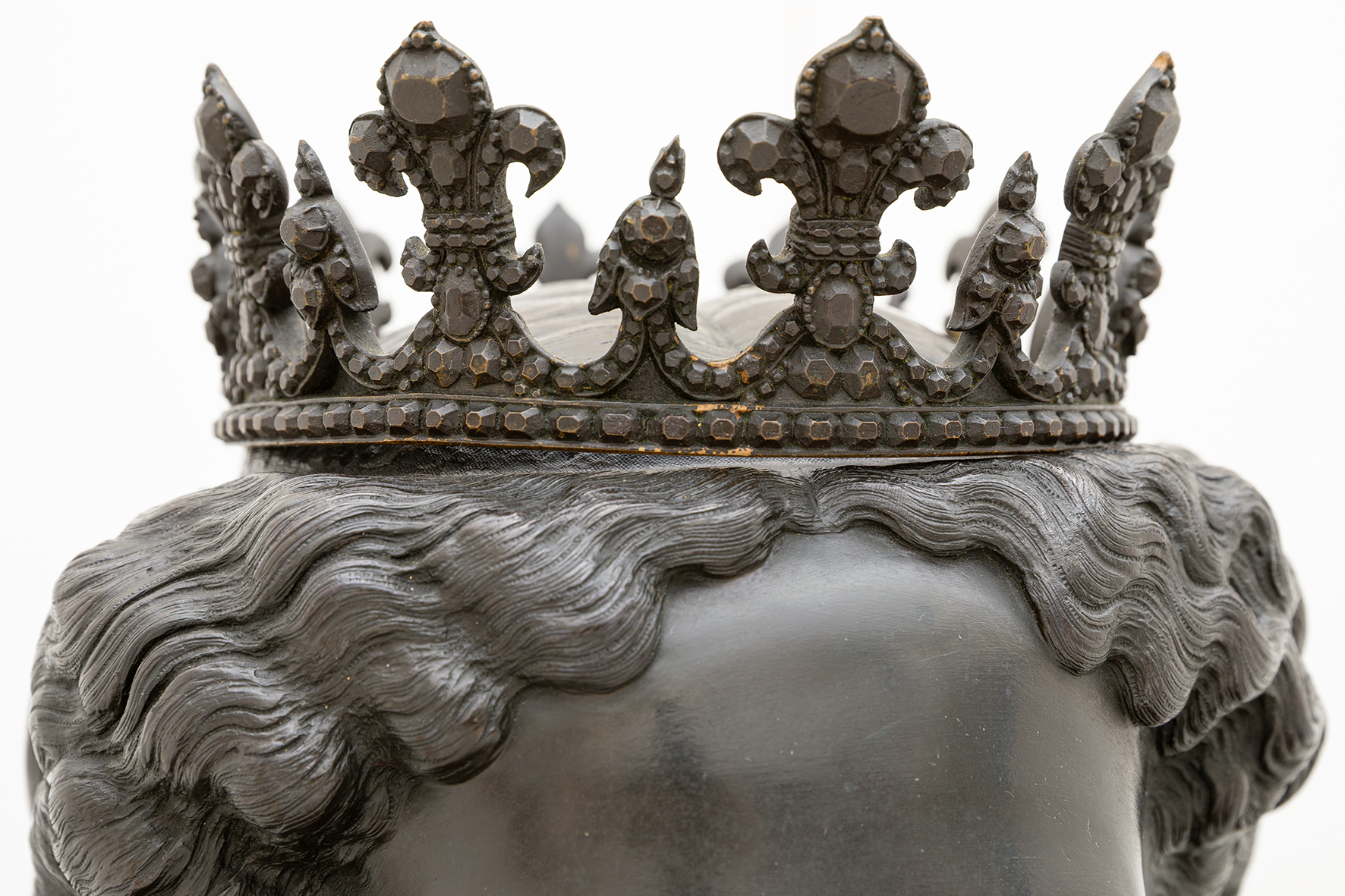
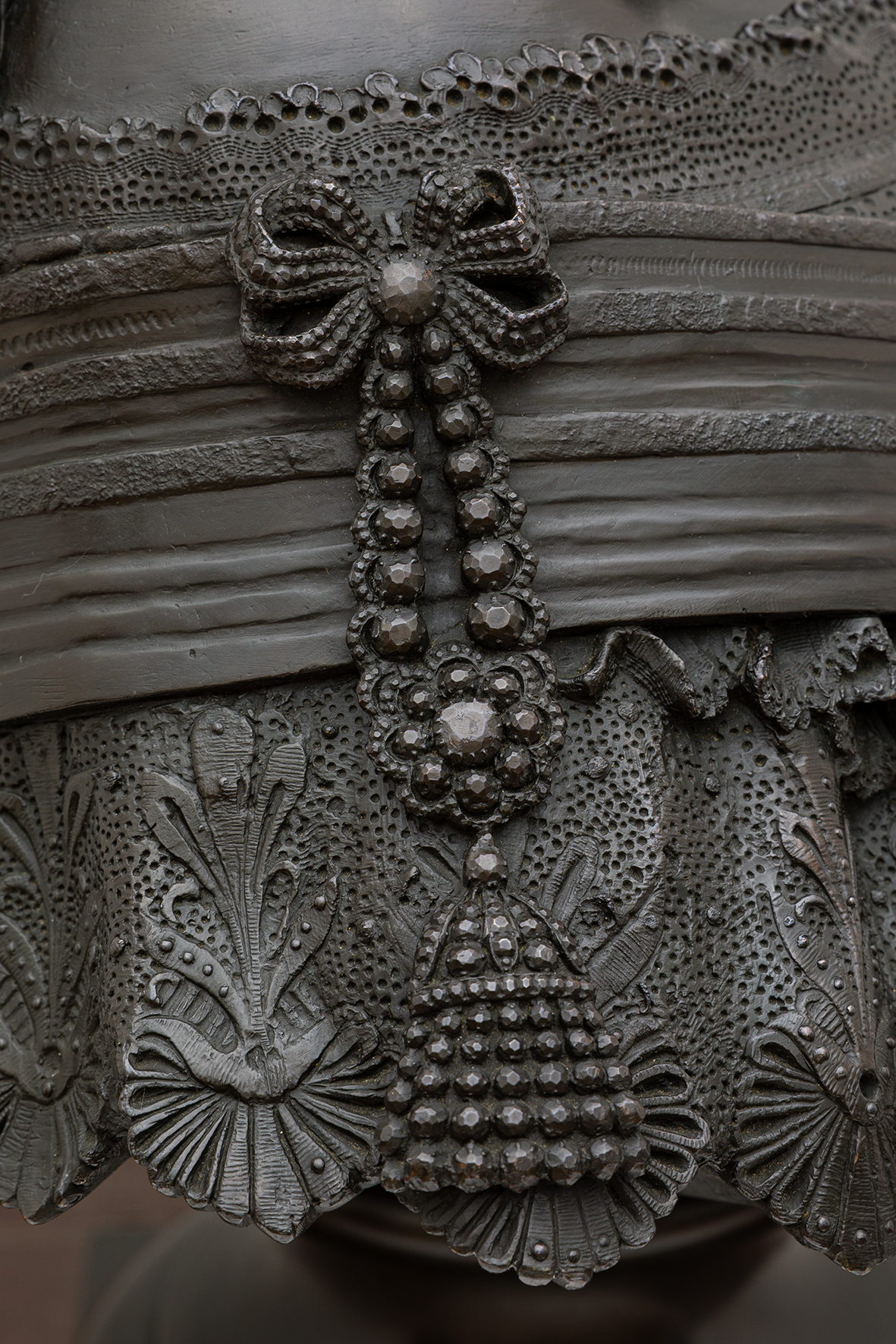
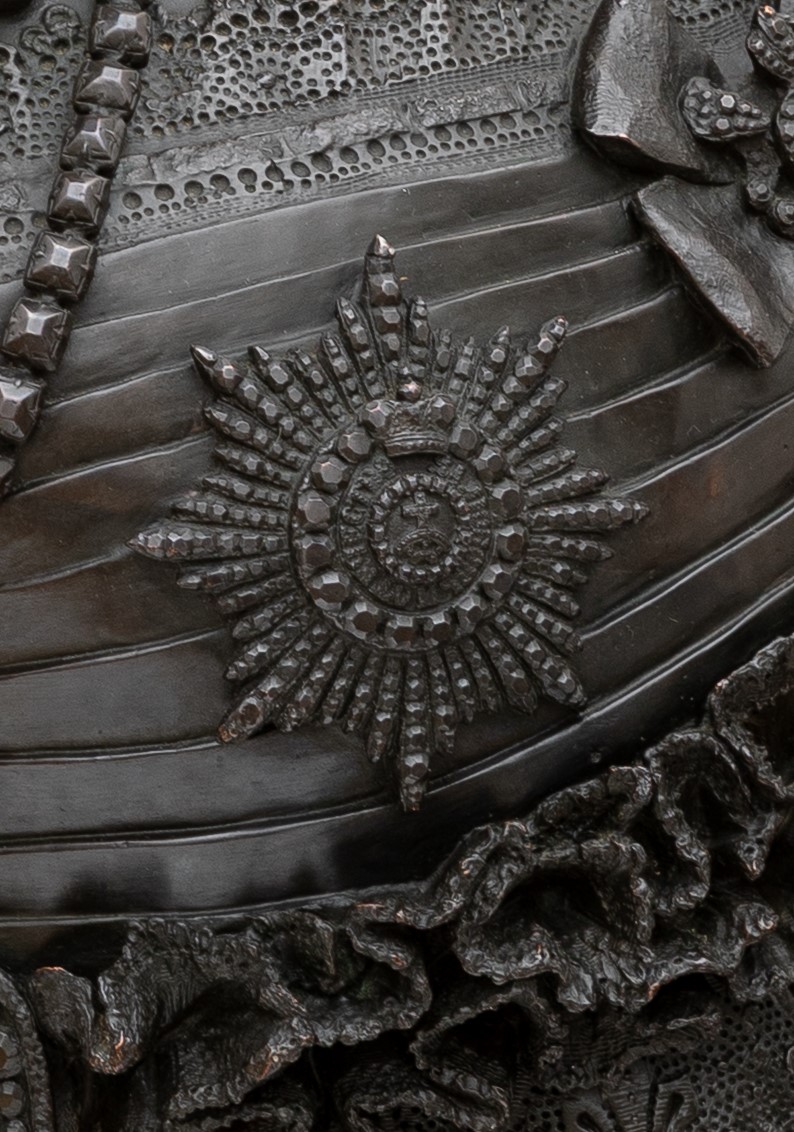
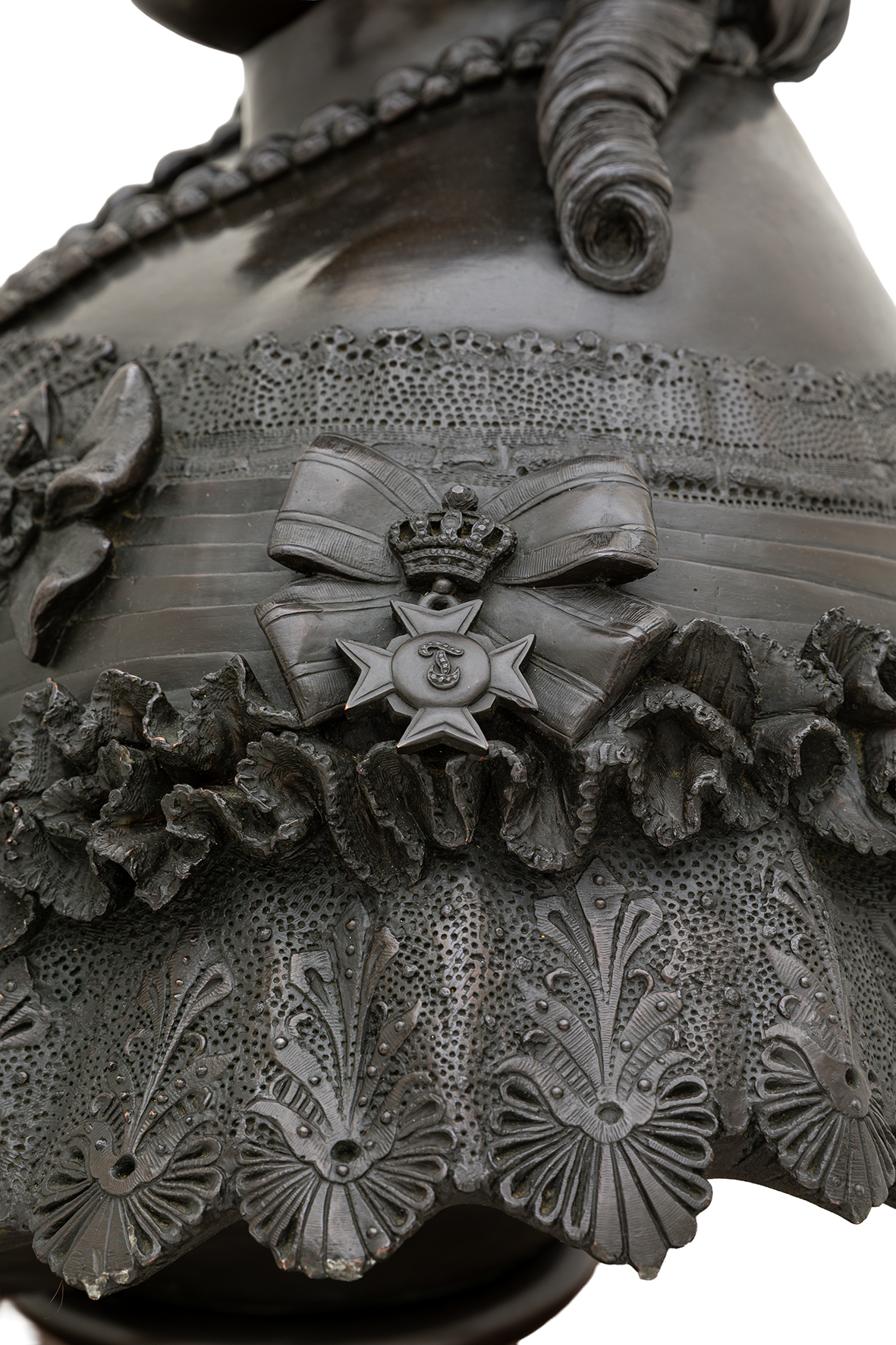
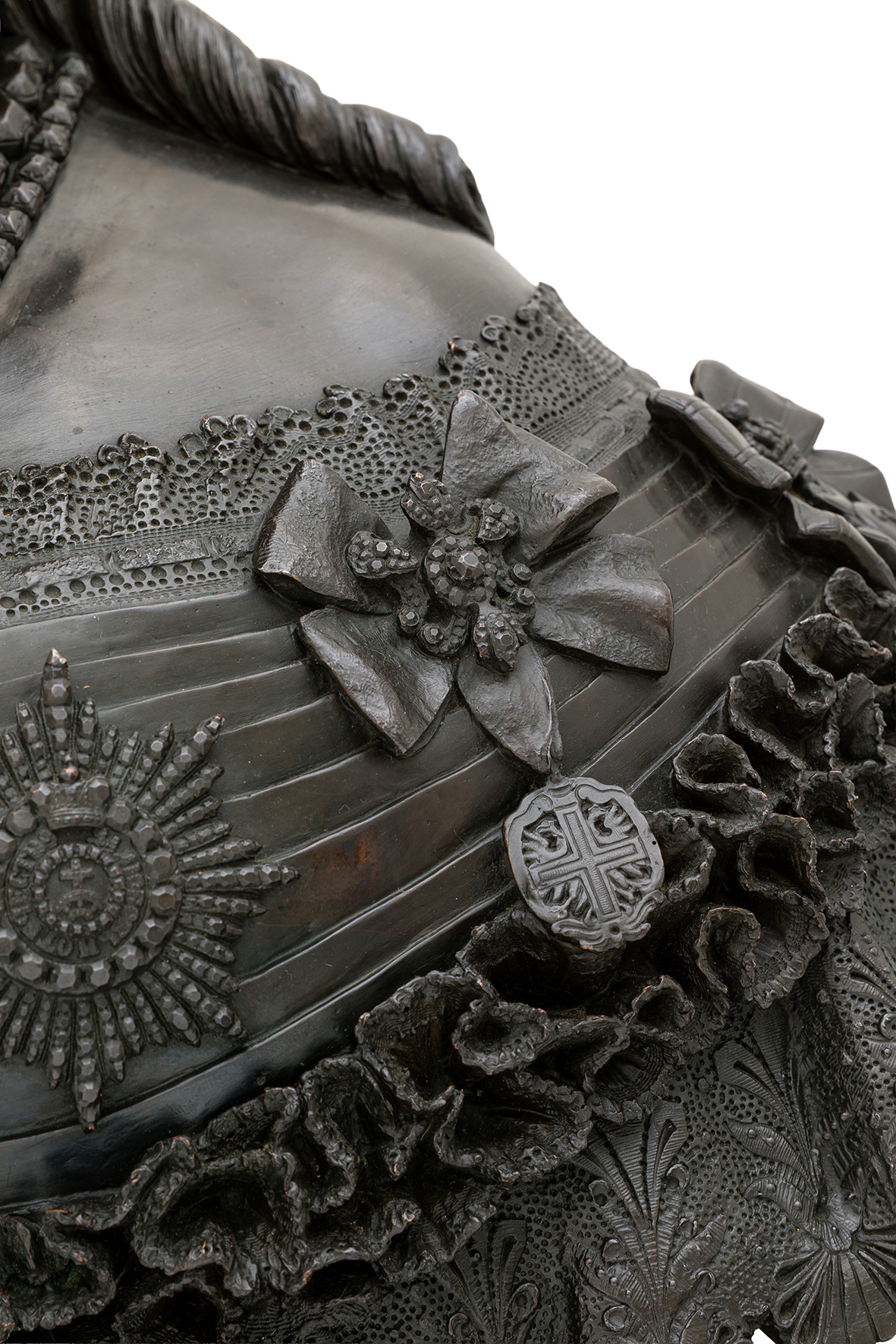
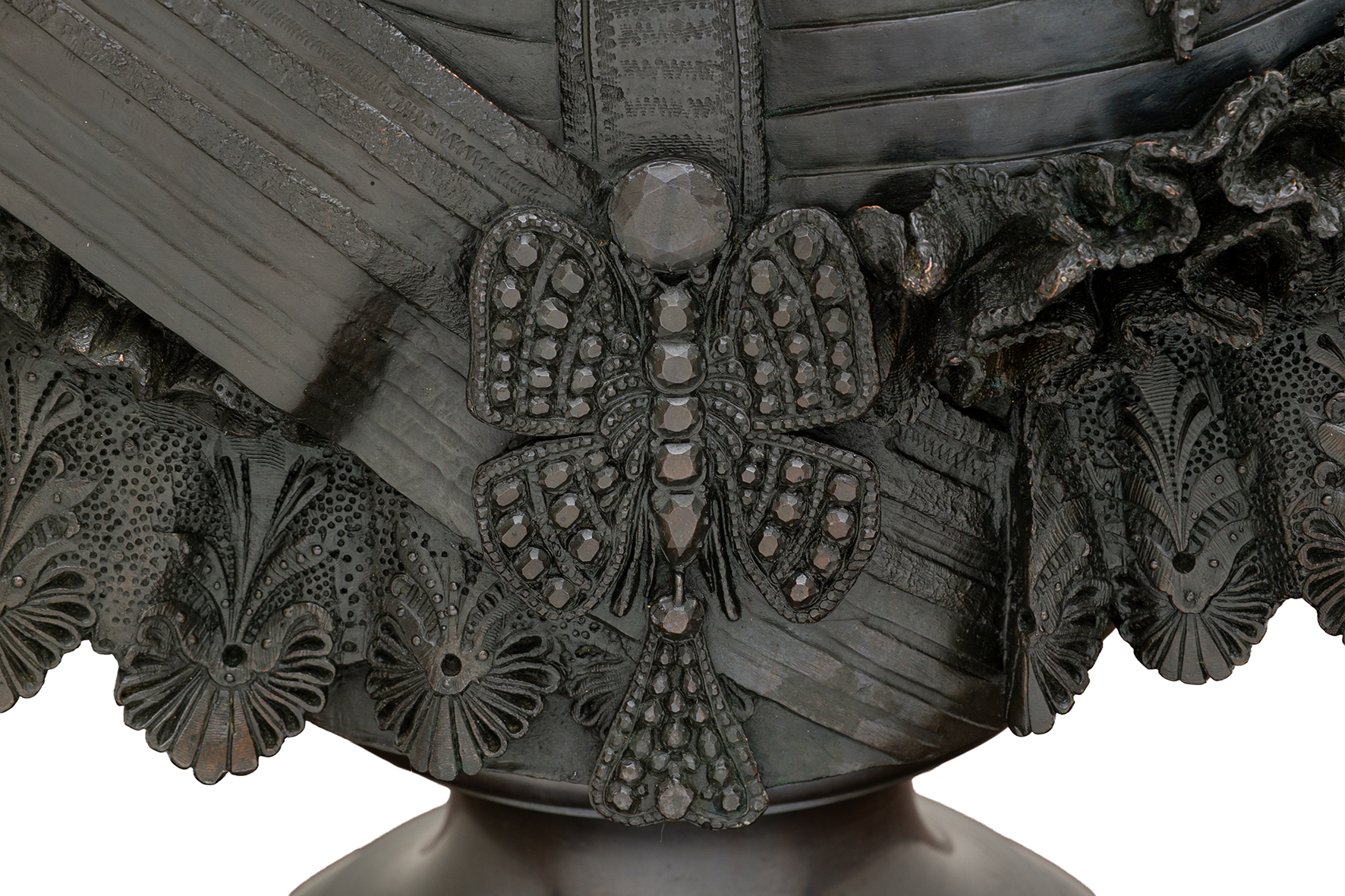
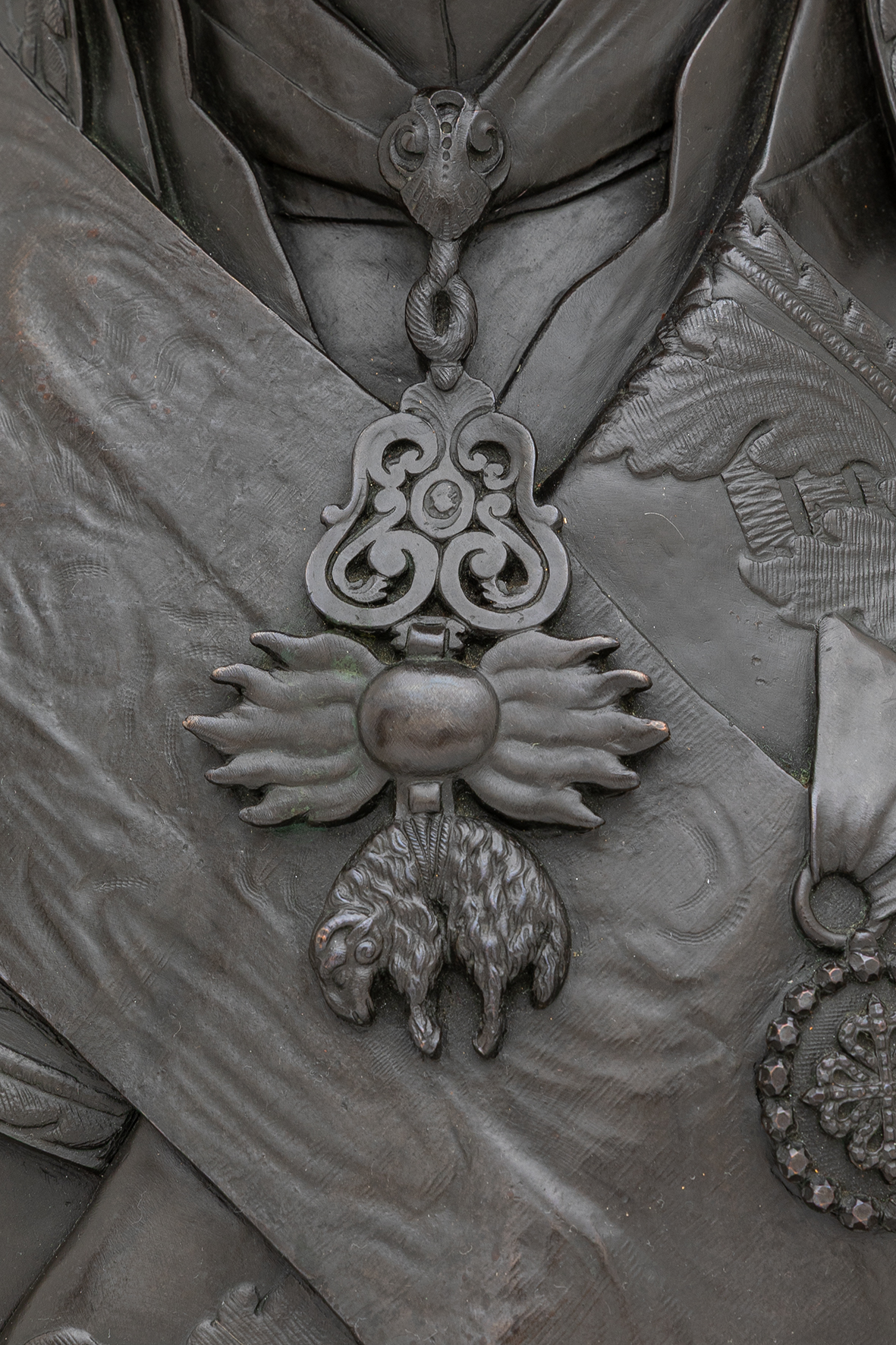
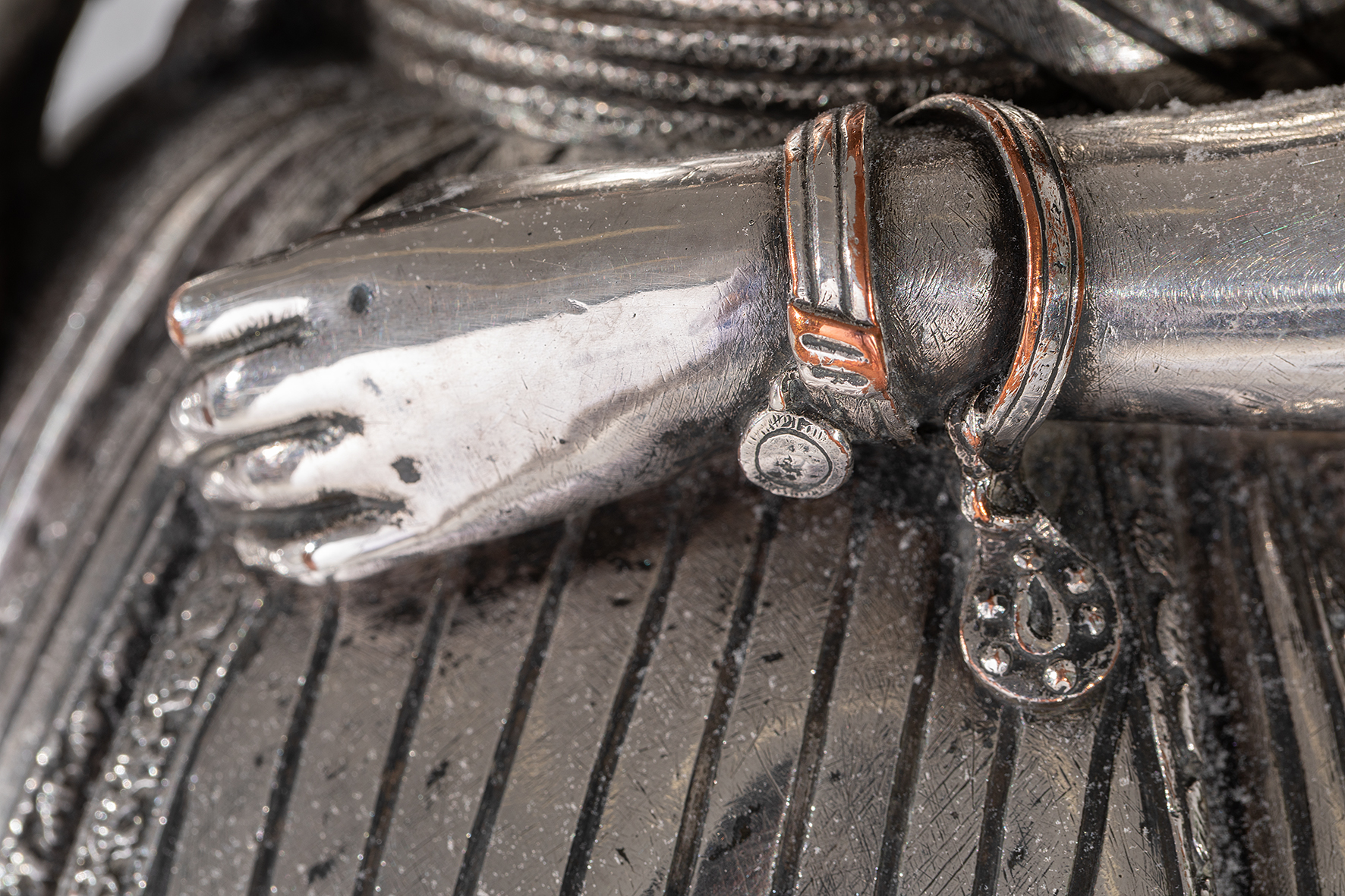
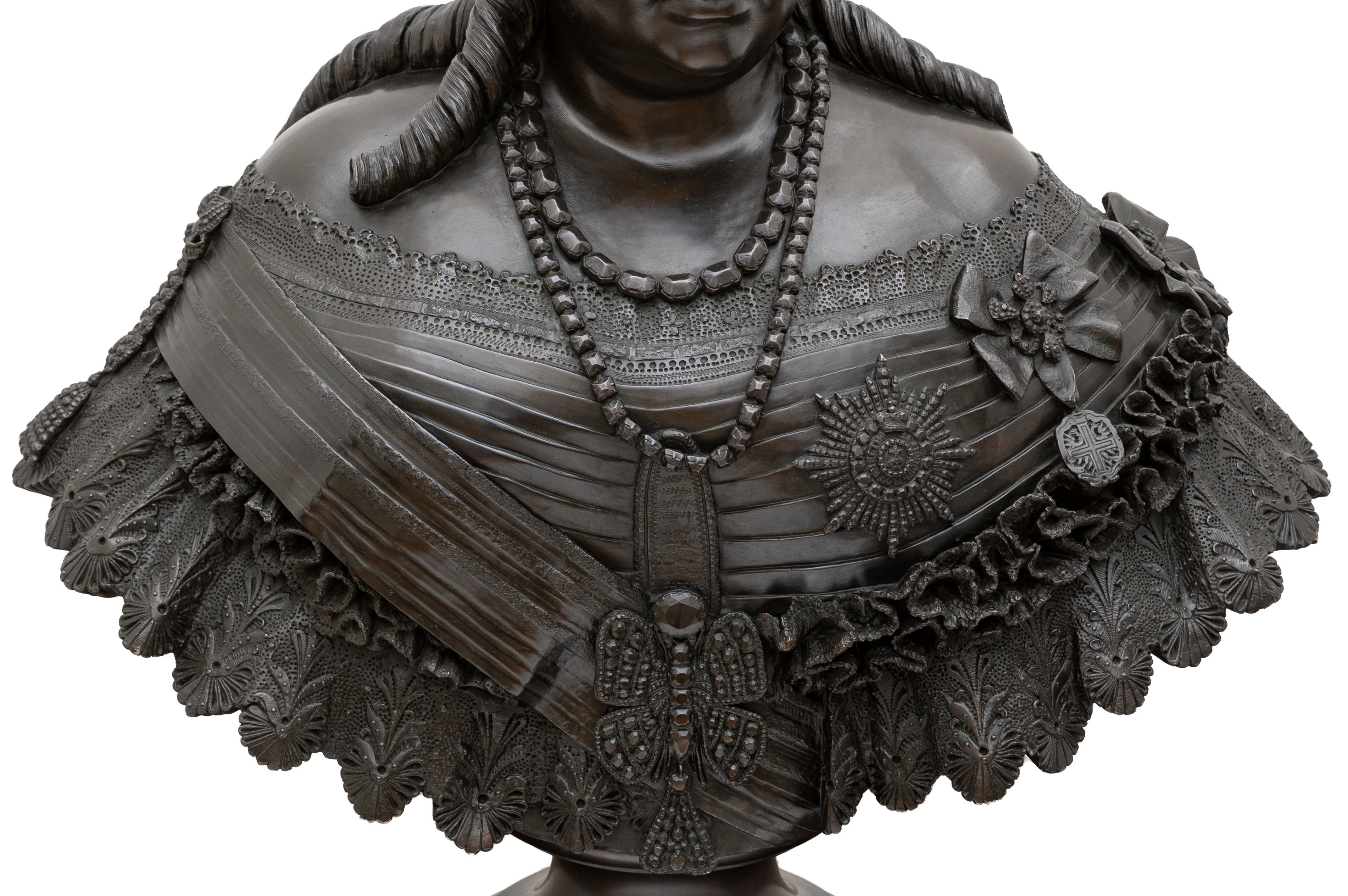
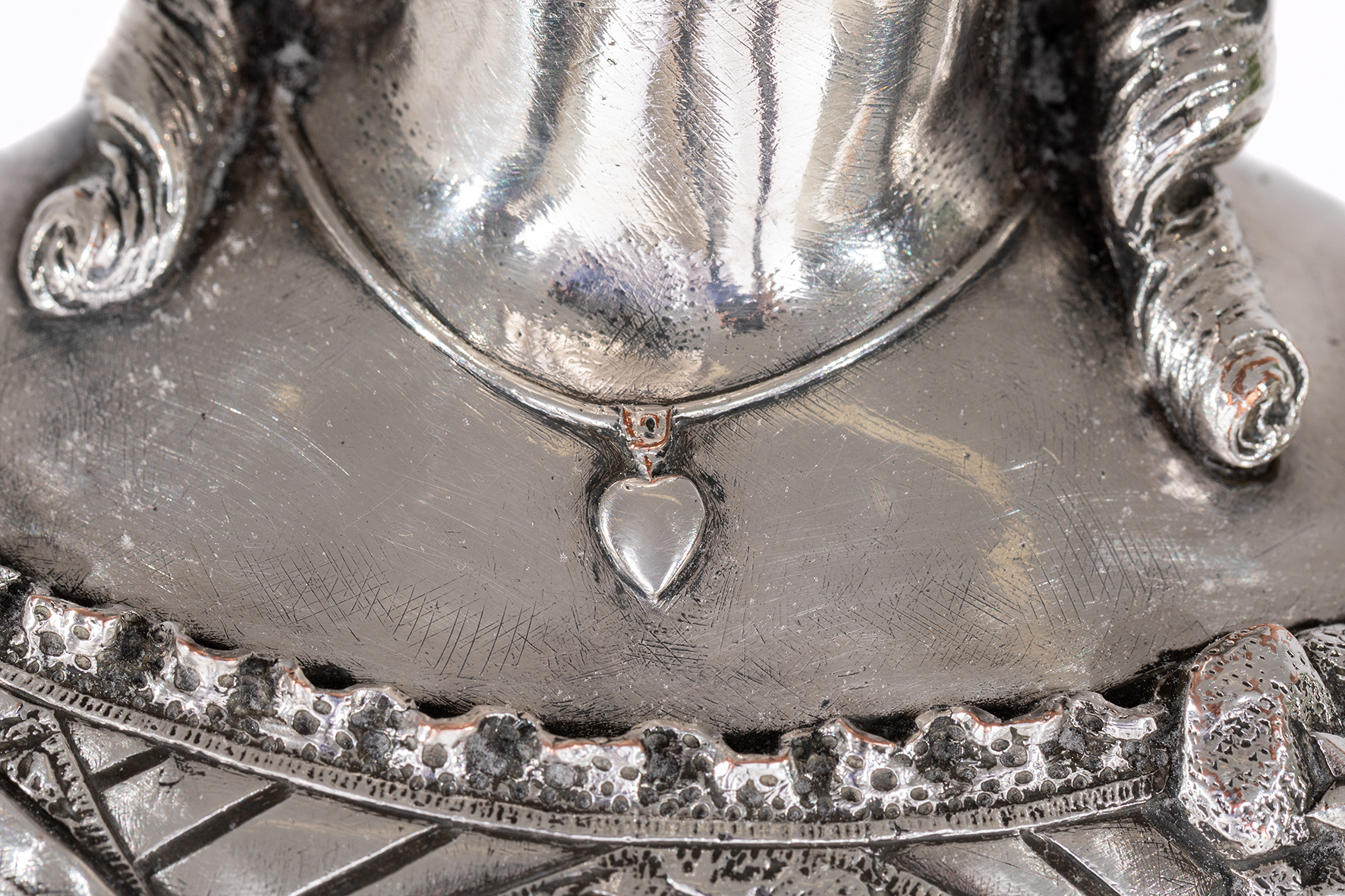
One of the most remarkable features of photosculpture is its ability to reflect reality and the slightest details of the subjects’ faces as well as their clothing and adornments. This accuracy has made it possible to recognise and identify jewellery, medals and decorations worn by Queen Isabella II.

Jewellery, decorations and medals of the Royal Family

As is customary in her official portraits, Queen Isabella II wears a crown on her head. Although in Spain kings and queens are not actually crowned but proclaimed and are therefore not shown sporting crowns, this adornment enabled the queen to enhance her legitimacy and sovereignty. The piece in question – missing from the sculptural group and the freestanding figure – is a model reproducing several fleurs-de-lis. It was first depicted in a portrait by Federico de Madrazo in 1848. In addition to Jean Laurent, Pedro Martínez de Hebert and Franck photographed the queen sporting the same crown. She wore it often because the fleurs-de-lis adorning it are the emblem of the House of Bourbon.

The long earrings, also known as arracadas or zarcillos, reproduce a ‘lantern’ model that is rarely found in surviving portraits.
Around the queen’s neck are two necklaces, one of pearls and the other of large mounted diamonds.

The queen’s most significant piece of jewellery is a butterfly-shaped brooch inherited from her mother, Queen María Cristina of Bourbon. It can be seen in Valentín Carderera’s portrait of María Cristina.

Attention began to be paid to bracelets during this period. Different models were worn and ladies could sport several on each arm. They were usually made of gold or silver in the form of a rigid band or several articulated parts. They were fastened with large brooches embellished with precious stones and enamel. Sometimes medallions or lockets were attached to them.

The clasp on her shoulder, essential for fastening sashes and decorations, completes the queen’s jewellery.

The Infanta Isabel also wears a heart-shaped pendant, a traditional piece of jewellery in her attire.

Other photosculpture collections

The photographer Antoine-François Claudet (1797–1867) disseminated this technique in Great Britain, becoming artistic director of Willème’s company, Société Générale de Photosculpture. In 1864 this technique was patented in the United States, where Hutson and Kurtz founded a photosculpture society in New York in 1866.

In Paris, Willème received commissions from many people in the world of culture. They are housed in various public institutions, including the Musée des Arts Décoratifs and Musée Carnavalet, in Paris and the Musées de Senlis. 

His work can also be found in Swiss and German collections and in the United States, both at the LACMA in Los Angeles and, primarily, at the Georges Einstman Museum in New York and the Iris & B. Gerarld Cantor Center for Visual Arts at Stanford University. The latter institution has twelve photosculptures, eleven of which were acquired from the descendants of Gerard Levy in Paris, who rediscovered photosculpture and began collecting it in the 1980s.

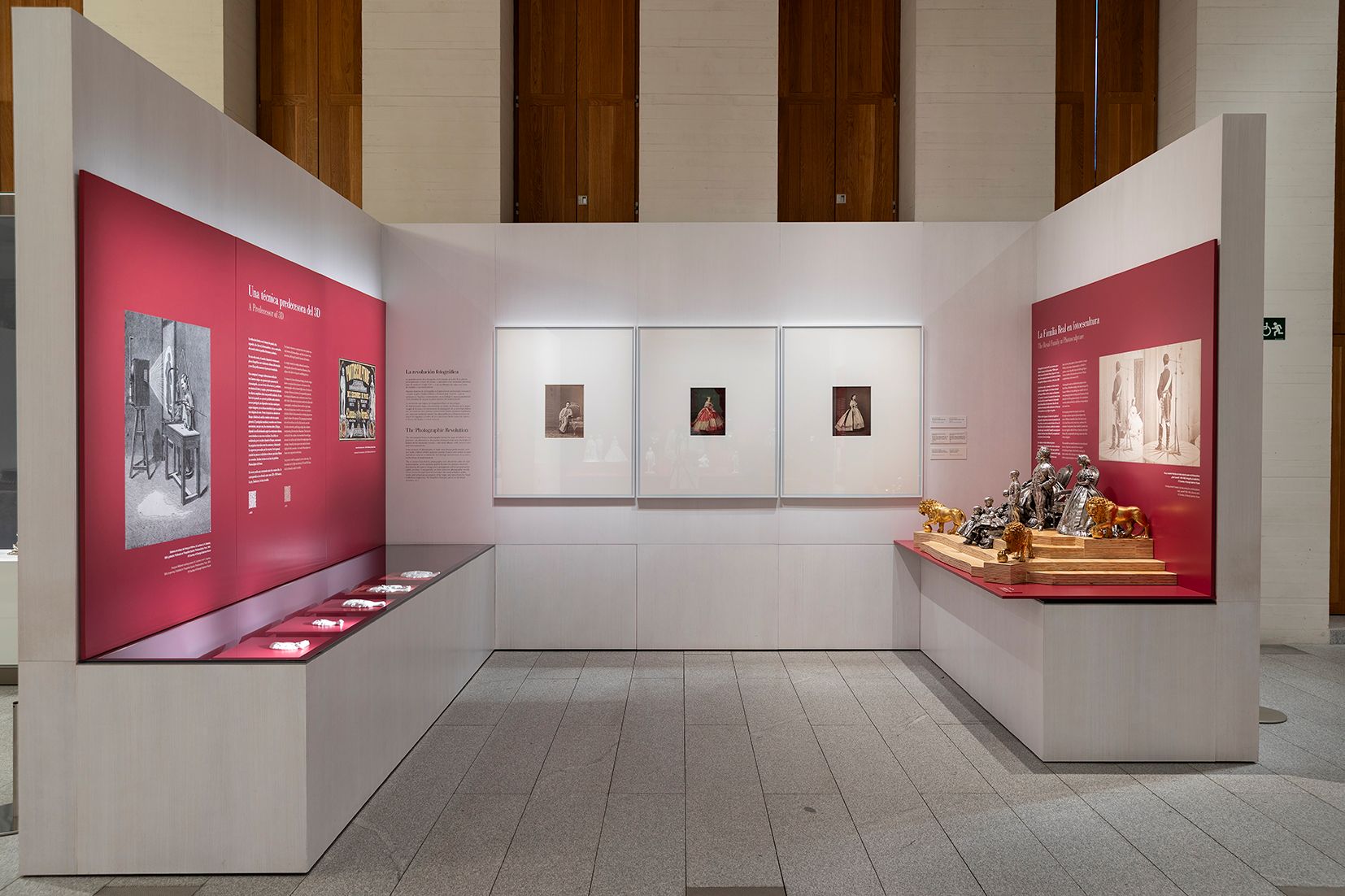
Instalación museográfica

Works

Authors and Collectors

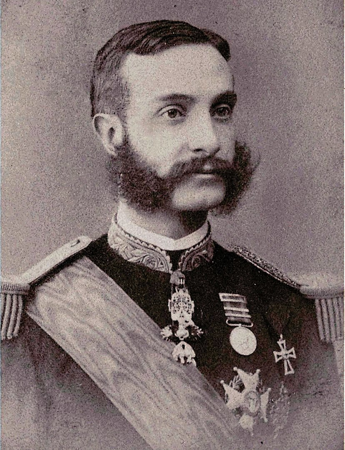
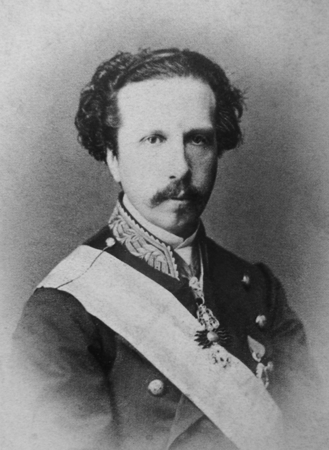
Alfonso XII
Monarch

Alfonso XII

(Madrid, 1857 - Madrid, 1885)

The sixth of ten children born to Queen Isabella II (1830-1904) and her husband and King consort Francisco de Asís (1822-1902), the future Alfonso XII was first educated by the Marquess of Alcañices, then head of the Prince's Chamber. In 1865, the responsibility of his education was given to the Count of Ezpeleta. That same year, General Álvarez Osorio was appointed his head of studies; Canon Cayetano Fernández, his professor of religion, later succeeded by the Archbishop of Burgos; and Bernardo Uribarri, Isidro Losa and Guillermo Morphy were appointed his Gentlemen of the Bedchamber. 

After the Revolution of September 1868, and the royal family’s exile in France, Prince Alfonso studied for a year at the Collège Stanislas in Paris....
Read more
Francisco de Asís de Borbón
Monarch

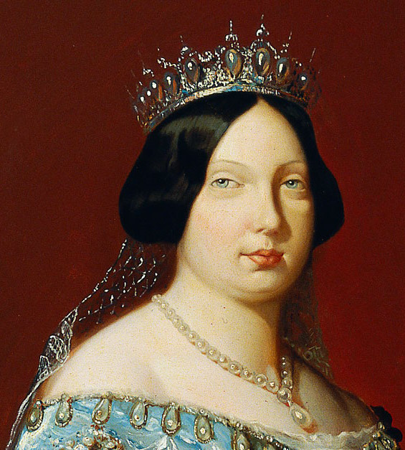
Francisco de Asís de Borbón

(Aranjuez (Madrid), 1822 - Castillo d´Epinay-sur-Meuse, Seine-Saint-Denis (Francia), 1905)

The third of eleven children born to the Infante Francisco de Paula (1794-1865) and Luisa Carlotta of the Two Sicilies (1804-1844), Francisco de Asís de Borbón was the grandson of Charles IV (1748-1819) on his father’s side. An Infante of Spain, Duke of Cadiz and Knight of the Orders of Charles III and the Golden Fleece, he married his first cousin Isabella II (1830-1904) on 10th October 1846 in a ceremony held at the Royal Palace of Madrid. Francisco de Asís de Borbón's pretensions to the hand of his cousin the Queen was boosted by his support among the French and British governments, as well as by his Spanish origin. From the moment of their marriage, Francisco de Asís de Borbón...
Read more
Isabella II
Monarch

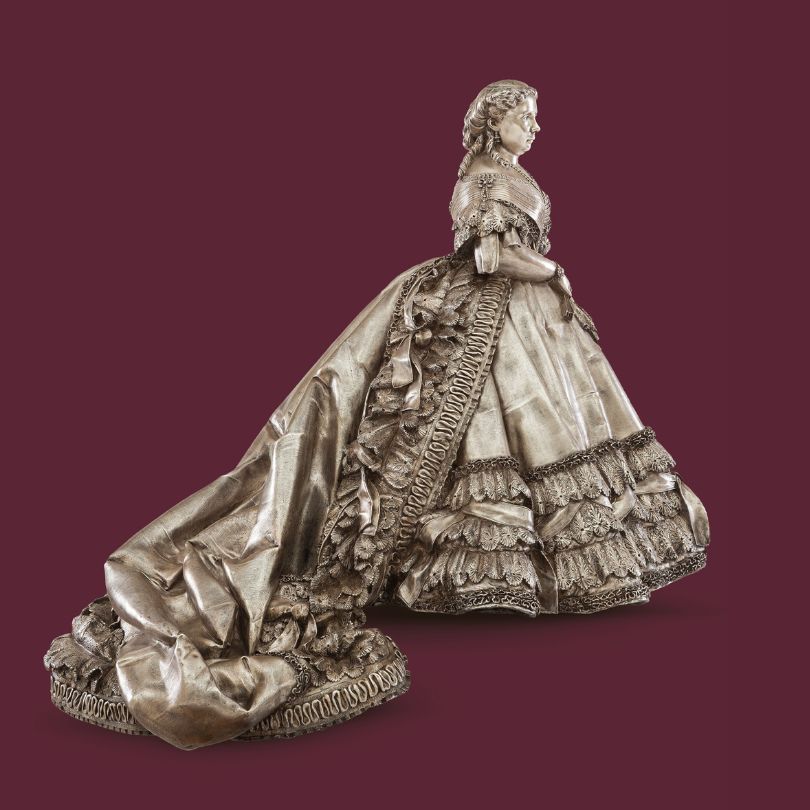
Isabella II

(Madrid, 1830 - París (Francia), 1904)

The first-born daughter of Ferdinand VII (1784-1833) and his fourth wife, Maria Christina of the Two Sicilies (1806-1878), the future Isabella II was sworn in as Princess of Asturias before the Spanish Cortes in the Church of San Jerónimo El Real in Madrid, on 20th June 1833. Barely three months later, she became Queen of Spain after the death of Ferdinand VII on 29th September that same year. During her minority, her mother Queen Maria Christina, and later General Baldomero Espartero, acted as regents. Isabella II's childhood was marked not only by the outbreak of the first Carlist War (1833-1840), which called into question her legitimacy as Queen against the supporters of her uncle, the Infante Carlos María Isidro (1788-1855), but...
Read more

Organised by: Patrimonio Nacional

Curators: Leticia Azcue Brea, Museo Nacional del Prado and María José Suárez Martínez, Patrimonio Nacional

Coordinators: Cristina Guzmán Gutiérrez and Isabel Sampedro Mendes

Museographic Design: gaSSz arquitectos

Museographic Installation: Horche