Use of Cookies

The Royal Collections Gallery uses its own and third-party cookies, mainly for technical purposes, which are necessary to provide our services and provide you with relevant content. More information in our cookies policy. Cookies Policy.

ACCEPT to confirm that you have read the information and accepted their installation. You can change your browser settings.

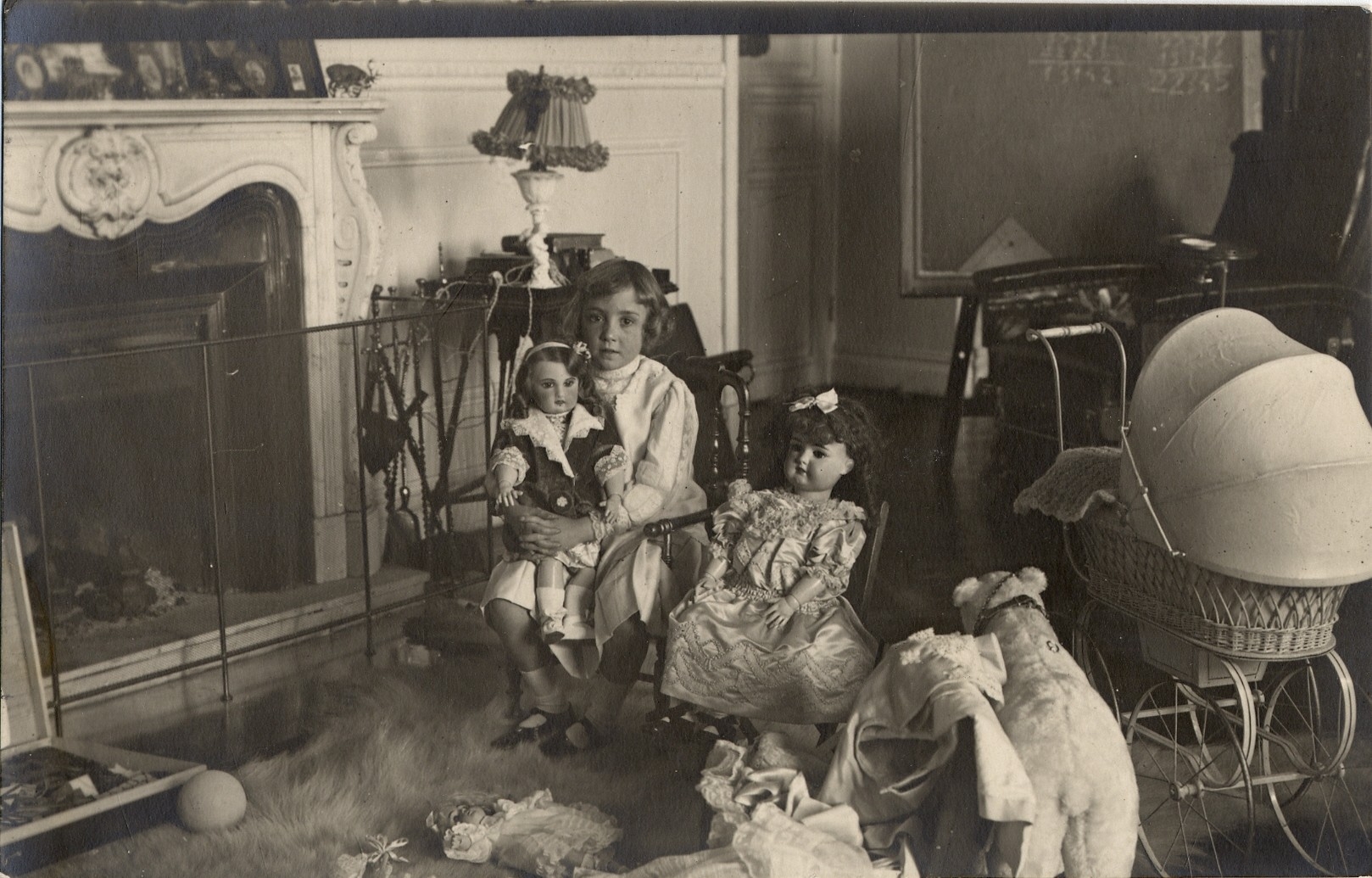
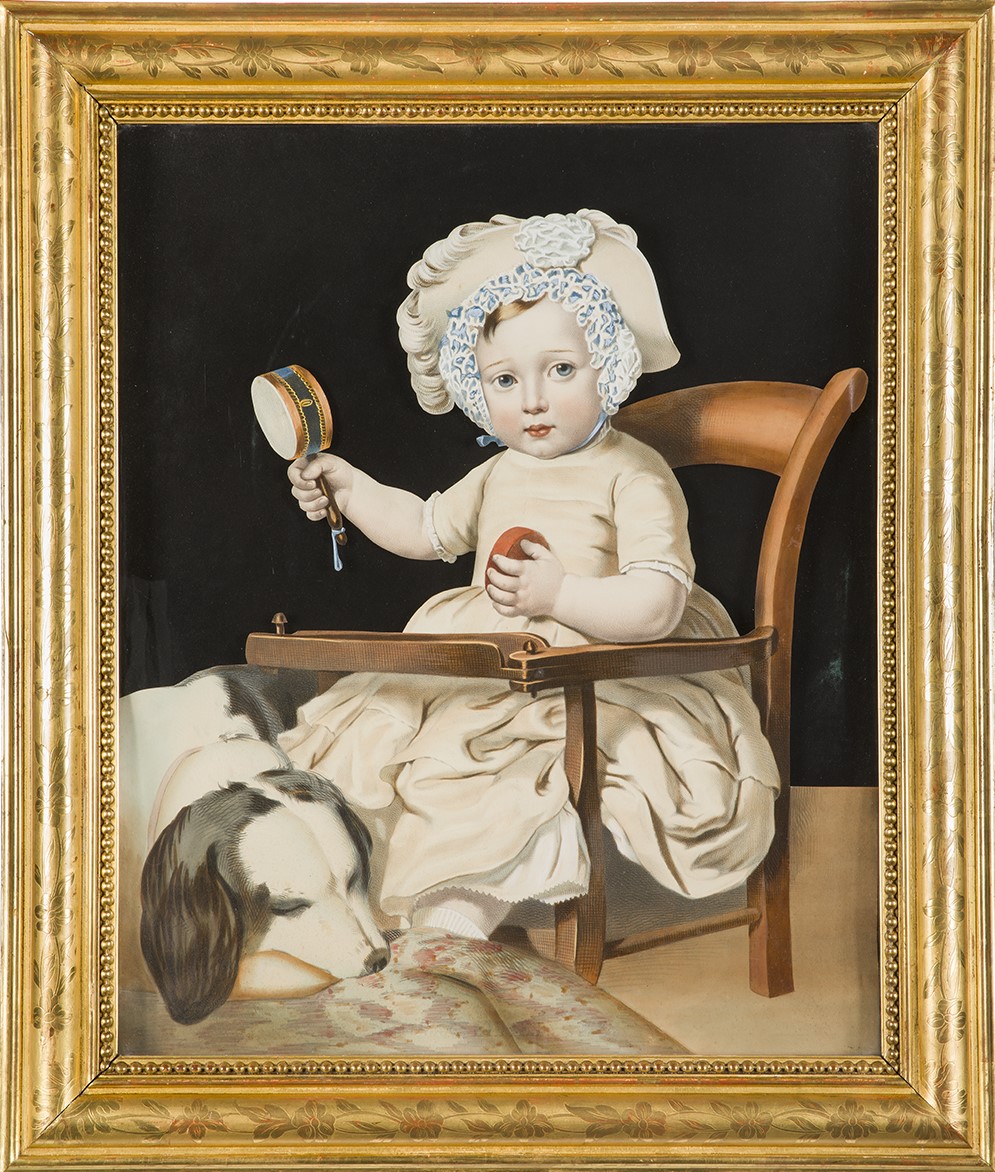
A toy is an object intrinsically linked to a story: it speaks of who acquired it and for whom, when it was acquired, whether it was a gift, whether it passed through several generations, or with whom it was shared. As with games, toys contain an emotional component that evokes childhood and experiences often lived in the company of others.
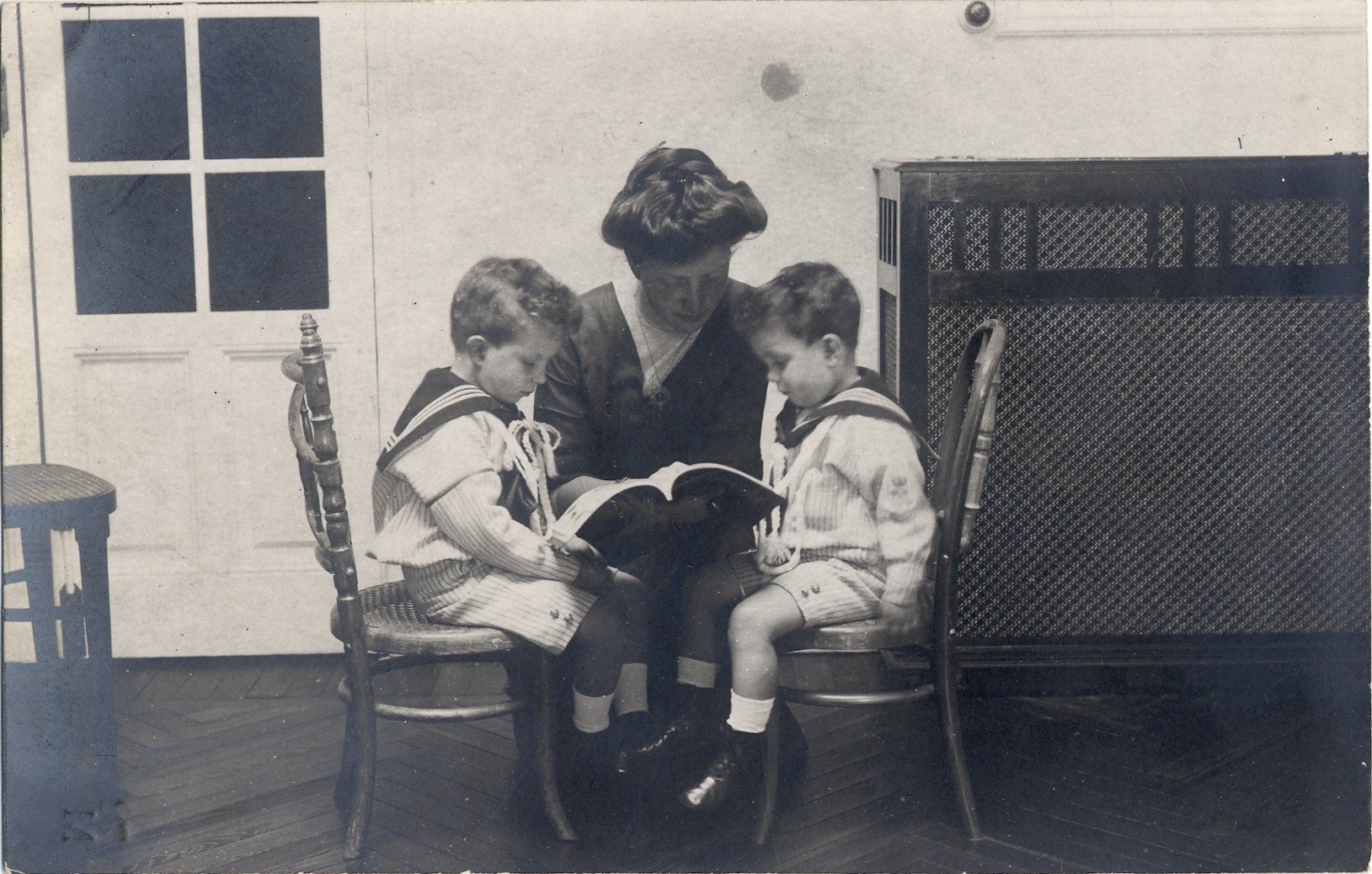
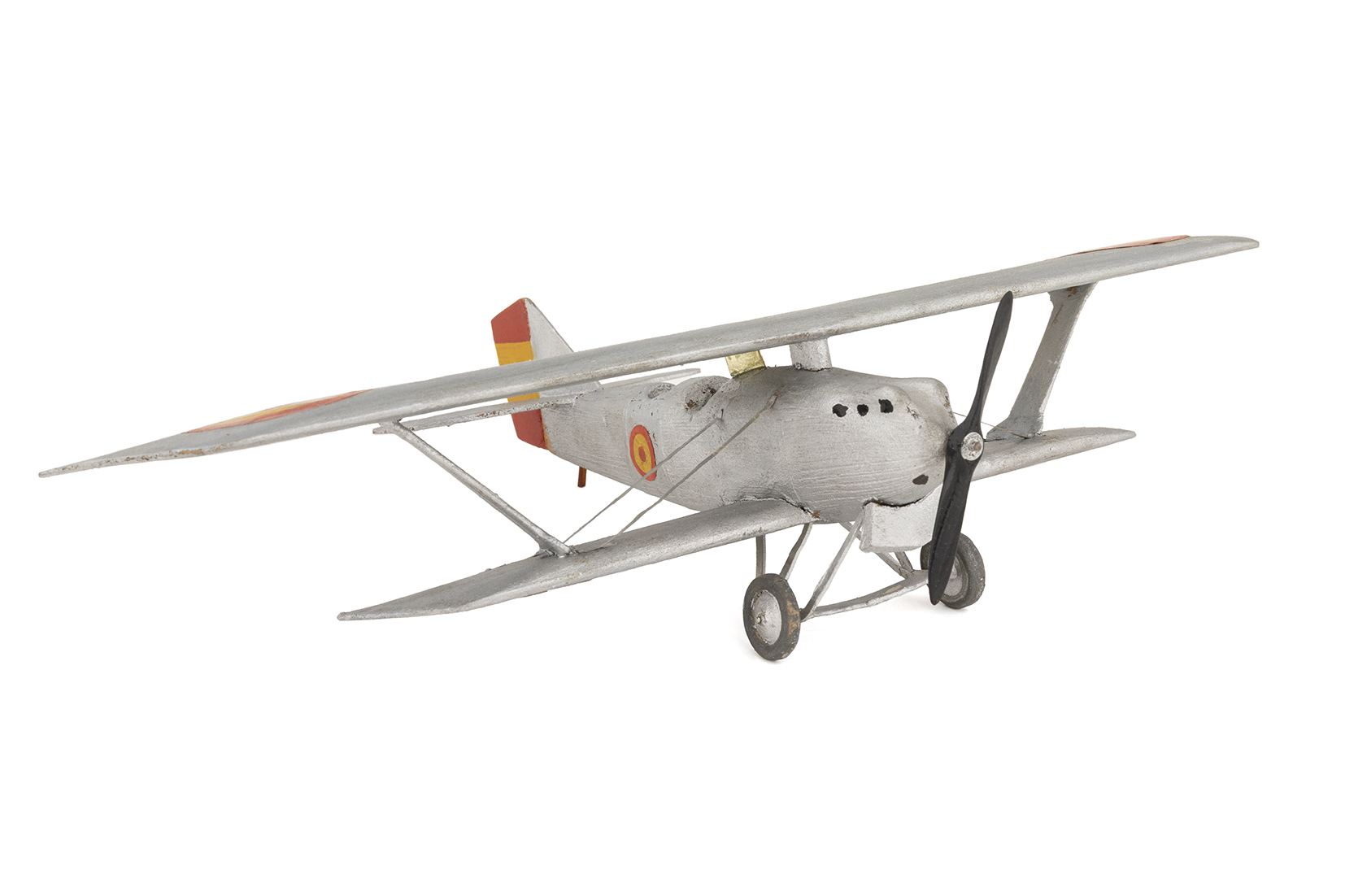
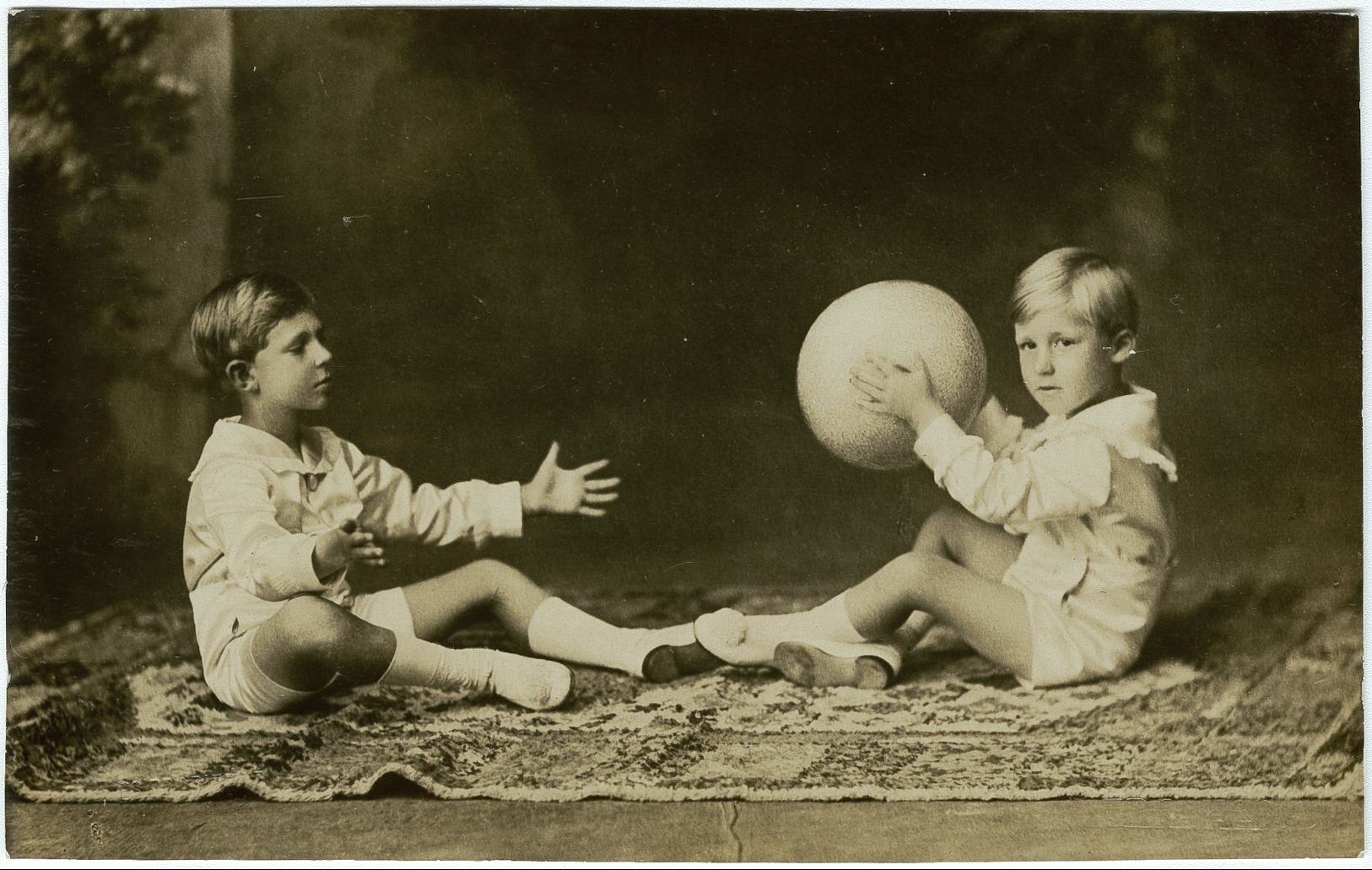
The exhibition Royal Toys brings together objects related to leisure and learning that formed part of the childhood of the Spanish monarchy between the mid-nineteenth century and the first third of the twentieth century. Reconstructing everyday life in past periods is not always easy, especially when it comes to the intimate sphere. However, through photographs, letters, diaries, and the preserved objects themselves, we can draw closer to this world and gain insight into how these items were used.
This exhibition offers the opportunity to discover perhaps little-known pieces from Patrimonio Nacional collections which, as familiar and recognisable objects, provide an accessible gateway to the everyday life of royal childhood.

Buy Tickets
  • Opening Hours

    Monday to Saturday from 10 am to 8 pm. Sundays and Bank Holidays from 10 am to 7 pm.

  • Admission

    Plaza de la Armería: visits the Royal Collection Gallery and temporary exhibitions. 

  • Prices

    • Standard Admission (Gallery and Temporary Exibitions) 14€

    • Admission for temporary exhibitions 8€

What ocurred with to the toys of the Royal Family?

The princes and infantas of Spain who lived in the Royal Palace in Madrid between 1850 and 1931 played with a wide range of toys: dolls, board games, learning games, optical instruments, sports equipment…
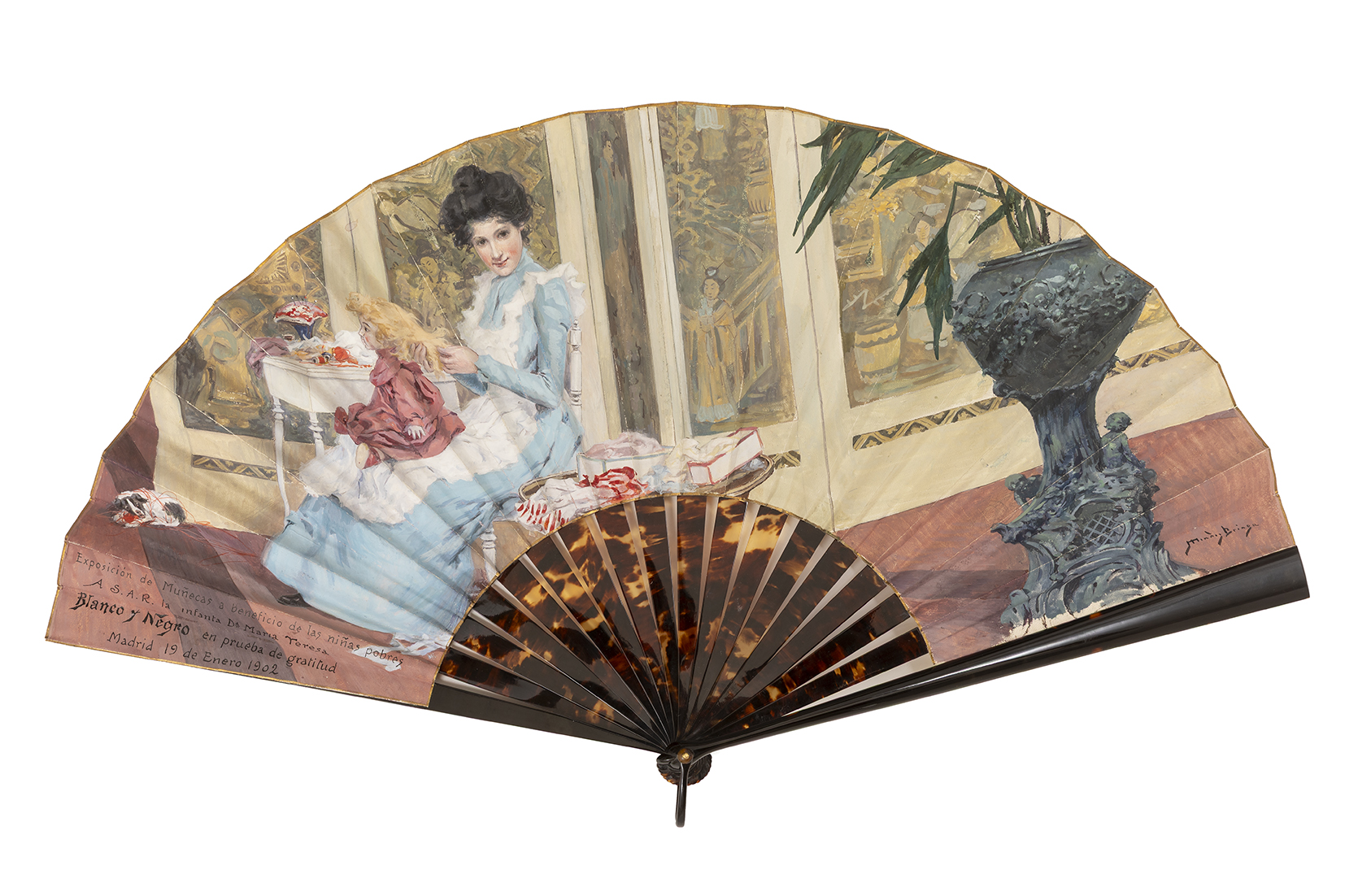
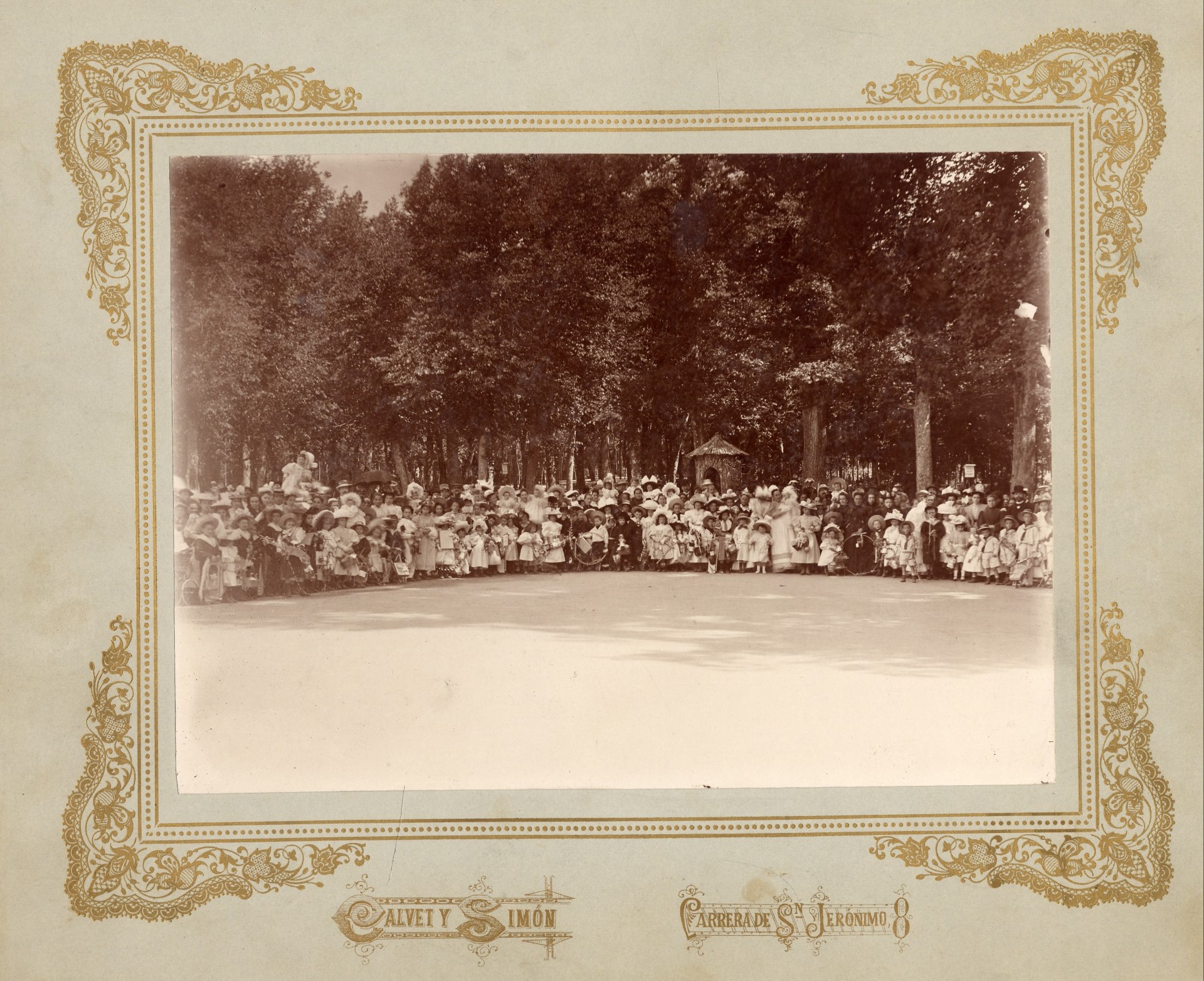
Occasionally, their use transcended the mere act of play. Historical documentation establishes that they were also used in raffles and charity events in which the women of the royal family took on a key role.
When the Second Republic was declared in April of 1931, and King Alfonso XIII (1886 – 1941) and Queen Victoria Eugenia (1887 – 1969) were exiled, some of the toys that belonged to their children and their predecessors were left in the palace’s private rooms and were inventoried. The press of the time noted that these were “few, and not very luxurious.”
The Republican Government decided to preserve a few of the artifacts, “which merited to be moved to a museum.” The rest were offered to Madrid City Hall, which organized a donation on Three Kings Day in 1933 at the Old Royal Stables.
Today, the games and toys that were preserved within the Royal Collections serve as a testimony of this entire history.

The Royal Palace Nursery and its toys

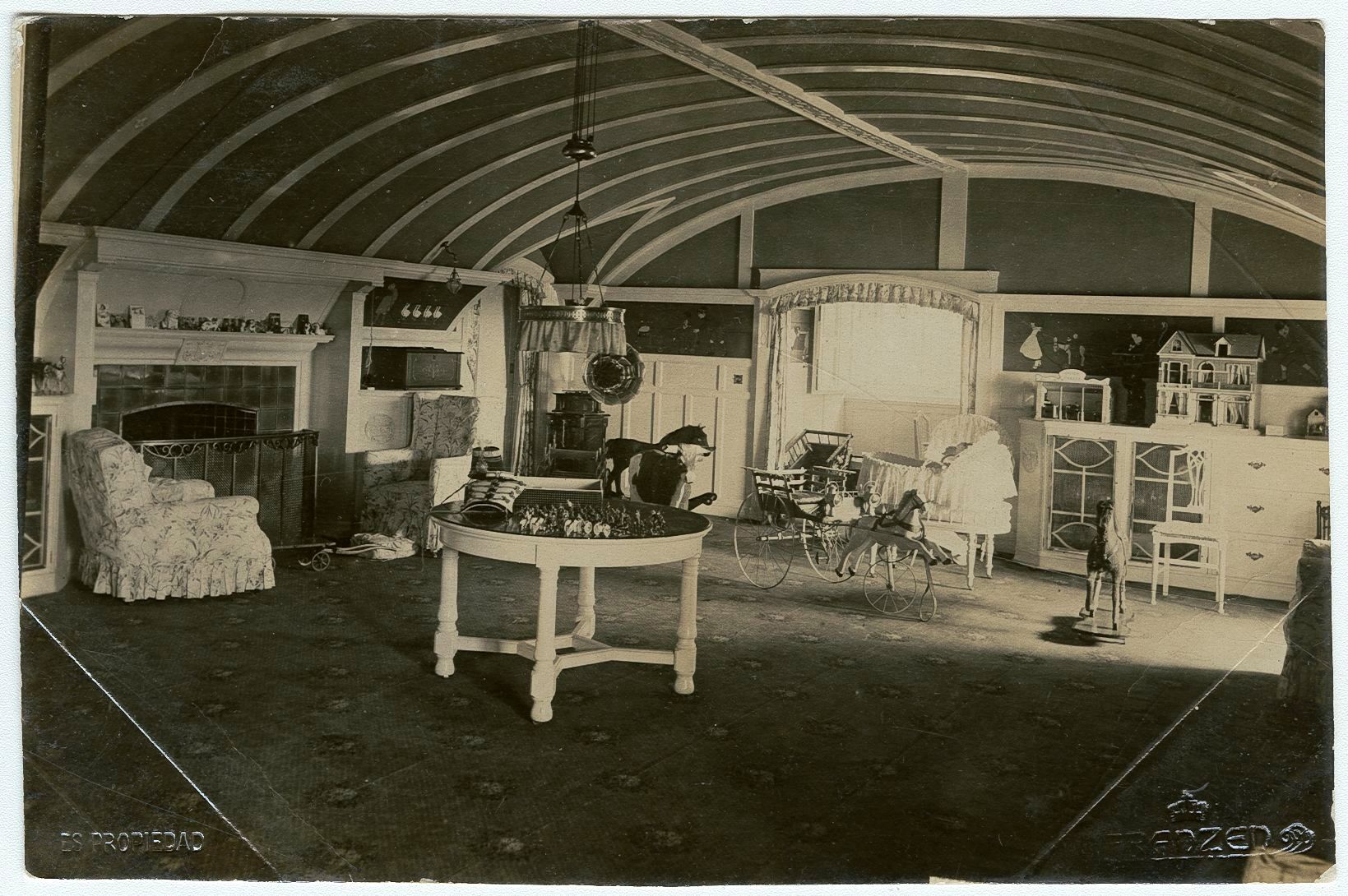
The photographs preserved in the General Archive of the Palace portray the rooms of Alfonso XIII and Victoria Eugenia’s children full of toys. These spaces for children, fitted with white boiseries, wallpaper outlines, and furnished with miniature tables and chairs, are still preserved to this day. They are located
on the mezzanine level of the San Gil Wing, communicating directly with the
rooms of the kings, which occupied the main floor.
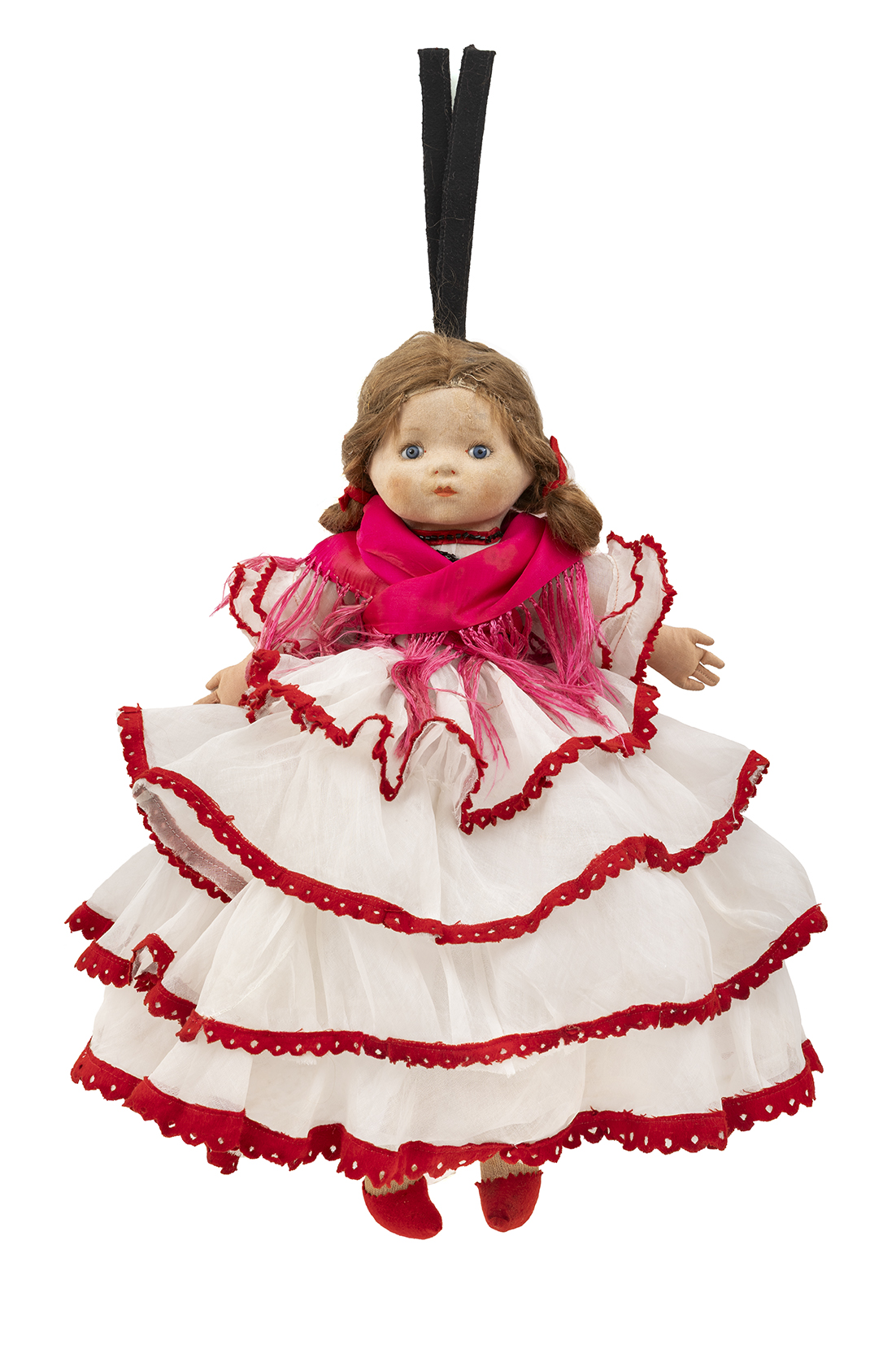
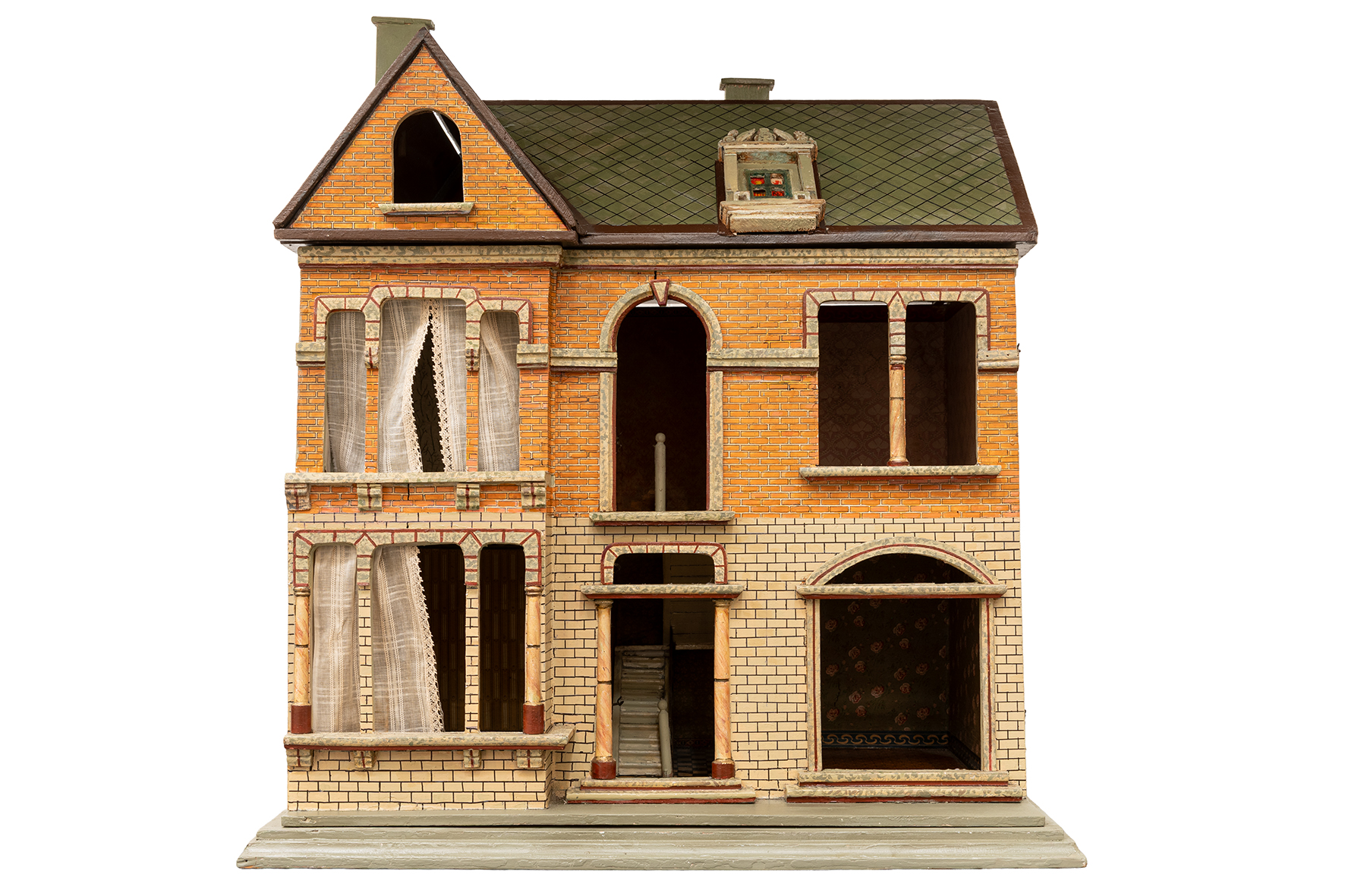
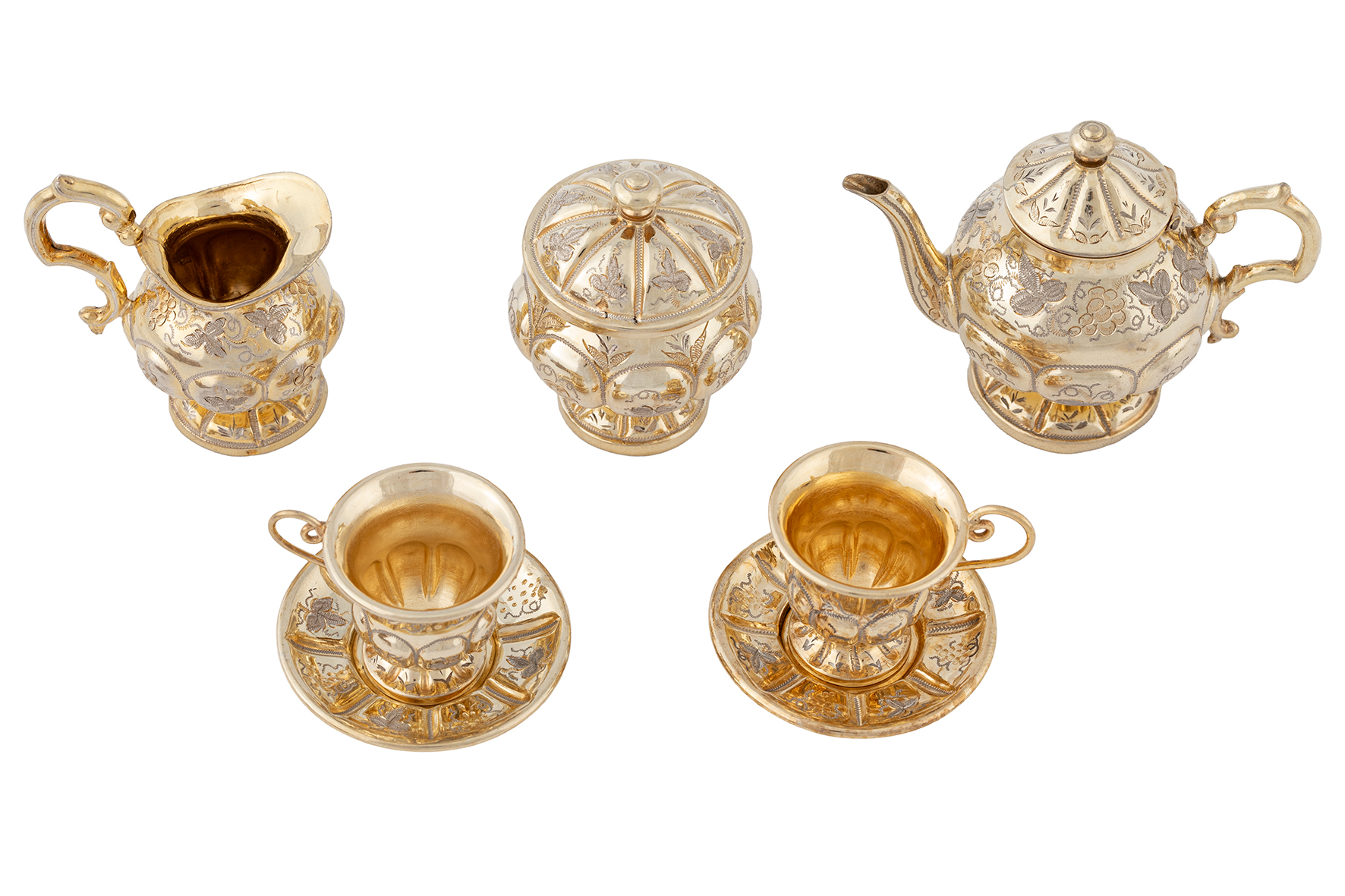
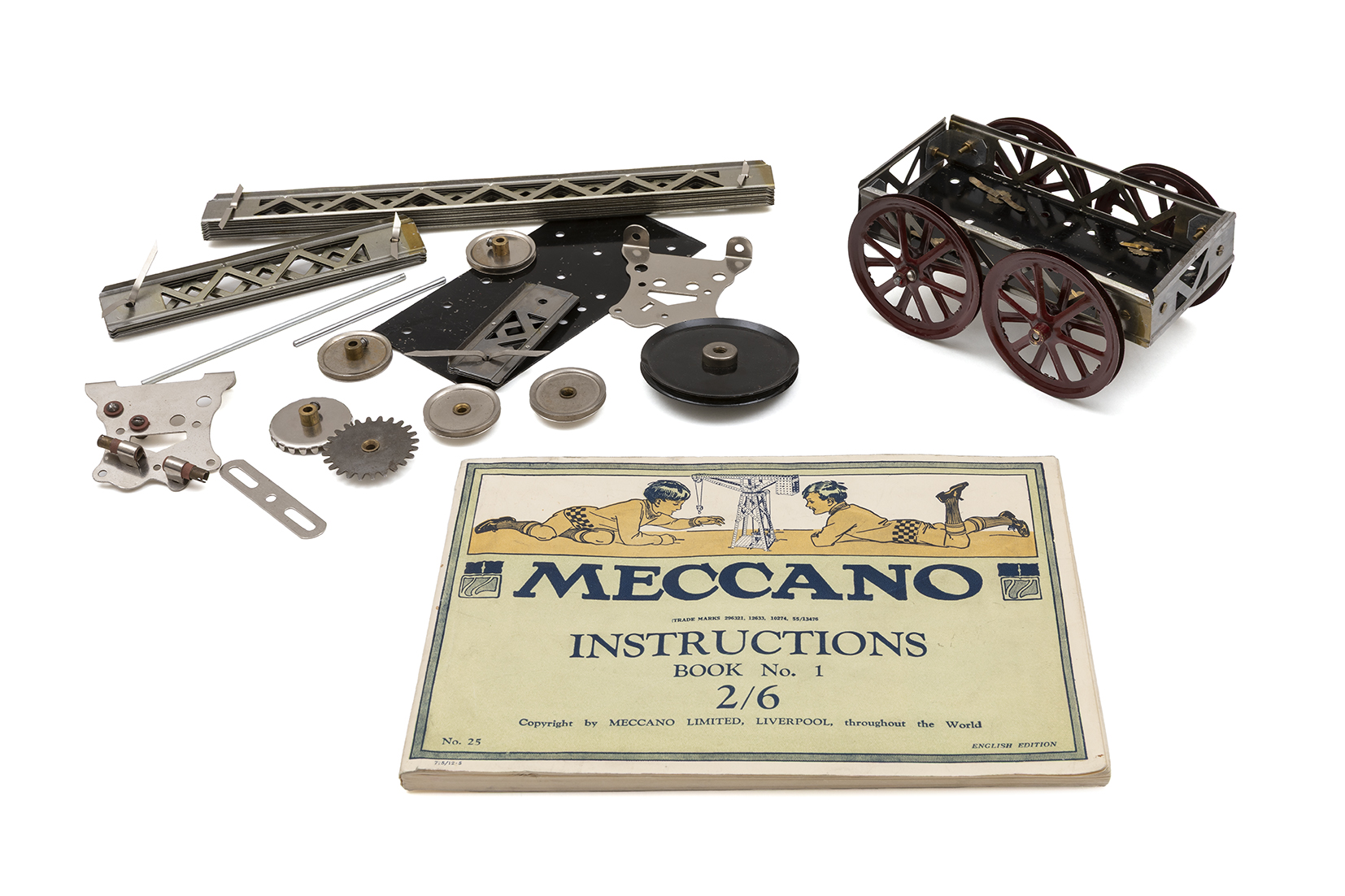
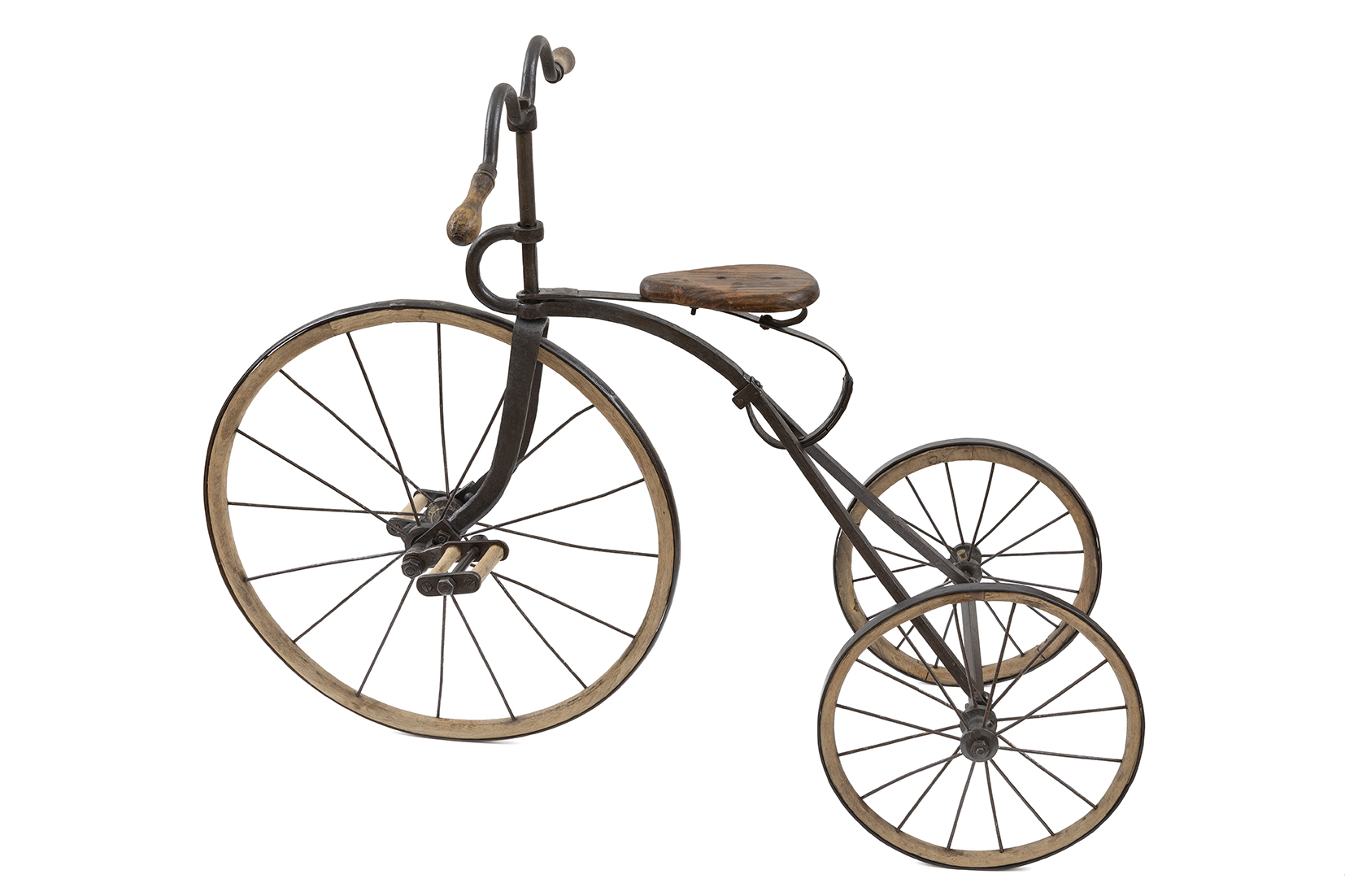
Among the toys found in said photographs one can observe dolls and tea sets, fostering imagination and the preparation for adult life. Meccanos—linked to the development of creativity—are also present, as are walkers and ride-on toys, which help improve motor skills, along with automatons that moved and produced sounds.
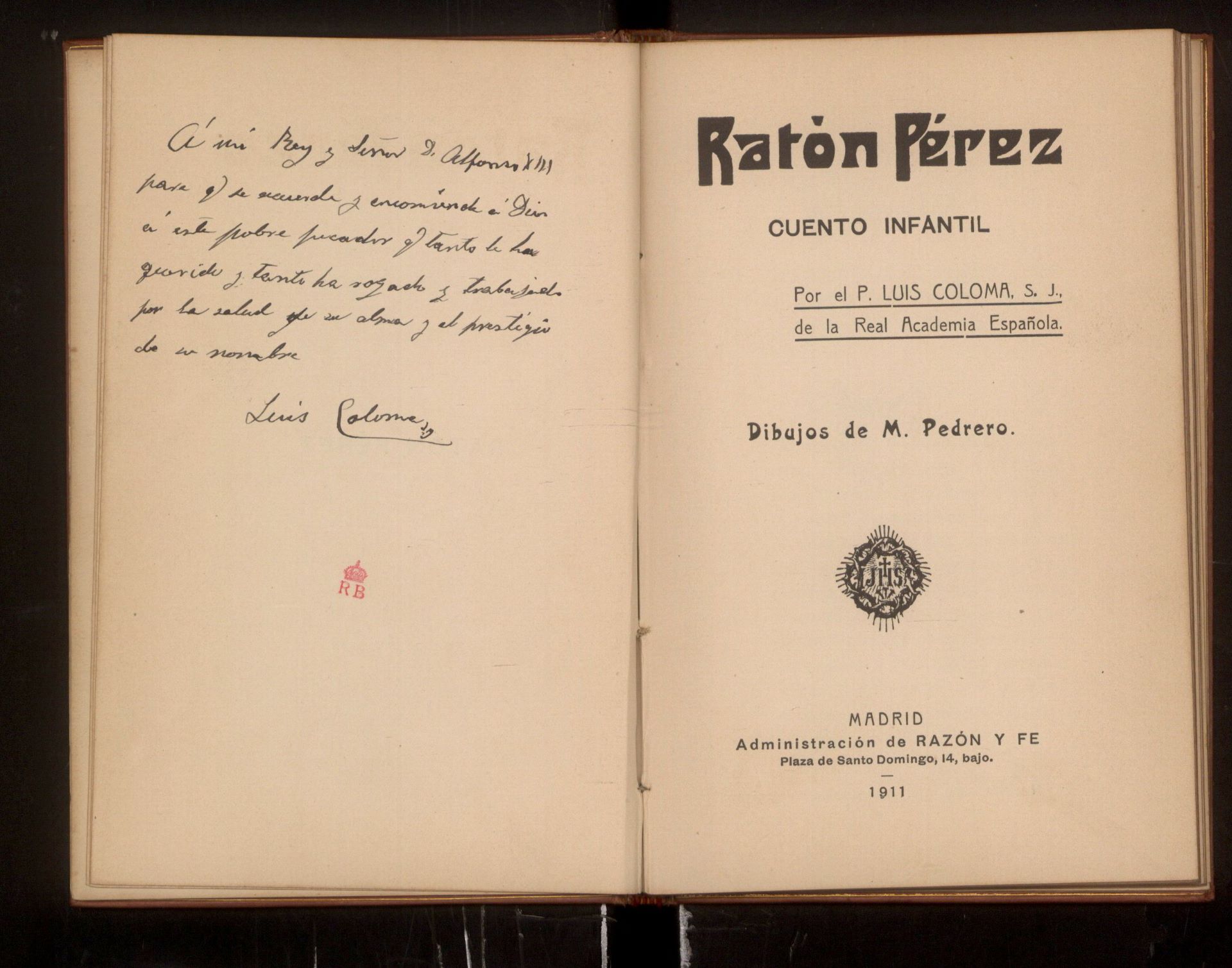
Likewise, children’s books were also available in these rooms, such as the renown Pérez Mouse (a story similar to the tooth fairy) written by Father Luis Coloma (1851 – 1915) and dedicated to a young Alfonso XIII.
Some of these objects were produced or acquired in France and the United Kingdom; others were bought in quincallerías, bazars, and Spanish department stores: Schropp, Juan Medel, and Refrescos Ingleses were establishments that provided games and toys for the royal family.

Playing on the table

Patrimonio Nacional’s collection of games and pastimes is proof of the royal family’s—including infantes and infantas—interest in sitting around a table and spending some time playing with cards and board games during their moments of leisure. This sort of group activity was also used to entertain visitors or during Christmas and other festivities.
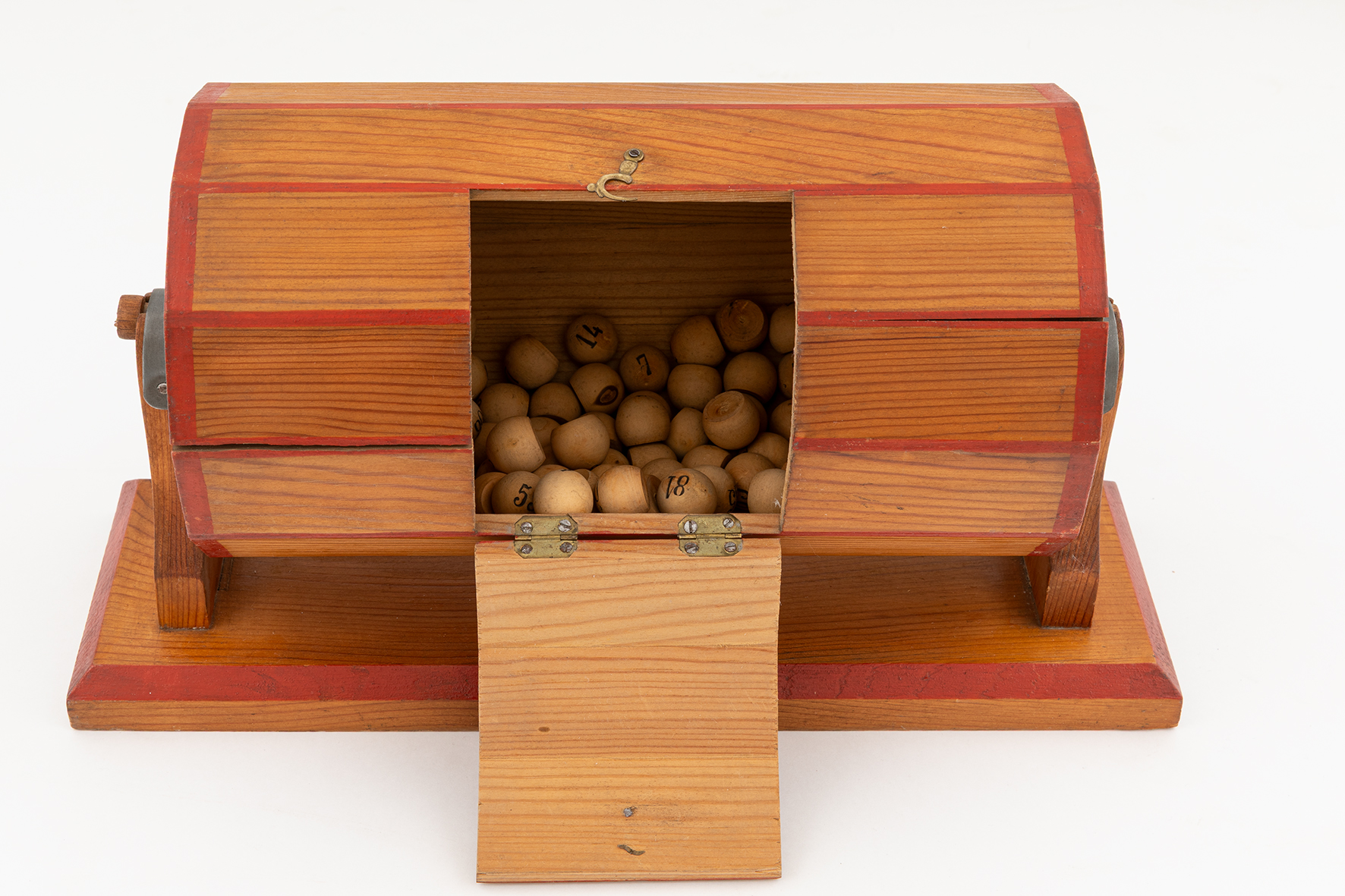
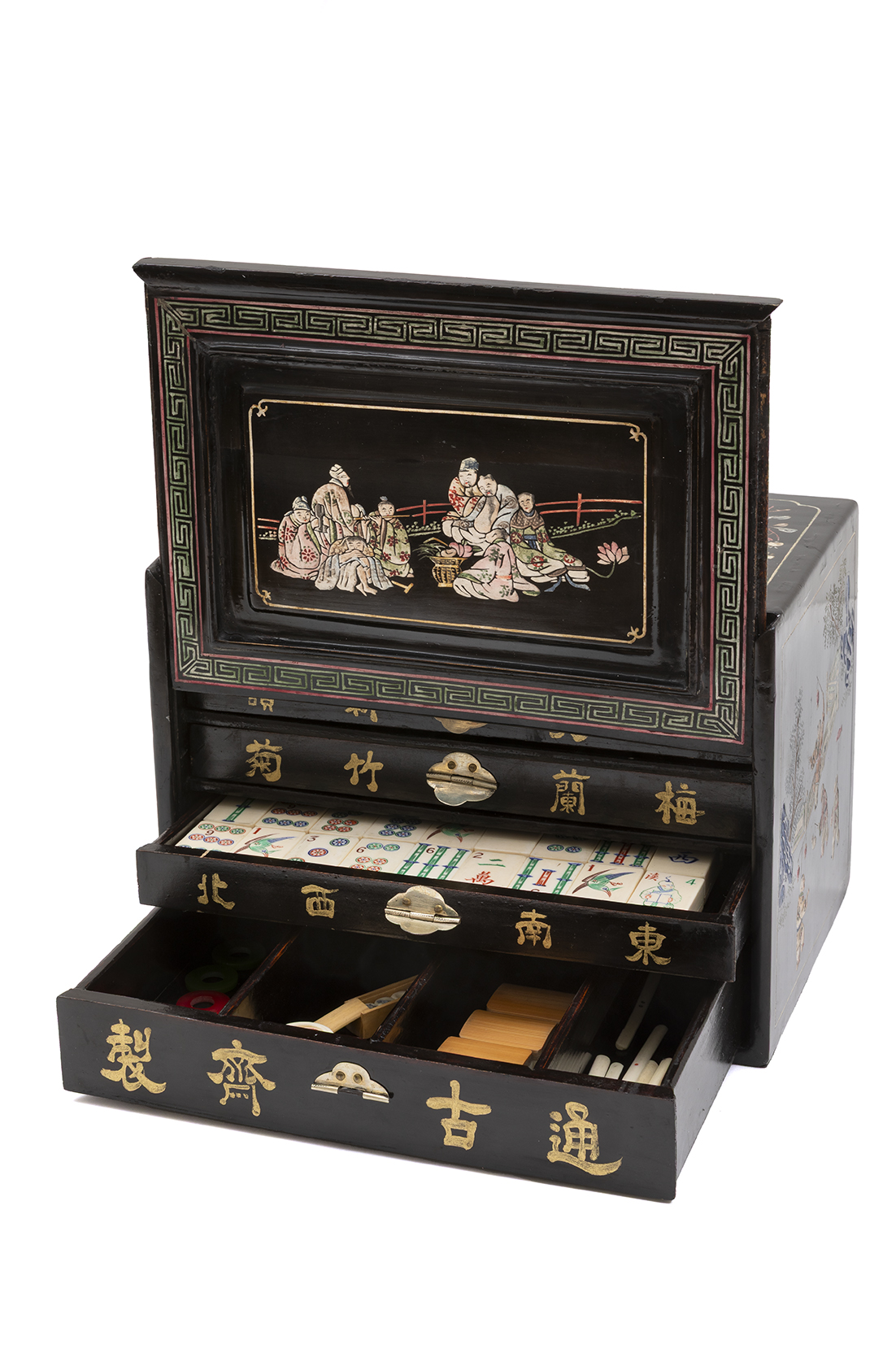
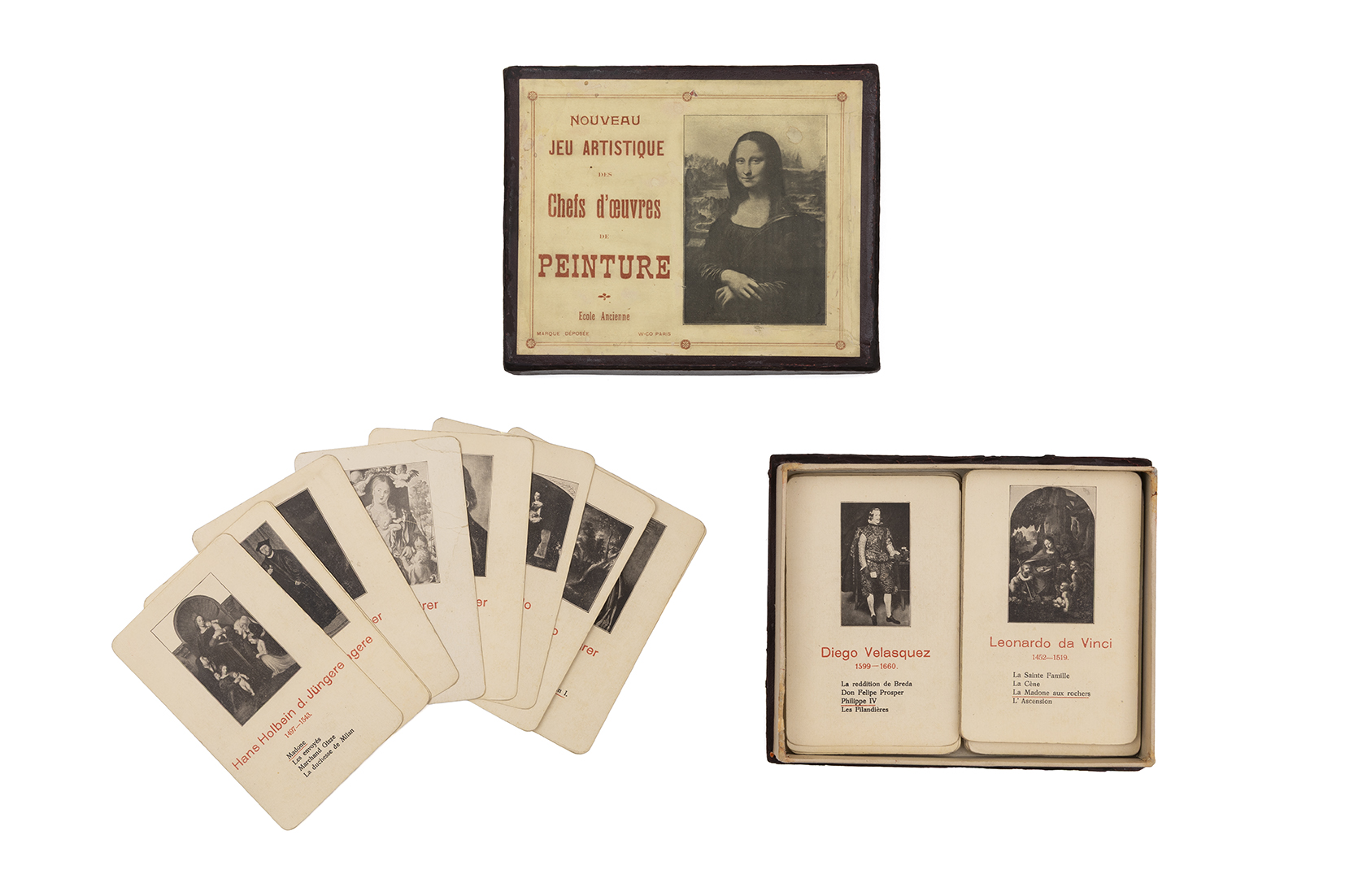
Several examples of popular games with extensive histories are preserved within the collection, namely, chess, checkers, and mahjong sets, a range of card decks—some crafted in a true artistic fashion, including the Nouveau jeu artistique des ches d’ouevres de peinture—and numerous games of chance, like a children’s version of the lottery.
The Royal Collections also includes table-top entertainments that can be enjoyed on one’s own, such as puzzles, occasionally referred to as “games of patience,” the Napoleon and Josephine wooden puzzle being a stand-out example.

Learning through play

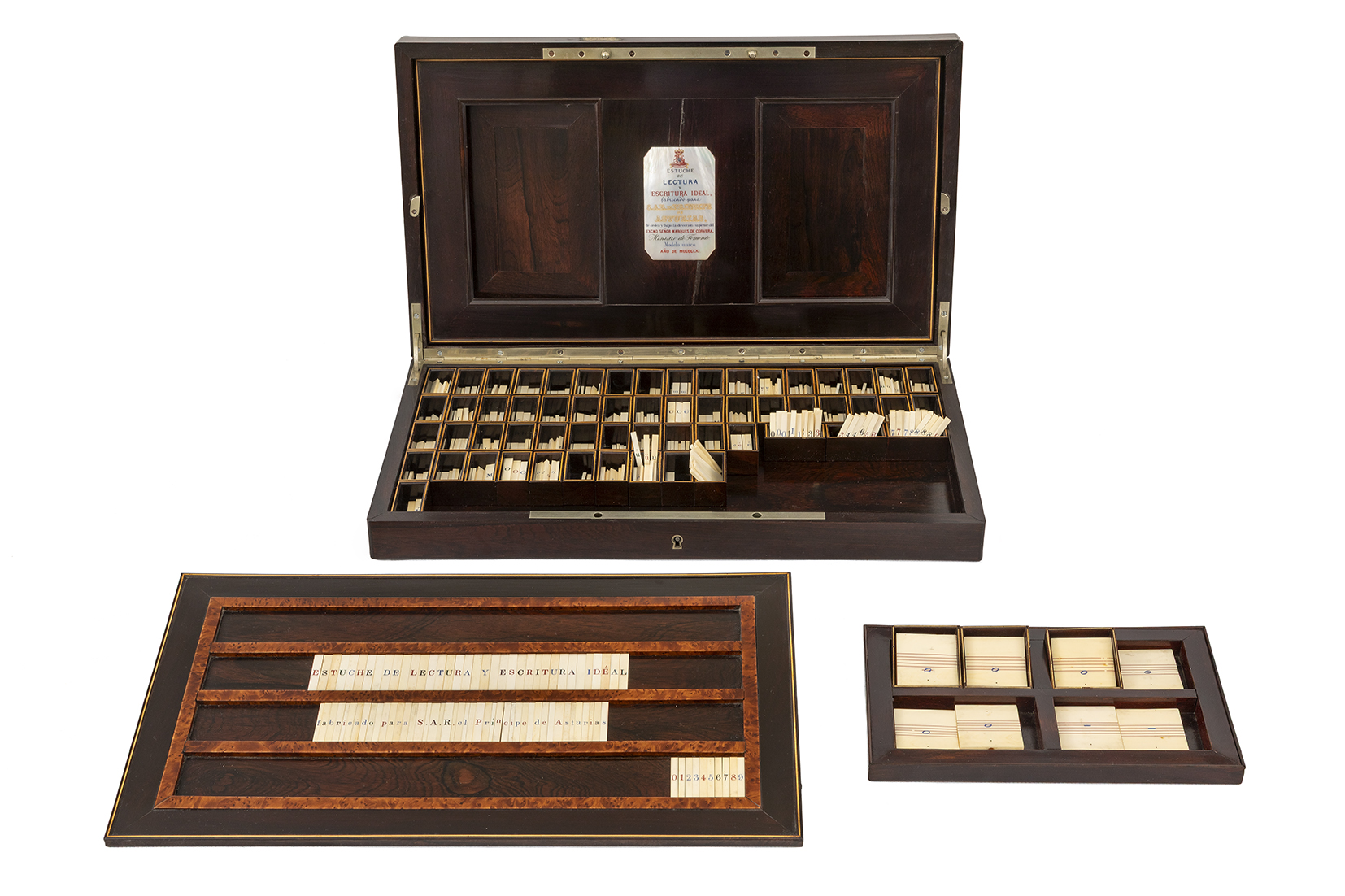
During the second half of the 19th and early 20th centuries, the kings of Spain acquired objects that provided unique models used in the learning process of the youngest members of the royal family in their quest for the best possible education for princes and infantes. Some of them were designed as dynamic hand-held elements that enabled learning through games. An example of this is the educational case designed for future King Alfonso XII (1857 – 1885) or the game Leer jugando (Read while Playing), dedicated to Alfonso XIII by José Roca y Ruscalleda.
It was precisely José Roca y Ruscalleda, the author of several educational resources published in the late 19th century, who noted the ability of games to reinforce education by stating the following: “Are games not the stimuli that most effectively attract our little disciples?”
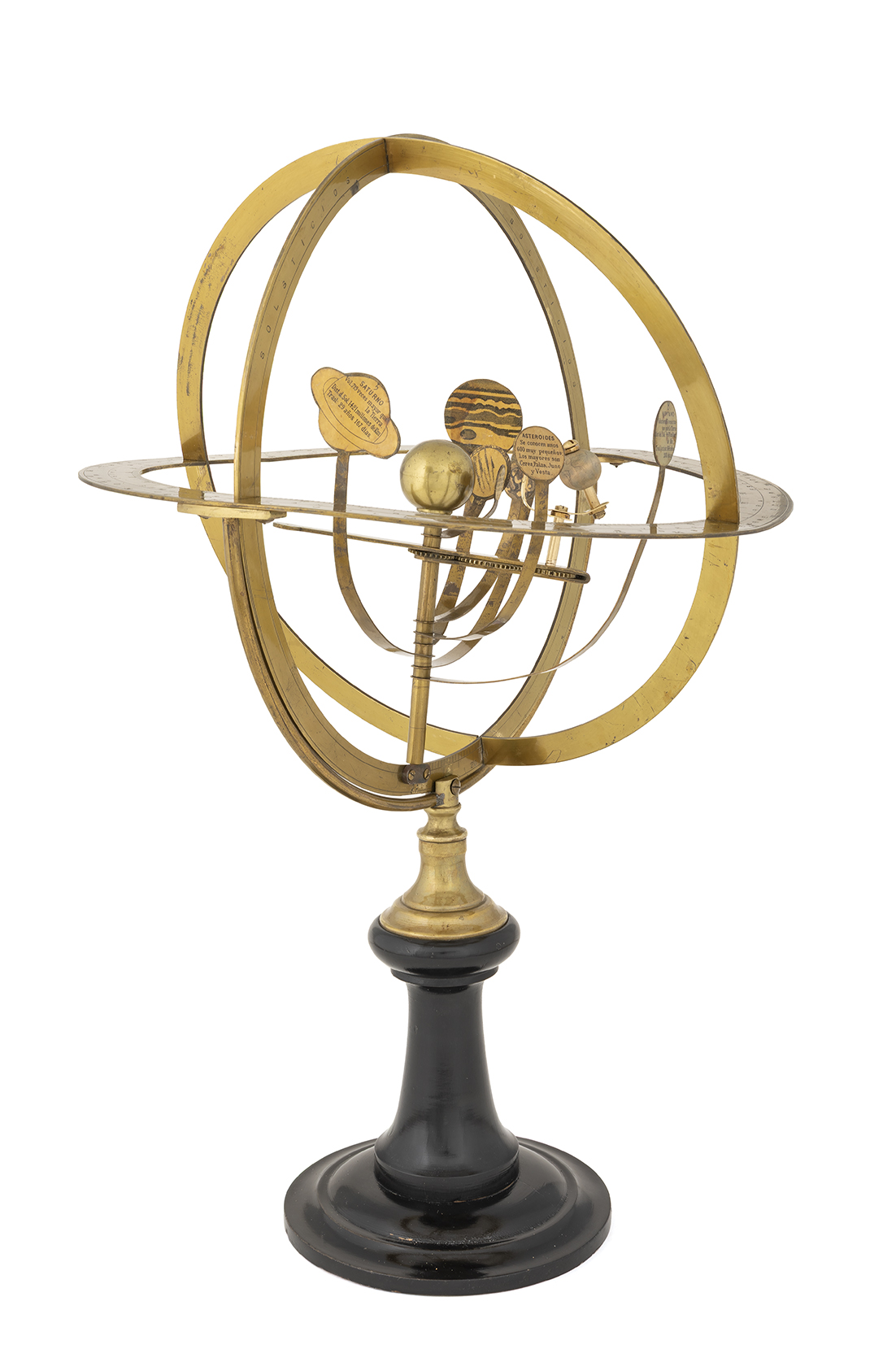
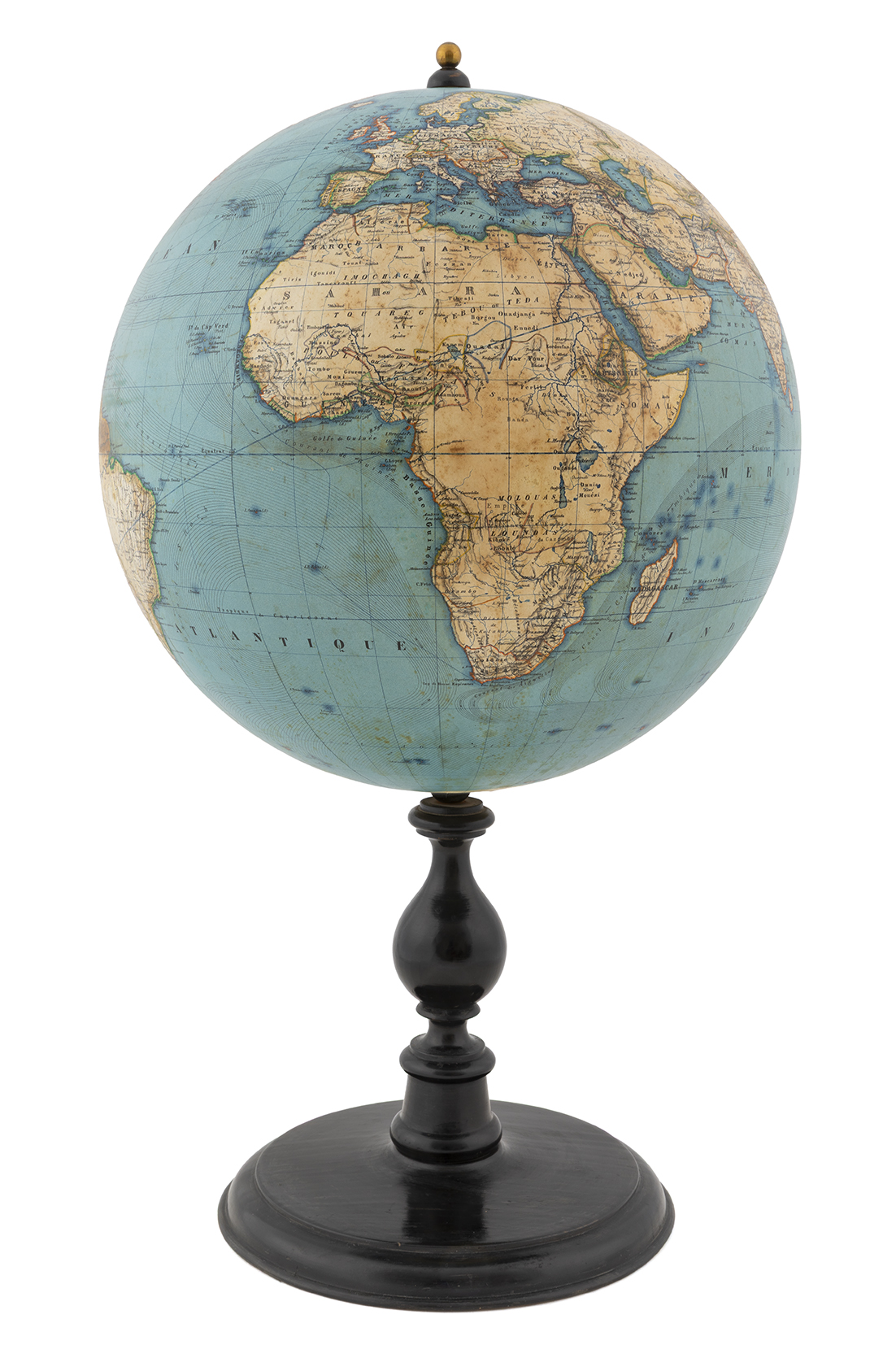
Also noted within the inventory of the 19th century Royal Collections repository are “instructive” objects, such as a game of stereometry for learning geometry, a globe of the world, and an armillary sphere, some of which are on display in this exhibition.

Optical and sound games

A wide range of games relating to optics and sound played an important role in childhood entertainment from the second half of the 19th century onward. The Spanish monarchy was no exception, with some members being interested in optic instruments decades earlier.
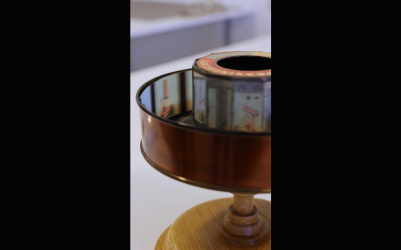
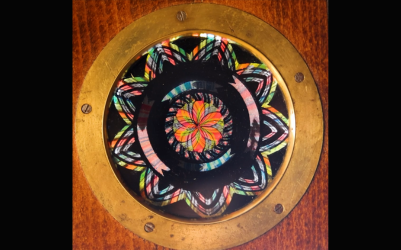
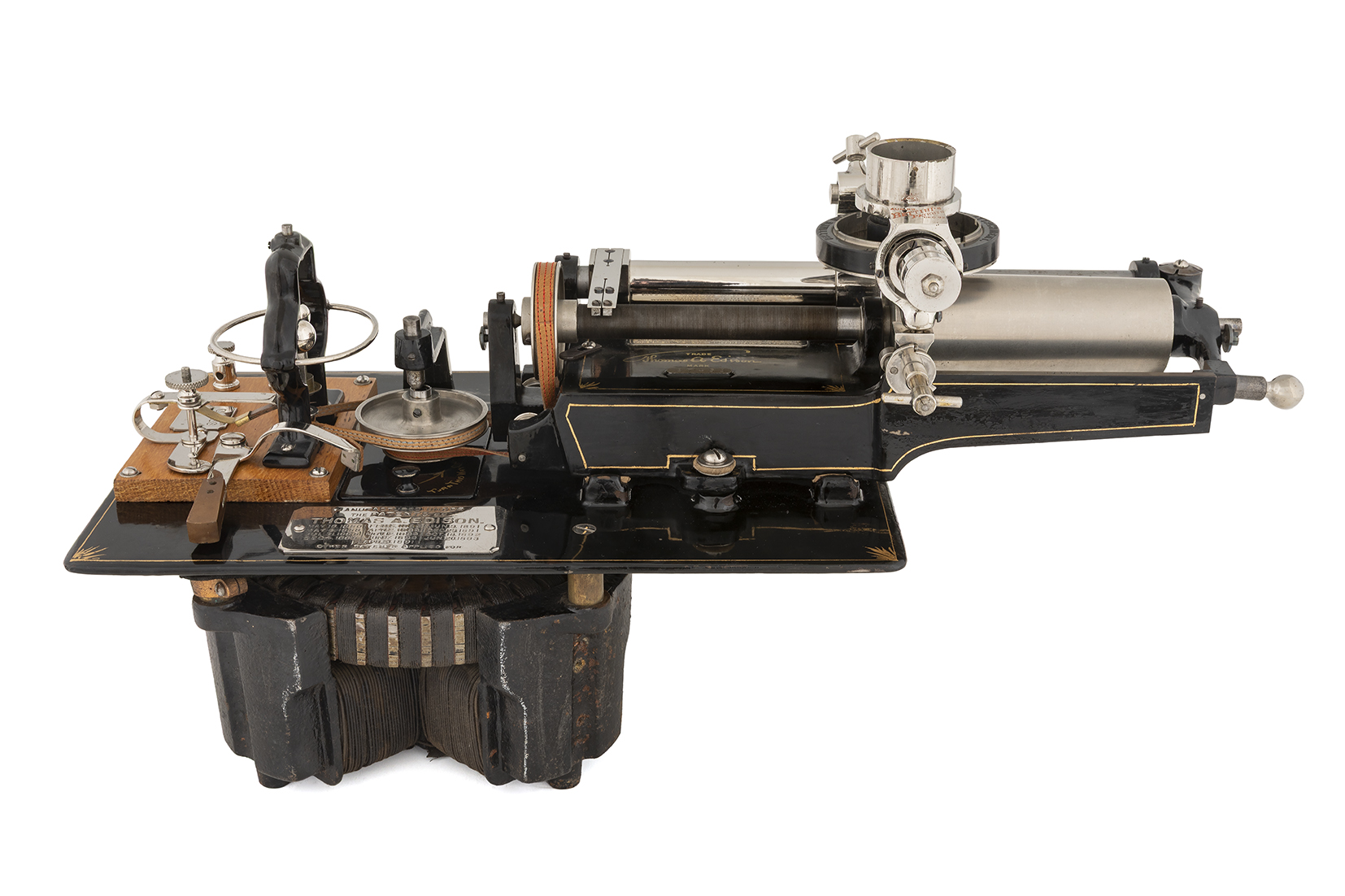
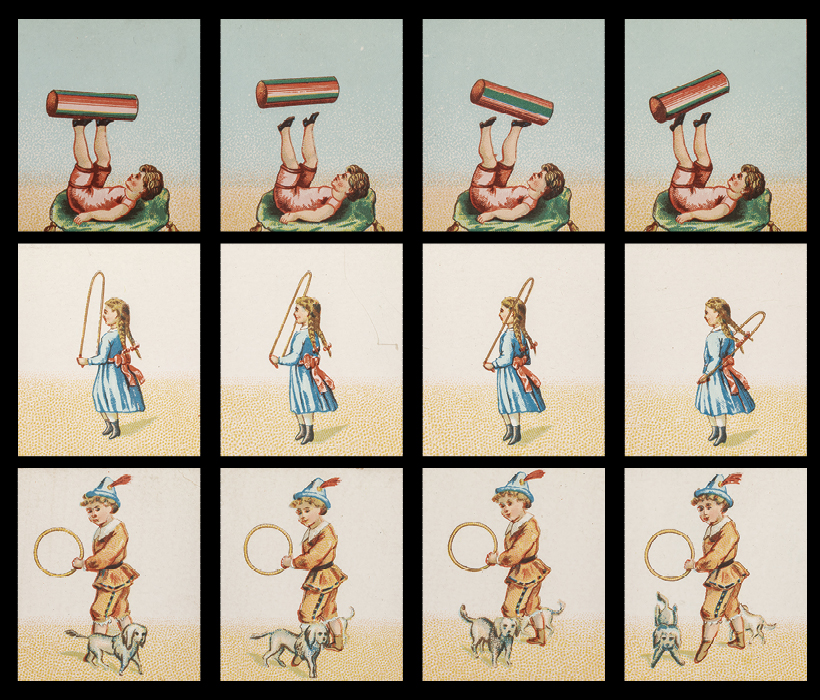
The rise of this type of pastime coincided with the development of research on the “persistence of vision”, based on evidence that images remained on the retina for tenths of a second before disappearing. Thus, if several images move within one second, the persistence of vision allows the brain to perceive this as movement.
This is the premise that a number of objects preserved at the Royal Collections follow, such as the praxinoscope. Precursors of cinema, these objects were used in dark rooms with a single light source, creating theatrical and evocative environments accompanied by music and sound that delighted the children.
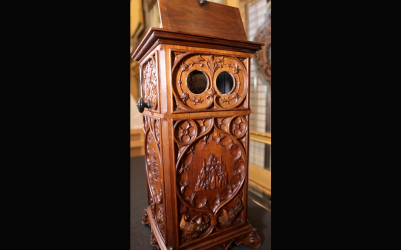
Along with the praxinoscopes and magical lanterns, other devices included in this exhibition, such as the stereoscope, would allow for the creation of three-dimensional scenes, generated by means of two images taken with a slight deviation.
Junto a praxinoscopios y linternas mágicas, otros ingenios que se muestran en esta exposición, como el estereoscopio, permitían crear la apariencia de tridimensionalidad en una imagen que en realidad son dos, tomadas con ligera desviación.

Outdoor entertainment

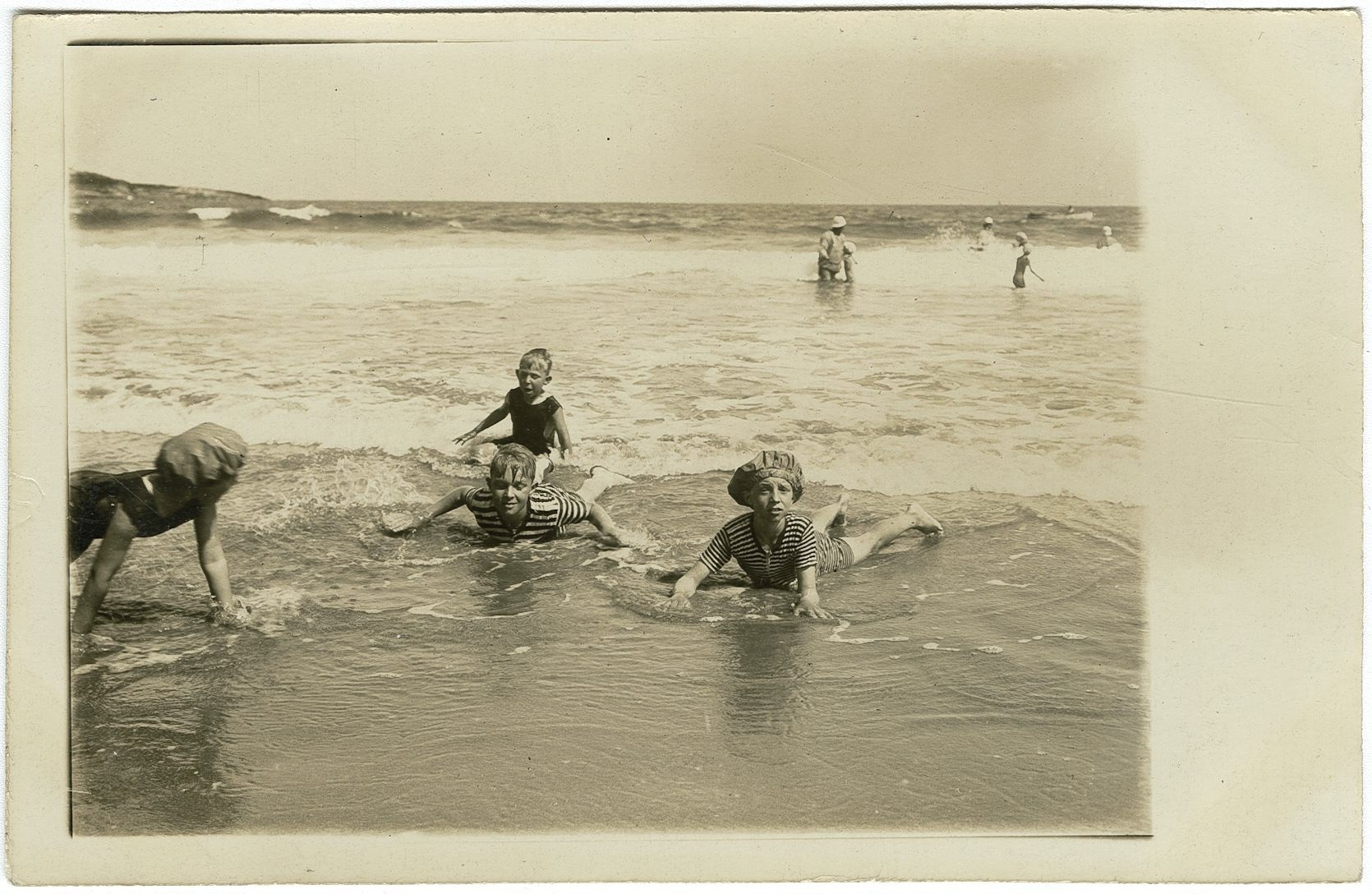
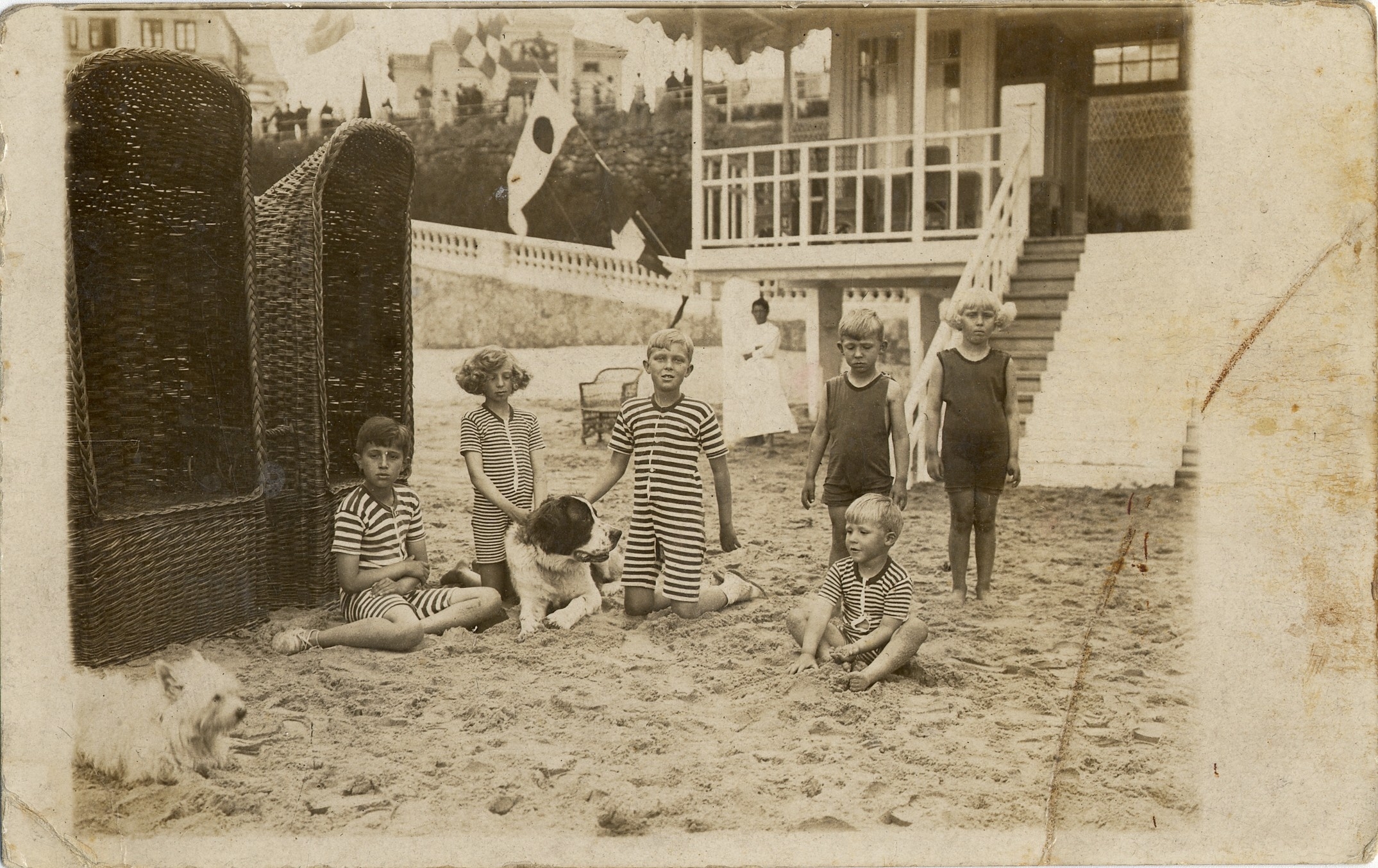
The green spaces that surround the Royal Sites were often the backdrop for outdoor entertainment aimed at the youngest members of the royal family. Likewise, from the late 19th century, the royal family organized retreats to the north of Spain; to the palaces of Miramar (Donostia-San Sebastián), from 1893, and to La Magdalena (Santander), from 1913, which also furnished the possibility of engaging in seaside activities. The photographs taken at beaches such as La Concha and El Sardinero are proof that princes and infantes enjoyed “bathing in the waves” and playing in the sand.
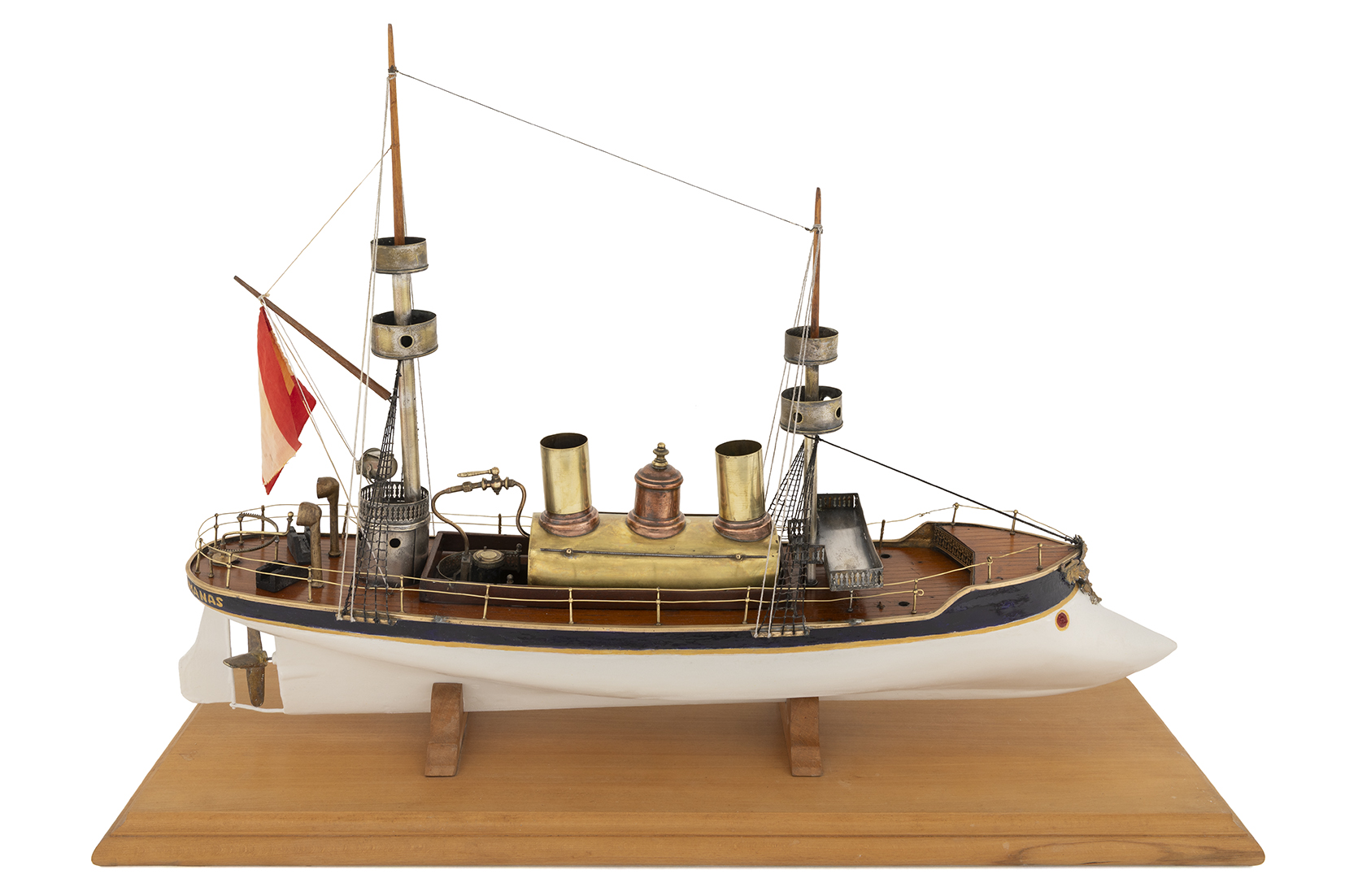
Queen Victoria Eugenia, who was educated in the British Court and was convinced of the benefits of sports, implemented a routine of physical exercise for her children through cycling, tennis, and ice skating. Numerous sporting equipment items are preserved within the Royal Collections, such as skates, tennis rackets, and mechanical contraptions, including toy steam boats that were used to play in ponds, like the one in Campo del Moro.
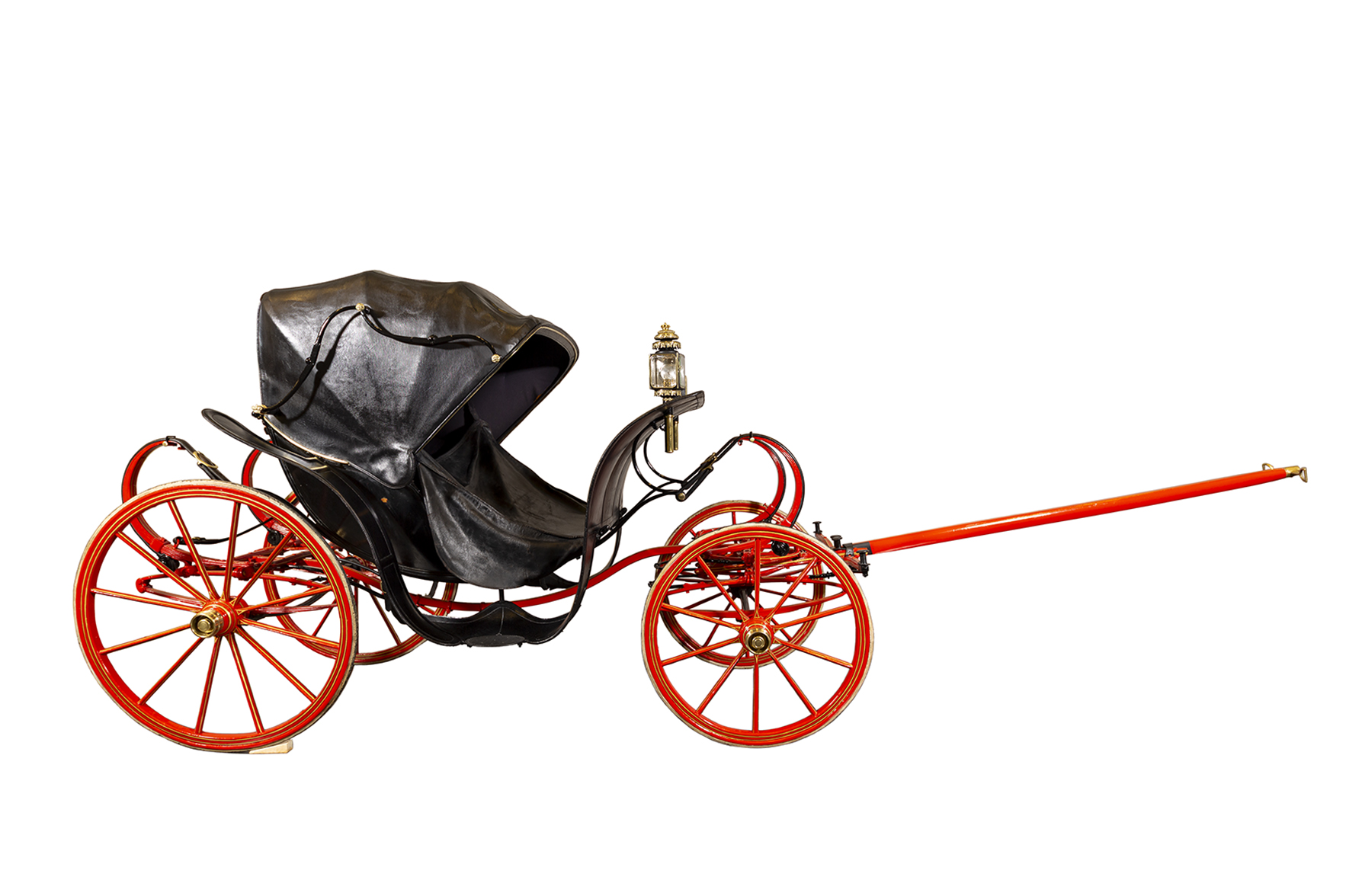
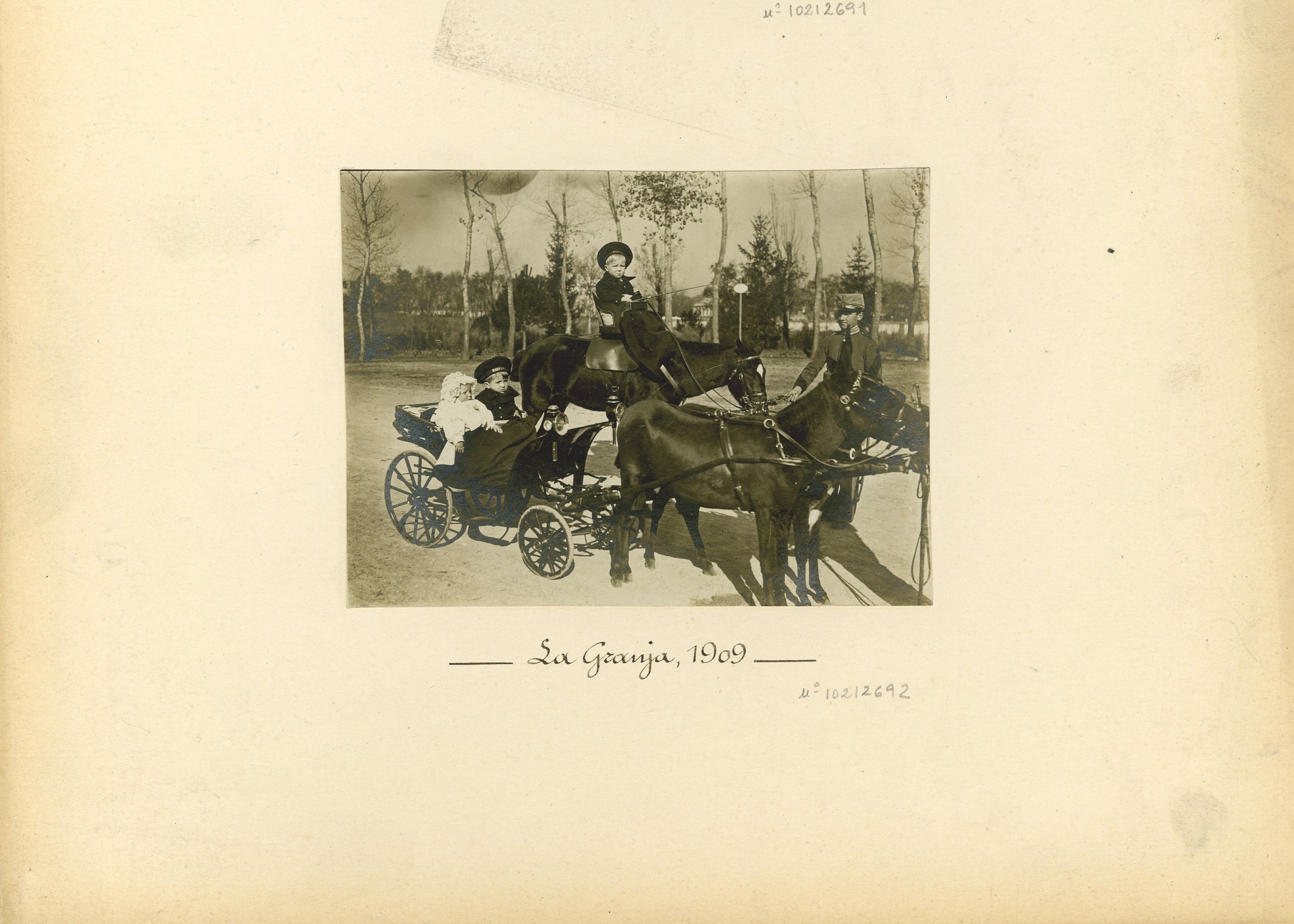
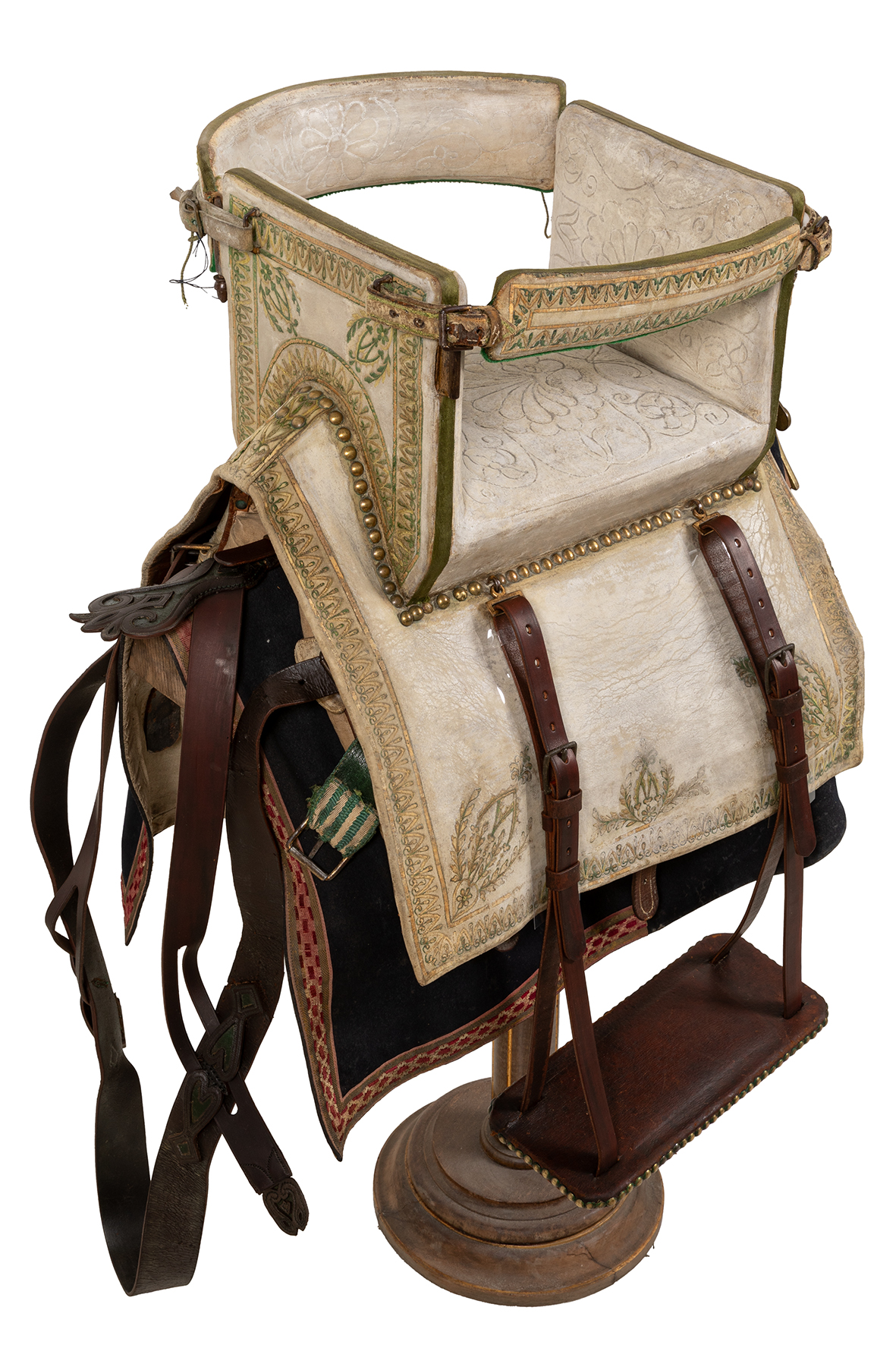
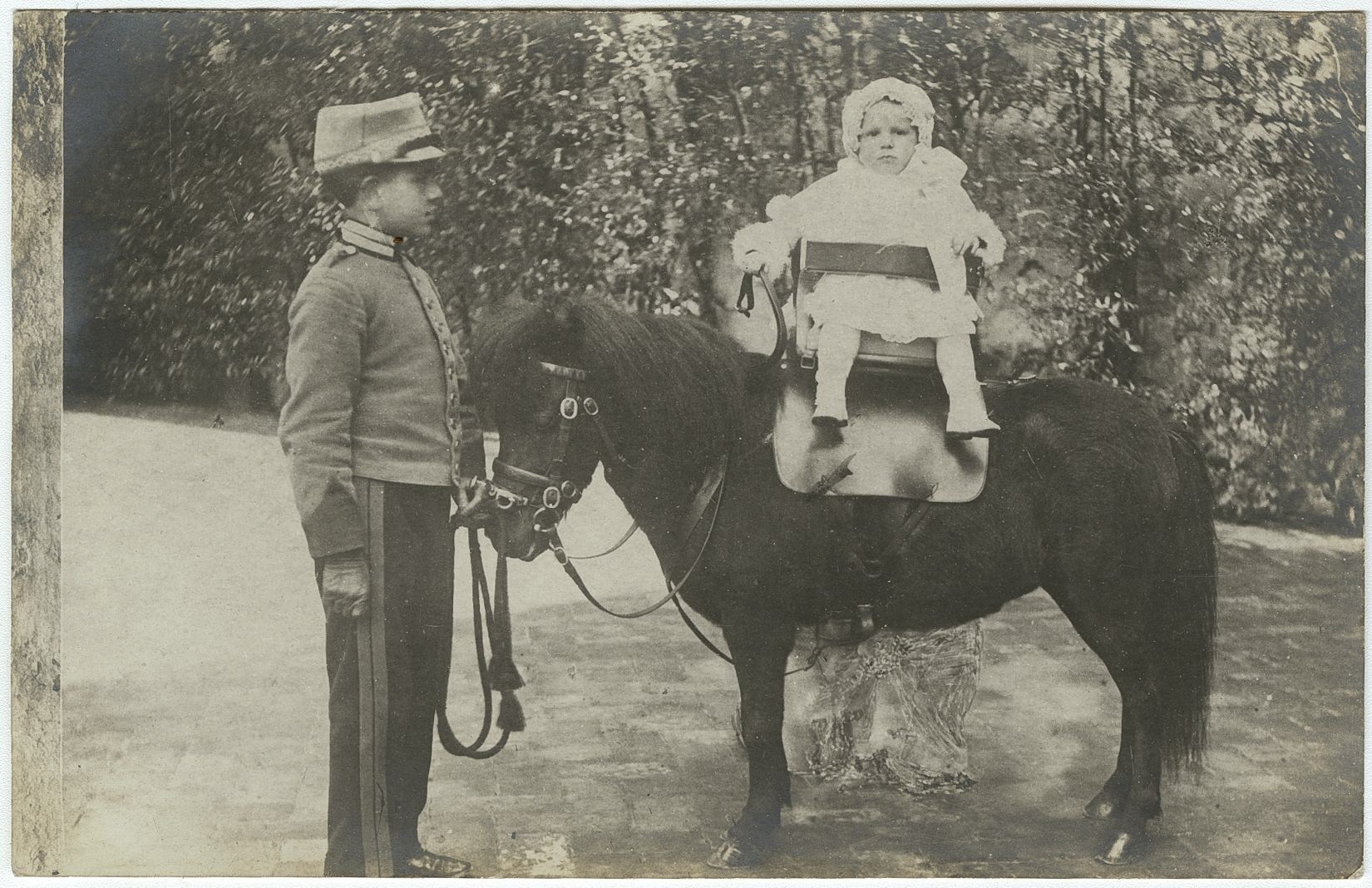
The equine world also played an important role in the development of the children of the royal family; proof of which is Isabel II’s saddle, and the horse listings of infantas Beatriz (1909 – 2002) and María Cristina (1911 – 1996), detailing the names of their mares and horses.

Authors and Collectors

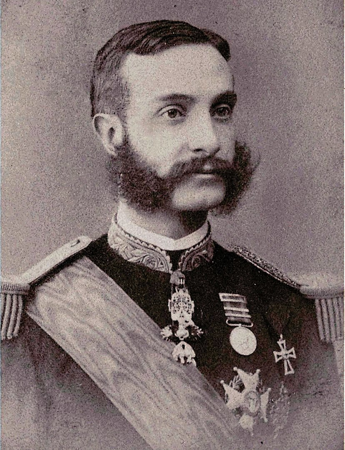
Alfonso XII
Monarch

Alfonso XII

(Madrid, 1857 - Madrid, 1885)

The sixth of ten children born to Queen Isabella II (1830-1904) and her husband and King consort Francisco de Asís (1822-1902), the future Alfonso XII was first educated by the Marquess of Alcañices, then head of the Prince's Chamber. In 1865, the responsibility of his education was given to the Count of Ezpeleta. That same year, General Álvarez Osorio was appointed his head of studies; Canon Cayetano Fernández, his professor of religion, later succeeded by the Archbishop of Burgos; and Bernardo Uribarri, Isidro Losa and Guillermo Morphy were appointed his Gentlemen of the Bedchamber. 

After the Revolution of September 1868, and the royal family’s exile in France, Prince Alfonso studied for a year at the Collège Stanislas in Paris....
Read more
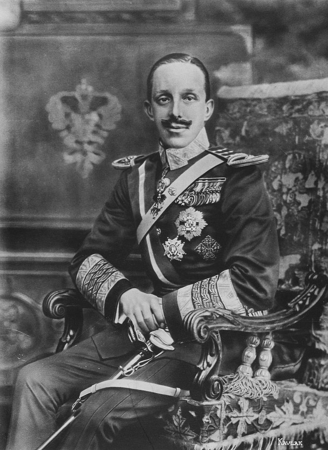
Alfonso XIII
Monarch

Alfonso XIII

(Madrid, 1886 - Roma (Italia), 1941)

The last of three sons born to Alfonso XII (1857-1885) and his second wife, the Archduchess Maria Christina of Austria (1858-1929), Alfonso XIII was King at birth, due to his father's death on 25th November 1885. His mother, Queen Maria Christina ruled as Regent of Spain until 1902. The education of the child King was supervised by General Sanchiz and he was placed in the charge of, among others, the Jesuit priest José Fernández Montaña and the prestigious jurist Vicente Santamaría Paredes, who was his teacher of Constitutional Law. The King was proclaimed of age after he swore allegiance to the Constitution on 17th May 1902.On 31st May 1906, he was married to Princess Victoria Eugenie of Battenberg (1887-1969),...
Read more
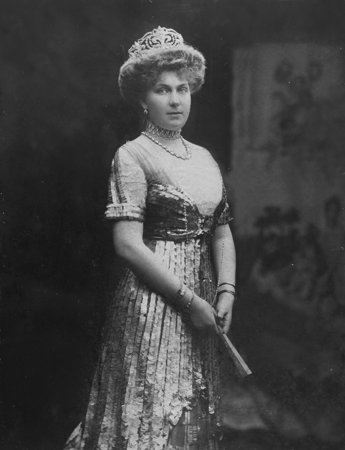
Victoria Eugenie of Battenberg
Monarch

Victoria Eugenie of Battenberg

(Castillo de Balmoral (Reino Unido), 1887 - Lausana (Suiza), 1969)

The second of four children born to Prince Henry of Battenberg (1858-1896) and Princess Beatrice of the United Kingdom (1857-1944), Victoria Eugenie of Battenberg was the youngest granddaughter of Queen Victoria I of England (1819-1901). She was educated at the British court during the last years of her grandmother’s reign. Called Ena by her family, after the last of her baptismal names, she met Alfonso XIII (1886-1941) during his state visit to England in June 1905. Months later, her engagement to the King was officially announced in January 1906. Shortly before the wedding, Victoria Eugenie of Battenberg renounced her Anglican faith and converted to Catholicism. The royal wedding was celebrated at the Church of San Jerónimo in Madrid on 31st May...
Read more

Organised by: Patrimonio Nacional

Curator: Esther Lázaro Dapena

Coordinator: Miriam Estrada Maestre

Museographic Design: Mónica Boromello

Museographic Installation: Ovejero Sequeiro S.L

Related resources

Guía didáctica para familias

Guía didáctica para familias