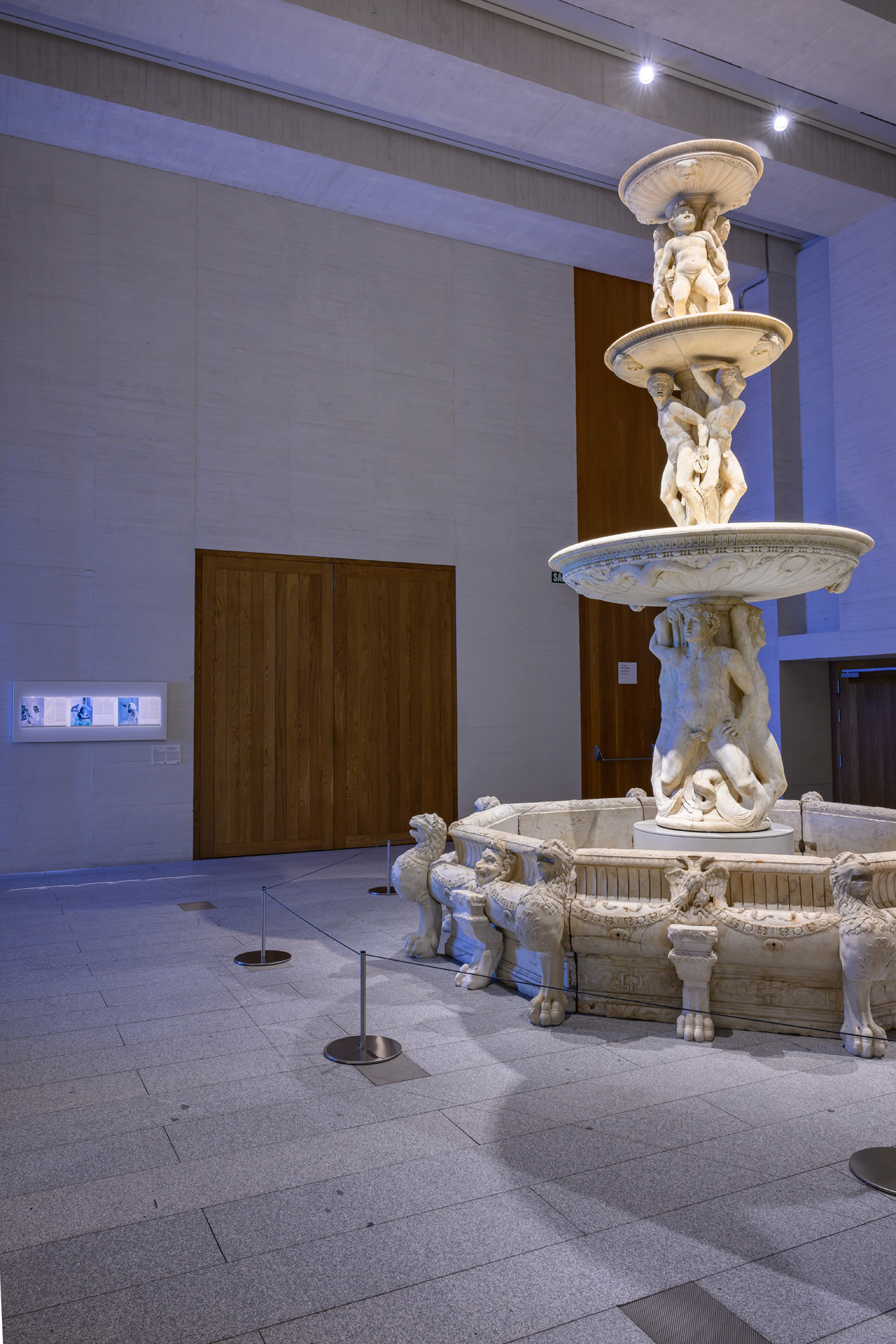
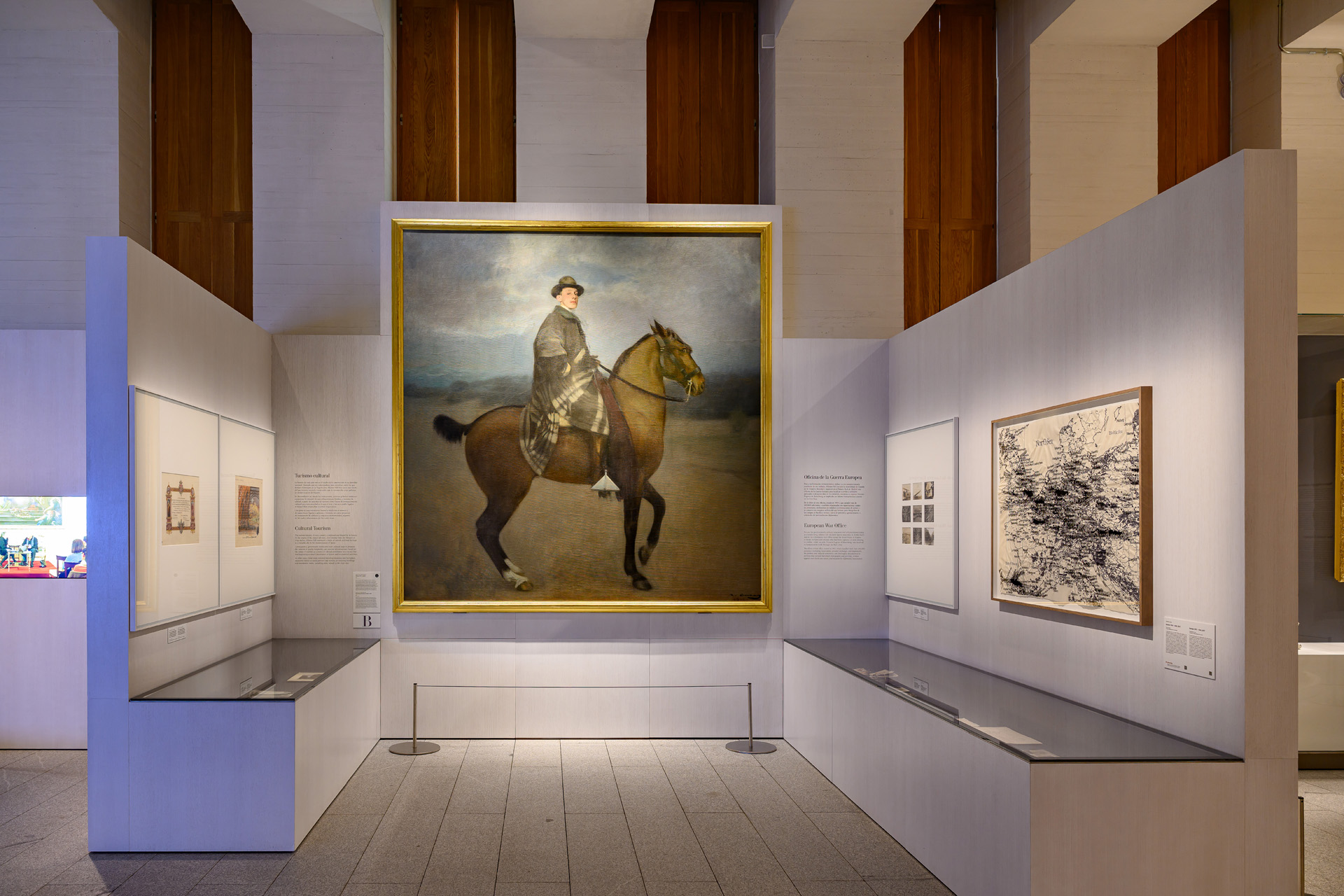
Alterations takes a new look at the collections and spaces of the Royal Collections Gallery from the perspective of contemporary art. Designed to encourage a dialogue and highlight the mutual feedback mechanism between the historical collections and modern creativity, the show invites audiences to discover different artistic proposals that help to expand modes of presentation and narratives.
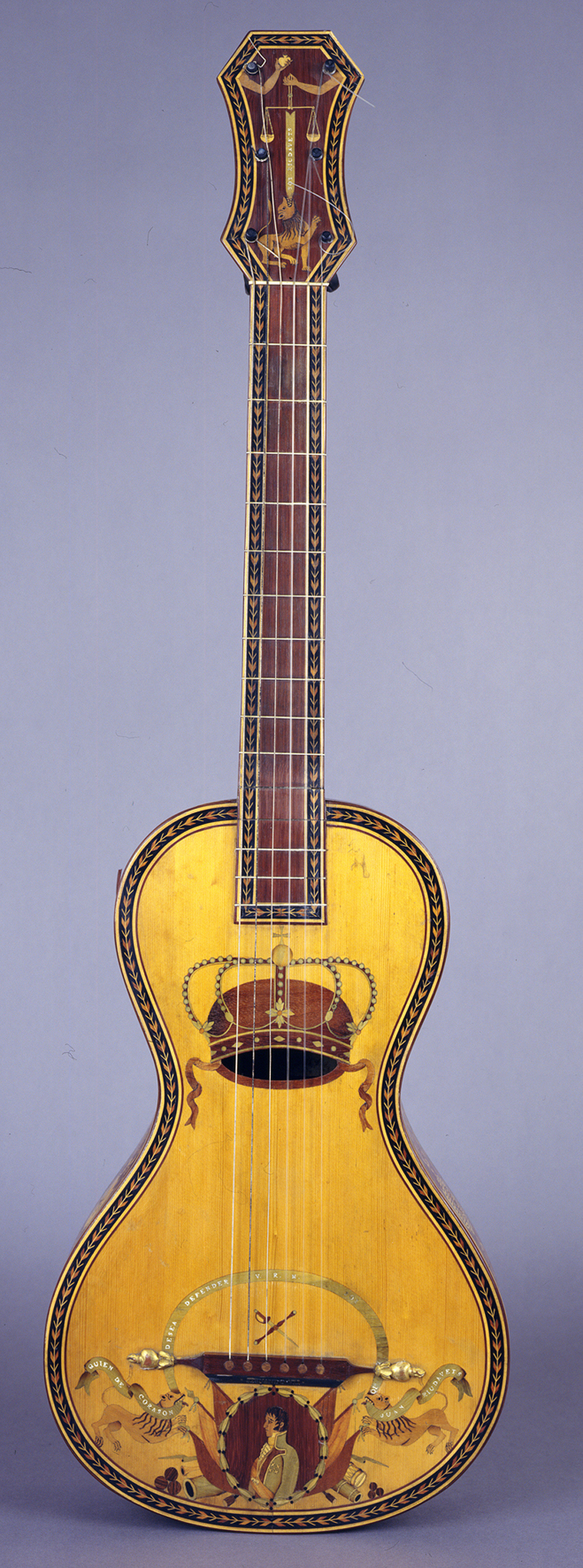
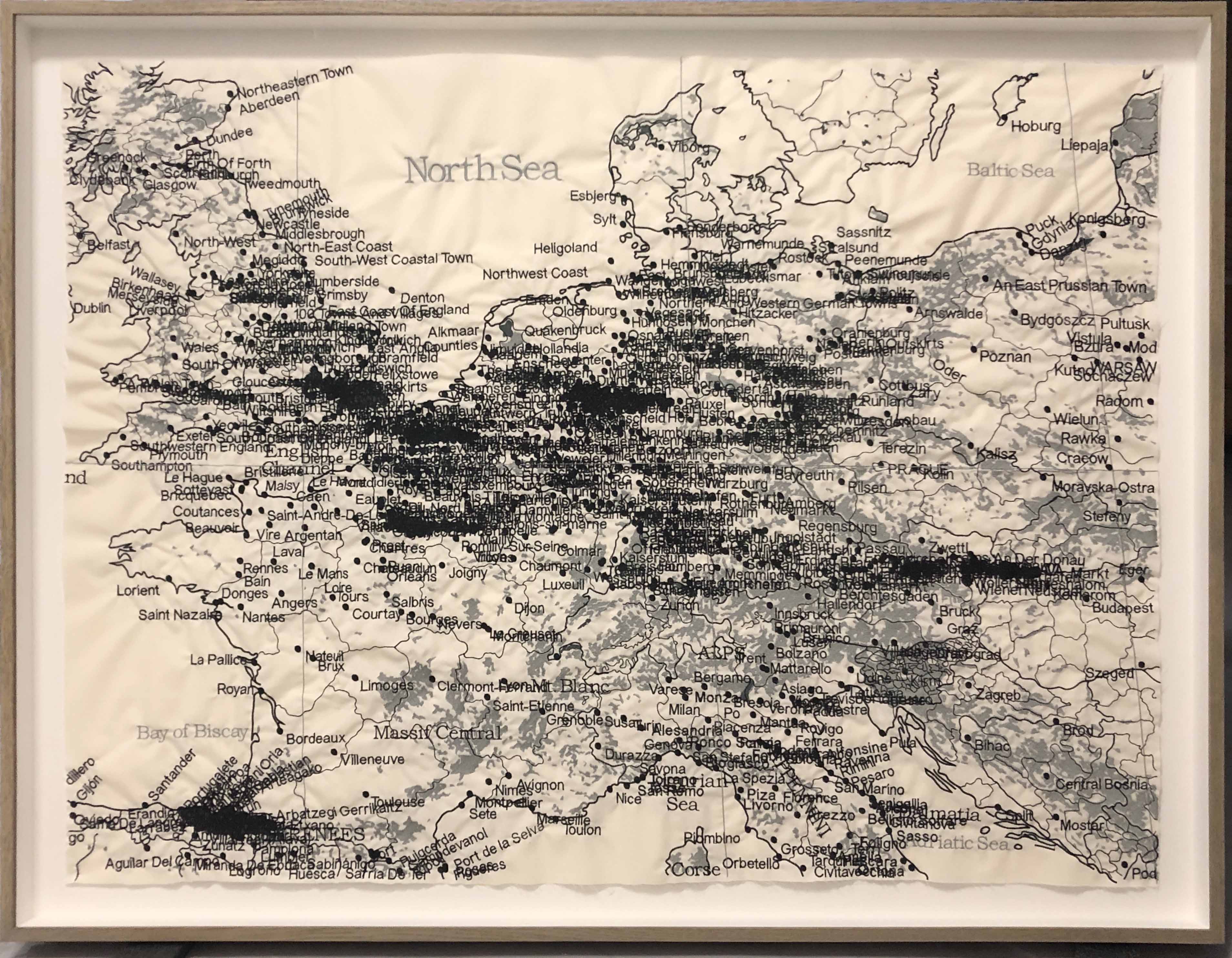
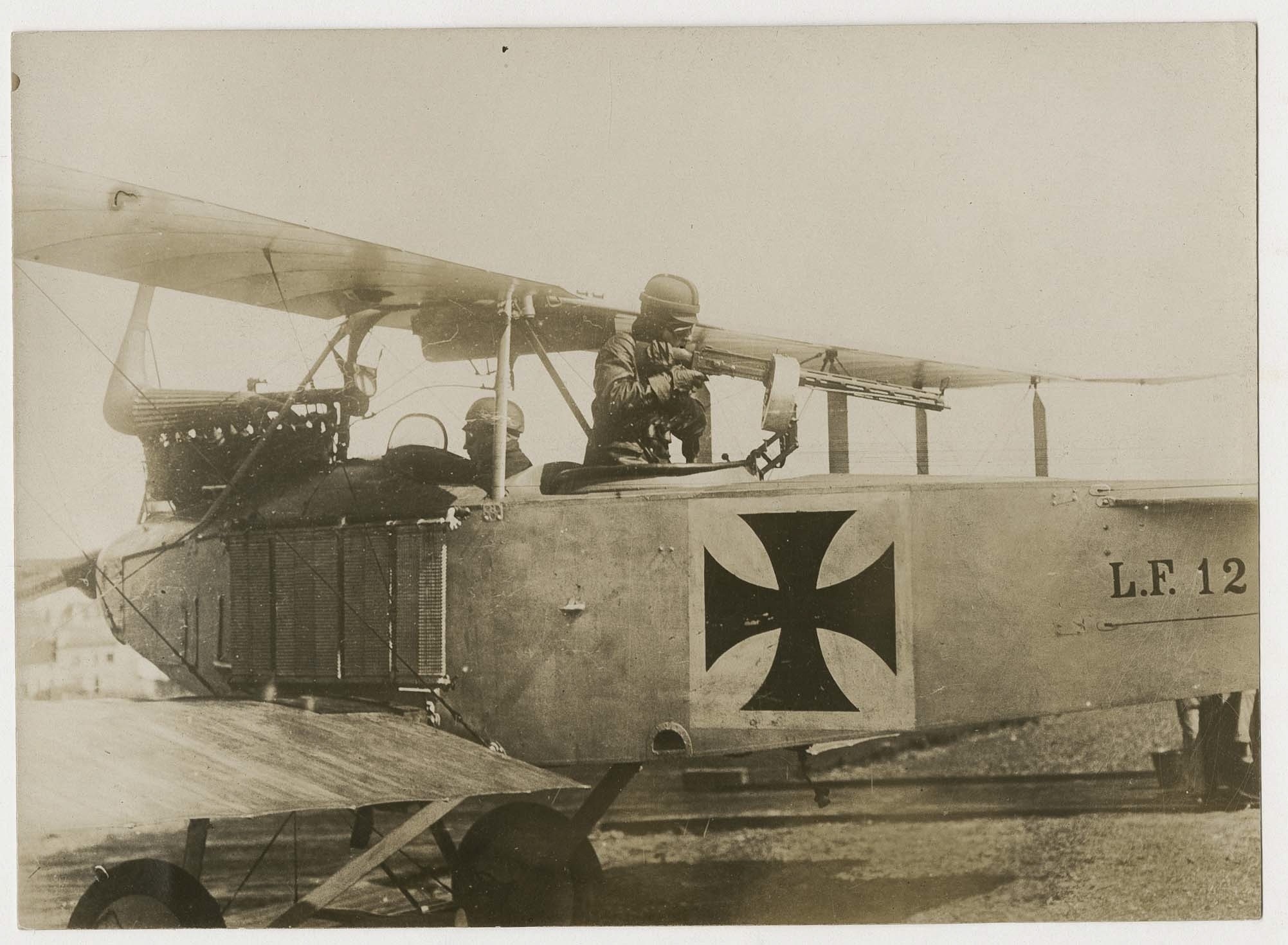
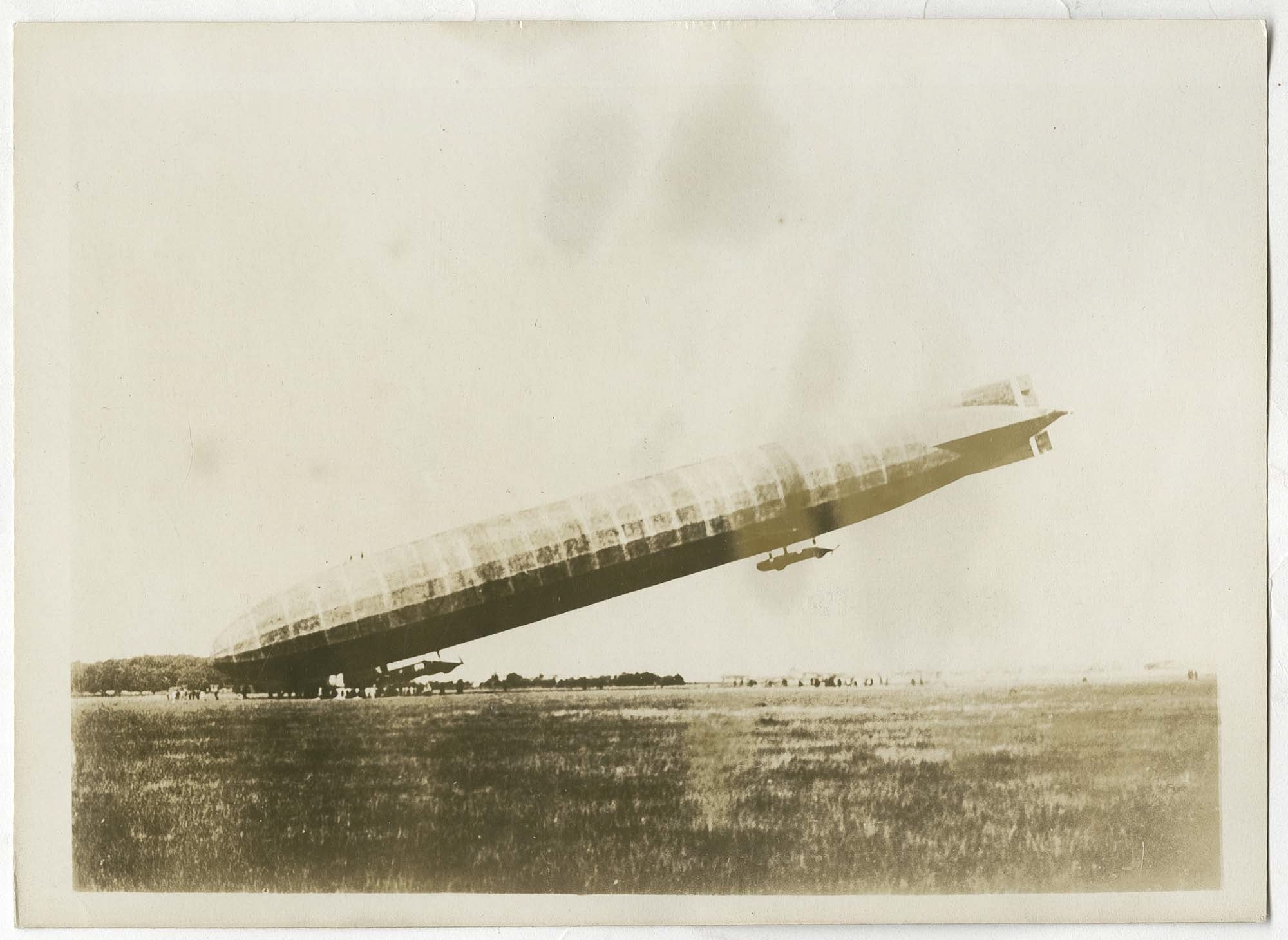
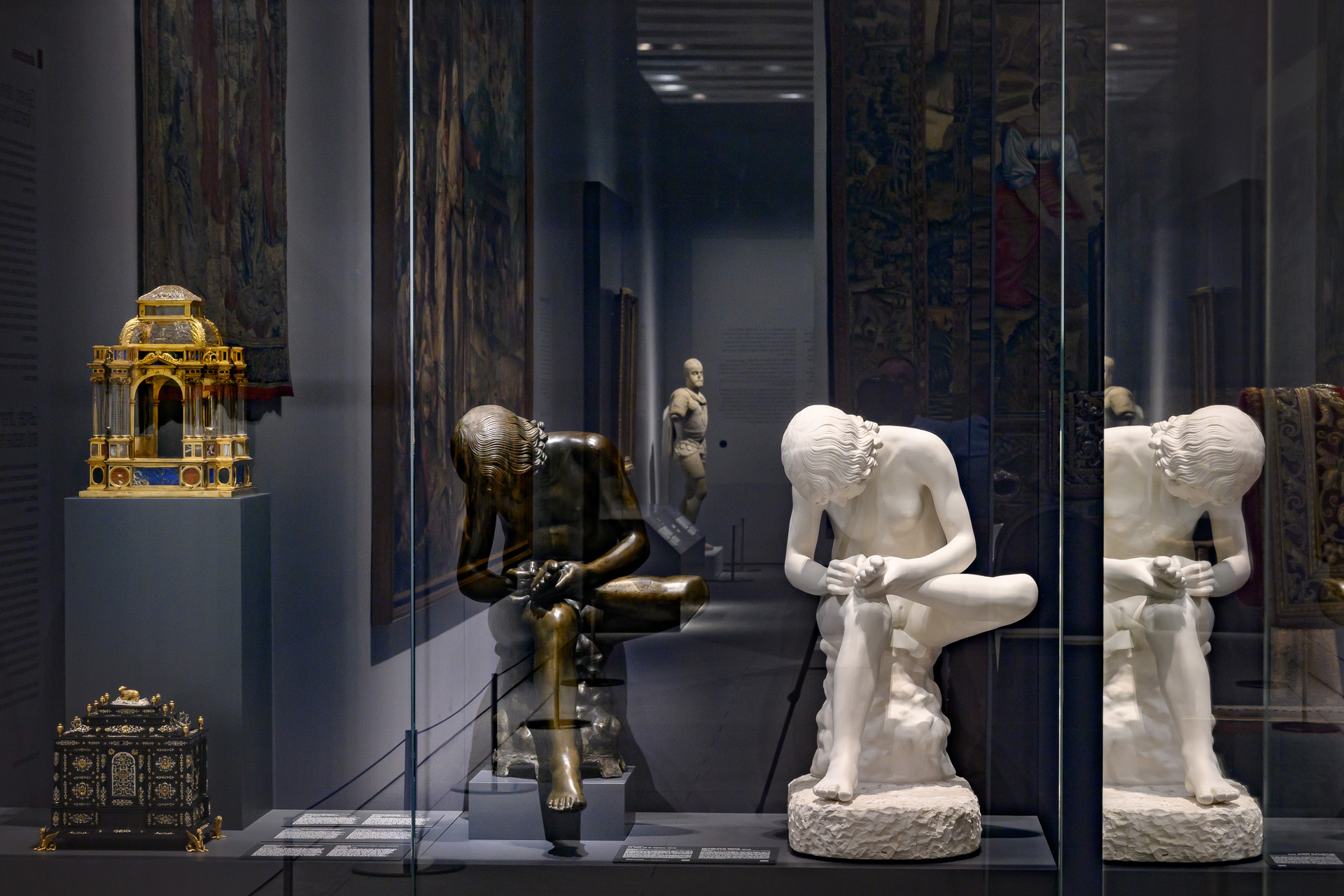
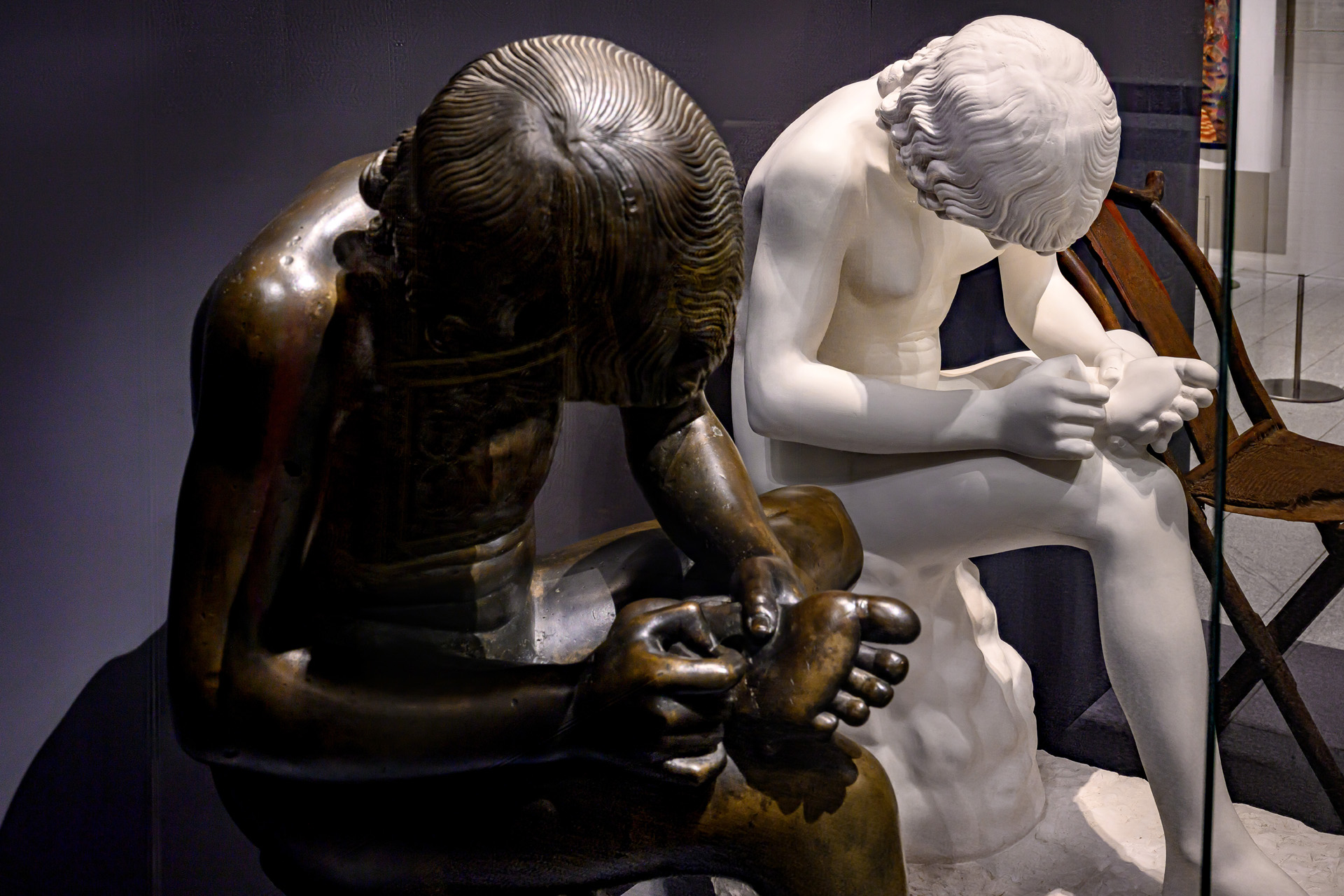
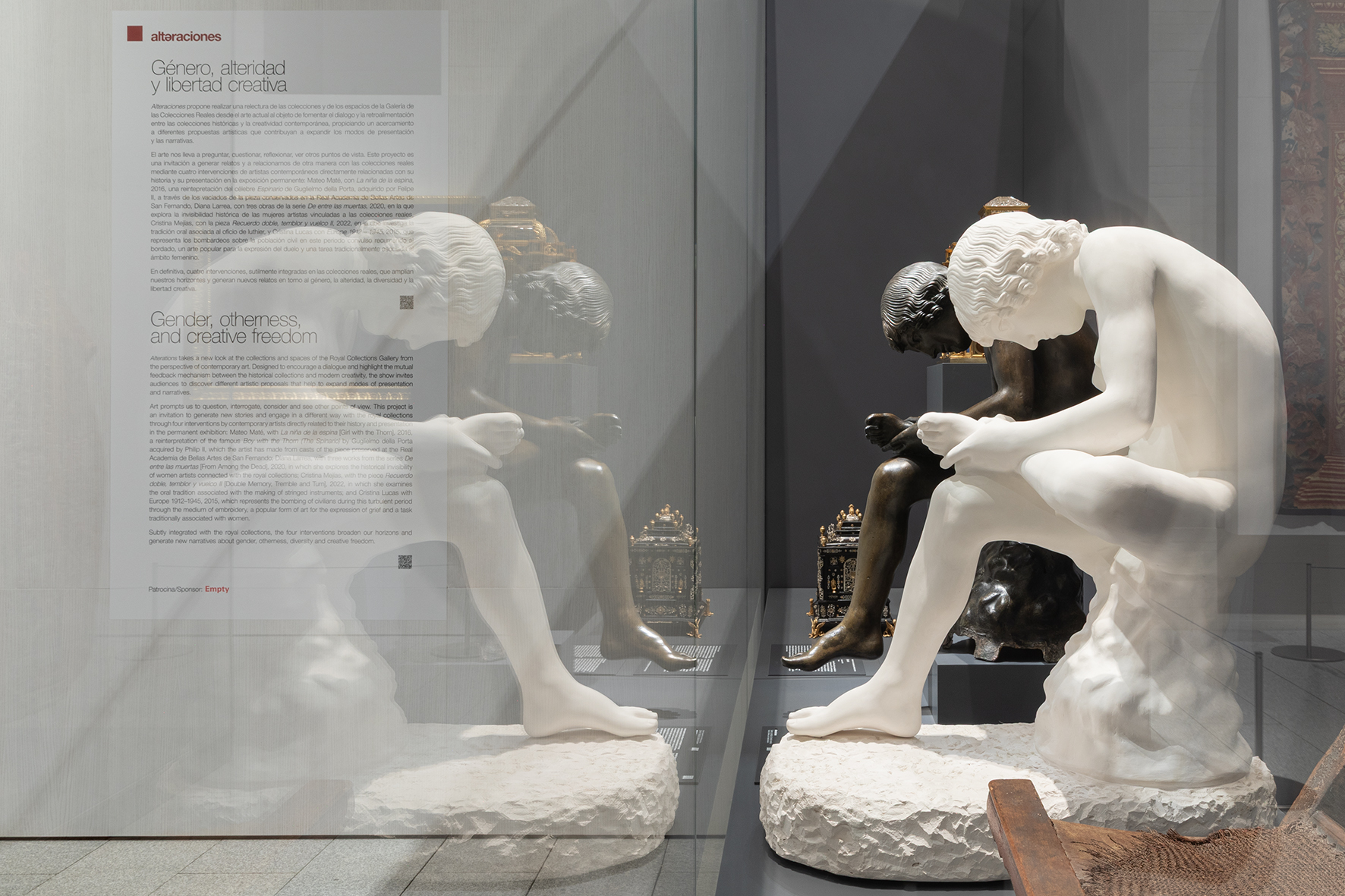
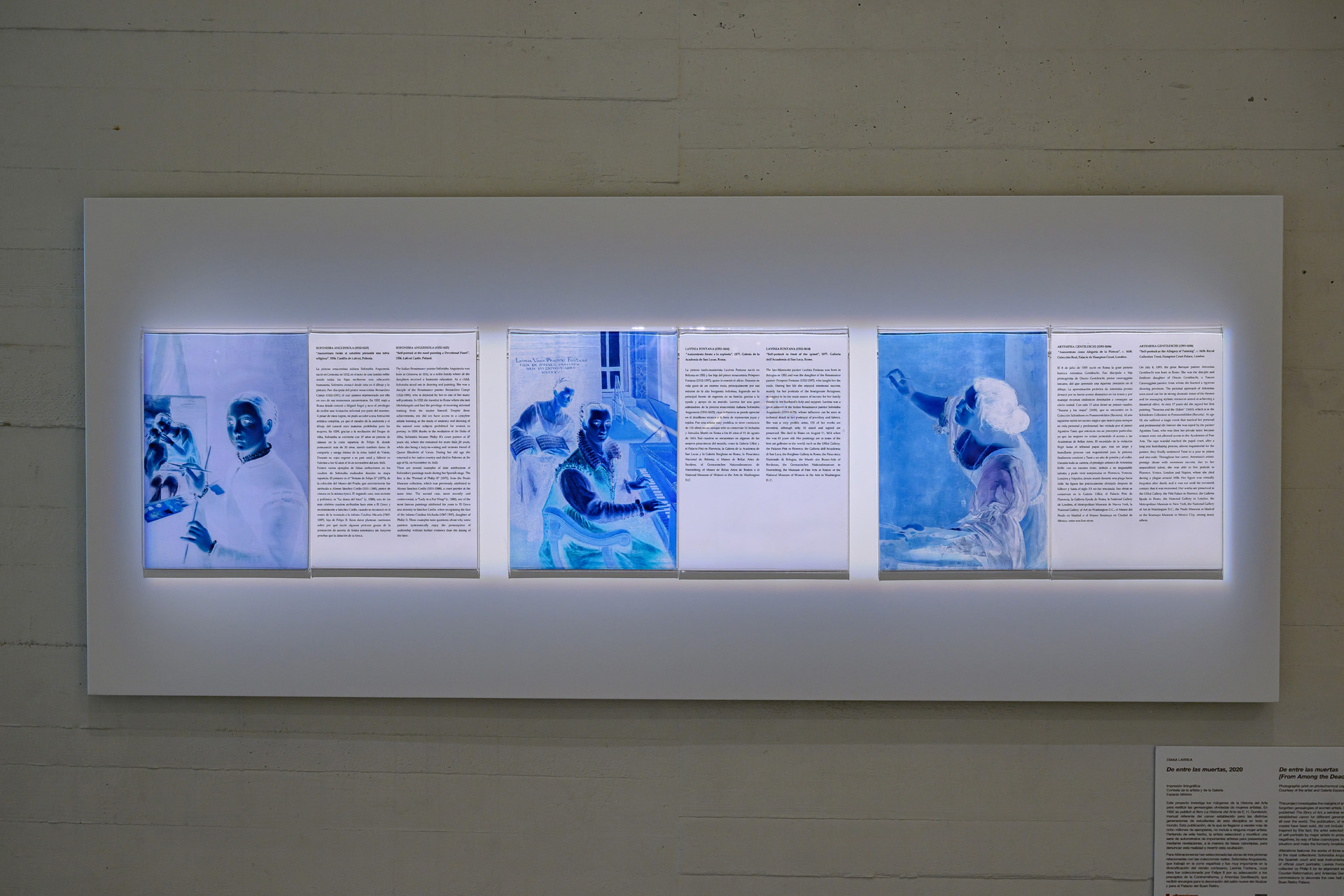
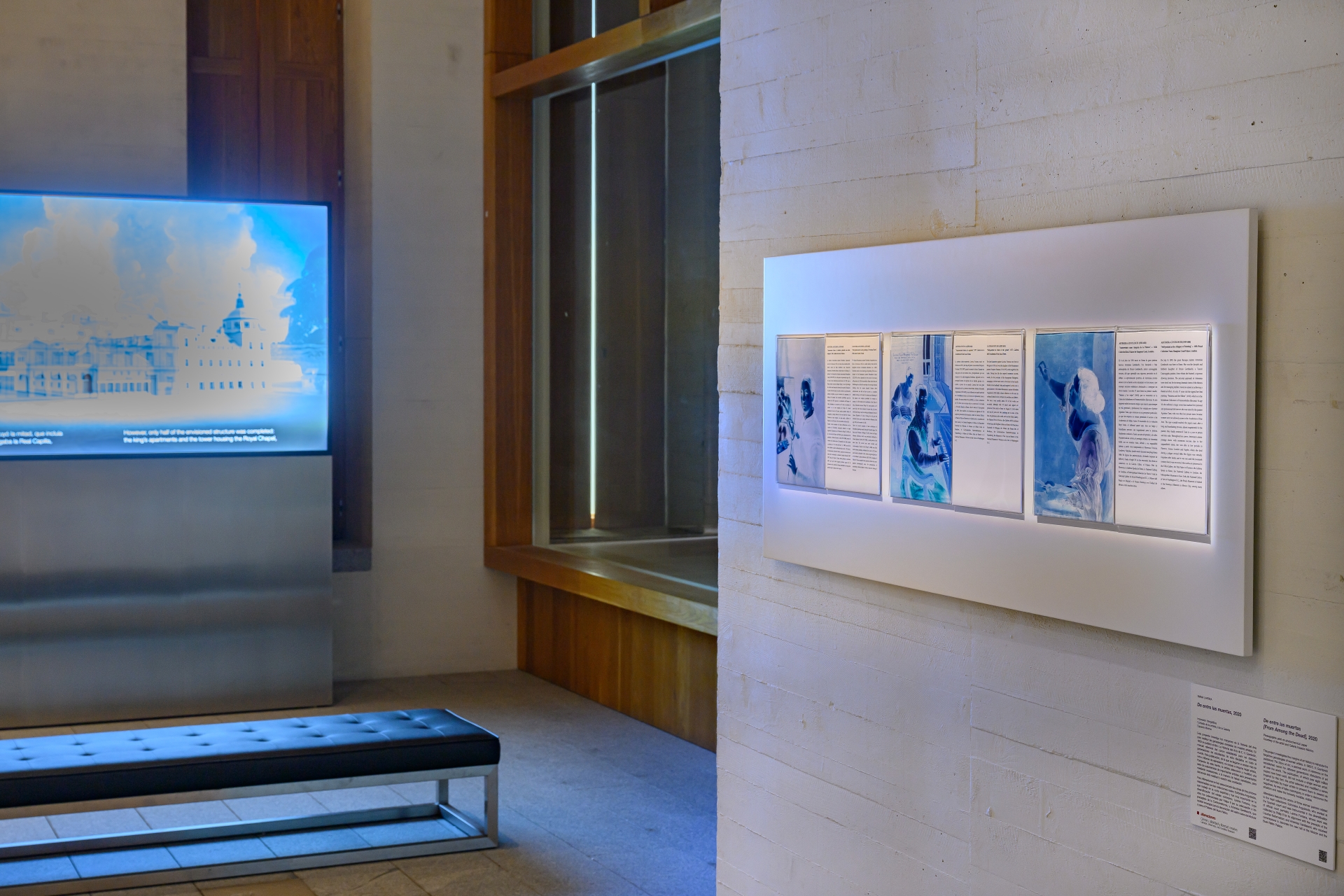
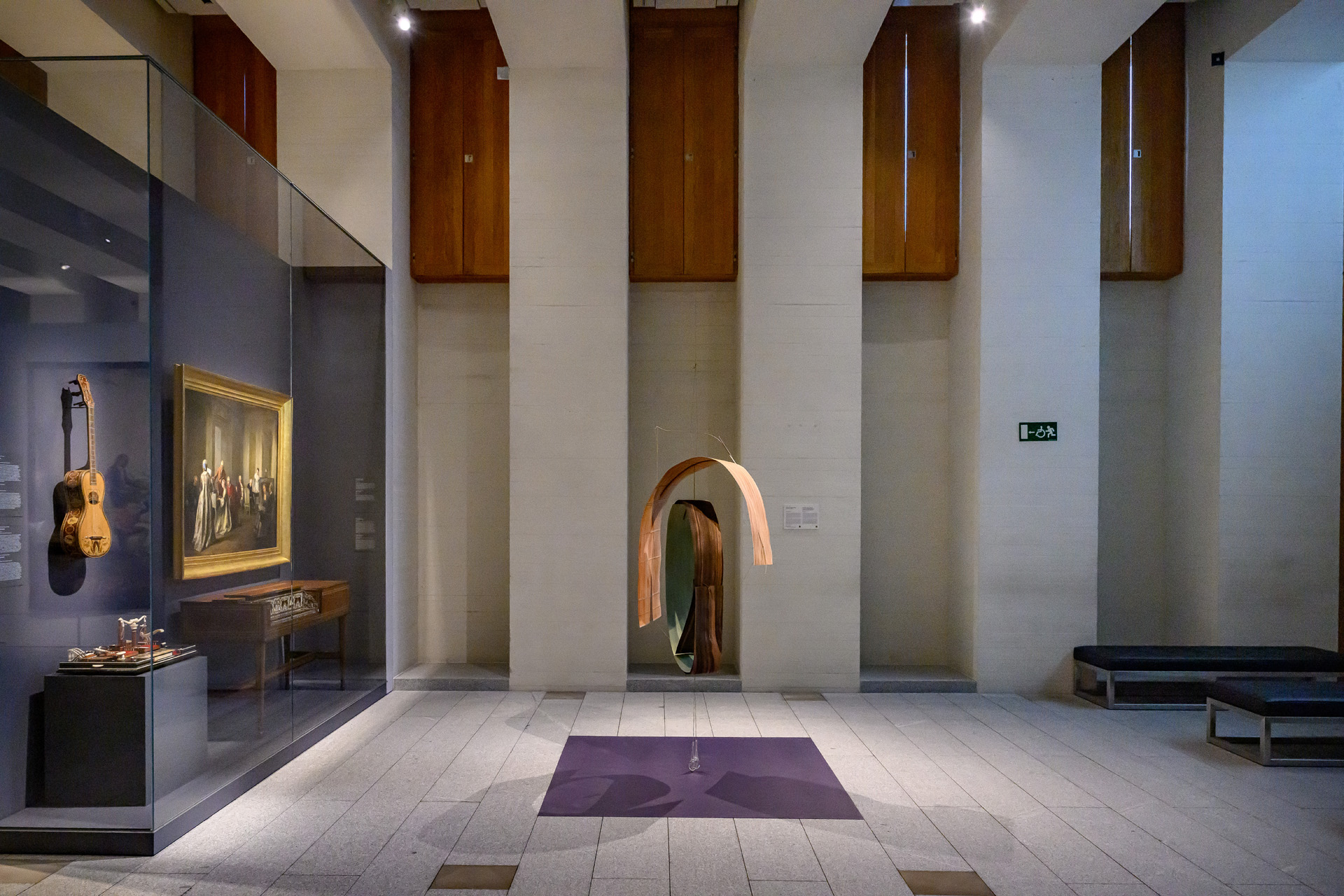
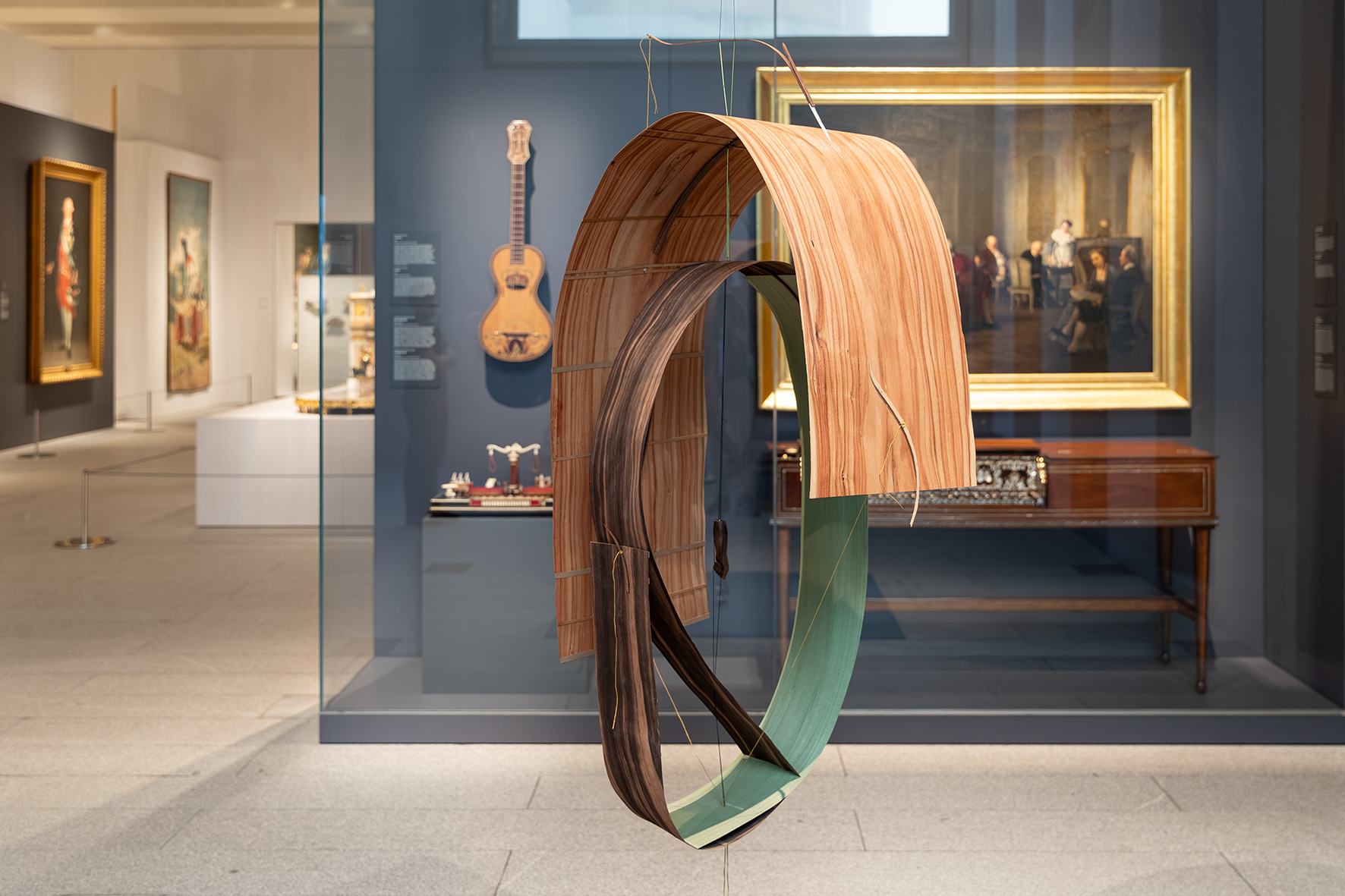
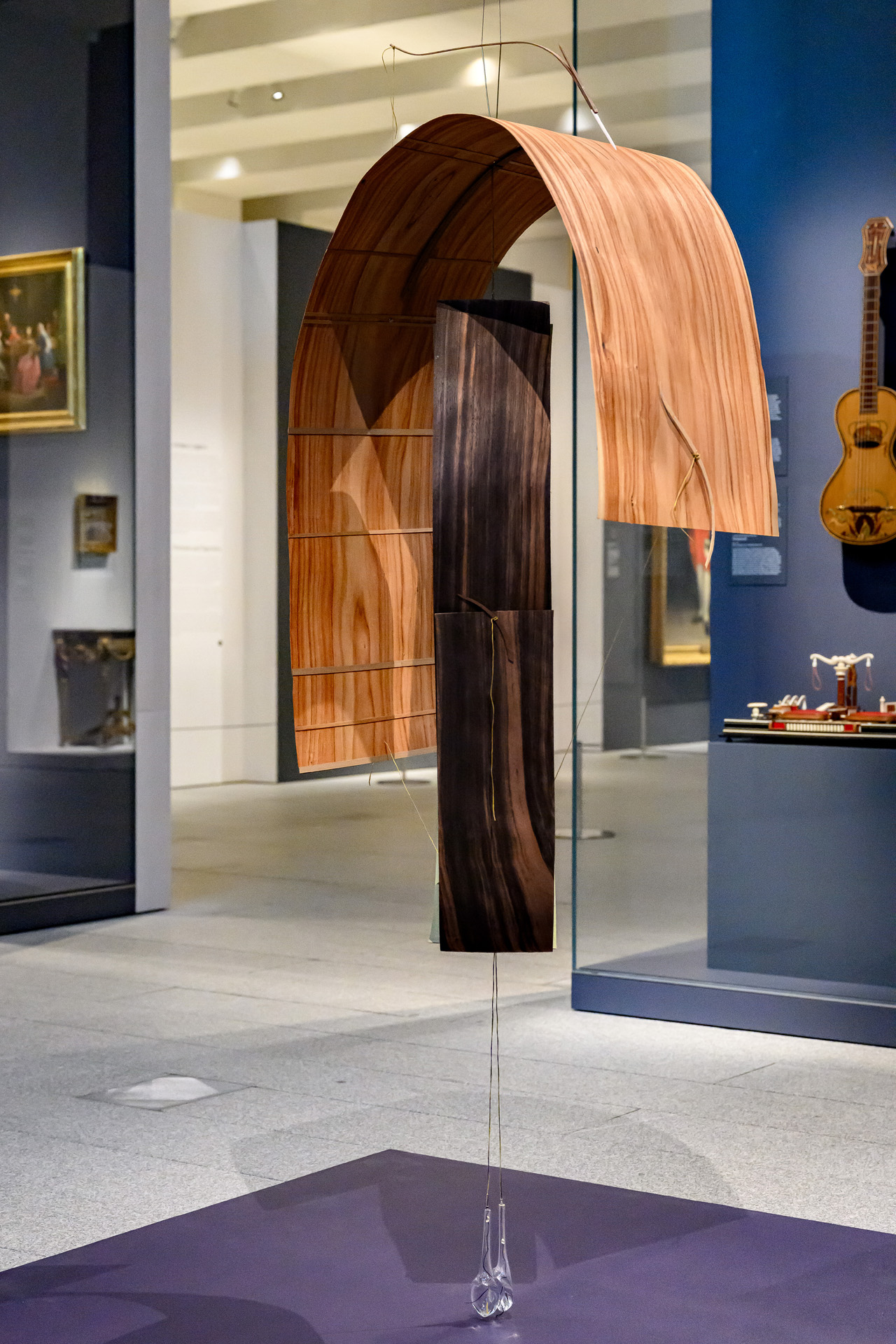
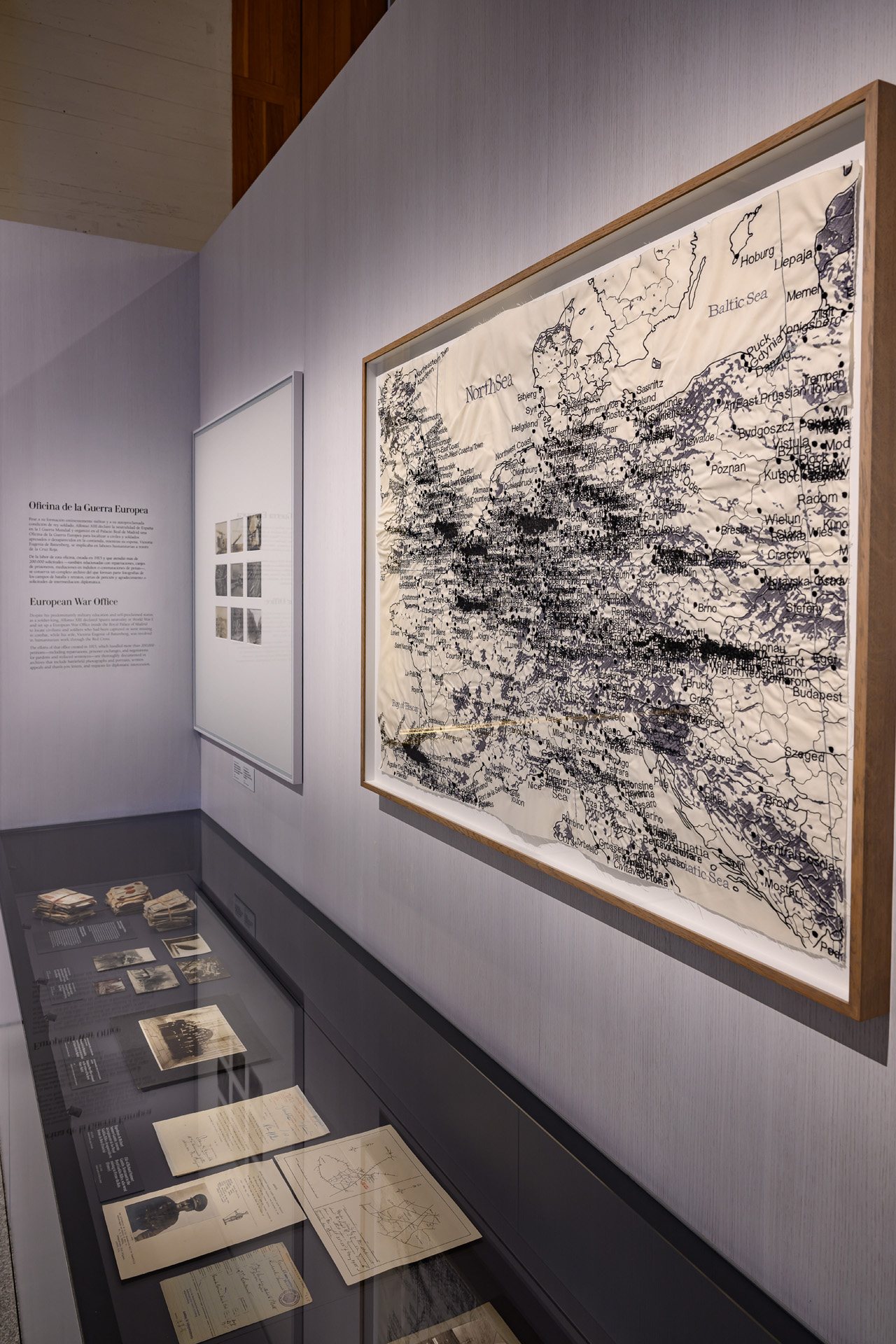
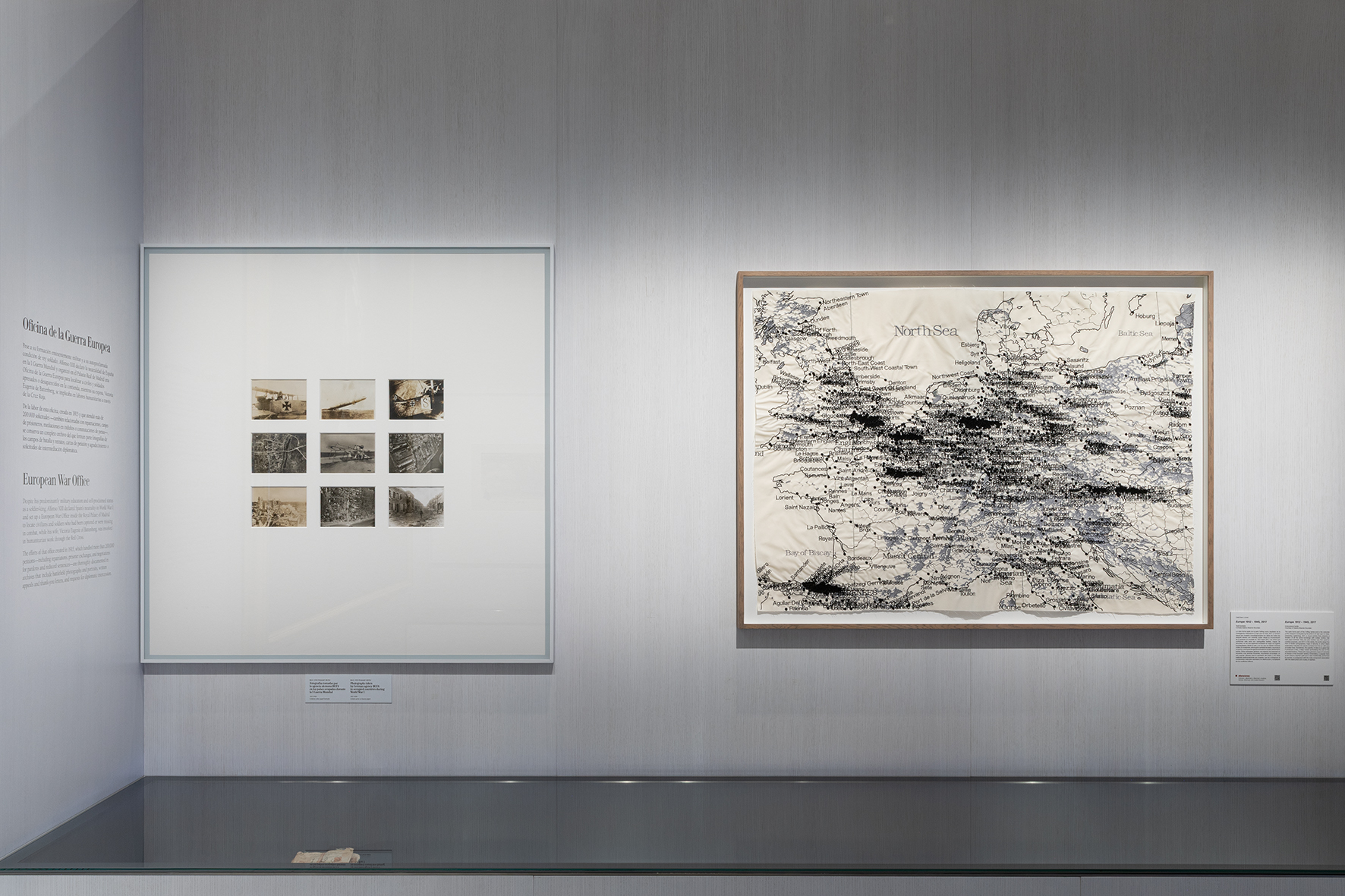
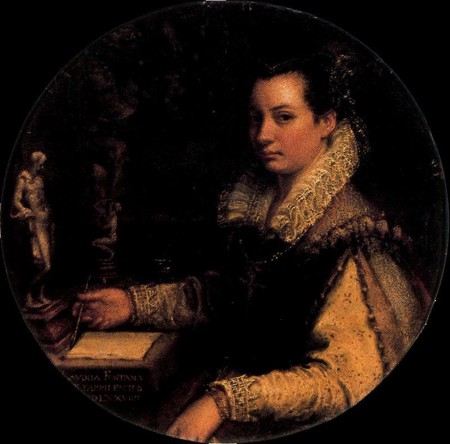
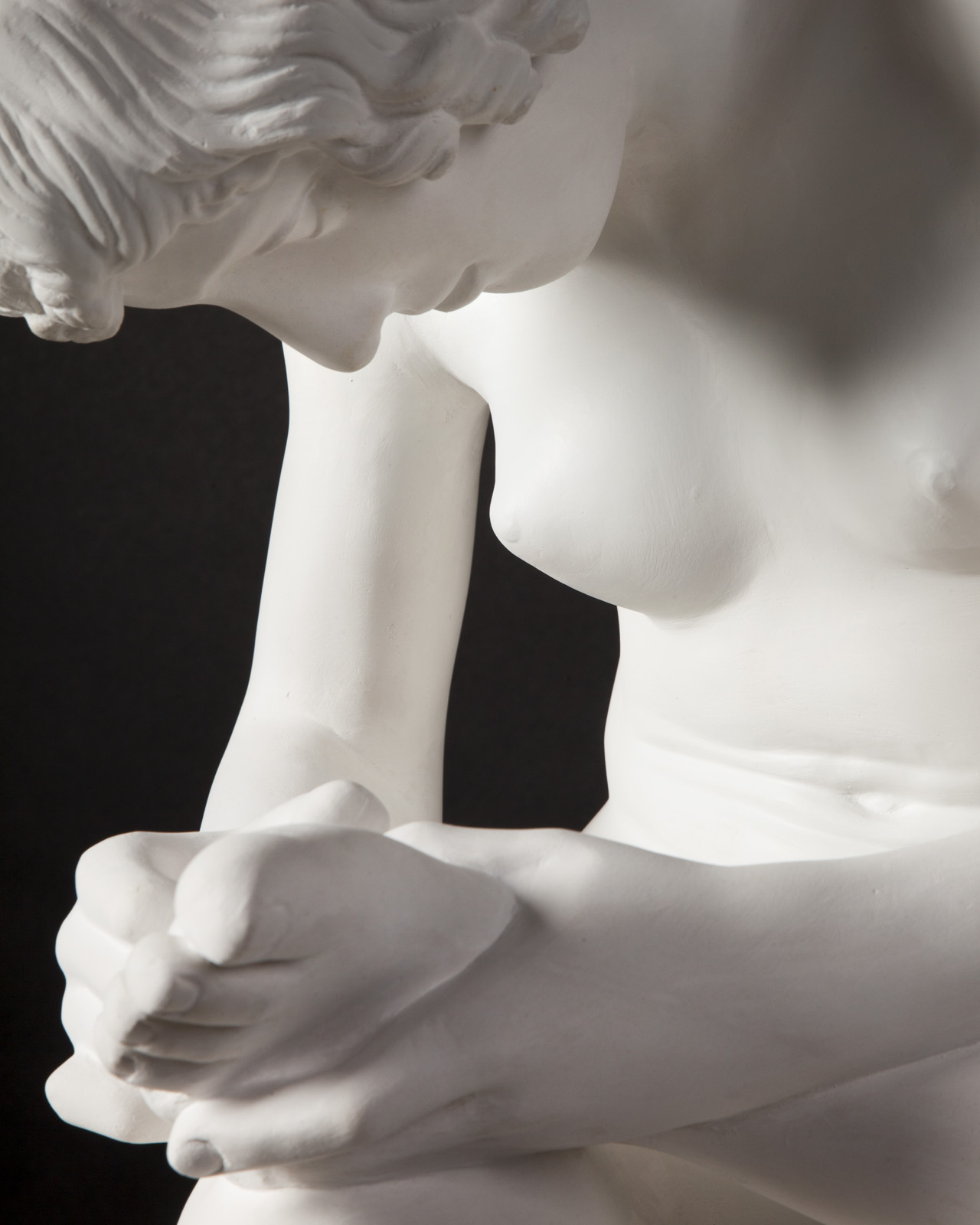
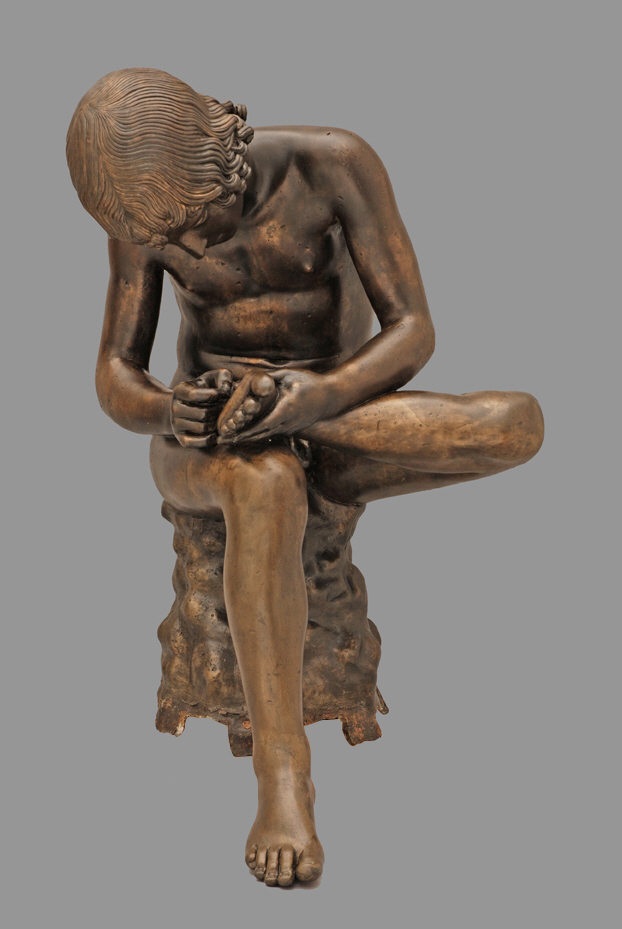
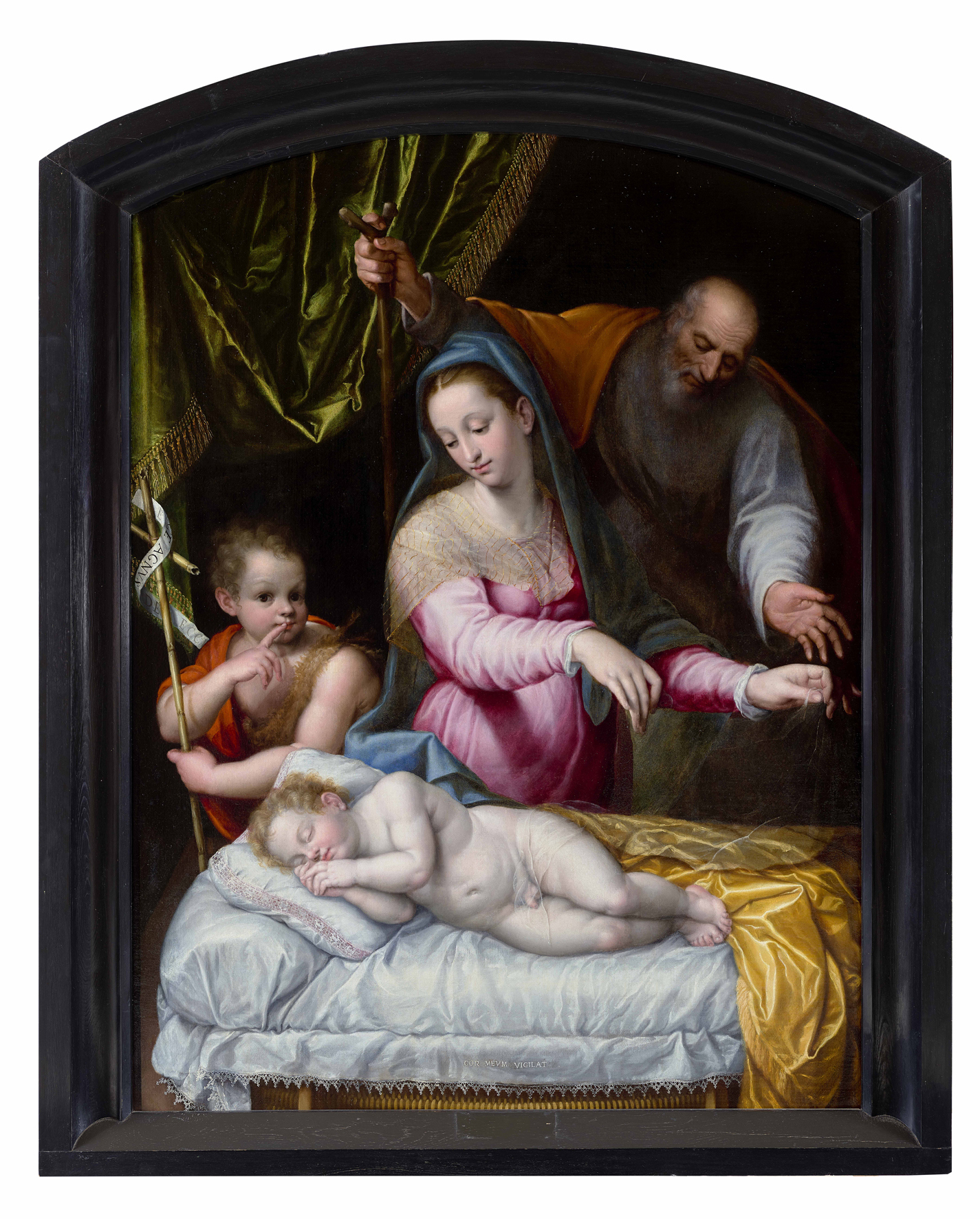
Art prompts us to question, interrogate, consider and see other points of view. This project is an invitation to generate new stories and engage in a different way with the royal collections through four interventions by contemporary artists directly related to their history and presentation in the permanent exhibition: Mateo Maté, with La niña de la espina [Girl with the Thorn], 2016, a reinterpretation of the famous Boy with the Thorn (The Spinario) by Guglielmo della Porta acquired by Philip II, which the artist has made from casts of the piece preserved at the Real Academia de Bellas Artes de San Fernando; Diana Larrea, with three works from the series De entre las muertas [From Among the Dead], 2020, in which she explores the historical invisibility of women artists connected with the royal collections; Cristina Mejías, with the piece Recuerdo doble, temblor y vuelco II [Double Memory, Tremble and Turn], 2022, in which she examines the oral tradition associated with the making of stringed instruments; and Cristina Lucas with Europe 1912–1945, 2015, which represents the bombing of civilians during this turbulent period through the medium of embroidery, a popular form of art for the expression of grief and a task traditionally associated with women.
Subtly integrated with the royal collections, the four interventions broaden our horizons and generate new narratives about gender, otherness, diversity and creative freedom.


![La niña de la espina [Girl with the Thorn], 2016, Plaster cast, Lucía Garrido Pérez-Fernández and José David Pérez Fernández Collection. Photo: Paco Gómez](https://serviciosgcr.galeriadelascoleccionesreales.es/imagenes/Documentos/imgsem/92/92dd/92ddb6ca-f722-4d64-756c-69b02fb195cc/3ac4b1e1-2920-8ba9-8f45-7f836960ca0f.jpg "La niña de la espina [Girl with the Thorn], 2016, Plaster cast, Lucía Garrido Pérez-Fernández and José David Pérez Fernández Collection. Photo: Paco Gómez")
![La niña de la espina [Girl with the Thorn], 2016, Plaster cast, Lucía Garrido Pérez-Fernández and José David Pérez Fernández Collection. Photo: Paco Gómez](https://serviciosgcr.galeriadelascoleccionesreales.es/imagenes/Documentos/imgsem/92/92dd/92ddb6ca-f722-4d64-756c-69b02fb195cc/be14c5fd-542a-51cd-cf4b-e7fd9846d162.jpg "La niña de la espina [Girl with the Thorn], 2016, Plaster cast, Lucía Garrido Pérez-Fernández and José David Pérez Fernández Collection. Photo: Paco Gómez")
![La niña de la espina [Girl with the Thorn], 2016, Plaster cast, Lucía Garrido Pérez-Fernández and José David Pérez Fernández Collection. Photo: Paco Gómez](https://serviciosgcr.galeriadelascoleccionesreales.es/imagenes/Documentos/imgsem/92/92dd/92ddb6ca-f722-4d64-756c-69b02fb195cc/c6c90eb5-80be-f60d-15a2-d624fffdc9f1.jpg "La niña de la espina [Girl with the Thorn], 2016, Plaster cast, Lucía Garrido Pérez-Fernández and José David Pérez Fernández Collection. Photo: Paco Gómez")
![De entre las muertas [From Among the Dead] - Artemisia Gentileschi, Diana Larrea, 2020, Photographic print on photochemical paper](https://serviciosgcr.galeriadelascoleccionesreales.es/imagenes/Documentos/imgsem/92/92dd/92ddb6ca-f722-4d64-756c-69b02fb195cc/351bbf7c-f3ab-69d1-1697-830ac67c0849.jpg "De entre las muertas [From Among the Dead] - Artemisia Gentileschi, Diana Larrea, 2020, Photographic print on photochemical paper")
![De entre las muertas [From Among the Dead] - Sofonisba Anguissola, Diana Larrea, 2020, Photographic print on photochemical paper](https://serviciosgcr.galeriadelascoleccionesreales.es/imagenes/Documentos/imgsem/92/92dd/92ddb6ca-f722-4d64-756c-69b02fb195cc/51a470a0-dd16-09c3-af42-acefdac34deb.jpg "De entre las muertas [From Among the Dead] - Sofonisba Anguissola, Diana Larrea, 2020, Photographic print on photochemical paper")
![De entre las muertas [From Among the Dead] - Lavinia Fontana, Diana Larrea, 2020, Photographic print on photochemical paper](https://serviciosgcr.galeriadelascoleccionesreales.es/imagenes/Documentos/imgsem/92/92dd/92ddb6ca-f722-4d64-756c-69b02fb195cc/47f40810-429b-138a-3f55-48da22f5b35a.jpg "De entre las muertas [From Among the Dead] - Lavinia Fontana, Diana Larrea, 2020, Photographic print on photochemical paper")
![Recuerdo doble, temblor y vuelco II [Double Memory, Tremble and Turn II], Cristina Mejías, 2022, Mixed media. Assemblage. Private collection](https://serviciosgcr.galeriadelascoleccionesreales.es/imagenes/Documentos/imgsem/92/92dd/92ddb6ca-f722-4d64-756c-69b02fb195cc/01538ceb-b845-0ea7-d973-d07351d46619.jpg "Recuerdo doble, temblor y vuelco II [Double Memory, Tremble and Turn II], Cristina Mejías, 2022, Mixed media. Assemblage. Private collection")
![Recuerdo doble, temblor y vuelco II [Double Memory, Tremble and Turn II], Cristina Mejías, 2022, Mixed media. Assemblage. Private collection](https://serviciosgcr.galeriadelascoleccionesreales.es/imagenes/Documentos/imgsem/92/92dd/92ddb6ca-f722-4d64-756c-69b02fb195cc/c92582f0-9597-2417-3f16-84862f9a7457.jpg "Recuerdo doble, temblor y vuelco II [Double Memory, Tremble and Turn II], Cristina Mejías, 2022, Mixed media. Assemblage. Private collection")
![Recuerdo doble, temblor y vuelco II [Double Memory, Tremble and Turn II], Cristina Mejías, 2022, Mixed media. Assemblage. Private collection](https://serviciosgcr.galeriadelascoleccionesreales.es/imagenes/Documentos/imgsem/92/92dd/92ddb6ca-f722-4d64-756c-69b02fb195cc/5aec0383-fa99-e0ee-73bd-4157100a4da2.jpg "Recuerdo doble, temblor y vuelco II [Double Memory, Tremble and Turn II], Cristina Mejías, 2022, Mixed media. Assemblage. Private collection")
![Recuerdo doble, temblor y vuelco II [Double Memory, Tremble and Turn II], Cristina Mejías, 2022, Mixed media. Assemblage. Private collection](https://serviciosgcr.galeriadelascoleccionesreales.es/imagenes/Documentos/imgsem/92/92dd/92ddb6ca-f722-4d64-756c-69b02fb195cc/6fb6f274-28d0-be6e-4387-d94d55b52052.jpg "Recuerdo doble, temblor y vuelco II [Double Memory, Tremble and Turn II], Cristina Mejías, 2022, Mixed media. Assemblage. Private collection")